
A Complete Guide to Fall Prevention at Home for Ageing Parents
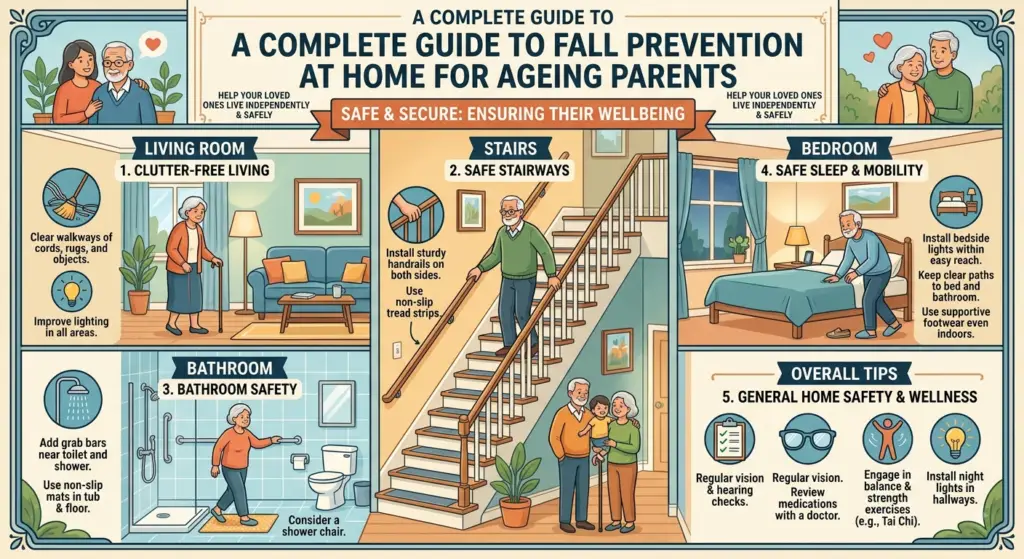
As parents grow older, changes in balance, vision, muscle strength, mobility, and medication use can increase the risk of falls. Falls may lead to injuries, reduced confidence, or loss of independence. However, many household falls can be prevented through simple home modifications, regular health monitoring, and appropriate support, helping older adults remain safer and independent. […]
Understanding, Preventing, and Responding to Elder Abuse

Aging should be a stage of life marked by dignity, security, companionship, and respect. Yet, many older adults experience situations that threaten these basic rights. Elder abuse can remain hidden because it may occur within families, caregiving relationships, residential facilities, or other settings where an older person expects care and trust. It is not always […]
Managing the Confluence of Disability and Age: Policy Obstacles in India
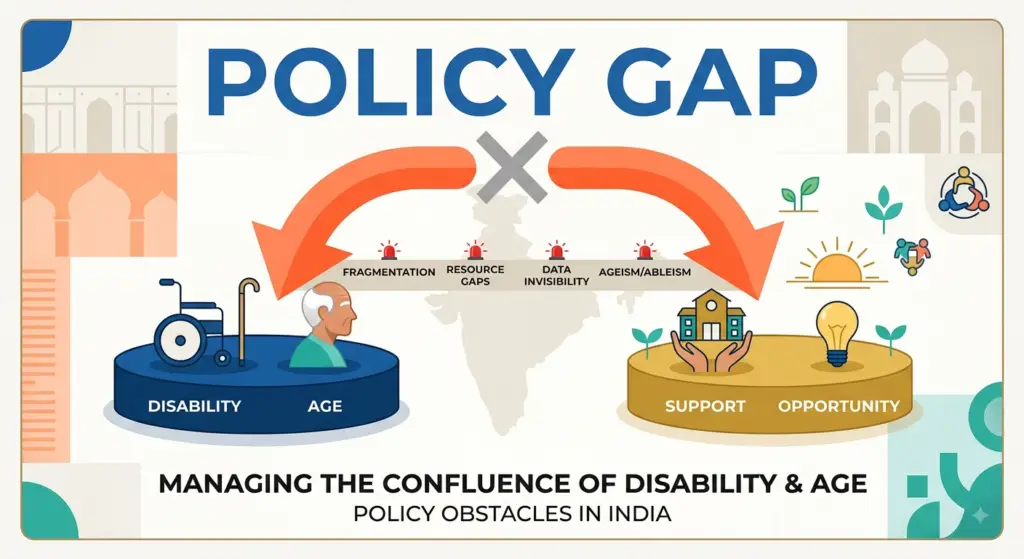
Ageing with a disability can create challenges in mobility, healthcare, social participation, finances, and family support. In India, gaps in accessibility, awareness, and policy implementation continue to affect older adults. Inclusive support should address these overlapping needs with dignity and flexibility. Understanding the Intersection Disability and ageing can overlap in different ways, creating varied support […]
Redefining Winning: Active Ageing Beyond Seventy
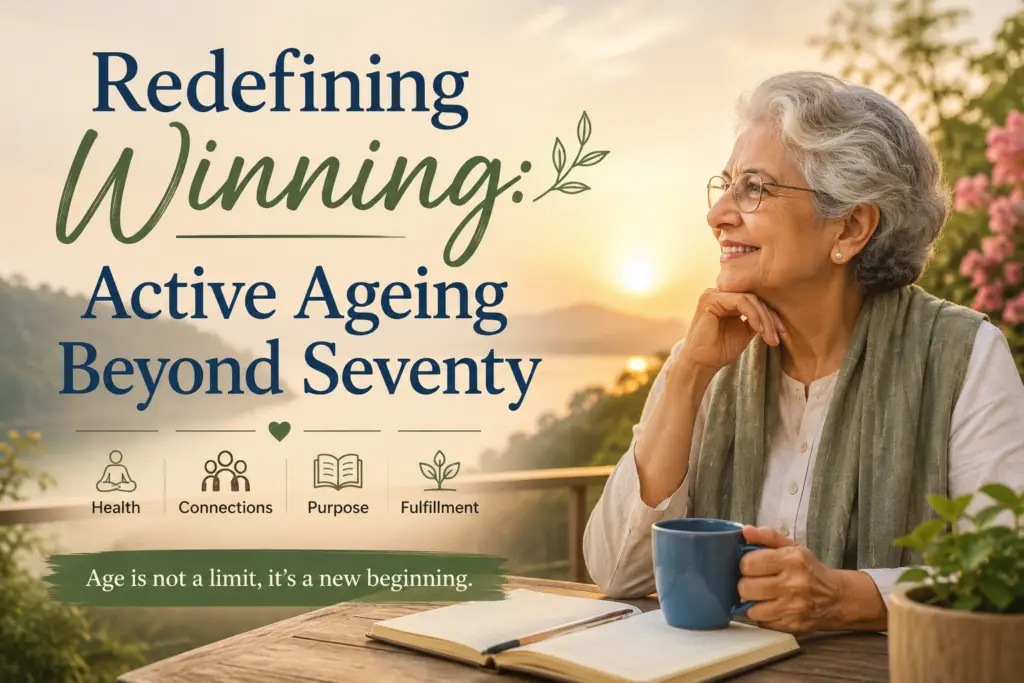
Ageing is more than a number. Life after seventy can continue to involve learning, relationships, activity, creativity, and personal growth. Active ageing focuses on health, independence, connection, and purpose, shifting attention from limitations toward well-being, meaningful engagement, and quality of life. Moving Beyond Traditional Ideas of Success After retirement, traditional measures of success such as […]
The Power of Reminiscence Therapy: Supporting Mental Well-being in Ageing
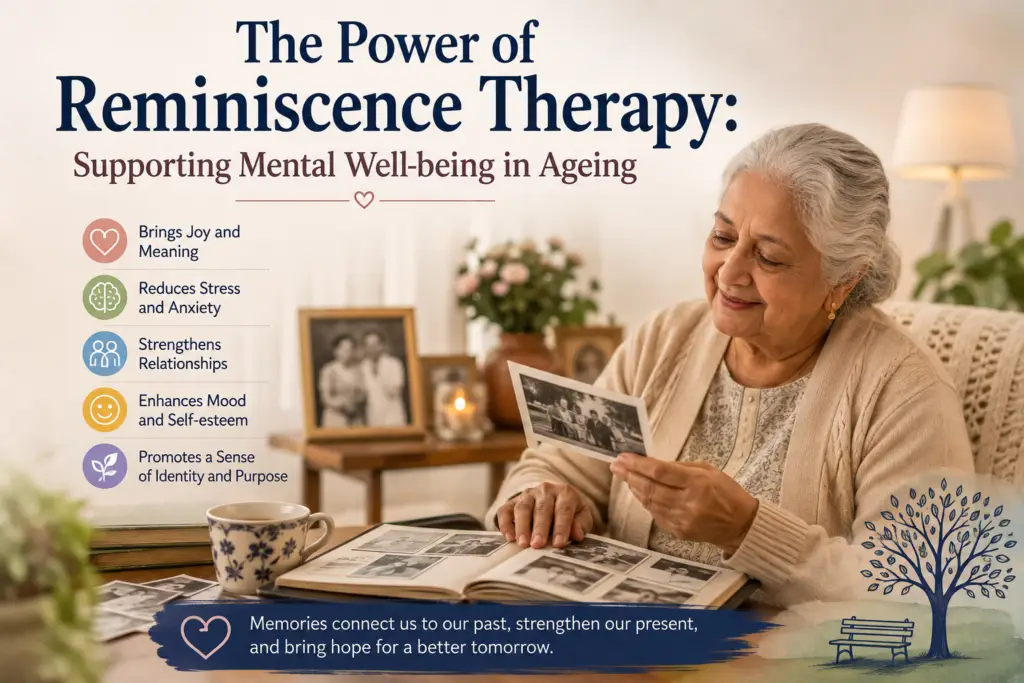
Growing older brings valuable life experiences, but it can also involve challenges such as retirement, health issues, and the loss of loved ones, which may affect emotional well-being. Reminiscence therapy is an evidence-based approach that encourages older adults to reflect on meaningful memories, helping strengthen their sense of identity, enhance emotional well-being, and promote a […]
Creating an Age-Friendly Home for Independence & Well-Being
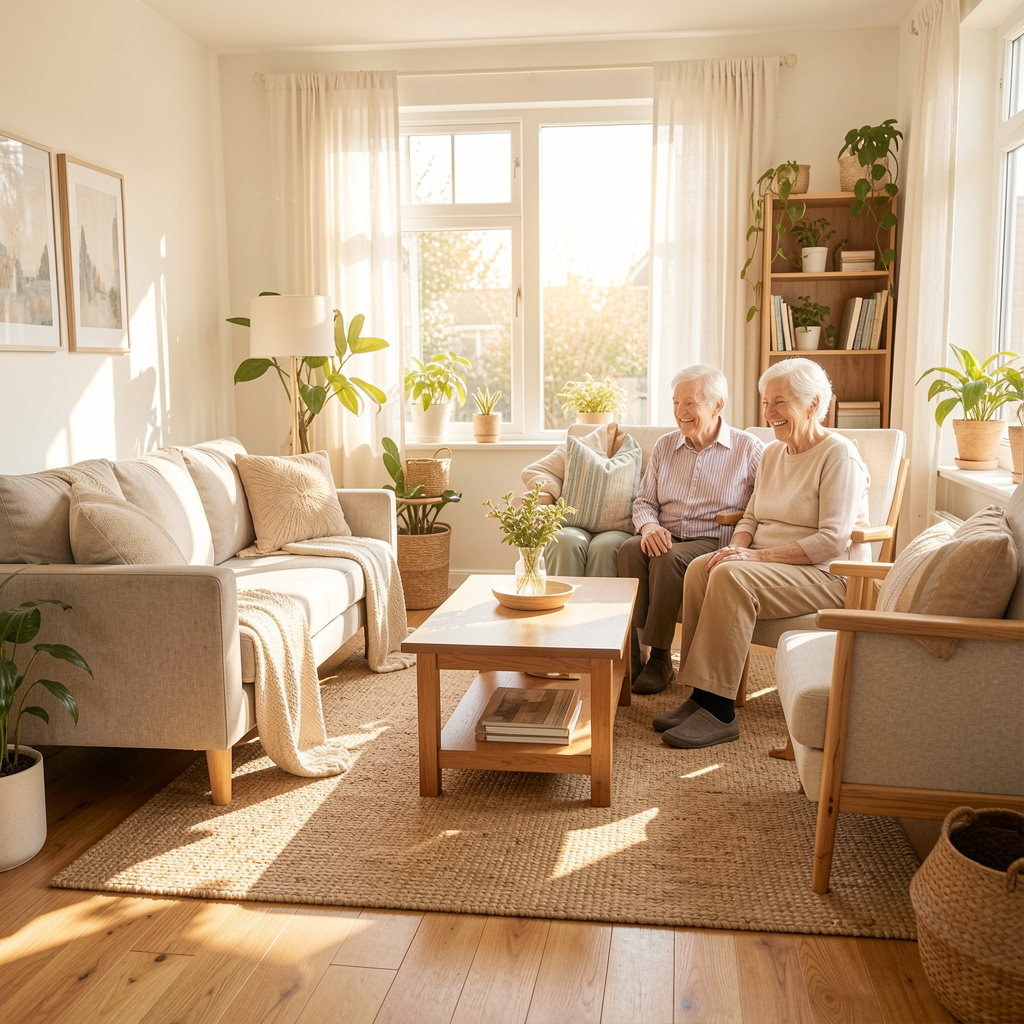
As people grow older, their homes become more than just living spaces; they become environments that influence safety, comfort, independence, and emotional health. An age-friendly home is designed to support changing physical, cognitive, and emotional needs while allowing older adults to maintain dignity and control over their daily lives. With thoughtful modifications and a supportive […]
The Link Between Hearing Loss & Cognitive Decline in Seniors
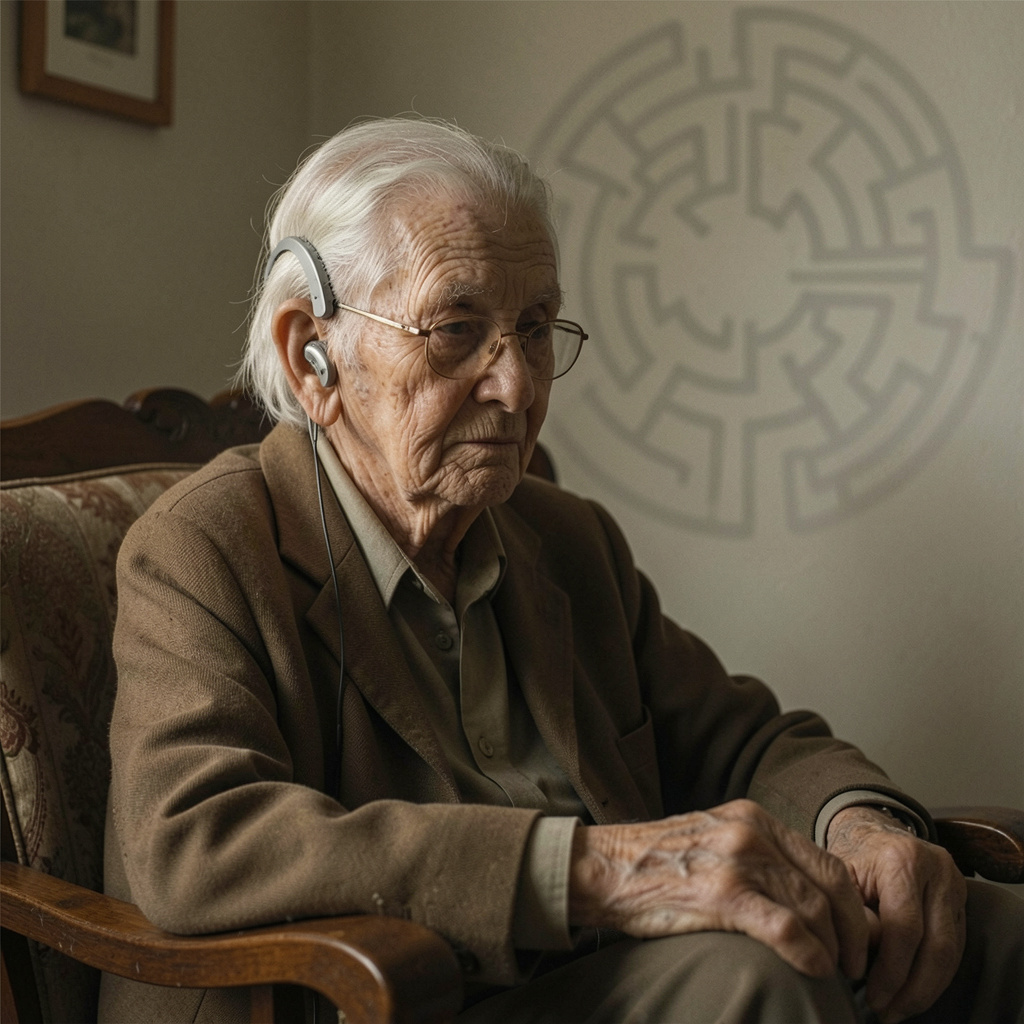
Aging is a natural process that brings several changes in the body and mind. While memory lapses and slower information processing are often considered normal parts of growing older, certain health challenges may increase the risk of significant cognitive decline. One such concern is hearing loss, a condition that affects millions of seniors worldwide. Hearing […]
Decision-Making Capacity in Older Adults: When Should Families Be Concerned?

Growing older brings wisdom, experience, and a deeper understanding of life, but it can also involve changes in memory, judgment, and the ability to make complex decisions. Many older adults continue to manage their finances, healthcare choices, and daily responsibilities independently. However, families may sometimes notice changes that raise concerns about whether their loved ones […]
The Psychological Benefits of Having a Pet in Later Life

Ageing brings many meaningful experiences, including wisdom, personal growth, and deeper appreciation for relationships. However, later life can also involve significant changes such as retirement, changes in routine, reduced social interaction, and the loss of loved ones. These transitions may affect emotional well-being and overall quality of life. In recent years, research has highlighted the […]
Successful Ageing: Evidence-Based Habits for a Longer, Healthier, and Happier Life

Growing older is a natural part of life, but ageing successfully involves much more than simply living longer. Advances in healthcare, nutrition, and preventive medicine have shown that many aspects of healthy ageing are influenced by everyday lifestyle choices. By adopting evidence-based habits that support physical, cognitive, and emotional well-being, older adults can maintain independence, […]