
Relationship Challenges After Retirement: Strengthening Emotional Bonds

Retirement marks a significant transition in life. After decades of balancing work, family responsibilities, and personal activities, older people often find themselves spending much more time with their spouses. While retirement offers opportunities for relaxation, shared experiences, and personal growth, it also introduces new adjustments that can affect long-term relationships. Changes in daily routines, financial […]
Ageing Gracefully: Overcoming Appearance-Related Anxiety in Later Life

Every stage of ageing brings new experiences, opportunities for personal growth, and valuable wisdom gained through years of living. However, youthful appearance is frequently highly valued in contemporary society, leading to unattainable beauty standards that might affect how people view themselves as they get older. Wrinkles, grey hair, changes in body shape, and reduced physical […]
Managing Elderly Stress Before It Leads to Burnout

Growing older brings wisdom, life experience, and resilience, but it also introduces unique emotional and physical challenges. Retirement, health concerns, loss of loved ones, reduced independence, financial adjustments, and social isolation can gradually affect an older adult’s emotional well-being. While occasional stress is a normal part of life, persistent emotional strain that goes unrecognized can […]
Main Challenges in Elderly Care & Practical Ways to Overcome Them
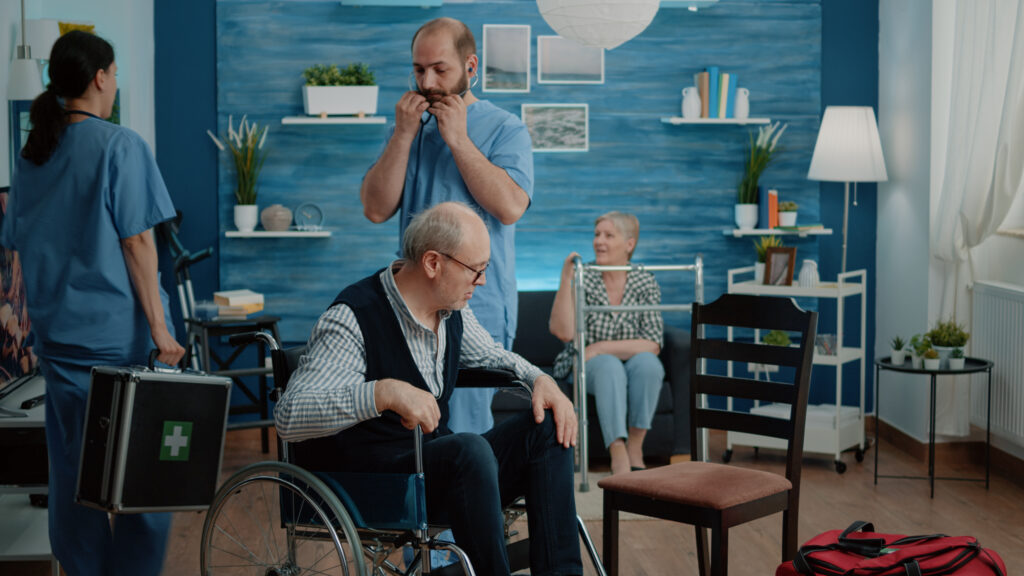
As life expectancy continues to increase worldwide, ensuring the well-being of older adults has become a significant priority for families, healthcare professionals, and communities. Aging brings valuable life experience and wisdom, but it can also introduce physical, emotional, and social challenges that require thoughtful support. Elderly care is no longer limited to managing medical conditions; […]
Safety Challenges in Old Age: Why Advocacy Matters

Growing older is a natural part of life, bringing valuable experiences, wisdom, and new perspectives. However, ageing also presents unique challenges that can affect an individual’s independence, security, and overall quality of life. As physical abilities change and social circumstances evolve, older adults may become more vulnerable to various forms of harm, including accidents, neglect, […]
Late-Onset Schizophrenia: When Psychosis Appears After 60

Mental health conditions in older adulthood are often misunderstood or overlooked. Among these conditions, schizophrenia that develops after the age of 60 presents unique emotional, social, and medical challenges. Late-onset psychosis may include hallucinations, suspicious thoughts, confusion, or withdrawal from social interaction. Because these symptoms can resemble dementia or neurological disorders, diagnosis is often delayed. […]
ADHD and Procrastination: Understanding the Pattern

Procrastination is often misunderstood as laziness or a lack of discipline, but for many individuals, it reflects deeper cognitive, emotional, and psychological challenges. People who struggle with chronic procrastination frequently experience difficulty initiating tasks, maintaining concentration, regulating emotions, and managing competing responsibilities effectively. These struggles are especially common among individuals dealing with stress, anxiety, ADHD, […]
Guilt and Anxiety from Memory Problems in Ageing

As individuals age, occasional forgetfulness may become more noticeable. While some memory lapses are a normal part of aging, repeated difficulties with remembering names, appointments, or daily tasks can create emotional distress. Older adults may begin to worry about losing independence or becoming dependent on family members. These fears often contribute to persistent anxiety, emotional […]
The Role of Social Engagement in Healthy Ageing

Healthy ageing is not only about maintaining physical strength but also about preserving emotional balance, mental clarity, and meaningful human connection. As individuals grow older, social engagement becomes an essential factor in sustaining psychological well-being and overall quality of life. Meaningful interactions with family, friends, neighbours, and communities provide emotional comfort, mental stimulation, and a […]
Coping with Regret and “What If” Thoughts

Human life is shaped by choices, turning points, and intersections. While looking back can help us learn, it frequently triggers a painful emotional cycle dominated by intense regret and relentless “what if” thinking. We replay past decisions, obsess over alternate timelines, and mentally rewrite our history in an attempt to change the present. When this […]