
Eat Well, Age Well: A Mediterranean-Inspired Start to the Day

Ageing well involves more than living longer; it also means maintaining energy, independence, and quality of life. Breakfast offers an opportunity to provide the body with essential nutrients that support healthy ageing. A Mediterranean-inspired breakfast, featuring fruits, whole grains, nuts, seeds, yoghurt, and healthy fats, can be a practical way to begin the day. This […]
Nourishing Longevity: Simple Mediterranean Breakfast Ideas for Healthy Aging

Ever wonder why people in Mediterranean regions seem to age with so much vitality? It isn’t luck — it’s largely what’s on their breakfast plate. If you’re caring for an ageing parent, working in geriatric care, or simply want to build physical health and resilience into your own later years, the first meal of the […]
Travel to Heal: The Growing Journey Toward Wellness and Renewal
Wellness travel encourages people to view journeys as opportunities for restoration, reflection, and personal growth. A change of environment can help individuals reconnect with nature, relationships, and healthier habits. It does not require expensive or distant trips; even an intentional journey can support physical, emotional, social, and psychological well-being. Understanding the Connection Between Travel and […]
Seven Warnings Your Older Parent May Need Expert Physical Therapy
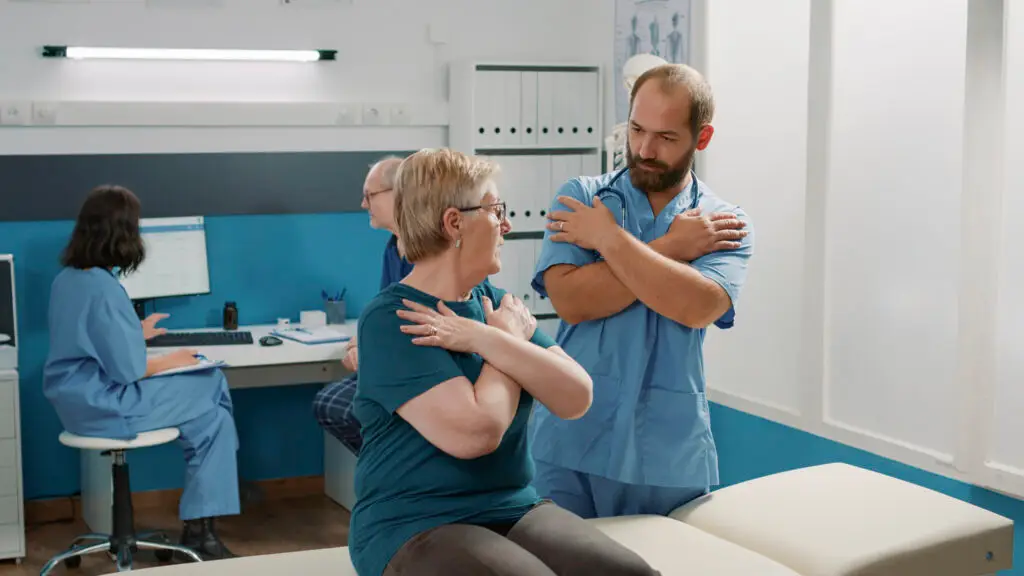
Aging does not automatically mean losing strength, balance, or independence. However, gradual changes in mobility can sometimes go unnoticed until they begin affecting everyday life. An older parent may stop taking walks, avoid stairs, hold onto furniture while moving around the house, or become hesitant about going outside. Families may dismiss these changes as “normal […]
Post-Surgery Rehabilitation at Home: What Families Need to Know
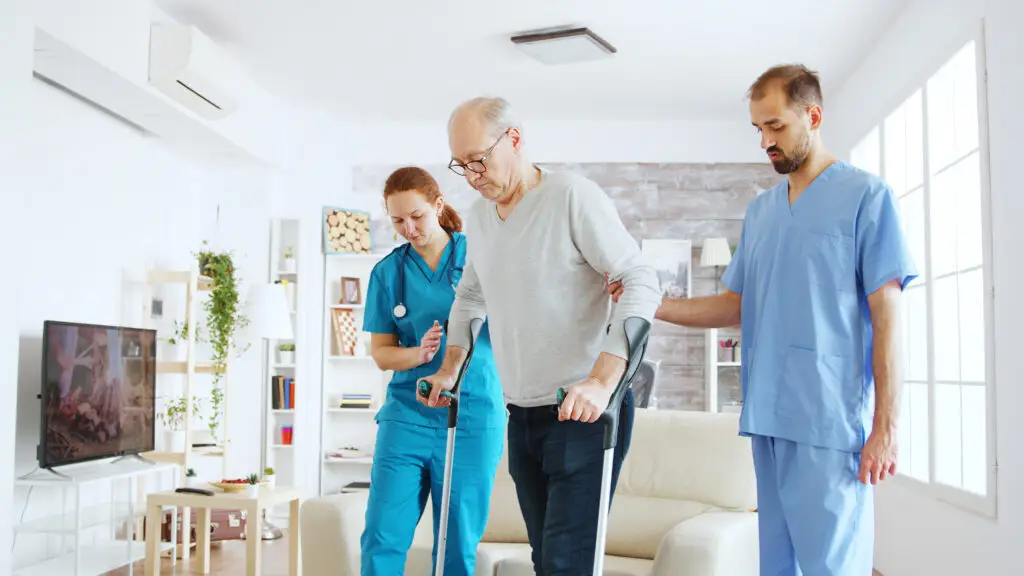
Surgery may end in the operating room, but recovery continues long after the patient returns home. The period following discharge can involve pain, weakness, restricted movement, medication schedules, wound care, dietary changes, and emotional adjustments. For families, this phase can feel overwhelming because they suddenly become an important part of the recovery process. With appropriate […]
These Tips Will Help You Care For An Elderly Loved One
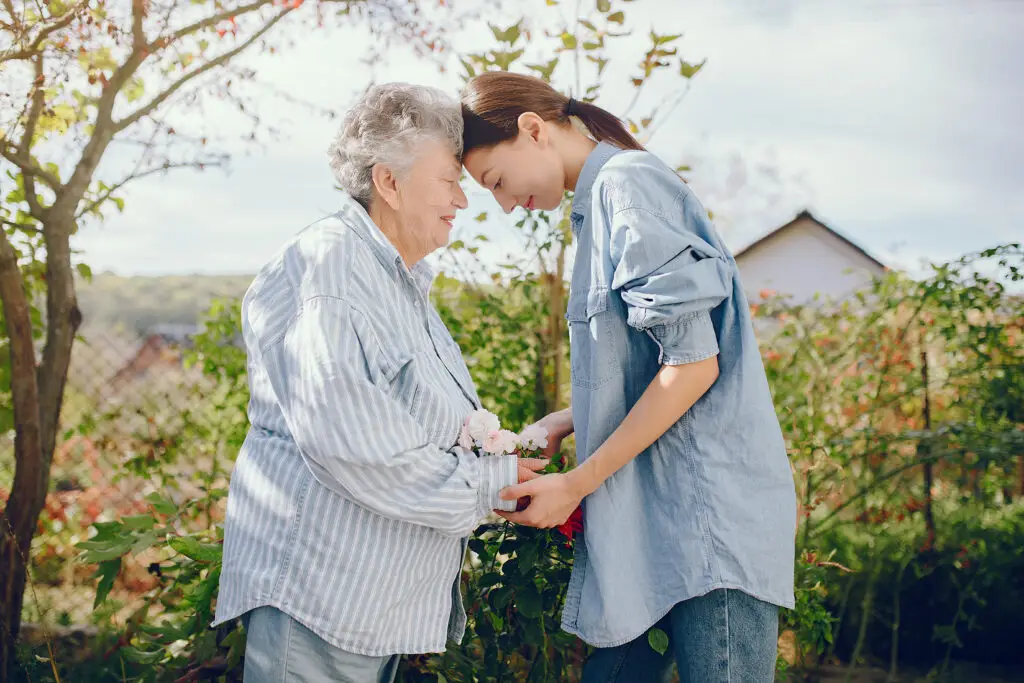
Caring for an elderly loved one is a meaningful responsibility that involves much more than helping with medicines, appointments, or household tasks. Ageing can bring changes in mobility, memory, independence, social relationships, and emotional well-being. A supportive caregiver can make these transitions easier while helping an older adult maintain dignity, choice, and a sense of […]
Fall Prevention for Elderly: Expert-Backed Exercises and Home Safety Tips
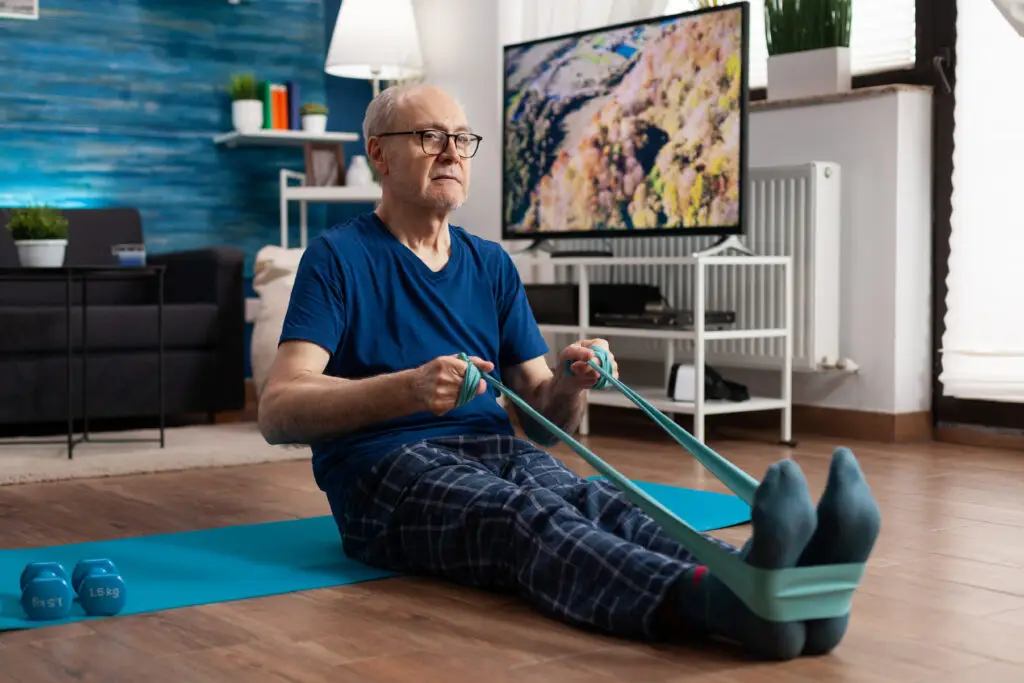
Falls are one of the most common threats to independence and quality of life in later life. They can result in fractures, head injuries, reduced mobility, hospitalisation, and fear of falling again. According to the World Health Organization (WHO), adults over 60 experience the greatest number of fatal falls, while fall prevention requires a combination […]
Elderly Services: Be a Lifeline for the Elderly
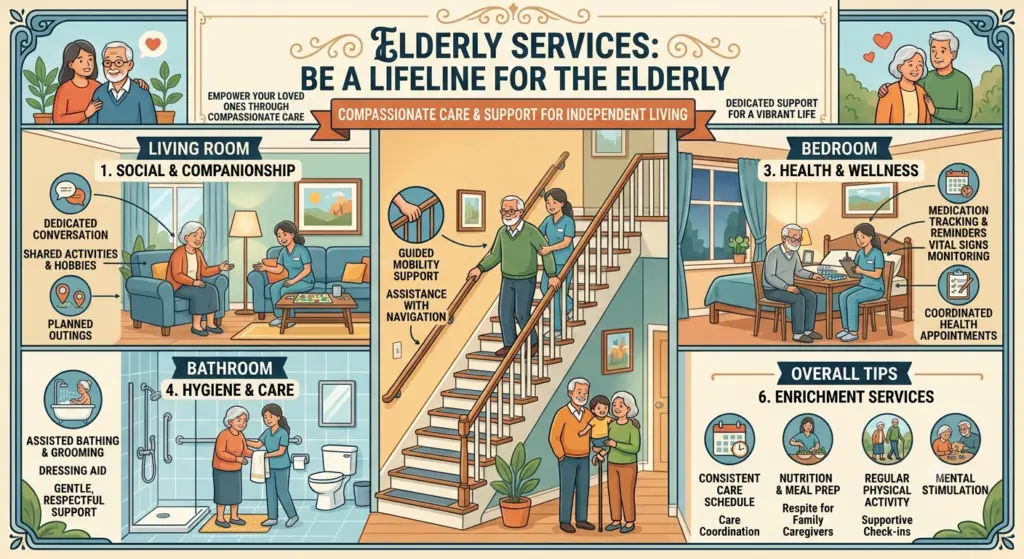
Ageing brings wisdom and meaningful memories but can also involve challenges such as retirement, health changes, reduced mobility, bereavement, financial concerns, and changing family structures. As families become more dispersed, some older adults may need additional support to remain healthy, socially connected, and independent. Elderly services can address practical, emotional, social, and healthcare needs while […]
From the desk of a home-confined senior citizen
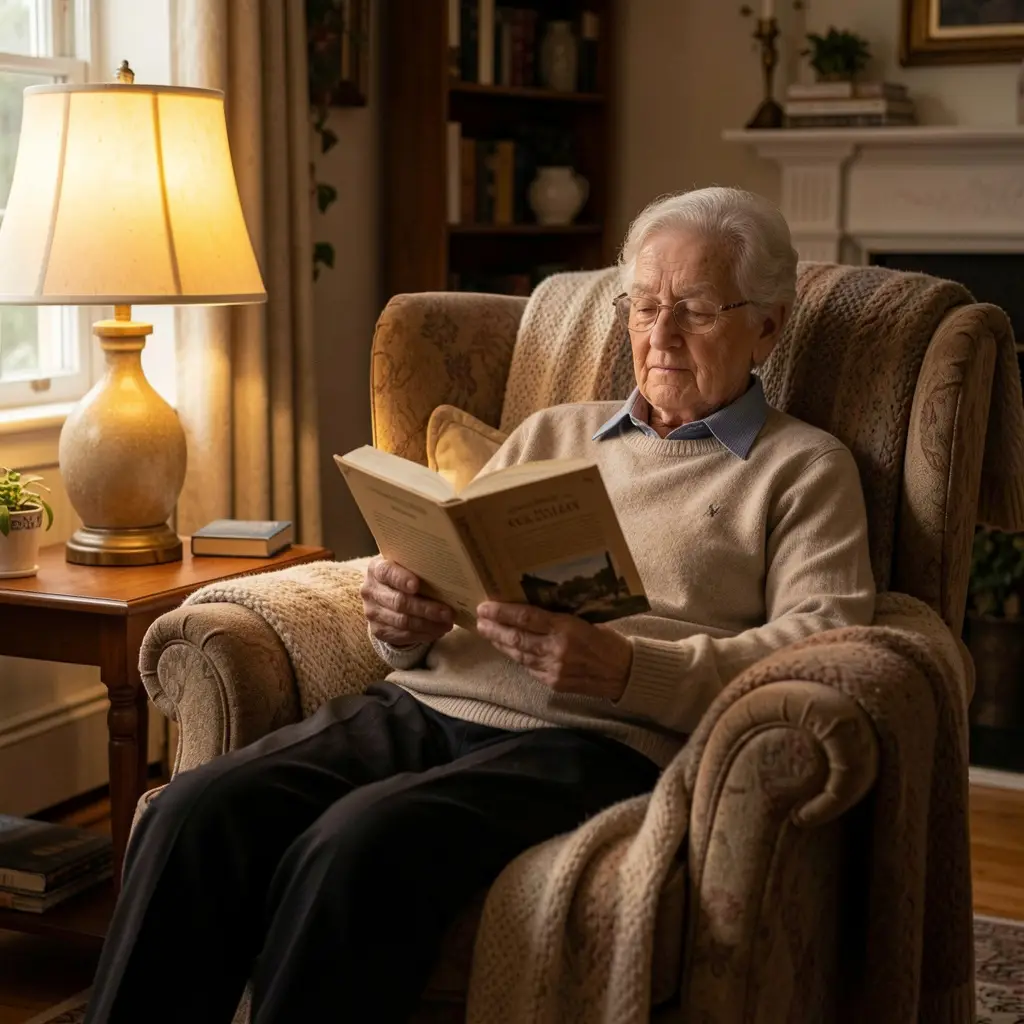
There is a particular kind of silence that settles into a home once the world outside stops asking you to show up. My knees no longer carry me down three flights of stairs, my eyes struggle with the evening traffic, and so, slowly, my world has shrunk to the four walls of this room. I […]
The Benefits of Resistance Training for Seniors
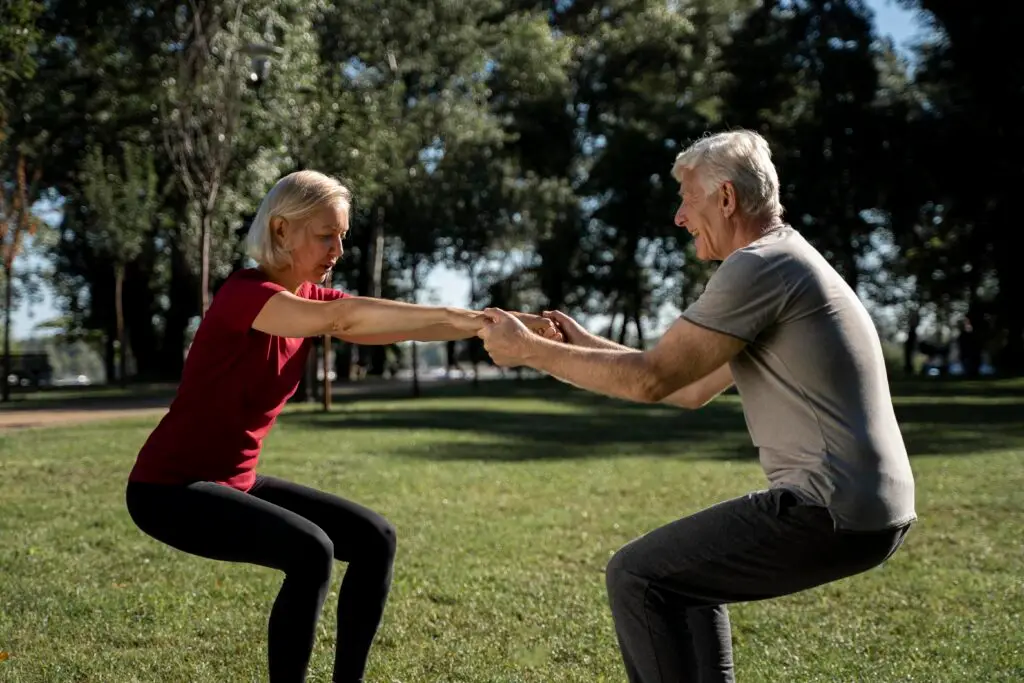
Ageing is a natural process, but growing older does not mean giving up strength, independence, or an active lifestyle. As people age, muscle mass, bone density, balance, and physical endurance can gradually decline. These changes may make everyday activities such as climbing stairs, carrying groceries, getting up from a chair, or walking outdoors more challenging. […]