
Parenting in 2026: Balancing Discipline & Emotional Support

The role of families has evolved dramatically in recent years. In 2026, raising children is no longer limited to ensuring academic success or enforcing rules at home. Parents today are navigating a world shaped by digital exposure, social media influence, changing educational expectations, emotional awareness, and growing mental health conversations. Children are becoming more expressive, […]
Aging & Economic Dependence: Impact on Mental Well-being

Growing older is a natural stage of life, but it often brings major emotional, social, and financial changes. After retirement, many older persons face decreased income, rising medical costs, and an increased need for family members for daily assistance. While financial assistance may help meet practical needs, economic dependence can deeply affect emotional well-being, self-esteem, […]
Rebuilding Social Connections in Older Adults

Growing older brings many changes to life, including retirement, health concerns, relocation, and the loss of loved ones. While aging can offer wisdom and emotional maturity, it can also create challenges in maintaining social relationships. Many older adults gradually experience reduced social interaction due to physical limitations, family responsibilities of younger generations, or changing lifestyles. […]
Is It Okay to Seek Companionship Again?

Life does not stop after heartbreak, separation, divorce, or the loss of a loved one. Yet many people hesitate to open their hearts again because of fear, guilt, or societal judgment. Seeking companionship after emotional pain is often viewed with hesitation, especially in cultures where emotional healing is expected to happen silently. However, human beings […]
Why Seniors Feel Embarrassed About Forgetting
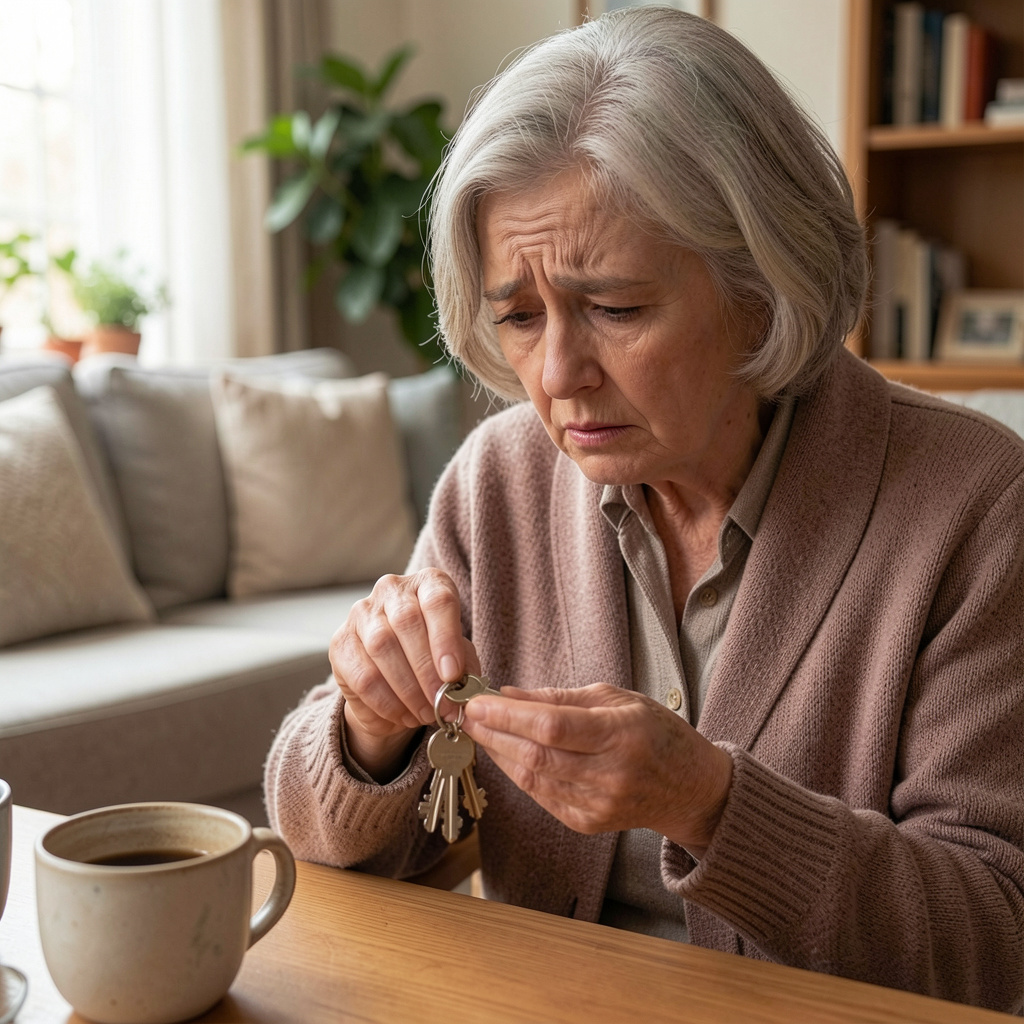
Ageing is a natural part of life, yet it often brings changes that can feel unfamiliar and unsettling. One of the most common concerns among older adults is forgetfulness—misplacing items, forgetting names, or struggling to recall recent events. While such experiences are often a normal part of aging, they can carry a deep emotional impact. […]
How Psychotic Disorders Impact Mental Health in the Elderly?

Psychotic disorders in older adults are complex mental health conditions that significantly affect emotional well-being, cognition, and daily functioning. These disorders may include schizophrenia, delusional disorder, and psychosis related to neurocognitive conditions such as dementia. In elderly individuals, psychotic symptoms—such as hallucinations and delusions—often present differently than in younger populations and may be influenced by […]
Maintaining Purpose and Meaning in Senior Years

Aging is a natural and meaningful phase of life that brings both opportunities and challenges. While it is often associated with retirement, physical changes, and shifting social roles, it can also be a time for reflection, growth, and fulfilment. Maintaining a sense of purpose during the senior years is essential for emotional well-being, mental health, […]