
Knee Pain in Elderly: Causes, Exercises, and When to See a Physiotherapist
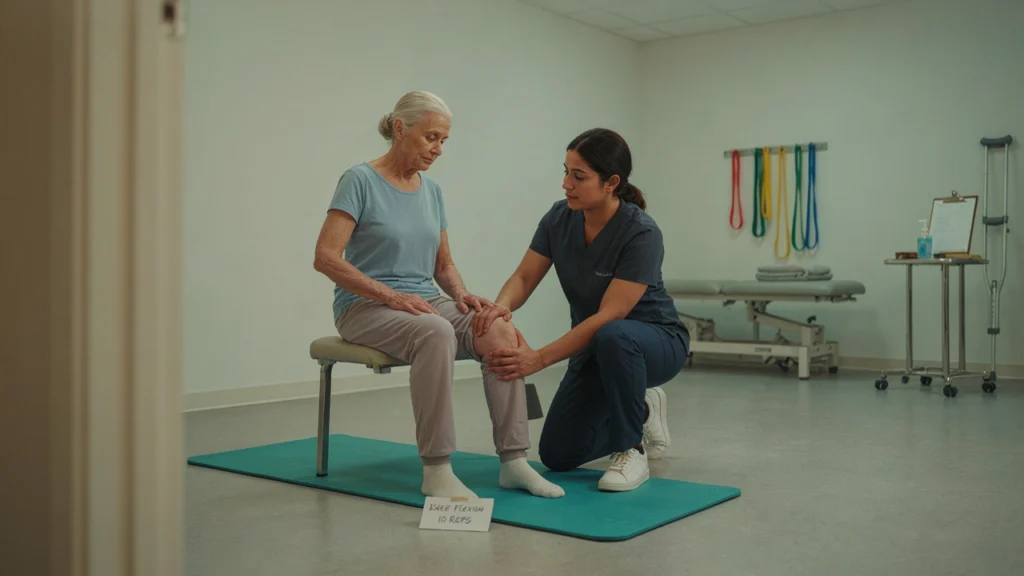
Knee pain is a common concern among older adults and can significantly affect everyday life. Simple activities such as walking, climbing stairs, standing from a chair, or going outside can become difficult when knee pain or stiffness increases. Although some knee discomfort can be associated with normal aging, persistent or severe pain should not simply […]
Lessons from a Long Life: Everyday Habits That Support Healthy Aging
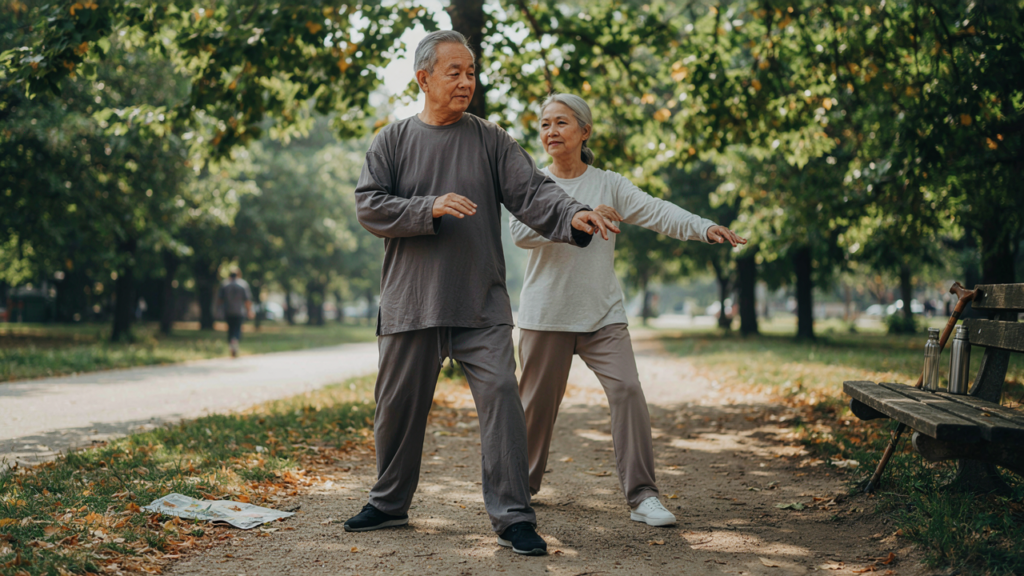
Have you ever wondered why some people seem to grow older with ease, staying sharp, active, and content well into their 80s and beyond? The answer usually isn’t luck or genetics alone. It’s a set of small, consistent habits practiced over decades. This blog explores the everyday routines that genuinely support healthy aging, from caring […]
Travel to Heal: The Growing Journey Toward Wellness and Renewal
Wellness travel encourages people to view journeys as opportunities for restoration, reflection, and personal growth. A change of environment can help individuals reconnect with nature, relationships, and healthier habits. It does not require expensive or distant trips; even an intentional journey can support physical, emotional, social, and psychological well-being. Understanding the Connection Between Travel and […]
Healing Beyond Home: How Wellness Travel Is Transforming Self-Care
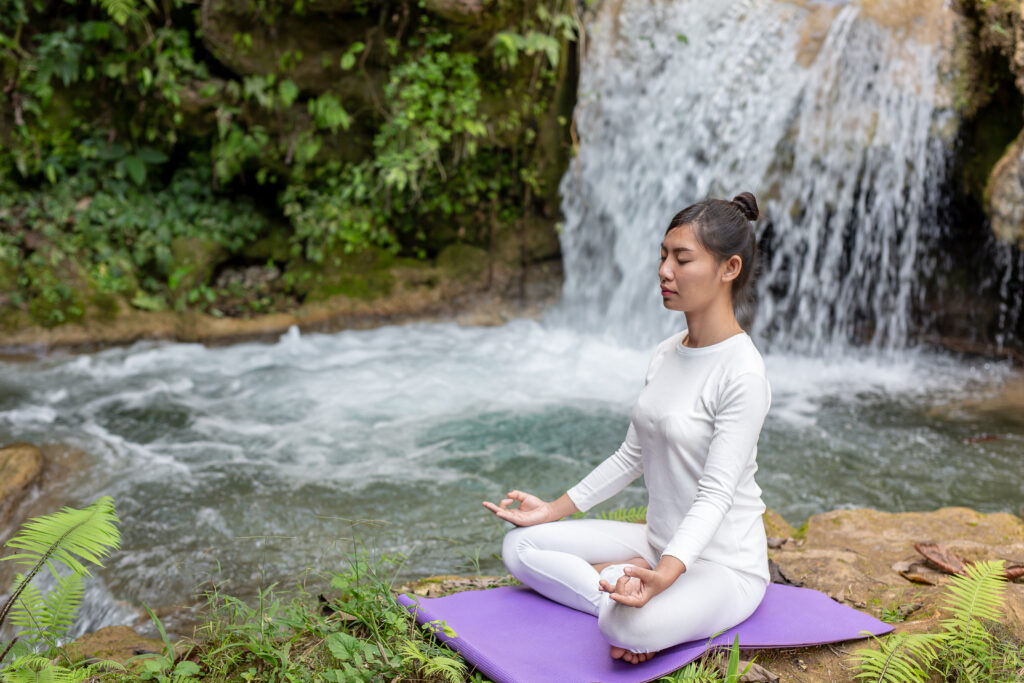
For many people, travel has traditionally been associated with sightseeing, adventure, food, and relaxation. Today, however, the meaning of travel is changing. Increasingly, people are travelling not simply to visit a destination but to reconnect with themselves, reduce stress, improve their well-being, and return home feeling refreshed. This growing approach is often described as wellness […]
Healing with Nature: Simple Sustainable Habits for Everyday Well-Being
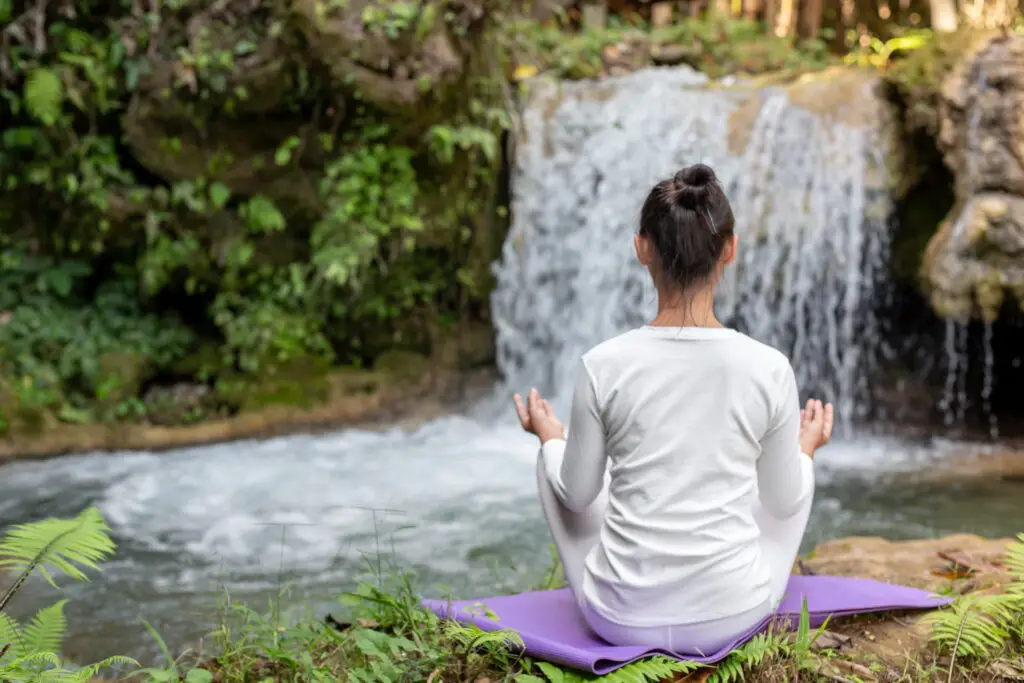
There is a particular kind of relief that comes from stepping outside — the sound of birds instead of notifications, the smell of wet earth after rain, the sight of a tree that has stood in the same spot for decades. In a world that runs on screens and deadlines, nature is quietly one of […]
Seven Warnings Your Older Parent May Need Expert Physical Therapy
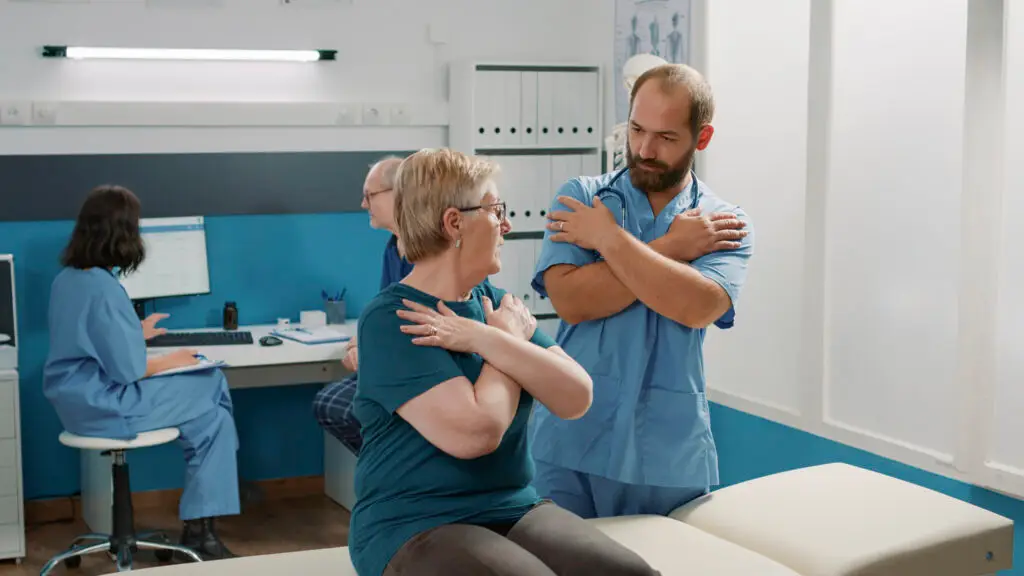
Aging does not automatically mean losing strength, balance, or independence. However, gradual changes in mobility can sometimes go unnoticed until they begin affecting everyday life. An older parent may stop taking walks, avoid stairs, hold onto furniture while moving around the house, or become hesitant about going outside. Families may dismiss these changes as “normal […]
Fall Prevention for Elderly: Expert-Backed Exercises and Home Safety Tips
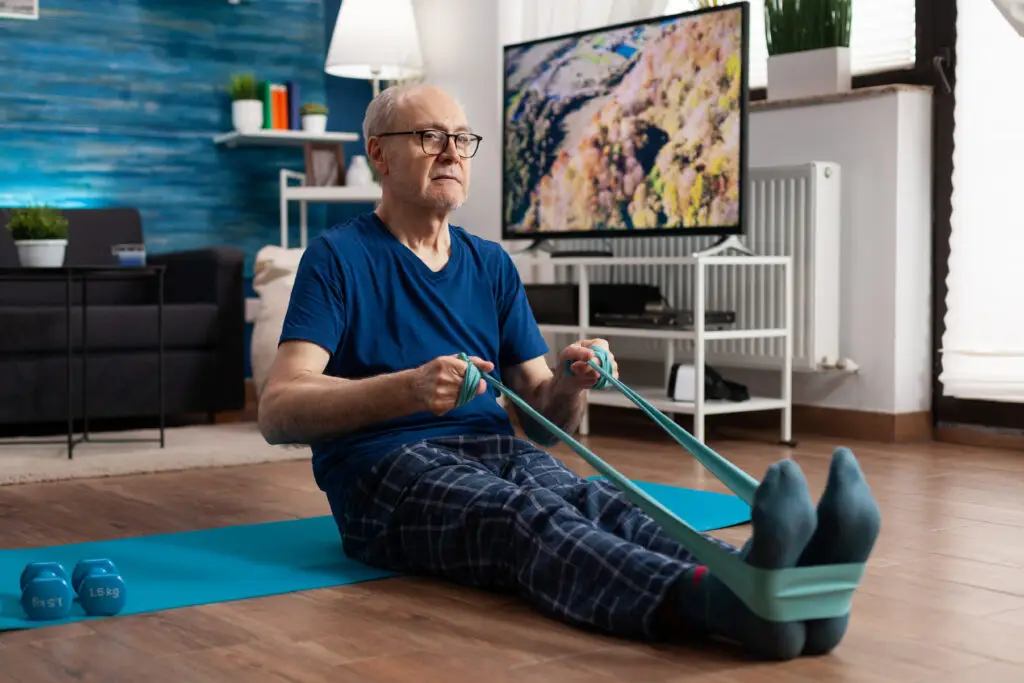
Falls are one of the most common threats to independence and quality of life in later life. They can result in fractures, head injuries, reduced mobility, hospitalisation, and fear of falling again. According to the World Health Organization (WHO), adults over 60 experience the greatest number of fatal falls, while fall prevention requires a combination […]
Elderly Services: Be a Lifeline for the Elderly
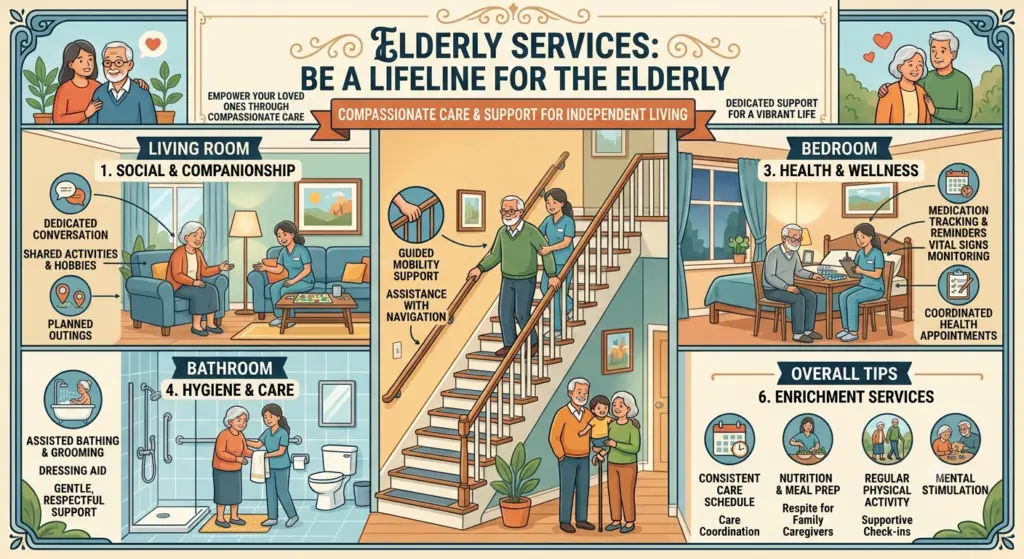
Ageing brings wisdom and meaningful memories but can also involve challenges such as retirement, health changes, reduced mobility, bereavement, financial concerns, and changing family structures. As families become more dispersed, some older adults may need additional support to remain healthy, socially connected, and independent. Elderly services can address practical, emotional, social, and healthcare needs while […]
Mental Wellness for Seniors: How Physical Activity Fights Depression and Loneliness
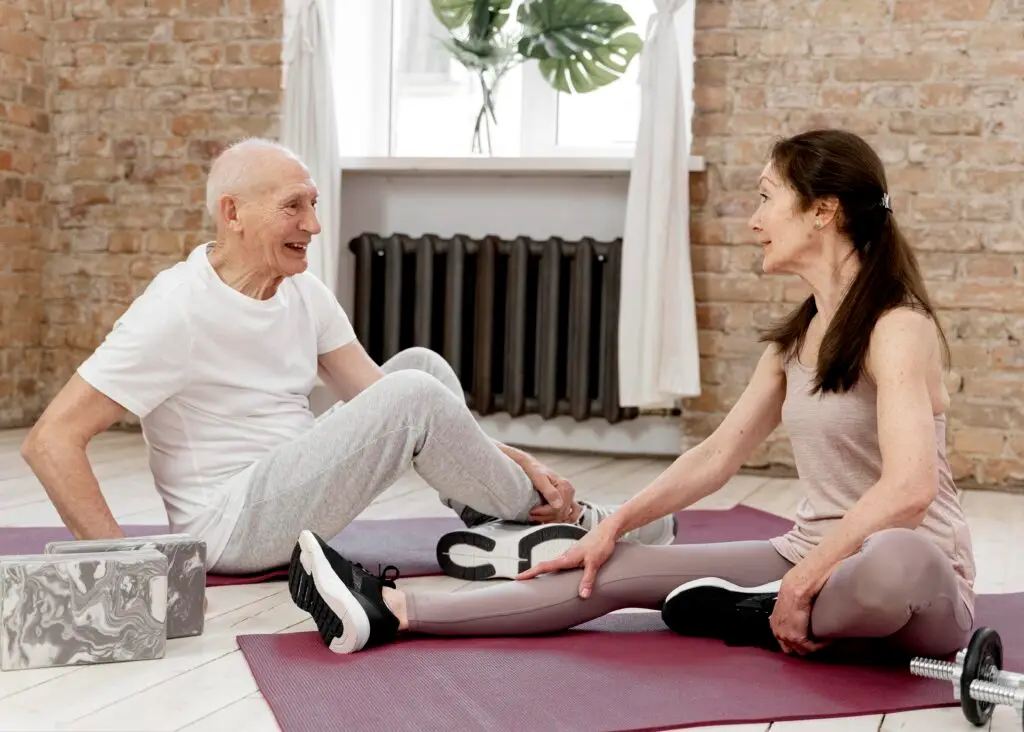
Ageing is often described as a season of slowing down. What is rarely spoken about, however, is how much this slowing down can weigh on the mind. For many seniors, retirement, the loss of a spouse, shrinking social circles, or simply the natural decline of the body can quietly give way to low motivation — […]
The Benefits of Resistance Training for Seniors
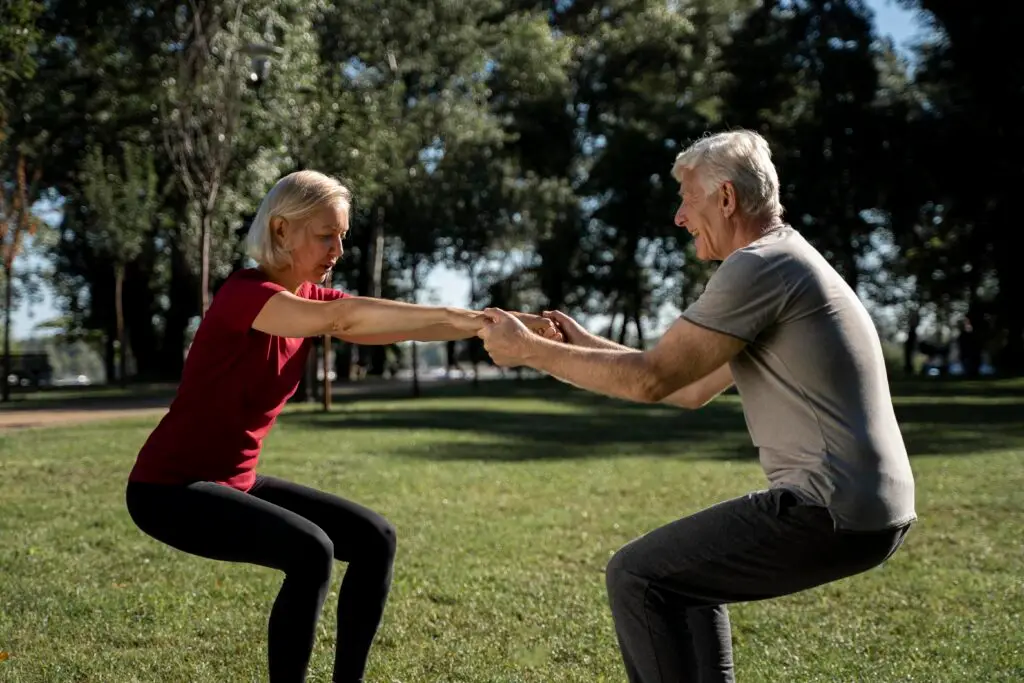
Ageing is a natural process, but growing older does not mean giving up strength, independence, or an active lifestyle. As people age, muscle mass, bone density, balance, and physical endurance can gradually decline. These changes may make everyday activities such as climbing stairs, carrying groceries, getting up from a chair, or walking outdoors more challenging. […]