
Promoting Active Aging Through Occupational Therapy
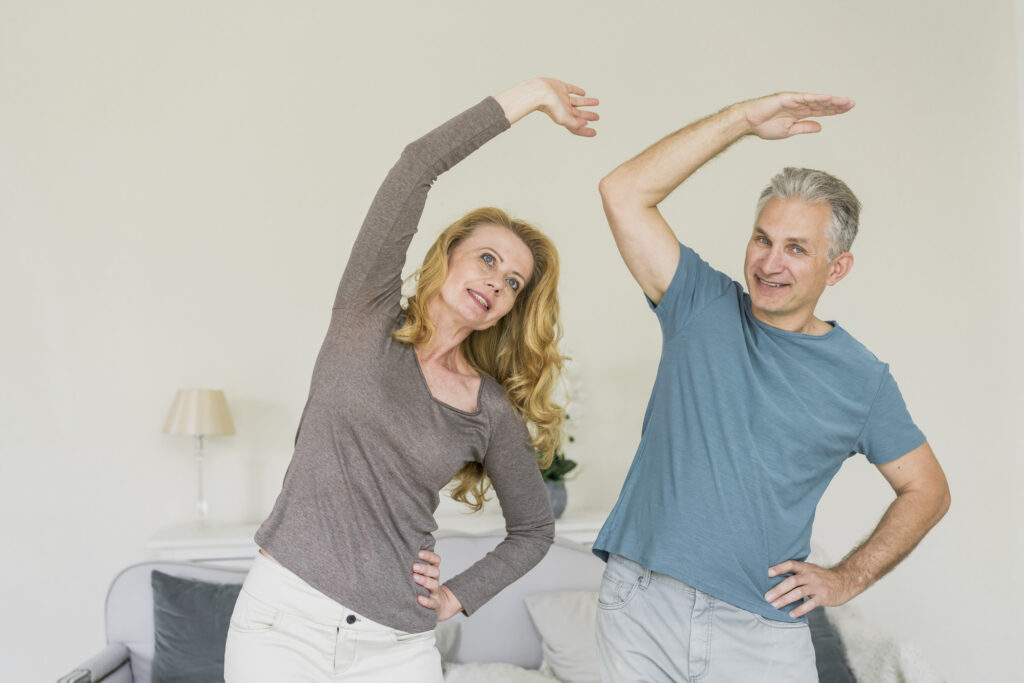
Aging is an inevitable part of life, but how individuals experience aging can vary widely. Active aging focuses on enabling older adults to live healthier, more engaged, and more fulfilling lives as they grow older. Rather than viewing aging solely through the lens of decline, active aging emphasizes participation, autonomy, and purpose. Occupational therapy plays […]
Caregiver Training in Geriatric Occupational Therapy
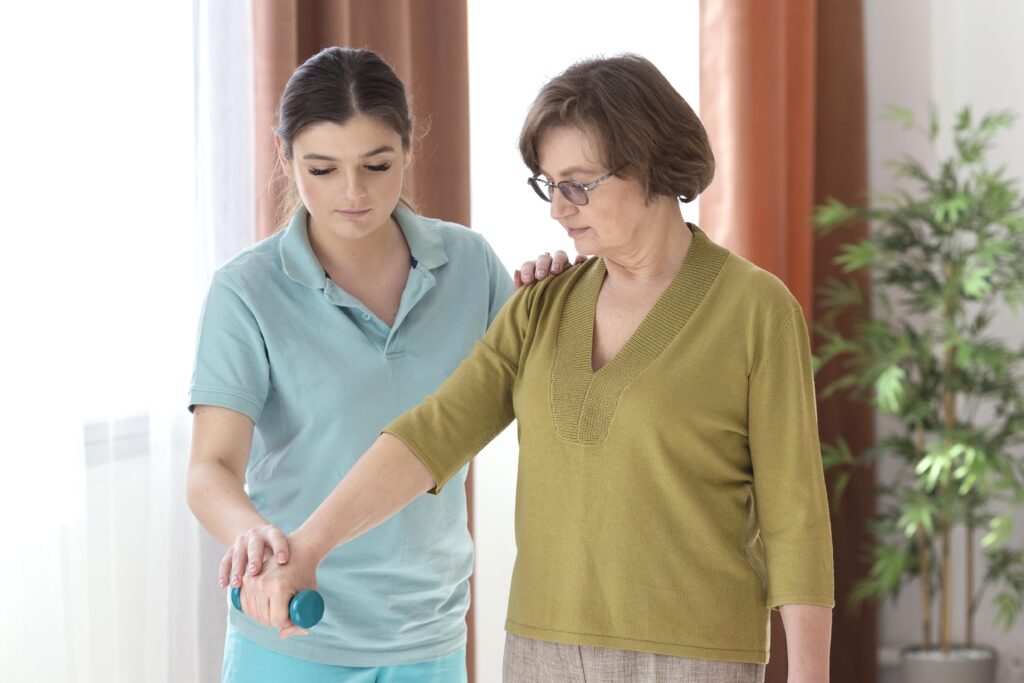
The rate at which the world’s population is aging is unparalleled. As life expectancy increases, so does the need for specialized care that supports not only physical health but also emotional well-being and independence. Caregiver training in geriatric occupational therapy (OT) plays a vital role in enhancing the quality of life for older adults by […]
Occupational Therapy in Long-Term Elderly Care Settings
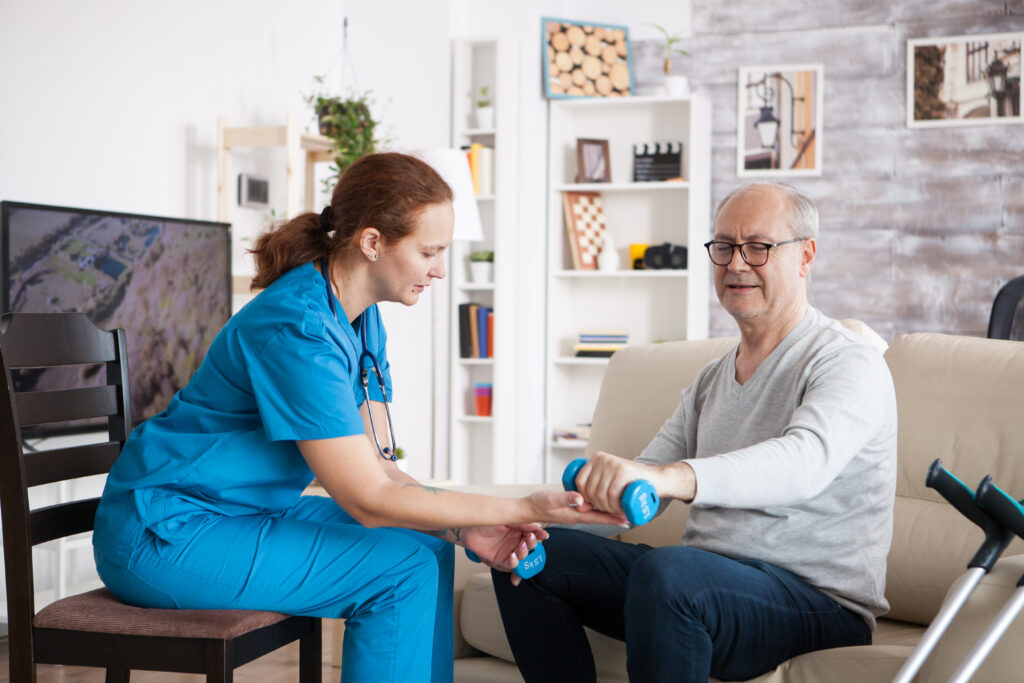
As populations age globally, the demand for long-term elderly care continues to rise. Older adults living with chronic illnesses, physical limitations, cognitive decline, or reduced independence often require sustained support that goes beyond medical treatment. In these settings, occupational therapy plays a vital role in enhancing quality of life, preserving dignity, and promoting functional independence. […]
The Experience of Being Old: Aging from Within
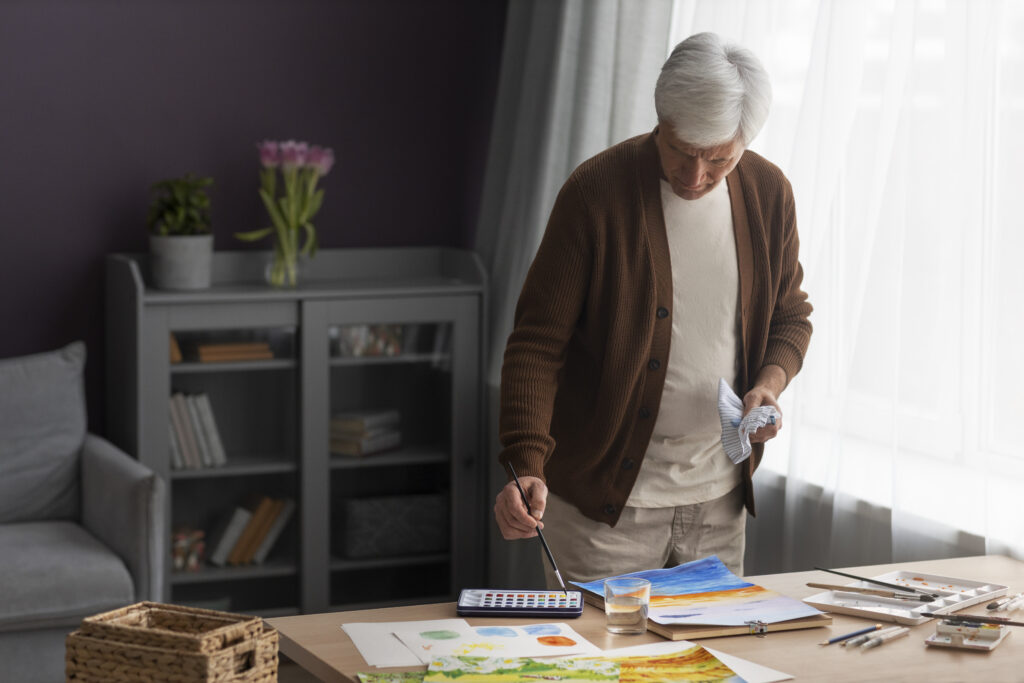
Aging is often described in terms of numbers, diagnoses, or visible changes. Yet the true experience of being old is far more intimate and inward. It is shaped by memory, emotion, identity, and reflection. To understand aging from within is to look beyond physical decline and recognize the emotional and psychological realities that define later […]
Living Fully in Later Adulthood: Well-Being After 60
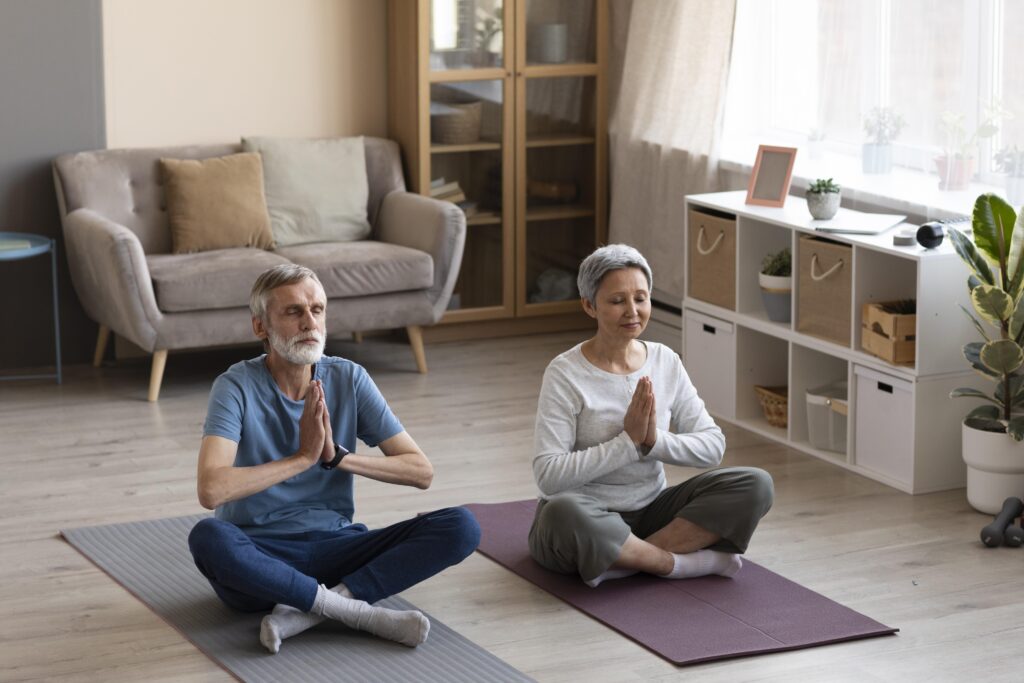
Crossing the age of 60 is often viewed as the beginning of slowing down, but for many individuals, it can also mark a period of rediscovery, freedom, and renewed purpose. Later adulthood brings changes in routine, physical health, and social roles, yet it also offers opportunities for reflection, personal growth, and meaningful engagement. Living fully […]
Fear of Dependency: The Psychology Behind Aging Anxiety

Aging is a natural and inevitable part of life, yet for many individuals, the thought of growing older brings an underlying fear that is rarely discussed openly, the fear of becoming dependent on others. This anxiety is not only about physical health decline; it is deeply connected to identity, dignity, control, and self-worth. The possibility […]
Aging Without a Manual: Navigating Life Transitions After Sixty
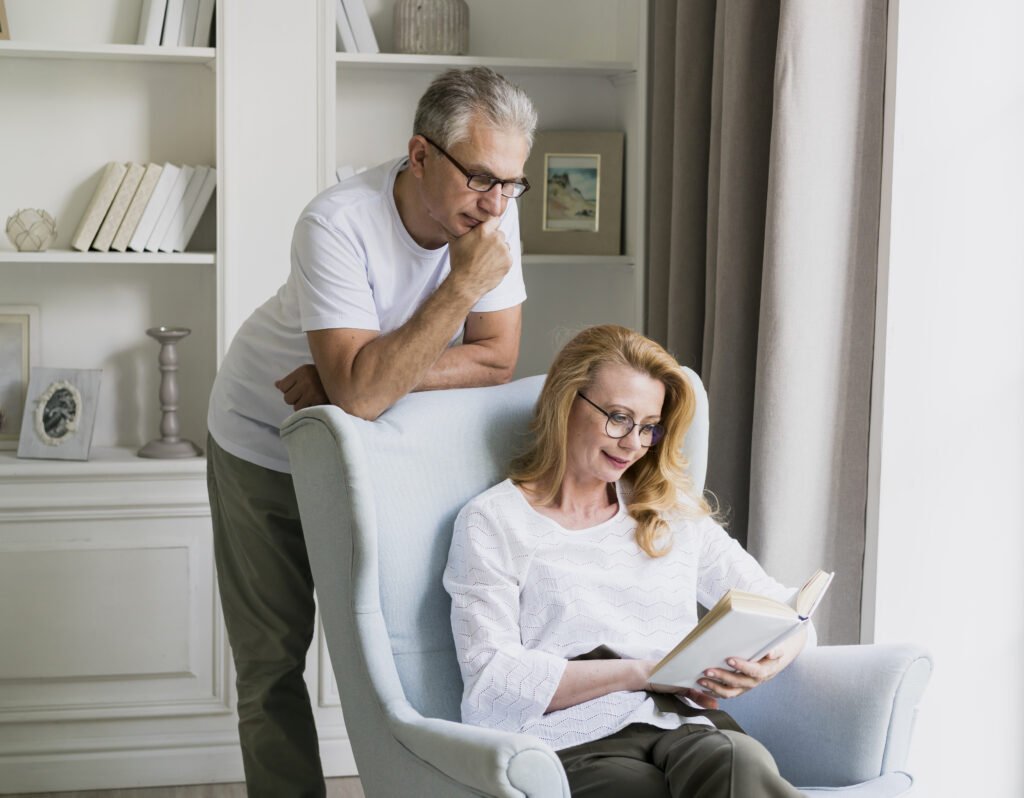
The transition into the seventh decade of life is one of the most profound stages of aging, yet it is also the one most people are least prepared for. While society offers clear guidance for youth—building careers, raising families, and measuring success—there is little conversation about how to age with meaning after sixty. Aging is […]
Men & Ageing: Breaking the Silence Around Emotional Health
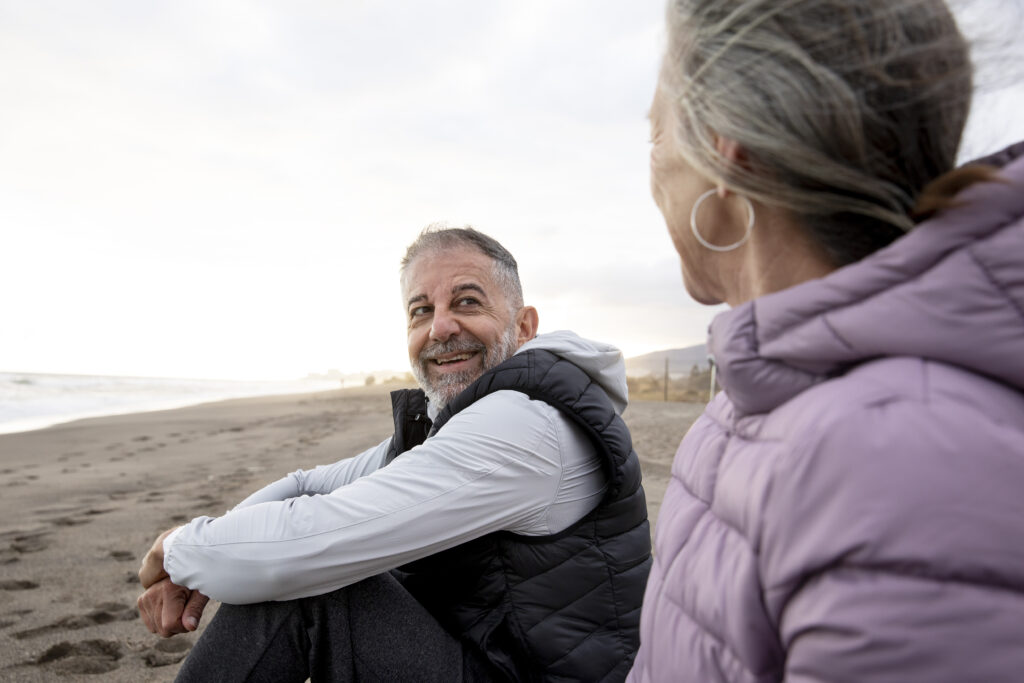
As men cross the threshold of ageing, they often encounter a quiet, internal battle that society rarely prepares them for. While the conversation around ageing frequently centres on the decline of physical vigour—the creaking joints, the slowing pace, or changes in heart health—the emotional and psychological transformation is often shrouded in a “culture of silence.” […]
Redefining Independence in Later Life
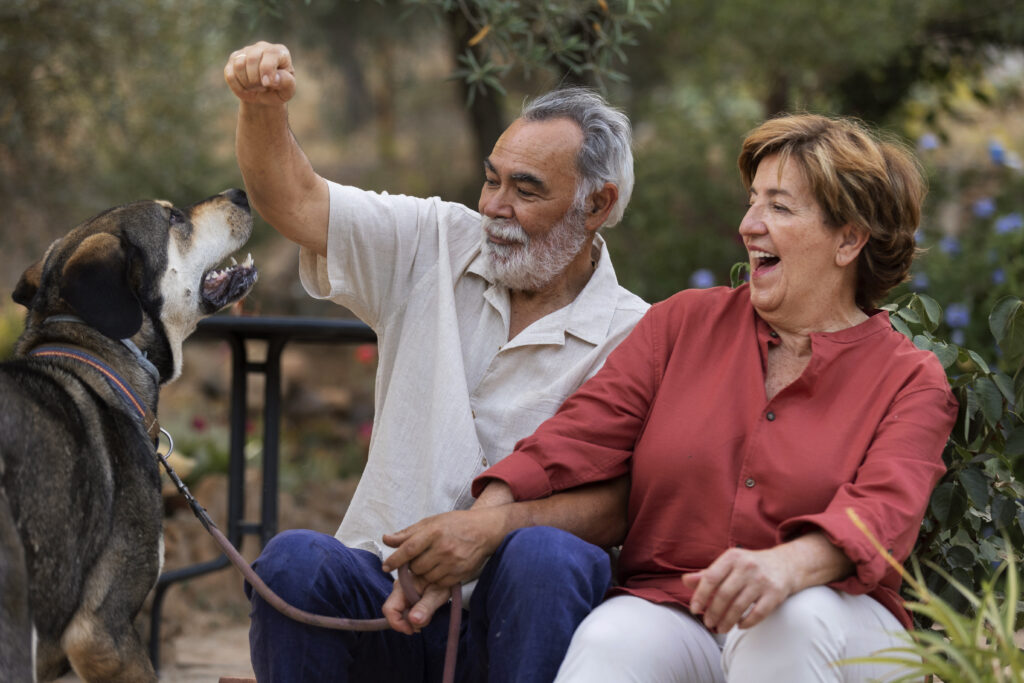
Independence is often associated with youth, productivity, and physical strength. In later life, however, independence takes on a deeper and more nuanced meaning. Aging brings changes in health, mobility, roles, and relationships, yet it does not erase a person’s desire for autonomy, dignity, and purpose. Redefining independence in later life requires shifting perspectives from doing […]
When Silence Speaks: Emotional Withdrawal in Elderly

Ageing is often accompanied by visible changes, slower movement, health concerns, or retirement from active roles. Yet one of the most overlooked changes in later life is emotional withdrawal. Many elderly adults gradually become quieter, less expressive, and more socially distant. This silence is frequently misunderstood as contentment or a natural part of ageing, when […]