
The Growing Need for Geriatric Mental Health Services
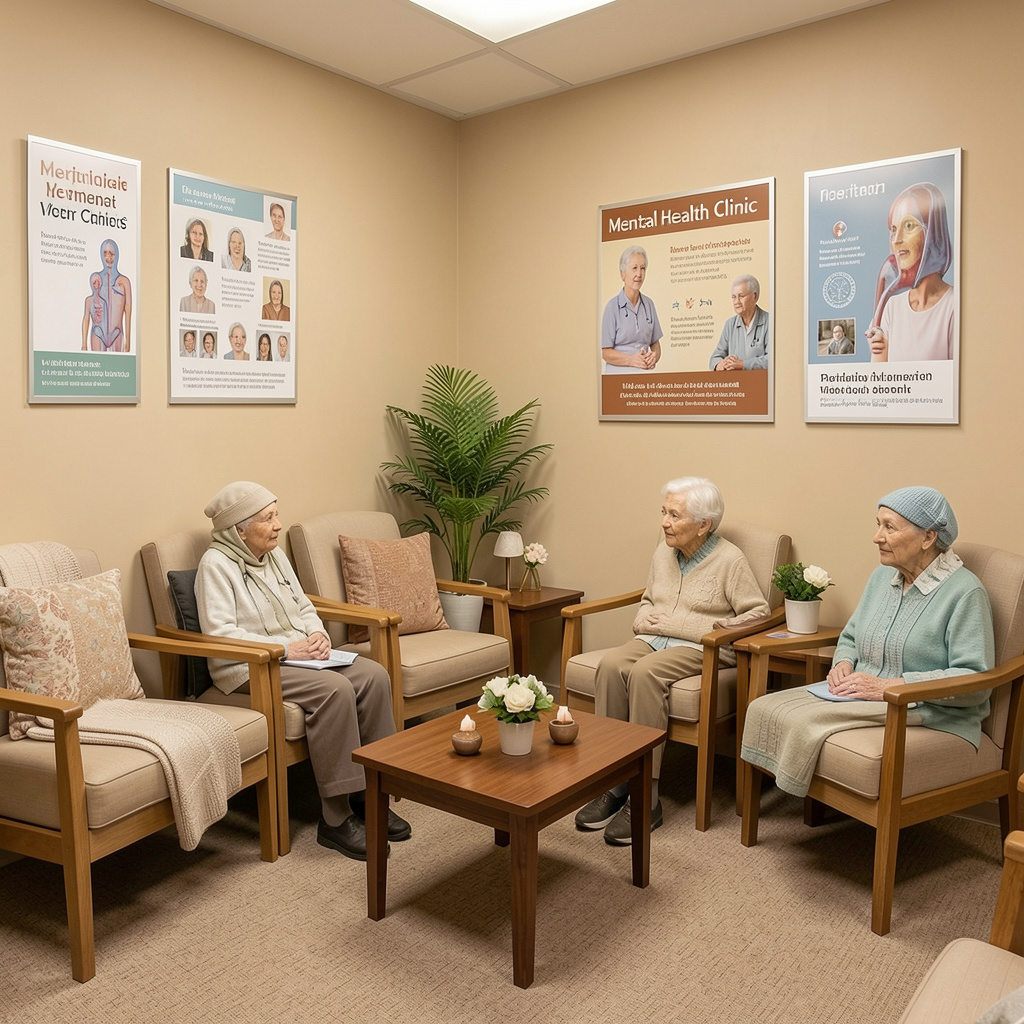
India is undergoing a silent demographic shift. With improved healthcare and increased life expectancy, the population of older adults is expanding rapidly. While this is a positive sign of development, it also brings new challenges, particularly in the area of mental health. Geriatric mental health services are no longer optional; they are essential for ensuring […]
Technology and Aging: The Cost of Being Left Behind

In today’s fast-paced digital world, technology is deeply woven into the fabric of everyday life. From online banking and telemedicine to social media and e-governance, digital tools are transforming how we live, communicate, and access services. While these advancements bring convenience and efficiency, they also highlight a growing concern about the widening digital divide between […]
Moving in With Family vs. Living Independently

The decision to move in with family or live independently is one of the most significant choices individuals make at different stages of life. Whether you are a student, a working professional, or someone navigating life transitions, your living arrangement can greatly influence your emotional well-being, financial stability, and personal development. As awareness around psychological […]
Dementia at the Doorstep

As life expectancy continues to rise, societies across the globe are witnessing a steady increase in age-related conditions. Among them, dementia stands out as one of the most challenging and emotionally complex disorders. Often described as a silent intruder, dementia does not just affect memory; it gradually alters personality, behavior, and the ability to function […]
When Money Means Control: Mental Health in Financially Dependent Seniors

Aging is often associated with wisdom, dignity, and life experience. Yet, for many older adults, especially those who become financially dependent on others, this phase of life can also bring vulnerability and emotional strain. When financial dependence turns into control, it can deeply affect a senior’s mental health, sense of autonomy, and overall quality of […]
Issues That Elderly Homes Come Across

The rising aging population across the world, especially in countries like India, has led to an increased demand for elderly care homes. These institutions play a crucial role in providing shelter, medical care, and emotional support to senior citizens who may not have family support or require specialized care. While elderly homes aim to ensure […]
Depression and Anxiety After Losing a Spouse

The loss of a spouse is one of the most profound and life-altering experiences an individual can face. It disrupts not only emotional stability but also daily routines, identity, and future expectations. The absence of a life partner often creates a deep void that cannot be easily filled, leaving individuals struggling to make sense of […]
Digital Divide & the Elderly: Impact on Mental Health

In today’s rapidly advancing digital era, technology has become an essential part of everyday life. From accessing healthcare services and financial transactions to maintaining social connections, digital tools are deeply embedded in modern living. However, not everyone benefits equally from this transformation. The elderly population, in particular, often faces challenges in adapting to digital platforms, […]
Health Concerns and Self-Care in Old Age

Aging is a natural and inevitable part of life, bringing with it both wisdom and new challenges. As individuals grow older, they often face a variety of physical, emotional, and social changes that can impact their overall well-being. Understanding common health concerns in old age and adopting effective self-care strategies is essential to ensure a […]
Exercise & Cognitive Function: Protecting the Brain

The human brain thrives on movement. Physical activity is not only essential for maintaining bodily health but also plays a critical role in preserving and enhancing cognitive function. In today’s fast-paced yet increasingly sedentary world, many people spend long hours sitting—whether at desks, in front of screens, or during commutes. This lack of movement has […]