
How Can Parents and Teachers Be Trained to Spot Early Distress?

A child who was chatty last term now eats lunch alone. A teenager’s grades slip, and a shrug replaces answers. Most adults notice something is off, yet few know whether it is a phase or a warning. Early distress is easy to miss, and quiet children are the easiest to overlook. The good news is […]
Growing a Greener Future: Why Every Tree Makes a Difference
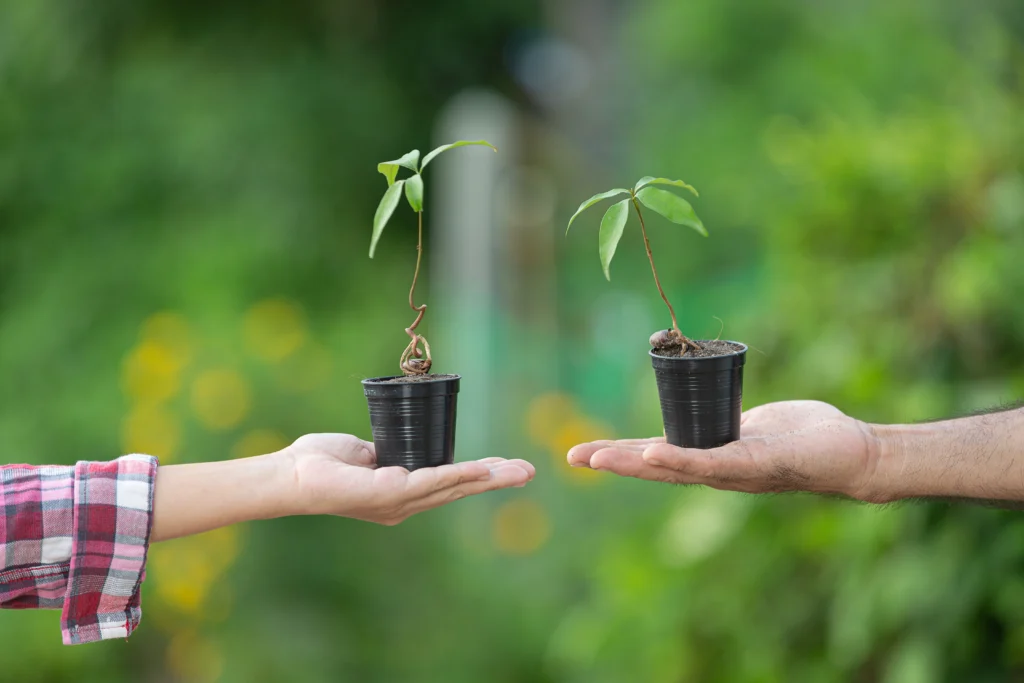
A tree may appear to be a simple part of the landscape quietly standing beside a road, growing in a school courtyard, or providing shade in a neighbourhood park. Yet behind that simplicity lies an extraordinary network of benefits. Trees influence air quality, temperature, biodiversity, water systems, community life, and even our emotional well-being. In […]
Fall Prevention for Elderly: Expert-Backed Exercises and Home Safety Tips

Falls are one of the most common threats to independence and quality of life in later life. They can result in fractures, head injuries, reduced mobility, hospitalisation, and fear of falling again. According to the World Health Organization (WHO), adults over 60 experience the greatest number of fatal falls, while fall prevention requires a combination […]
Why Older Adults Hide Feelings & How Families Can Help

Communication is essential for healthy relationships, yet many older adults become less expressive about their emotions and needs. This silence may sometimes reflect deeper emotional challenges. When seniors stop sharing their feelings, they may experience increased loneliness and emotional disconnection, highlighting the need for a supportive environment where they feel heard and valued. Why Older […]
Creating an Age-Friendly Home for Independence & Well-Being
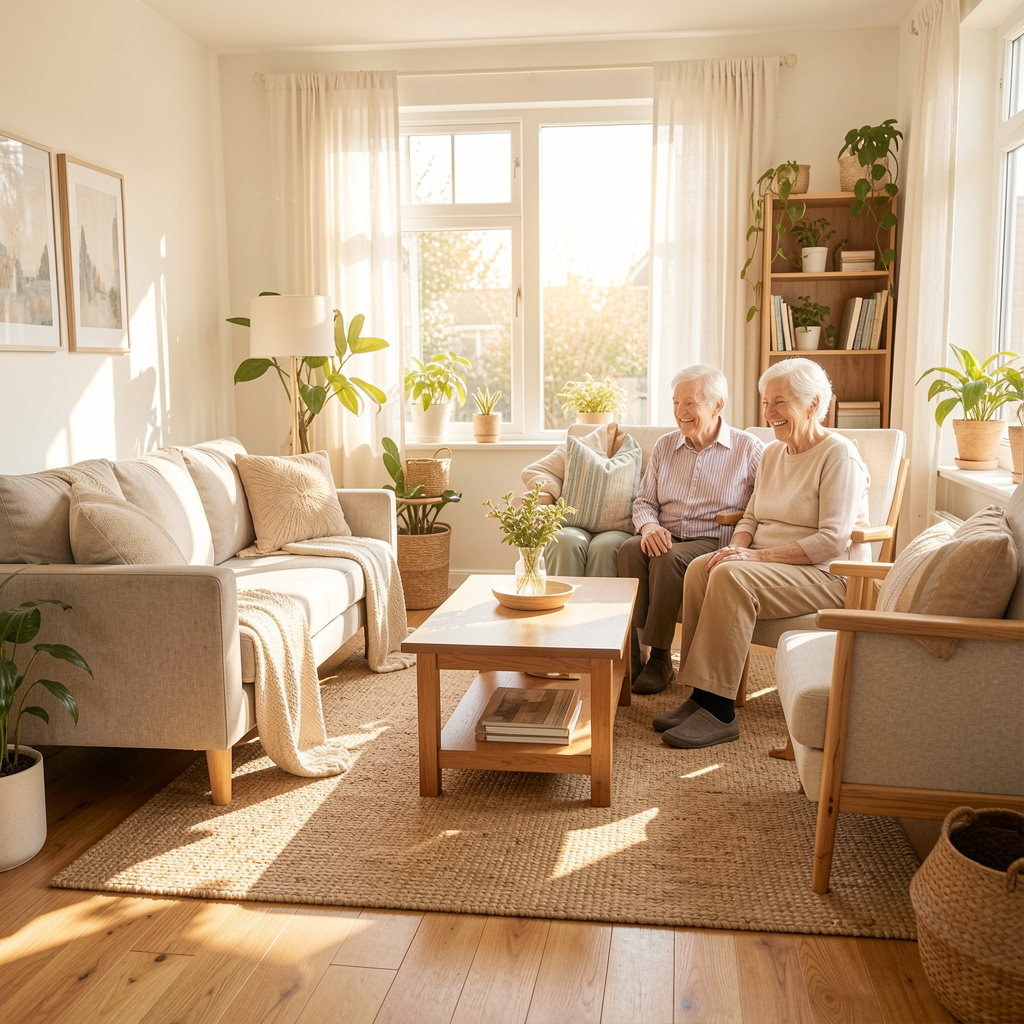
As people grow older, their homes become more than just living spaces; they become environments that influence safety, comfort, independence, and emotional health. An age-friendly home is designed to support changing physical, cognitive, and emotional needs while allowing older adults to maintain dignity and control over their daily lives. With thoughtful modifications and a supportive […]
Caregiver Stress: How Families Can Support Without Burning Out

Caring for a loved one is one of the most meaningful expressions of compassion and commitment. Whether supporting an aging parent, a spouse with a chronic illness, or a family member recovering from a medical or psychological condition, caregiving often becomes an integral part of daily life. While caregiving can foster deeper emotional bonds and […]
Frontotemporal Dementia vs. Vascular Dementia: Understanding the Differences

Dementia is a broad term used to describe a decline in cognitive abilities severe enough to interfere with daily life. While Alzheimer’s disease is the most recognized form, Frontotemporal Dementia (FTD) and Vascular Dementia (VaD) are two distinct types that differ in their causes, symptoms, progression, and treatment approaches. Understanding these differences is essential for […]
Bridging the Generation Gap in Modern Families
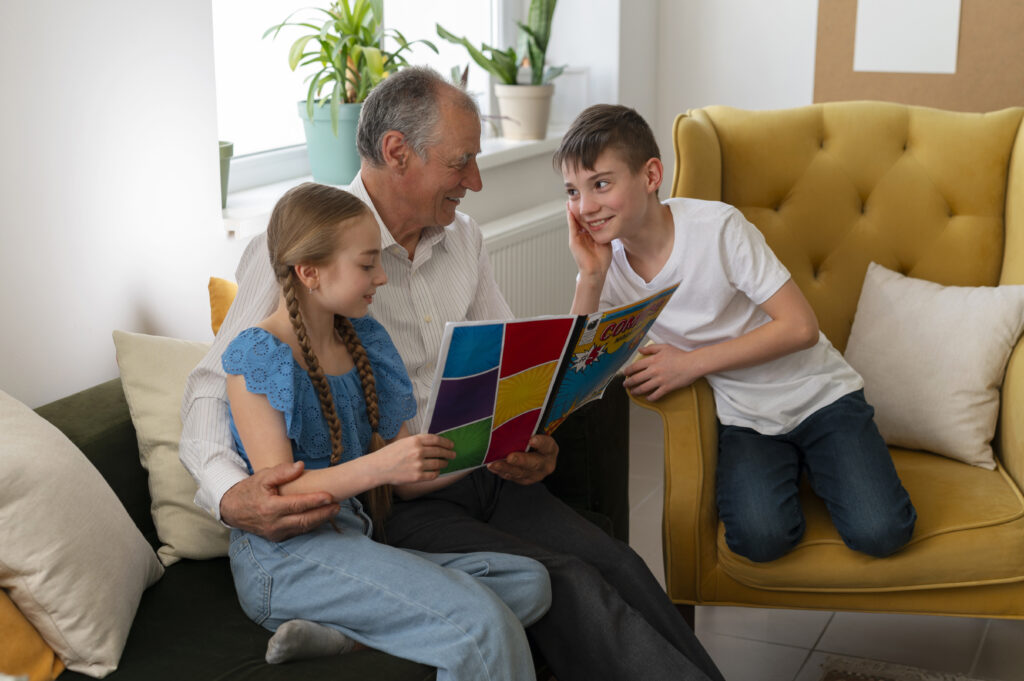
Families has its own traditions, values, and ways of communicating. However, as societies evolve rapidly due to technological advancements, changing lifestyles, globalization, and shifting cultural expectations, differences between generations have become more noticeable than ever. Grandparents, parents, and children often grow up in entirely different social environments, shaping unique perspectives on work, education, communication, and […]
How to Recognize & Manage Sundowning in People with Dementia

Memory, reasoning, conduct, and the capacity to carry out daily chores are all impacted by dementia, a degenerative illness. Among the many challenges associated with dementia, sundowning is one of the most distressing for both older adults and their caregivers. Sundowning refers to a pattern of increased confusion, anxiety, agitation, or restlessness that typically occurs […]
How Different Generations View Aging & Older Adults

As everyone experiences aging, different generations have quite different perspectives on the process. Every generation is shaped by its social environment, cultural values, technological advancements, economic conditions, and life experiences. As a result, older adults are viewed differently by Baby Boomers, Generation X, Millennials, and Generation Z. These differing perspectives influence family relationships, workplace policies, […]