
Psychological Impact of Divorce After 50 or 60

Divorce at any stage of life is challenging, but experiencing it after decades of marriage can be particularly complex. Often referred to as “gray divorce,” this transition involves not just the end of a relationship but also the restructuring of identity, lifestyle, and future expectations. For individuals in their 50s or 60s, divorce can disrupt […]
Understanding Grief in Old Age: Losing a Life Partner
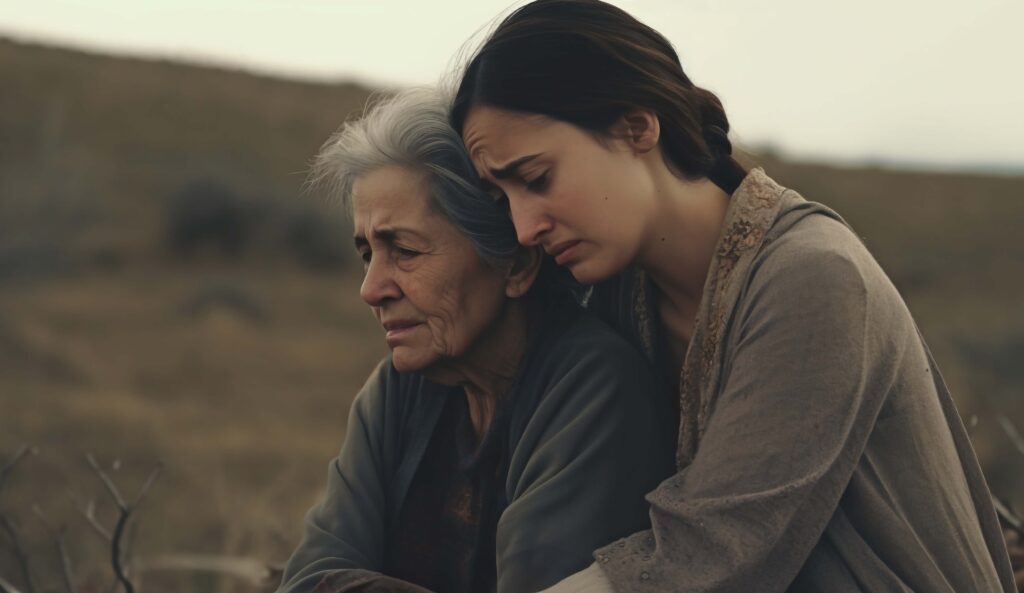
Grief is a deeply personal and universal experience, yet its intensity and complexity can vary significantly across different stages of life. In old age, the loss of a life partner is often one of the most profound and life-altering events an individual can face. After decades of shared memories, routines, and emotional interdependence, the absence […]
Why Loneliness Feels Stronger in Old Age

Loneliness in older adulthood is often misunderstood as simply being alone. In reality, it is a deeper emotional experience shaped by loss, change, and shifting social roles. Many older adults may be surrounded by people and still feel a sense of disconnection that is difficult to explain. As life slows down and familiar routines change, […]
Financial Stress & Dependency Issues in Old Age Marriage

A marriage in later life often carries a different emotional and practical meaning compared to earlier years. After decades of shared responsibilities, raising children, and managing careers, couples enter a phase where retirement, health concerns, and financial limitations reshape their daily lives. While this stage can bring companionship and stability, it can also introduce significant […]
Preventing Falls & Maintaining Emotional Security in Older Adults

Aging is a natural and inevitable phase of life that brings both opportunities for reflection and challenges that require attention. Among the most significant concerns for older adults are the risks of falls and the growing need for emotional security. These issues are closely linked, as physical instability often leads to fear, while emotional distress […]
The Science of Healthy Sleep and Why It Matters

Sleep is not merely a period of rest; it is a vital biological process that supports overall health and well-being. During sleep, the body undergoes critical functions such as tissue repair, hormone regulation, and memory consolidation. The brain remains highly active, organising information and processing emotional experiences. Healthy sleep is essential for maintaining physical vitality, […]
Identity Crisis After Children Leave Home (Empty Nest Syndrome)

The phase when children leave home marks a profound shift in a parent’s life, often leading to an identity crisis. Commonly referred to as Empty Nest Syndrome (ENS), this period involves emotional, psychological, and social adjustments. While not a clinical diagnosis, ENS reflects a collection of experiences that arise when the parental role—once central—suddenly changes, […]
Self-Care and Emotional Healing in Old Age

Old age is a phase of life that brings reflection, wisdom, and a deeper understanding of oneself. However, it also presents challenges related to physical health, emotional well-being, and social connection. As individuals grow older, the need for self-care and emotional healing becomes increasingly important. These aspects are essential not only for maintaining good health […]
Forgiveness and Letting Go in Old Age

As individuals grow older, they often find themselves reflecting on their life experiences with greater depth and clarity. Relationships, decisions, and unresolved conflicts from earlier years may resurface, sometimes carrying emotional weight that has remained unaddressed. Forgiveness and letting go, in this context, are not merely moral ideals but psychological processes that influence well-being in […]
How Communication Breaks Down in Long-Term Marriages
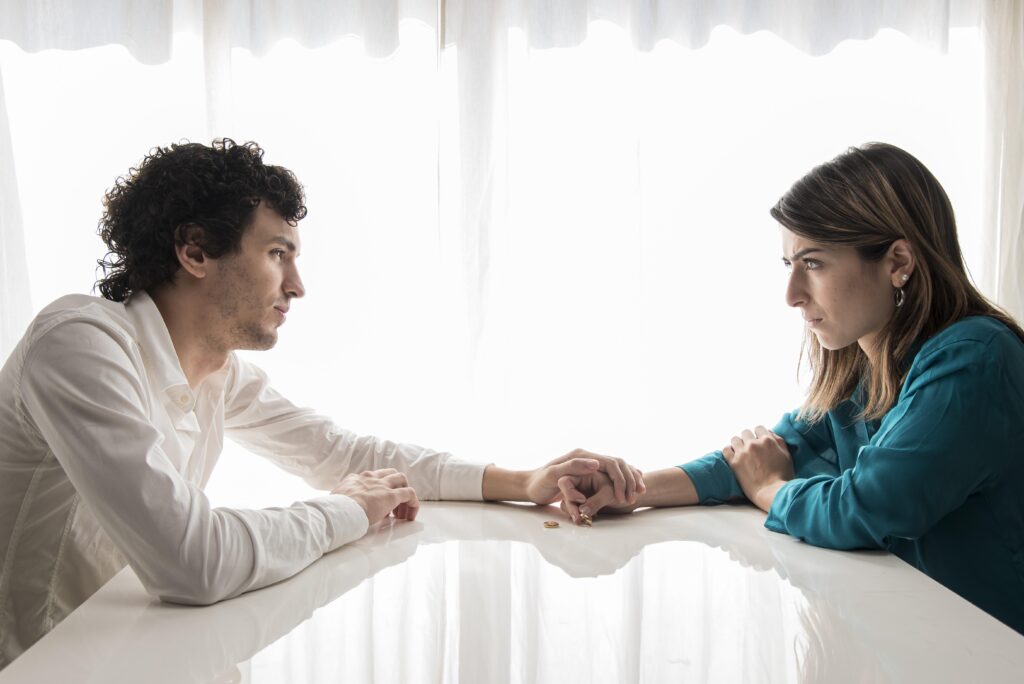
Communication is the backbone of any enduring marriage. In the early years, couples tend to communicate openly, express emotions freely, and actively try to understand one another. However, as time passes, communication patterns can shift, often becoming less intentional and more habitual. This gradual decline can lead to misunderstandings, emotional distance, and dissatisfaction if not […]