
Travel to Heal: The Growing Journey Toward Wellness and Renewal
Wellness travel encourages people to view journeys as opportunities for restoration, reflection, and personal growth. A change of environment can help individuals reconnect with nature, relationships, and healthier habits. It does not require expensive or distant trips; even an intentional journey can support physical, emotional, social, and psychological well-being. Understanding the Connection Between Travel and […]
Elderly Services: Be a Lifeline for the Elderly
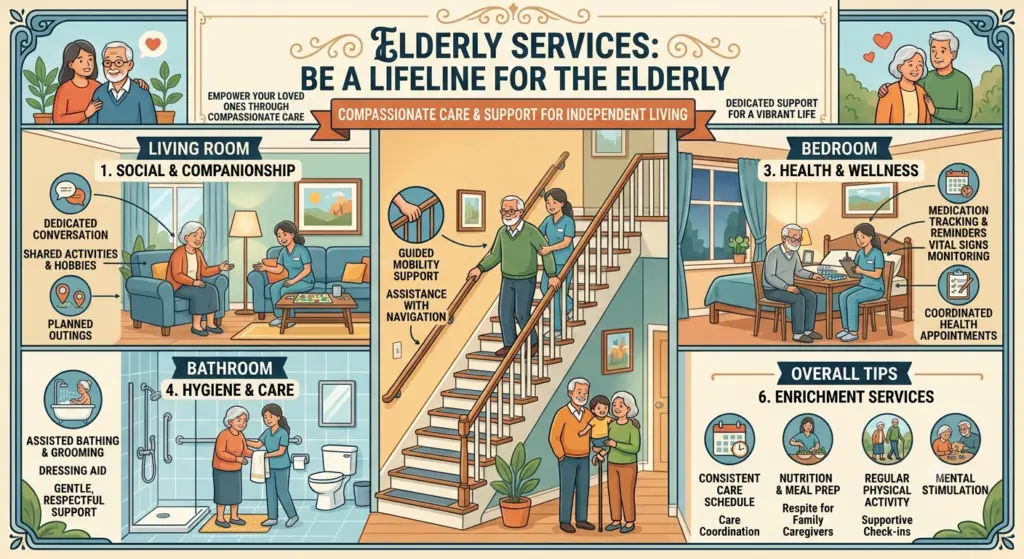
Ageing brings wisdom and meaningful memories but can also involve challenges such as retirement, health changes, reduced mobility, bereavement, financial concerns, and changing family structures. As families become more dispersed, some older adults may need additional support to remain healthy, socially connected, and independent. Elderly services can address practical, emotional, social, and healthcare needs while […]
A Complete Guide to Fall Prevention at Home for Ageing Parents
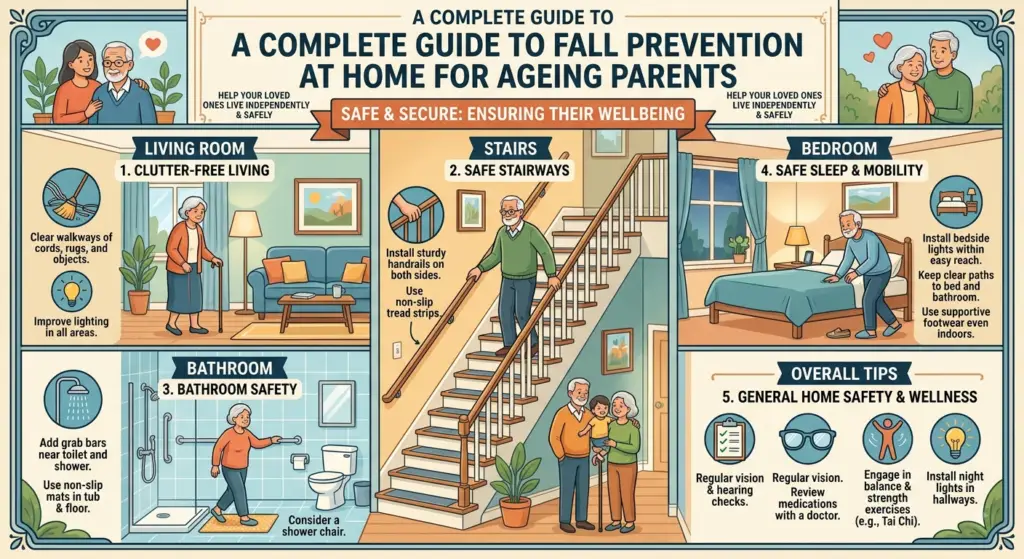
As parents grow older, changes in balance, vision, muscle strength, mobility, and medication use can increase the risk of falls. Falls may lead to injuries, reduced confidence, or loss of independence. However, many household falls can be prevented through simple home modifications, regular health monitoring, and appropriate support, helping older adults remain safer and independent. […]
Top 7 Benefits of Retirement Communities
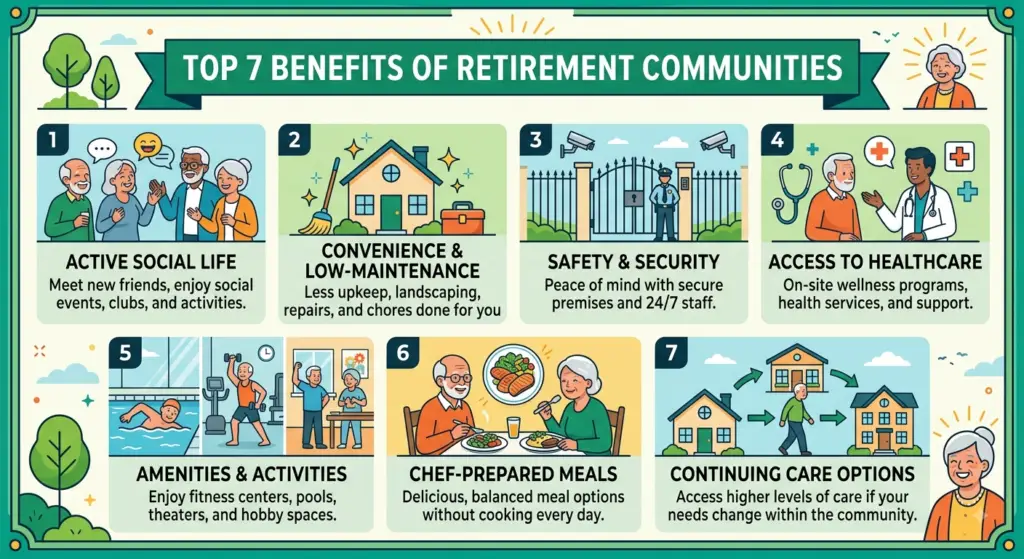
Retirement can mark a meaningful new stage of life, offering older adults more time for personal interests, relationships, health, and community participation. However, adjusting to changes in routine, social roles, and living arrangements can be challenging. Retirement communities can support this transition by promoting independence while providing social activities, practical assistance, and opportunities for connection, […]
Managing the Confluence of Disability and Age: Policy Obstacles in India
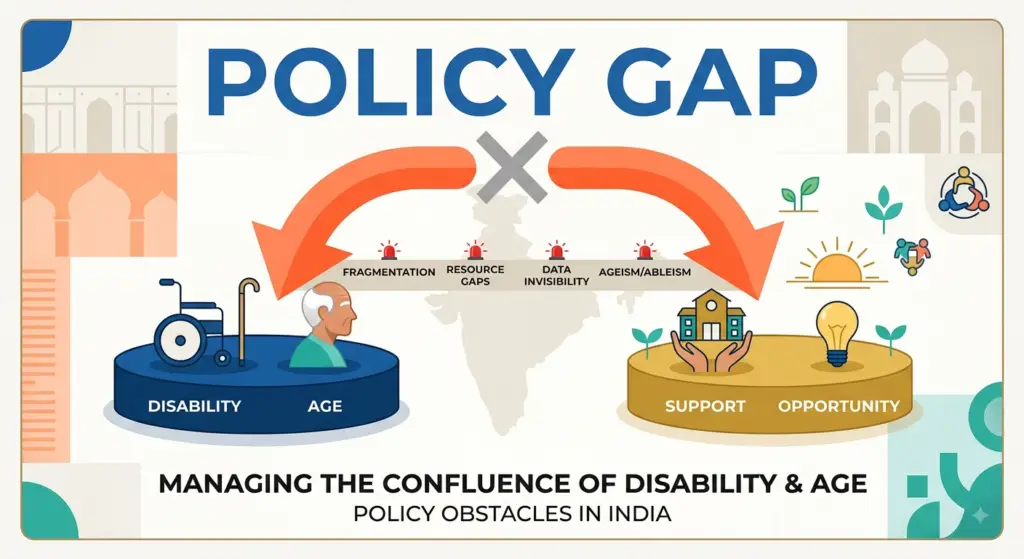
Ageing with a disability can create challenges in mobility, healthcare, social participation, finances, and family support. In India, gaps in accessibility, awareness, and policy implementation continue to affect older adults. Inclusive support should address these overlapping needs with dignity and flexibility. Understanding the Intersection Disability and ageing can overlap in different ways, creating varied support […]
The Care That Walks With You

Care is often associated with illness or dependence, but meaningful care can also be a continuous source of support throughout life. As people age, changes in health, mobility, social roles, and emotional needs may arise. Dependable care can help them navigate these transitions while preserving dignity, independence, and choice. It is not just about assistance […]
The Power of Reminiscence Therapy: Supporting Mental Well-being in Ageing
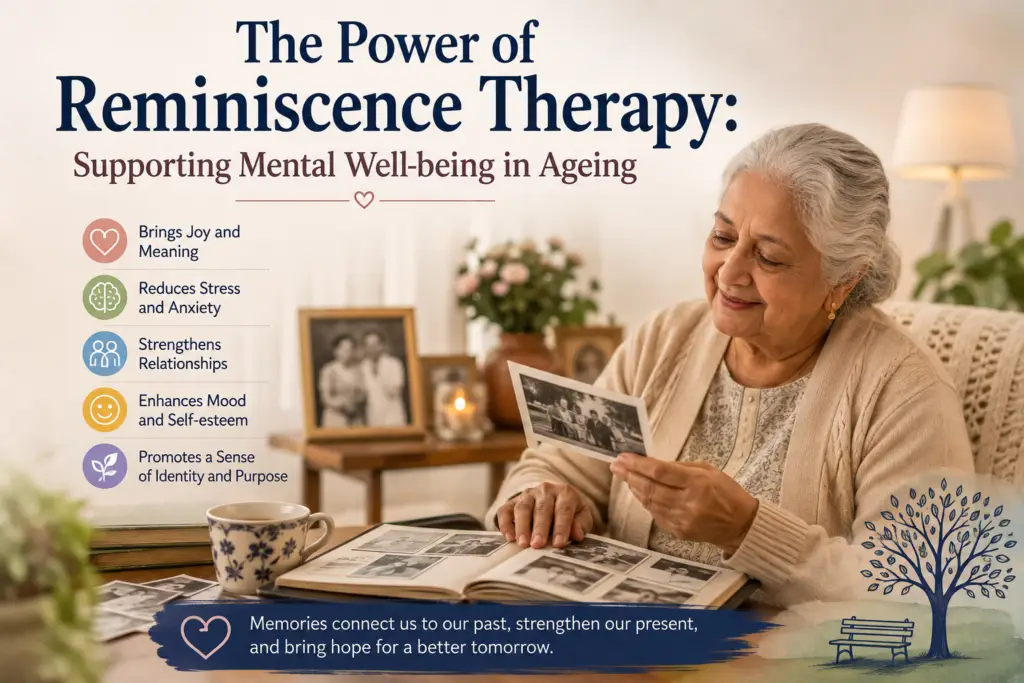
Growing older brings valuable life experiences, but it can also involve challenges such as retirement, health issues, and the loss of loved ones, which may affect emotional well-being. Reminiscence therapy is an evidence-based approach that encourages older adults to reflect on meaningful memories, helping strengthen their sense of identity, enhance emotional well-being, and promote a […]
Building Emotional Independence After the Loss of a Spouse

Losing a spouse is one of the most profound life transitions an individual can experience. Beyond the emotional pain, it often brings significant changes in daily routines, social roles, financial responsibilities, and plans. Adapting to life without a lifelong companion can be difficult for many older folks. While grief cannot be rushed or erased, it […]
The Psychological Benefits of Having a Pet in Later Life

Ageing brings many meaningful experiences, including wisdom, personal growth, and deeper appreciation for relationships. However, later life can also involve significant changes such as retirement, changes in routine, reduced social interaction, and the loss of loved ones. These transitions may affect emotional well-being and overall quality of life. In recent years, research has highlighted the […]
The Role of Nutrition in Preventing Cognitive Decline

As people age, maintaining cognitive health becomes an essential part of healthy ageing. While some changes in memory and thinking are a normal part of growing older, significant cognitive decline is not inevitable. Research increasingly highlights the role of proper nutrition in supporting brain function, protecting memory, and reducing the risk of age-related cognitive disorders. […]