
Can Therapy Help Couples in Their Later Years?
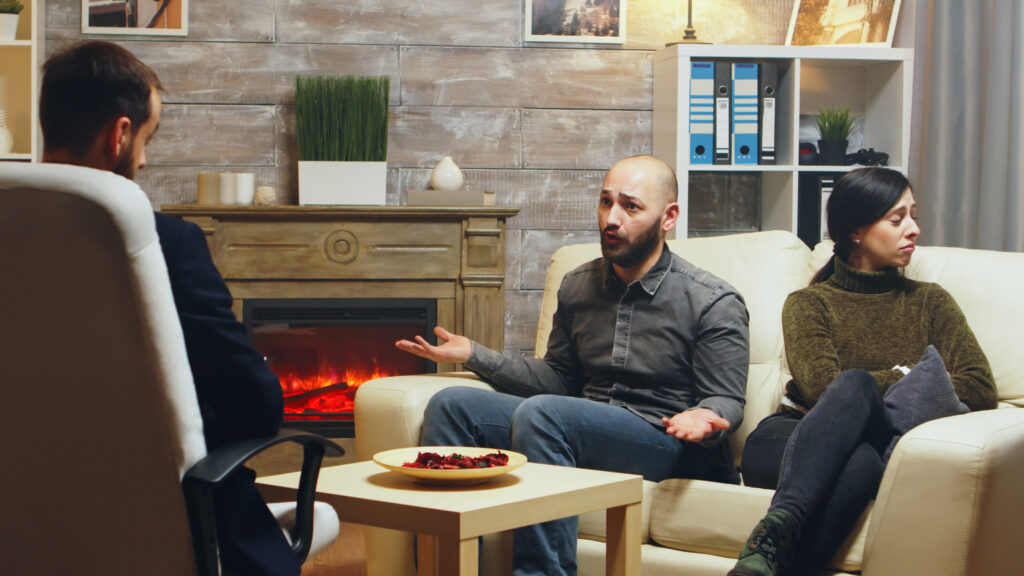
Aging brings significant changes in life, especially within relationships. For couples in their later years, the journey can be both rewarding and challenging. After decades of shared experiences, responsibilities, and transitions, relationships may face emotional distance, communication gaps, or unresolved conflicts. This raises an important question: can couples therapy truly help couples in their later […]
Loneliness Within Marriage in Old Age
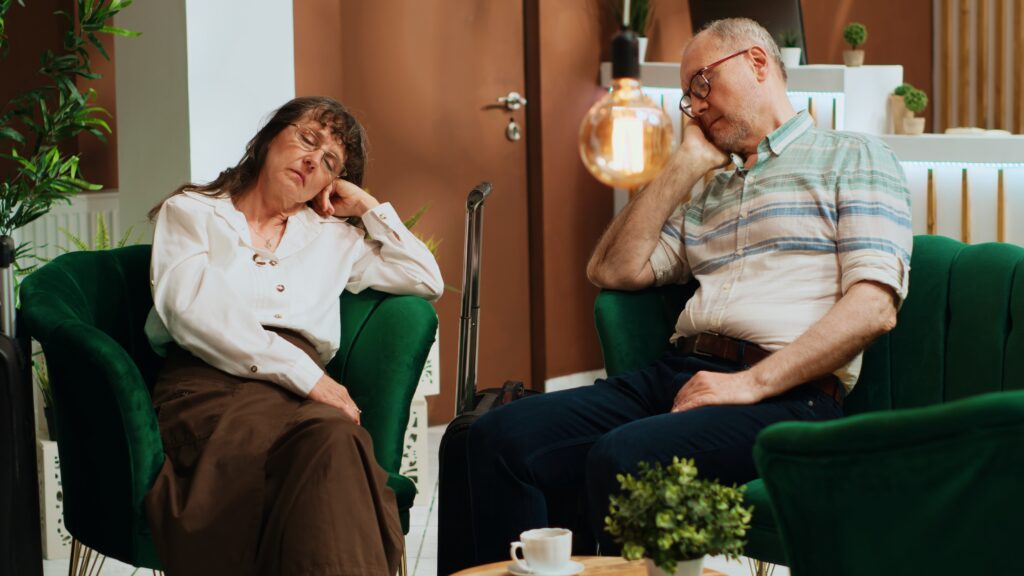
Marriage is often seen as a lifelong bond built on companionship, trust, and emotional support. However, in old age, many couples experience a silent struggle, loneliness within marriage. Even while living together, partners may feel emotionally distant due to changing life circumstances, health concerns, and shifting roles. This emotional gap can deeply affect mental well-being […]
Emotional Dependency and Adjustment Challenges

Human relationships are built on connection, care, and interdependence. However, when emotional reliance on others becomes excessive, it can lead to emotional dependency. This pattern often creates challenges in adapting to change, managing stress, and maintaining a stable sense of self. Emotional dependency is not always obvious. It may appear as a constant need for […]
Financial Stress & Dependency Issues in Old Age Marriage
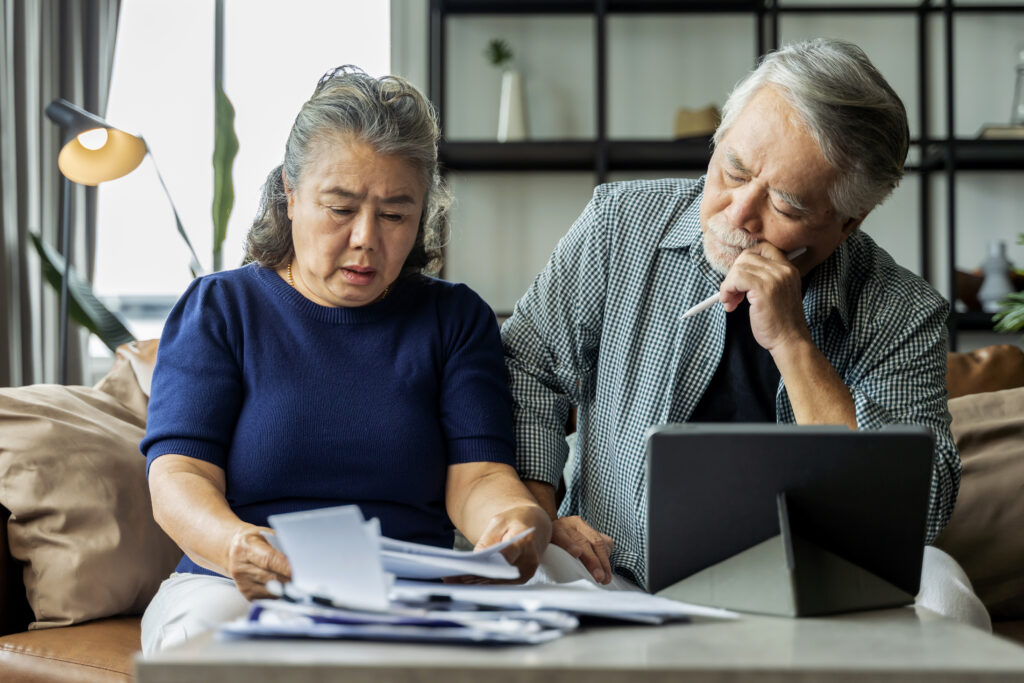
A marriage in later life often carries a different emotional and practical meaning compared to earlier years. After decades of shared responsibilities, raising children, and managing careers, couples enter a phase where retirement, health concerns, and financial limitations reshape their daily lives. While this stage can bring companionship and stability, it can also introduce significant […]
Self-Care and Emotional Healing in Old Age
Old age is a phase of life that brings reflection, wisdom, and a deeper understanding of oneself. However, it also presents challenges related to physical health, emotional well-being, and social connection. As individuals grow older, the need for self-care and emotional healing becomes increasingly important. These aspects are essential not only for maintaining good health […]
Forgiveness and Letting Go in Old Age
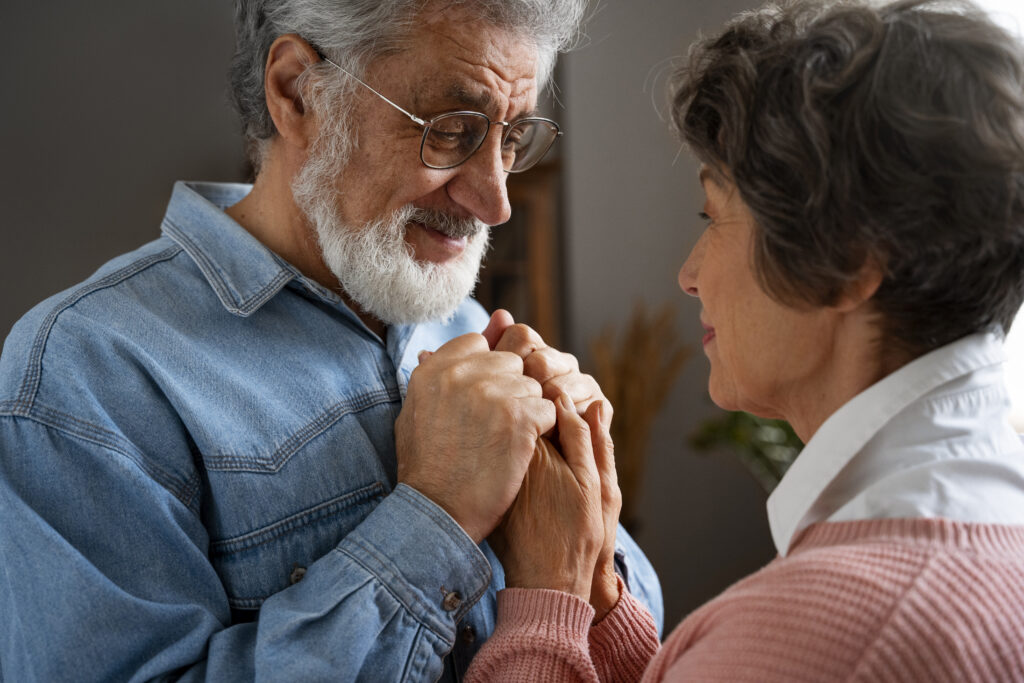
As individuals grow older, they often find themselves reflecting on their life experiences with greater depth and clarity. Relationships, decisions, and unresolved conflicts from earlier years may resurface, sometimes carrying emotional weight that has remained unaddressed. Forgiveness and letting go, in this context, are not merely moral ideals but psychological processes that influence well-being in […]
How to Find Peace Without Ending the Marriage

Marriage is often seen as a lifelong commitment, but that does not mean it is always emotionally easy. Many individuals reach a stage where dissatisfaction, emotional distance, or unresolved conflict begins to affect their well-being. Yet, not everyone wants to leave the marriage. For many, the goal is not separation but finding a way to […]
Starting Over After Divorce in Later Life
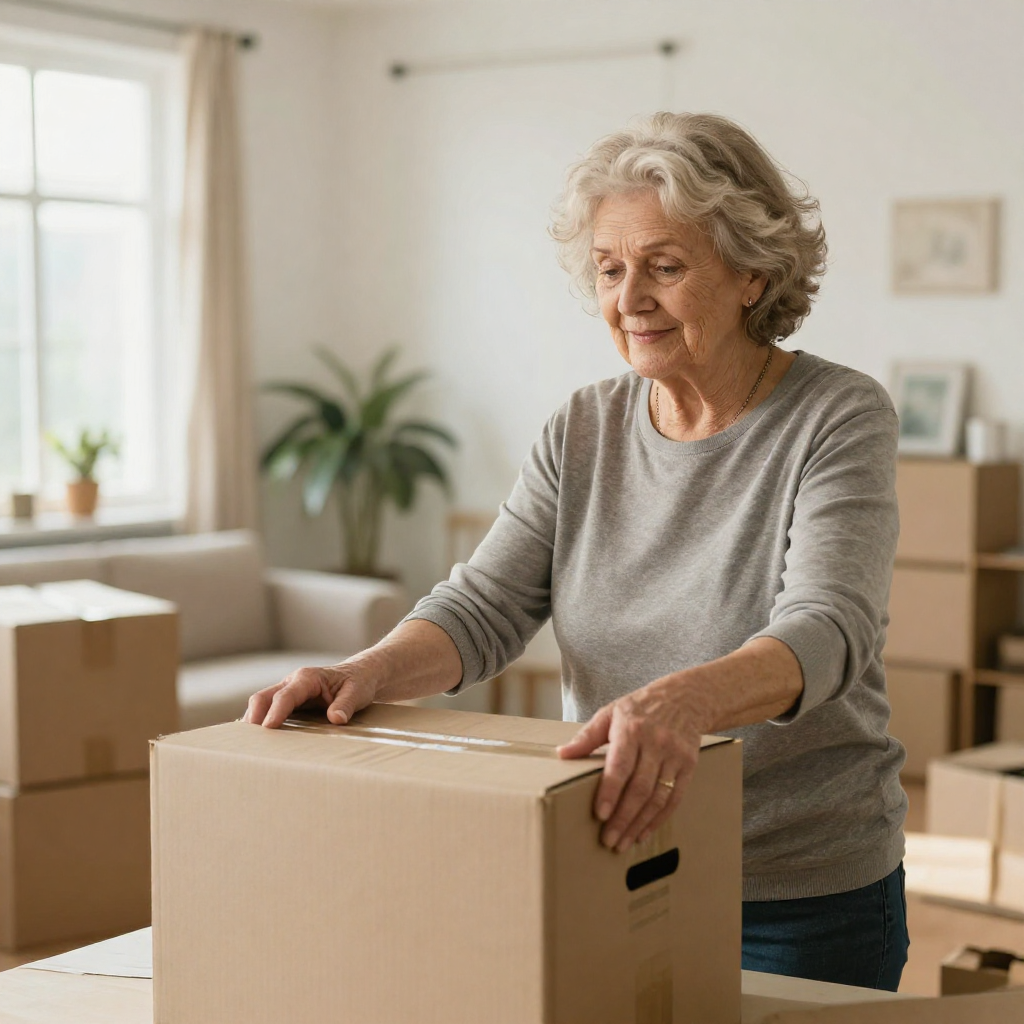
Divorce at any stage of life is a significant emotional transition, but starting over after divorce in later life can feel especially overwhelming. Often referred to as “grey divorce,” separation after the age of 50 brings unique challenges, including emotional adjustment, financial restructuring, and redefining one’s identity. However, it can also be a time of […]
How Communication Breaks Down in Long-Term Marriages
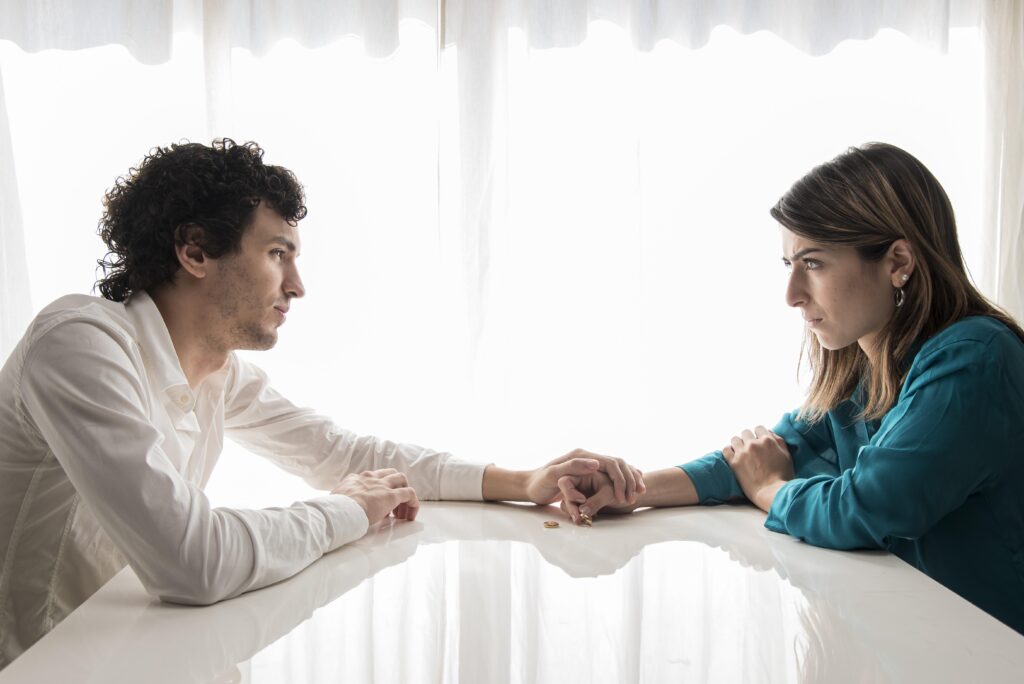
Communication is the backbone of any enduring marriage. In the early years, couples tend to communicate openly, express emotions freely, and actively try to understand one another. However, as time passes, communication patterns can shift, often becoming less intentional and more habitual. This gradual decline can lead to misunderstandings, emotional distance, and dissatisfaction if not […]
Emotional Distance in Long-Term Marriages: Causes & Solutions
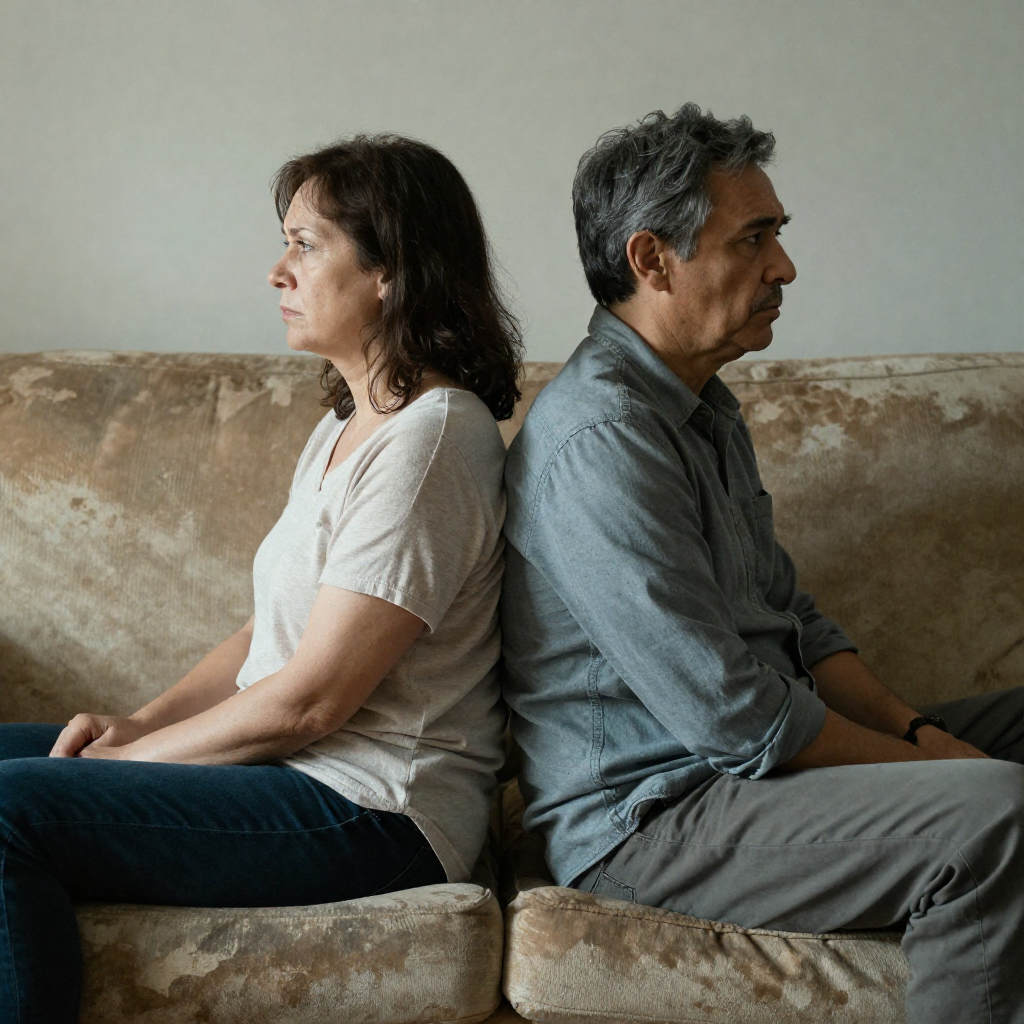
Long-term marriages often evolve through different phases, shaped by life transitions, responsibilities, and changing individual needs. While many couples build strong companionship over time, some may gradually experience emotional distance. This disconnection does not happen overnight; rather, it develops subtly through reduced communication, unmet emotional needs, and shifting priorities. Over time, partners may feel like […]