
-
Creating Healthier Workplaces Through Better Sanitation
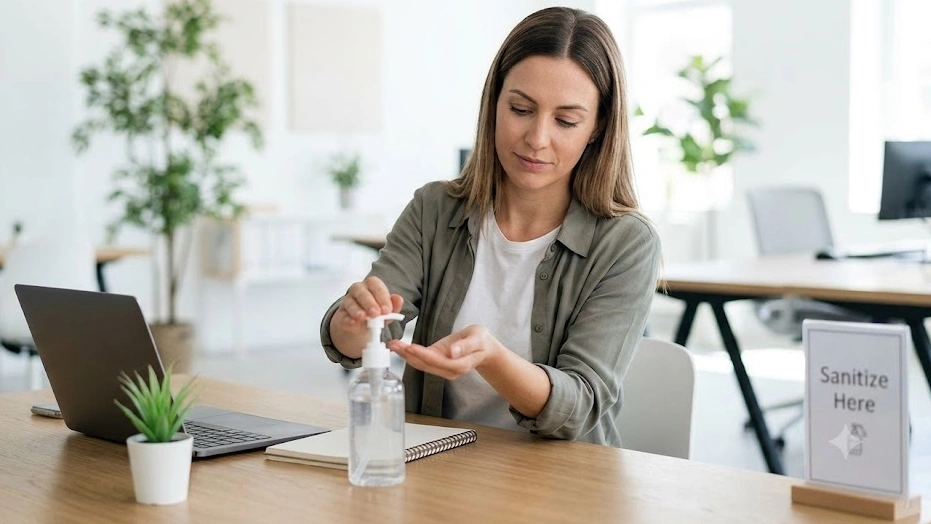
A clean office is essential for protecting employee health and well-being. Simple sanitation practices, such as hand hygiene, regular surface cleaning, proper waste disposal, and clean facilities, can reduce health risks and create a safer, healthier, and more productive workplace. Why Cleanliness Matters in Shared Spaces Frequently touched surfaces such as door handles, desks, keyboards,…
-
Knee Pain in Elderly: Causes, Exercises, and When to See a Physiotherapist
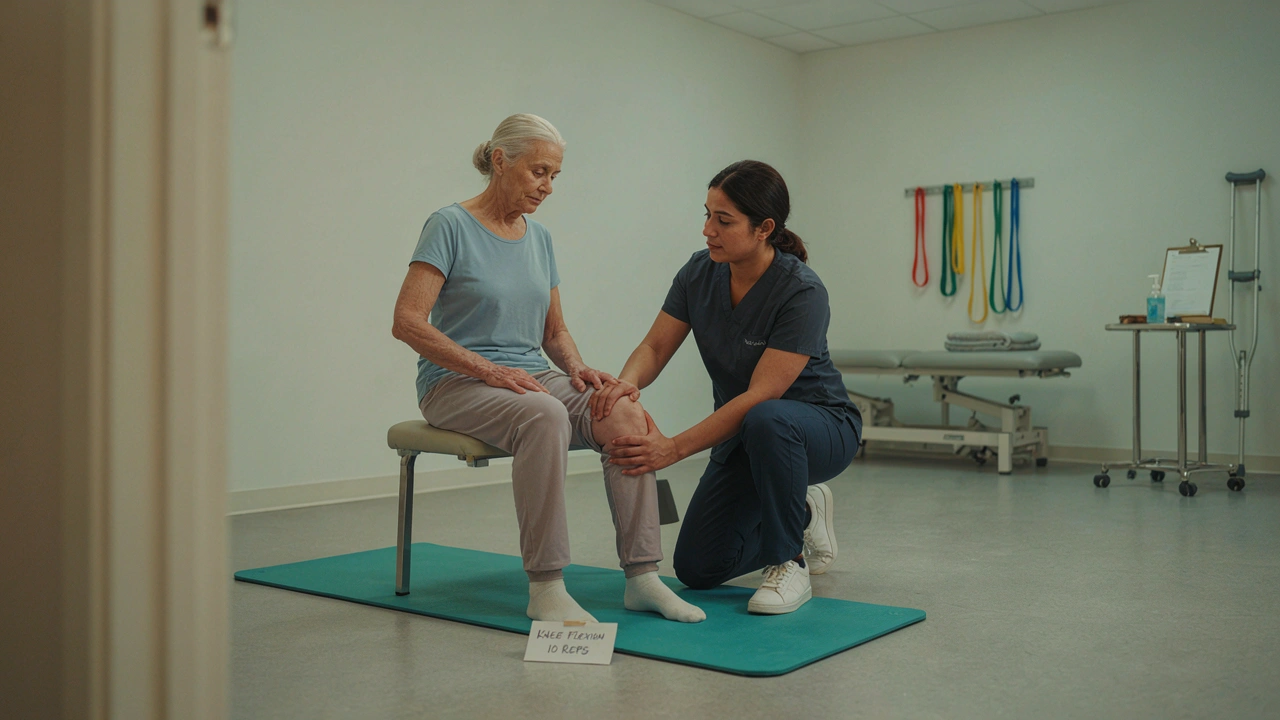
Knee pain is a common concern among older adults and can significantly affect everyday life. Simple activities such as walking, climbing stairs, standing from a chair, or going outside can become difficult when knee pain or stiffness increases. Although some knee discomfort can be associated with normal aging, persistent or severe pain should not simply…
-
Caring for Medical Equipment in Humid Climates: A Guide to Safer Healthcare
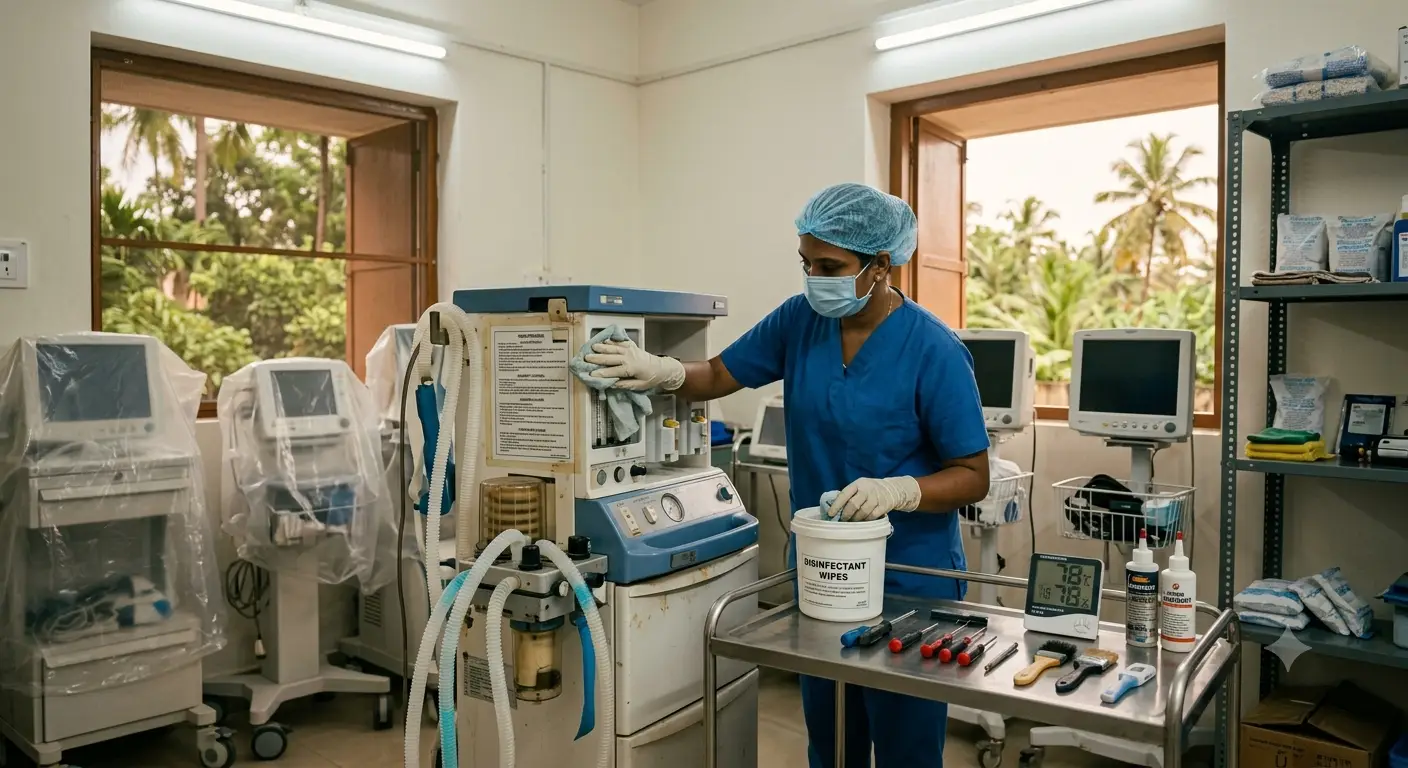
Medical equipment is vital for diagnosis, treatment, monitoring, and patient care, but its safety and performance depend on proper storage, cleaning, inspection, and maintenance. In humid climates, excess moisture and temperature changes can damage electrical components, packaging, and equipment. Maintaining suitable environmental conditions helps extend equipment life, prevent failures, and support safer healthcare delivery. Why…
-
These Tips Will Help You Care For An Elderly Loved One
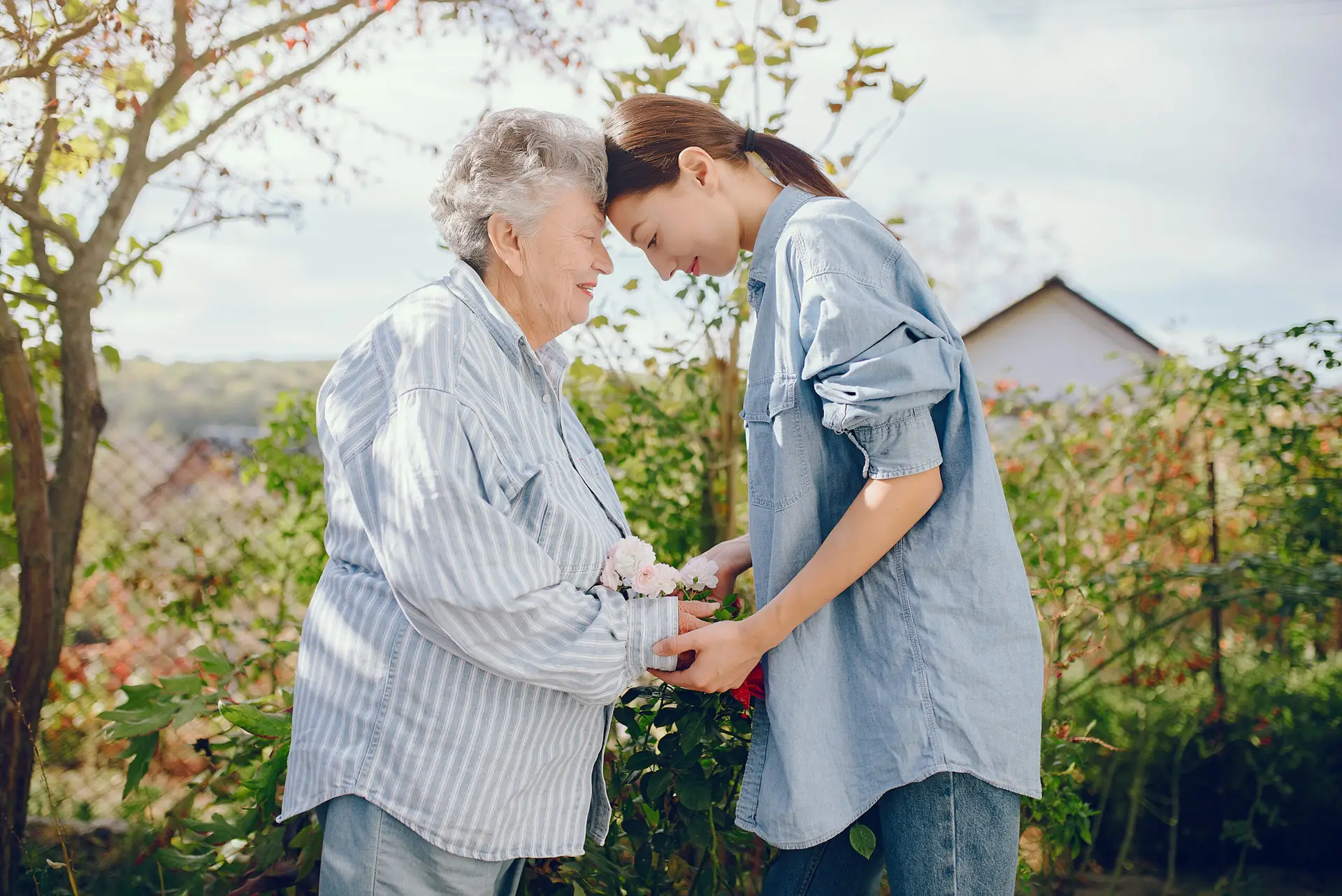
Caring for an elderly loved one is a meaningful responsibility that involves much more than helping with medicines, appointments, or household tasks. Ageing can bring changes in mobility, memory, independence, social relationships, and emotional well-being. A supportive caregiver can make these transitions easier while helping an older adult maintain dignity, choice, and a sense of…
-
Fall Prevention for Elderly: Expert-Backed Exercises and Home Safety Tips
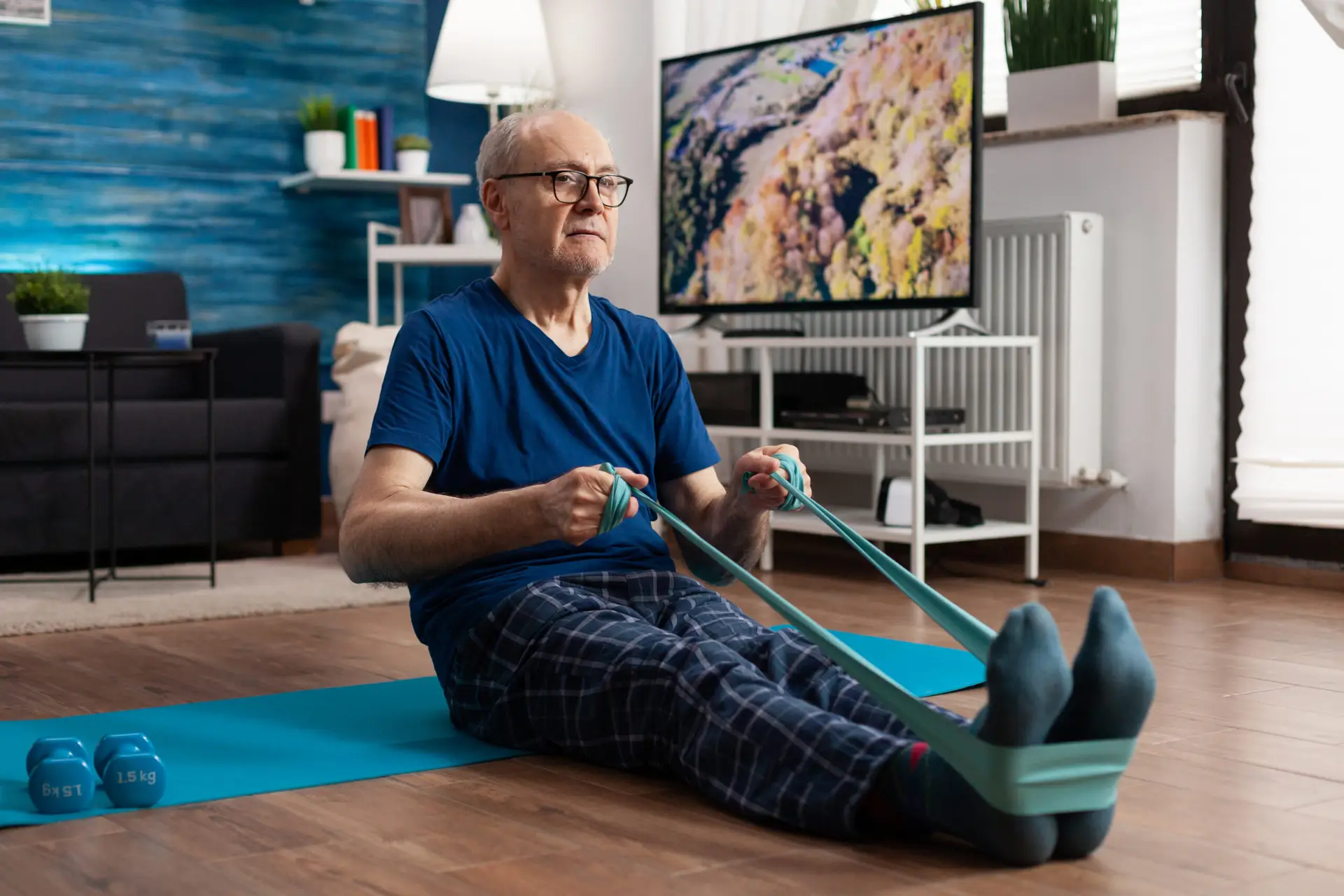
Falls are one of the most common threats to independence and quality of life in later life. They can result in fractures, head injuries, reduced mobility, hospitalisation, and fear of falling again. According to the World Health Organization (WHO), adults over 60 experience the greatest number of fatal falls, while fall prevention requires a combination…
-
Mental Wellness for Seniors: How Physical Activity Fights Depression and Loneliness
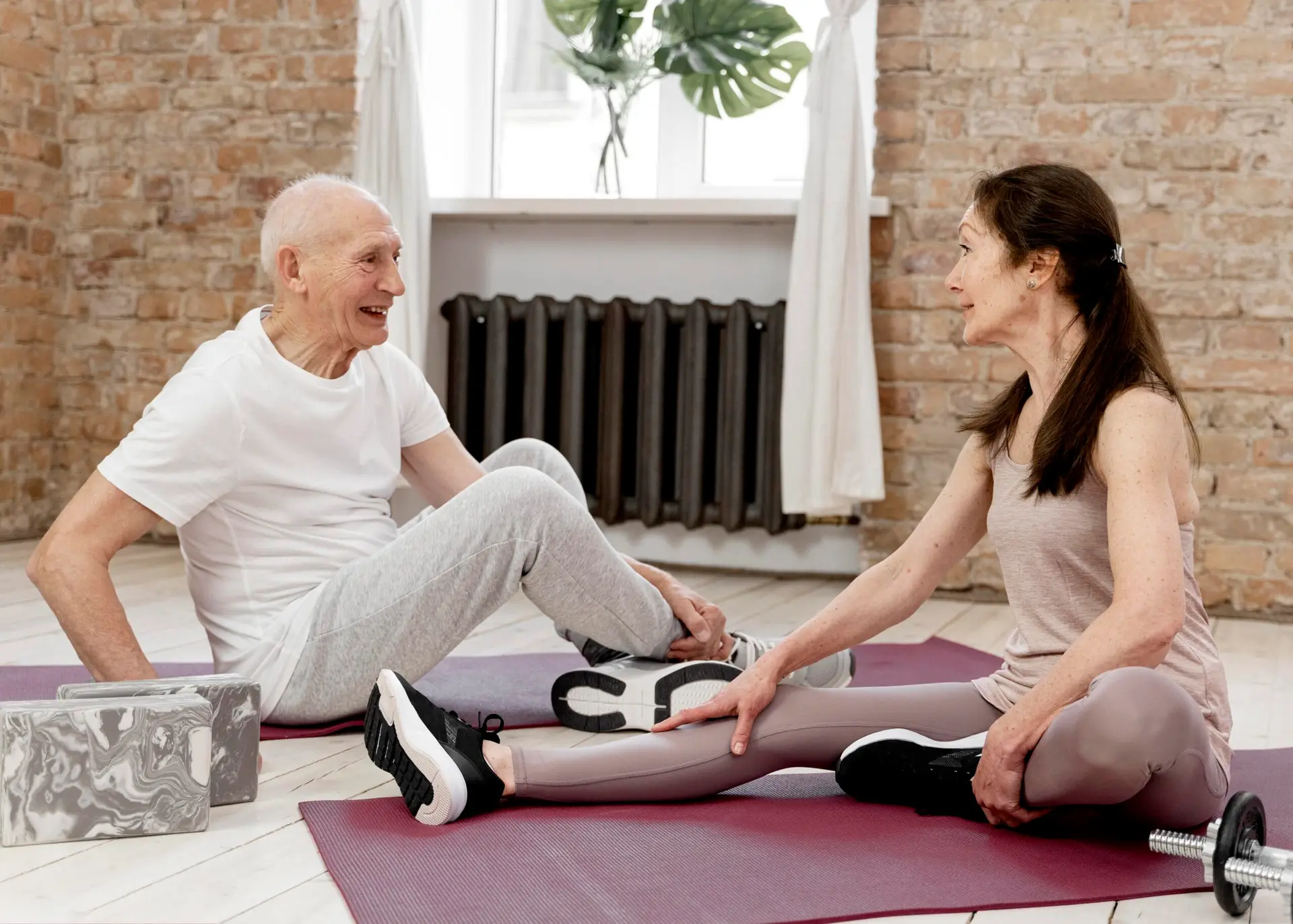
Ageing is often described as a season of slowing down. What is rarely spoken about, however, is how much this slowing down can weigh on the mind. For many seniors, retirement, the loss of a spouse, shrinking social circles, or simply the natural decline of the body can quietly give way to low motivation —…
-
From the desk of a home-confined senior citizen
-
A Complete Guide to Fall Prevention at Home for Ageing Parents
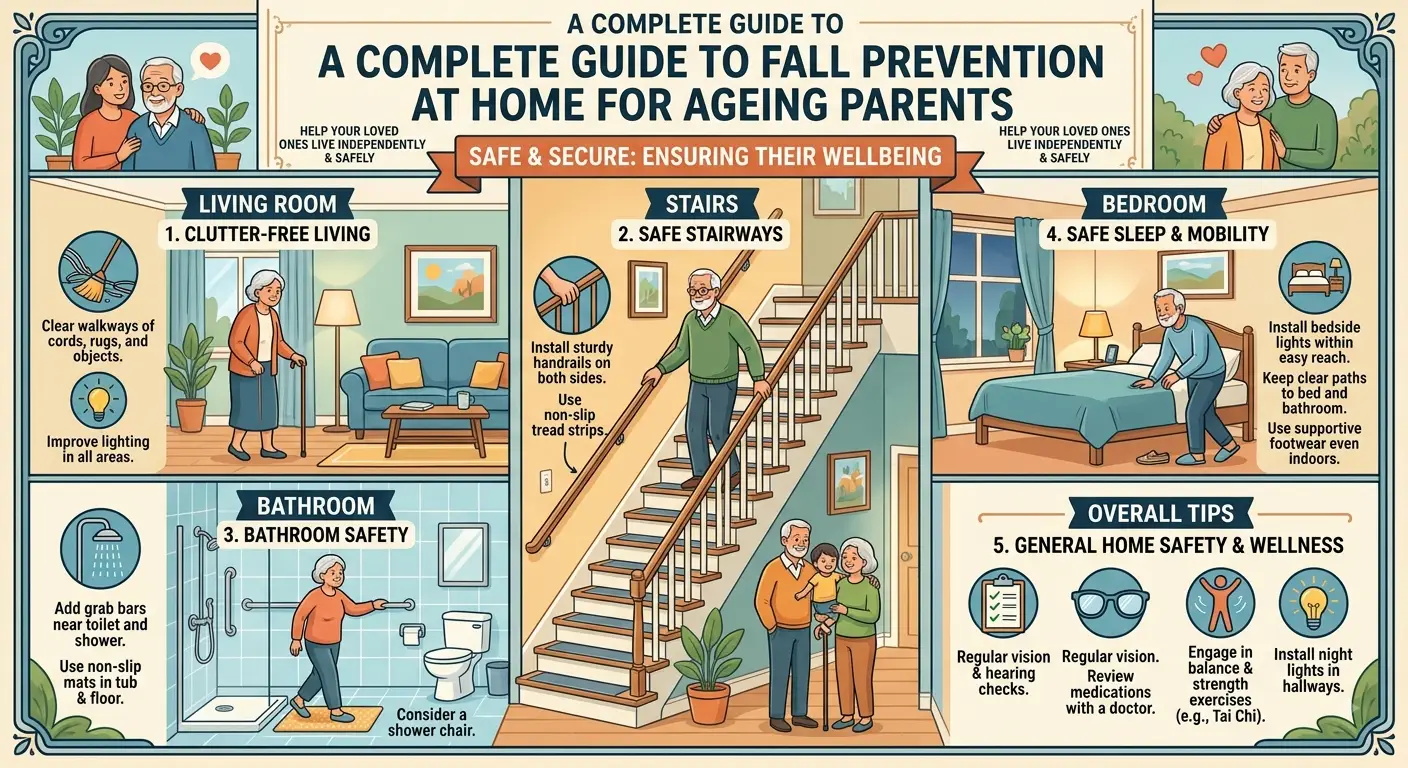
As parents grow older, changes in balance, vision, muscle strength, mobility, and medication use can increase the risk of falls. Falls may lead to injuries, reduced confidence, or loss of independence. However, many household falls can be prevented through simple home modifications, regular health monitoring, and appropriate support, helping older adults remain safer and independent.…
-
Financial Independence & Mental Well-being in Older Adults
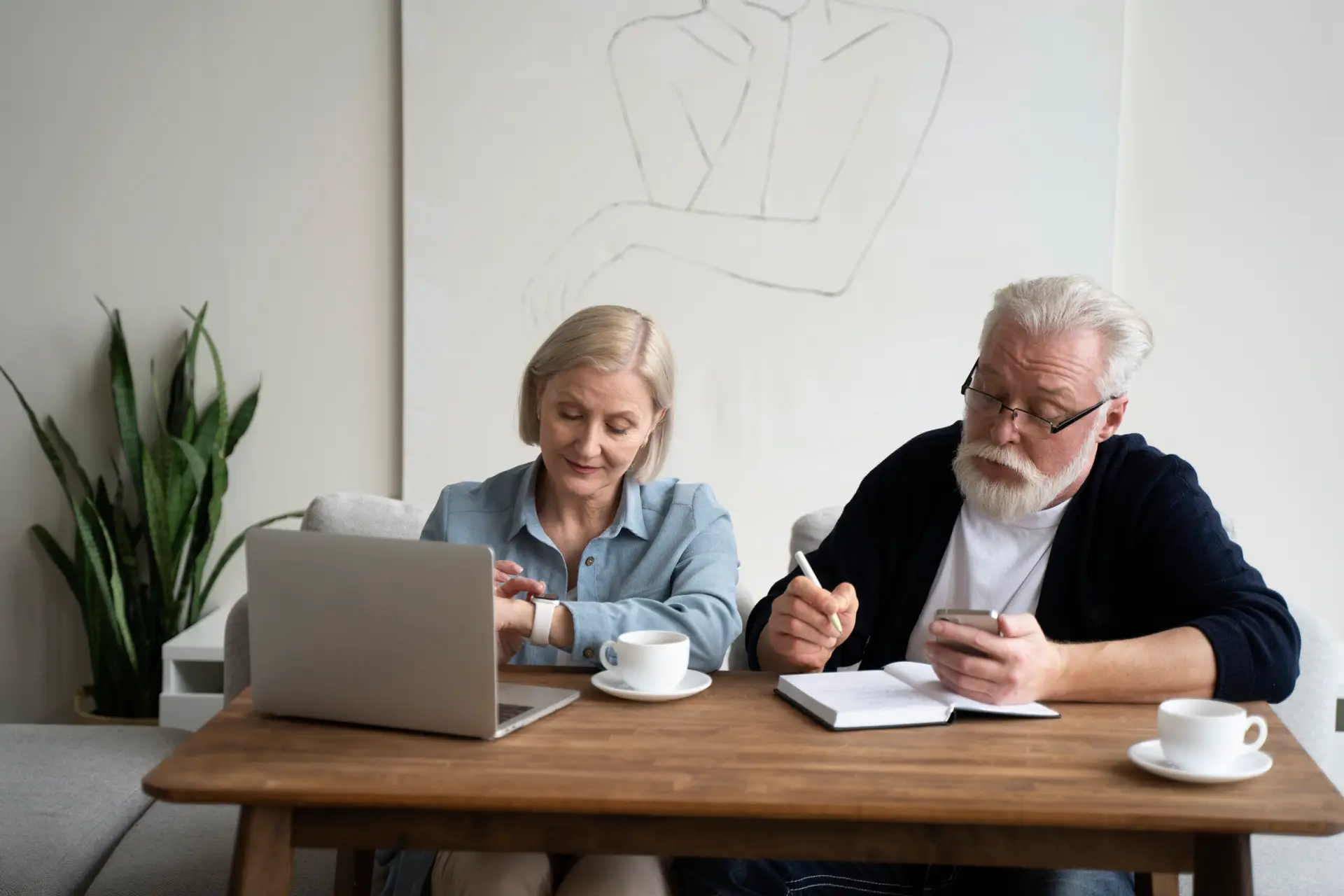
Financial independence plays a vital role in ensuring a secure, dignified, and fulfilling life for older adults. While aging often brings changes such as retirement, reduced income, or increased healthcare expenses, maintaining financial stability helps seniors preserve their confidence, autonomy, and emotional well-being. Beyond meeting daily needs, financial independence provides a sense of control over…
-
How Gratitude & Positive Psychology Promote Healthy Aging
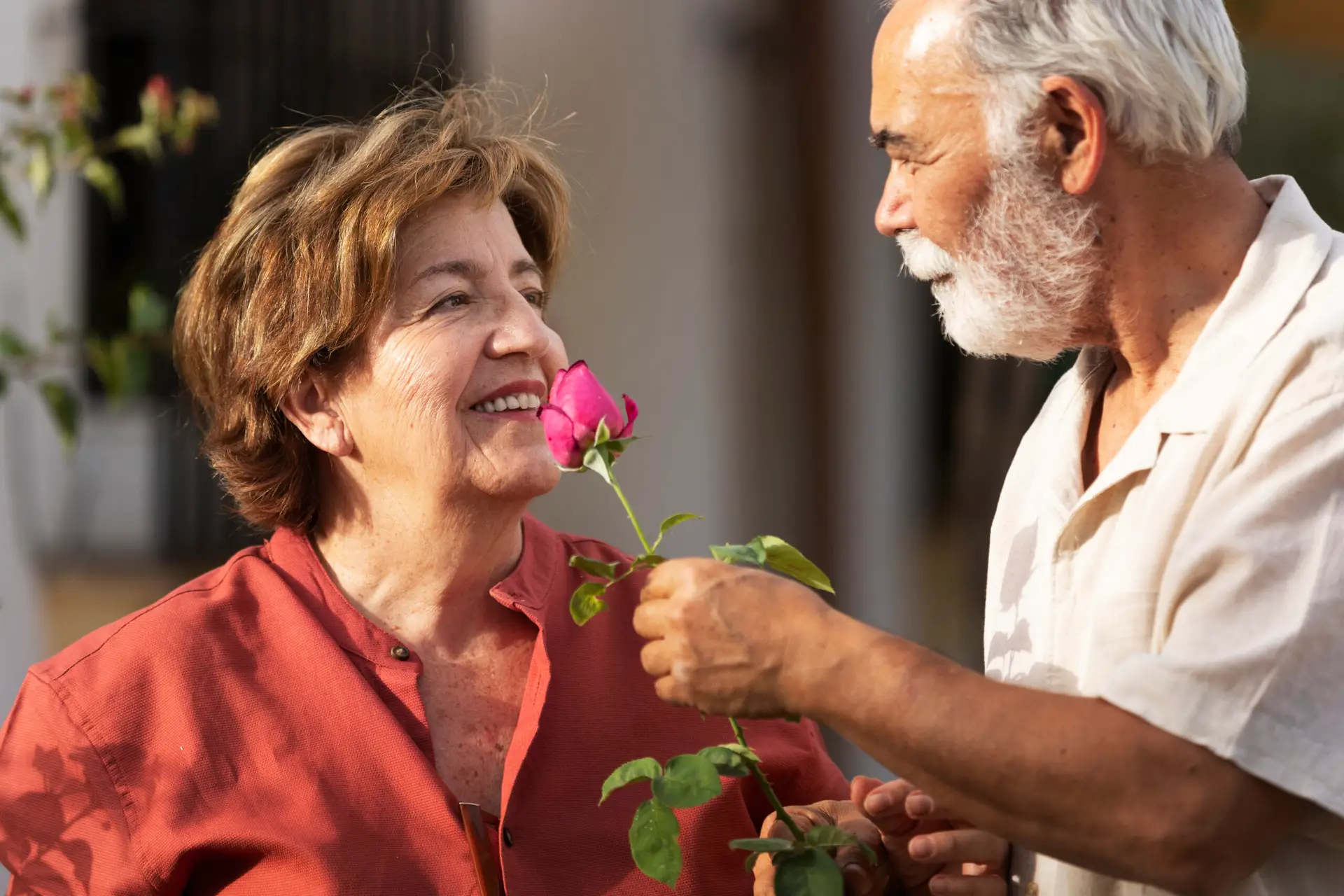
Aging is a journey filled with new experiences, achievements, and life transitions. While growing older often brings physical and emotional challenges, it also offers opportunities for wisdom, resilience, and personal growth. In recent years, researchers have highlighted the importance of positive psychology and gratitude in promoting healthy aging. Rather than focusing solely on illness or…