
Knee Pain in Elderly: Causes, Exercises, and When to See a Physiotherapist
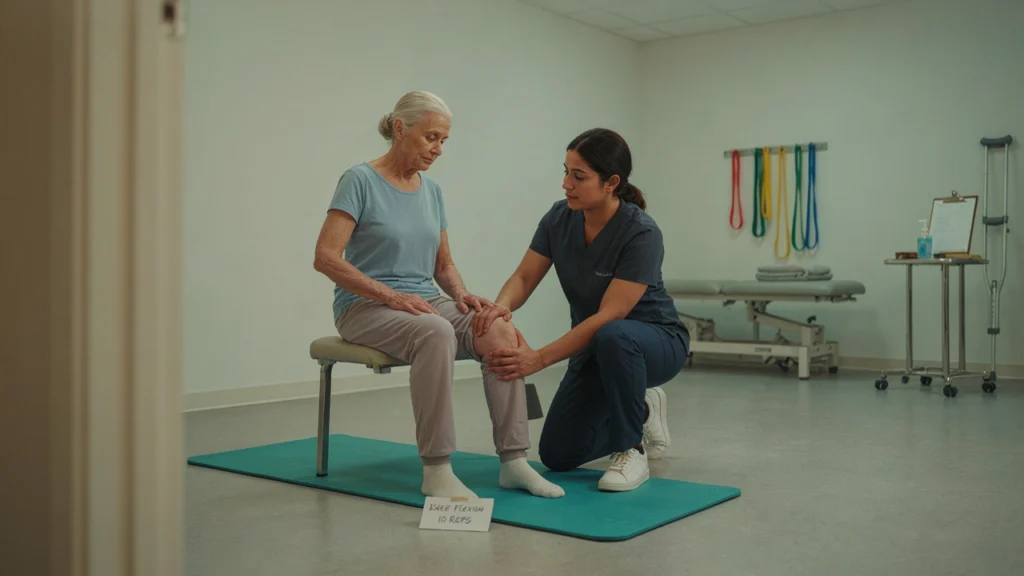
Knee pain is a common concern among older adults and can significantly affect everyday life. Simple activities such as walking, climbing stairs, standing from a chair, or going outside can become difficult when knee pain or stiffness increases. Although some knee discomfort can be associated with normal aging, persistent or severe pain should not simply […]
A Healthier Escape: Finding the Right Retreat for Mind, Body, and Soul

Do you ever feel like you’re running on empty, even after a full night’s sleep? Between work deadlines, family responsibilities, and constant digital noise, burnout has quietly become the norm. A wellness retreat isn’t a luxury — it’s often the reset your mind and body genuinely need. This blog walks you through how to choose […]
Plant Today, Breathe Tomorrow: Growing a Greener and Healthier Future
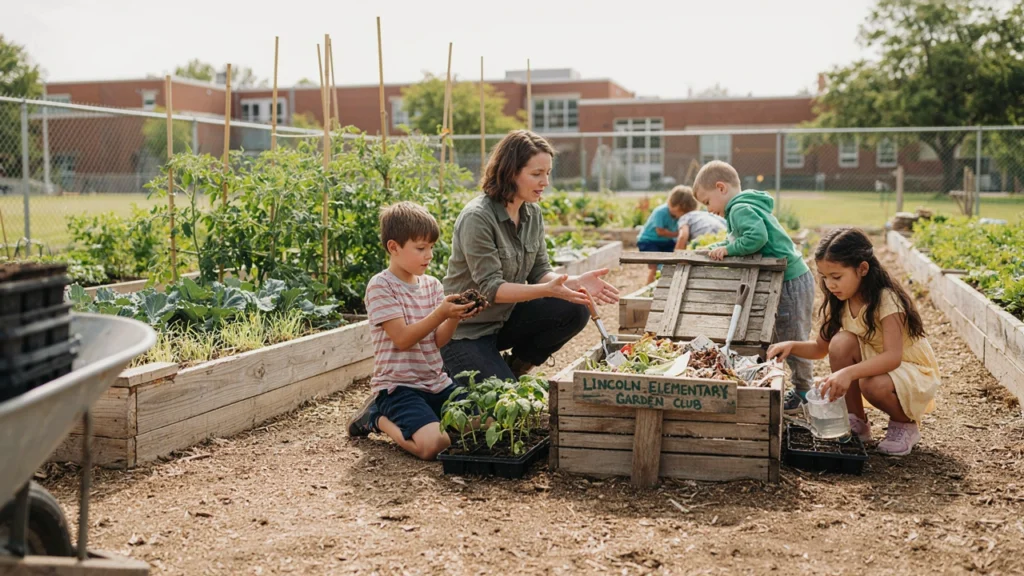
Have you ever noticed how a walk through a park instantly lifts your mood? That’s not a coincidence — nature and mental wellness are deeply connected. As cities grow denser and screens dominate our attention, both the planet and our minds are showing signs of strain. This blog explores how small, consistent actions like tree […]
Lessons from a Long Life: Everyday Habits That Support Healthy Aging
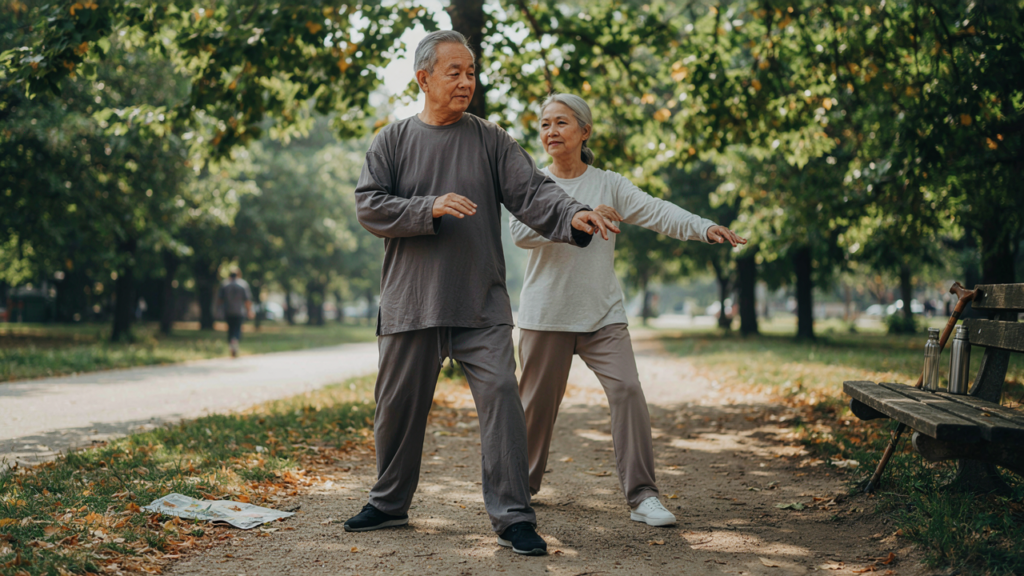
Have you ever wondered why some people seem to grow older with ease, staying sharp, active, and content well into their 80s and beyond? The answer usually isn’t luck or genetics alone. It’s a set of small, consistent habits practiced over decades. This blog explores the everyday routines that genuinely support healthy aging, from caring […]
Healing with Nature: Simple Sustainable Habits for Everyday Well-Being
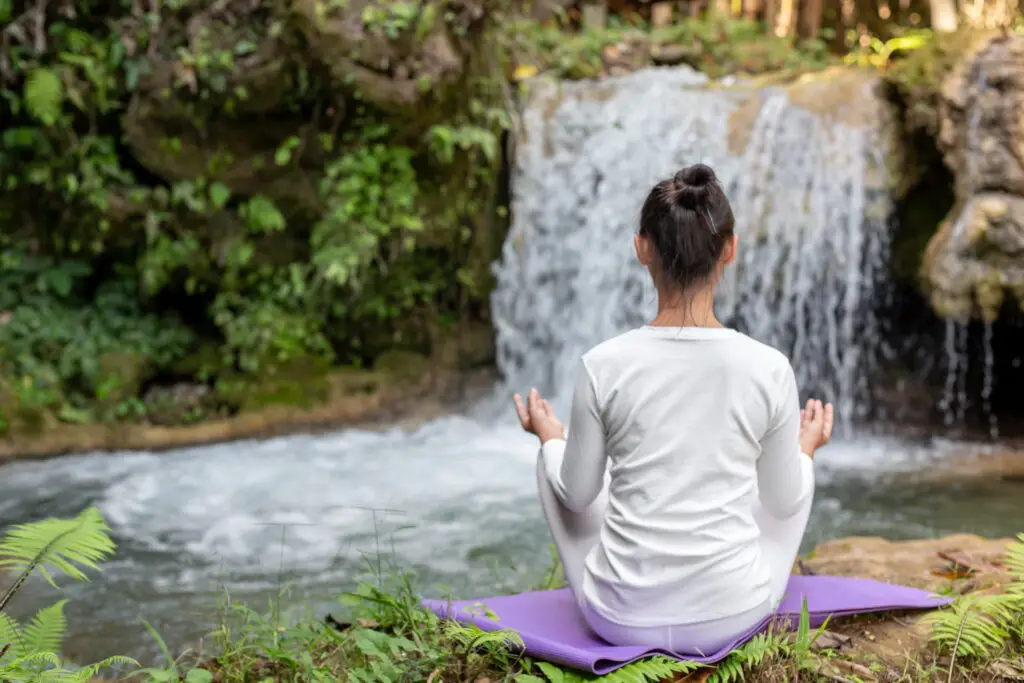
There is a particular kind of relief that comes from stepping outside — the sound of birds instead of notifications, the smell of wet earth after rain, the sight of a tree that has stood in the same spot for decades. In a world that runs on screens and deadlines, nature is quietly one of […]
From the desk of a home-confined senior citizen
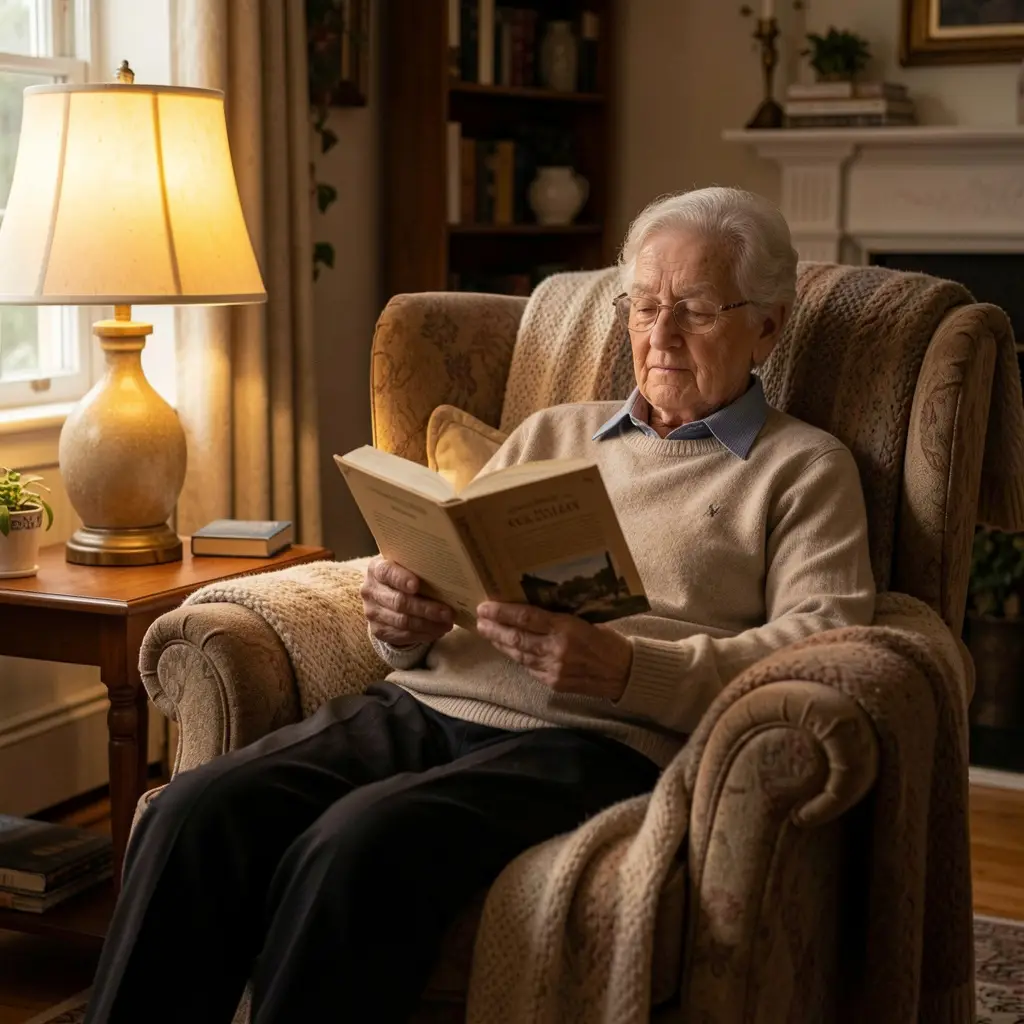
There is a particular kind of silence that settles into a home once the world outside stops asking you to show up. My knees no longer carry me down three flights of stairs, my eyes struggle with the evening traffic, and so, slowly, my world has shrunk to the four walls of this room. I […]
Decision-Making Capacity in Older Adults: When Should Families Be Concerned?

Growing older brings wisdom, experience, and a deeper understanding of life, but it can also involve changes in memory, judgment, and the ability to make complex decisions. Many older adults continue to manage their finances, healthcare choices, and daily responsibilities independently. However, families may sometimes notice changes that raise concerns about whether their loved ones […]
Is It Normal for Older Adults to Become More Stubborn or Impulsive?

Older adults bring many physical, emotional, and cognitive changes that can influence the way a person thinks, behaves, and responds to everyday situations. Families often notice that an older loved one who was once flexible and easygoing has become more resistant to change, emotionally reactive, or unexpectedly impulsive. These observations frequently lead to questions such […]
Stress vs Burnout: Knowing the Difference & When to Seek Help

Feeling stressed has become more typical in today’s fast-paced environment. People are frequently emotionally and physically worn out by deadlines, financial obligations, family responsibilities, and personal aspirations. While many individuals use the terms stress and burnout interchangeably, they are not the same. Understanding the distinction is important because each requires different coping strategies and levels […]
Healthy Aging: Daily Habits That Support Mental & Emotional Well-being

Growing older is a natural part of life, but aging well is influenced by the choices we make every day. Healthy aging is not simply about avoiding illness or extending lifespan; it is about maintaining independence, emotional balance, cognitive functioning, and a sense of purpose. According to the World Health Organization (WHO), healthy aging involves […]