
Emotional Distance in Long-Term Marriages: Causes & Solutions
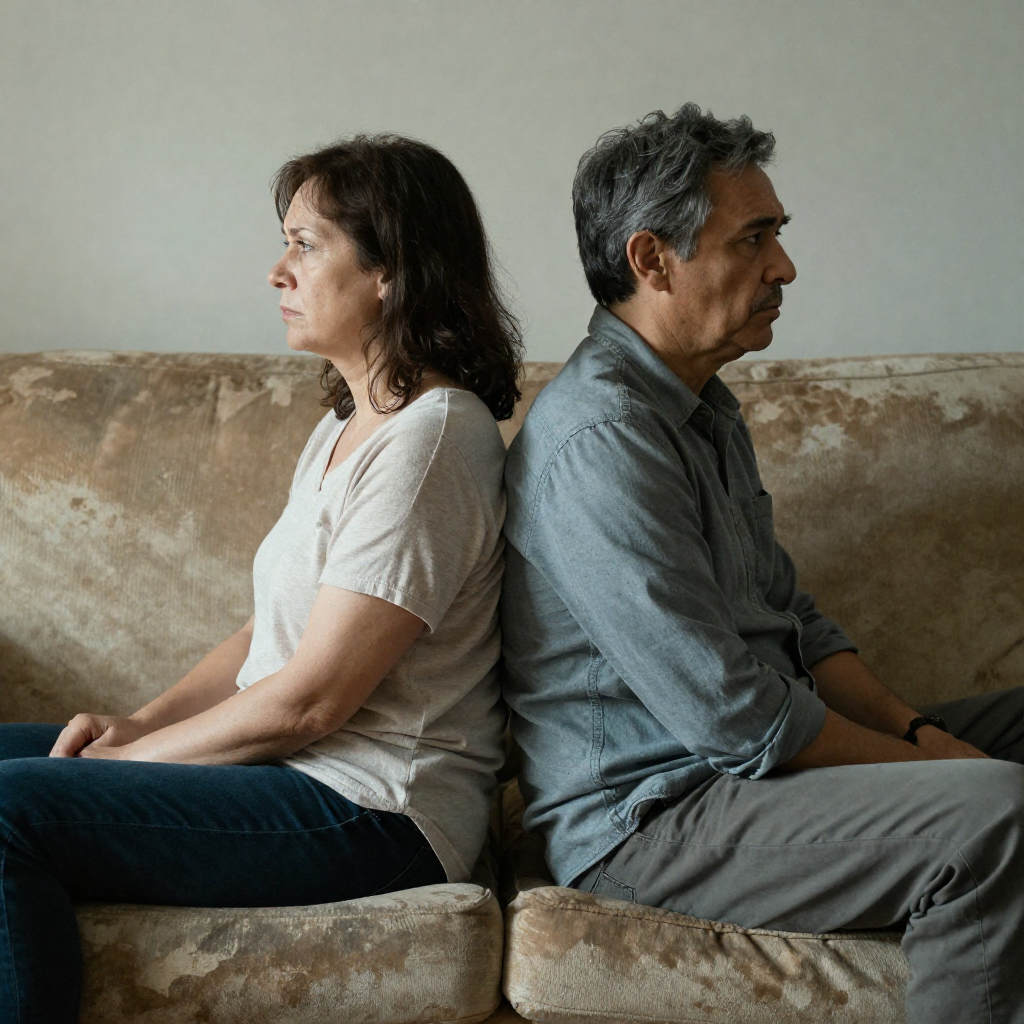
Long-term marriages often evolve through different phases, shaped by life transitions, responsibilities, and changing individual needs. While many couples build strong companionship over time, some may gradually experience emotional distance. This disconnection does not happen overnight; rather, it develops subtly through reduced communication, unmet emotional needs, and shifting priorities. Over time, partners may feel like […]
Understanding Panic and Fear in Aging
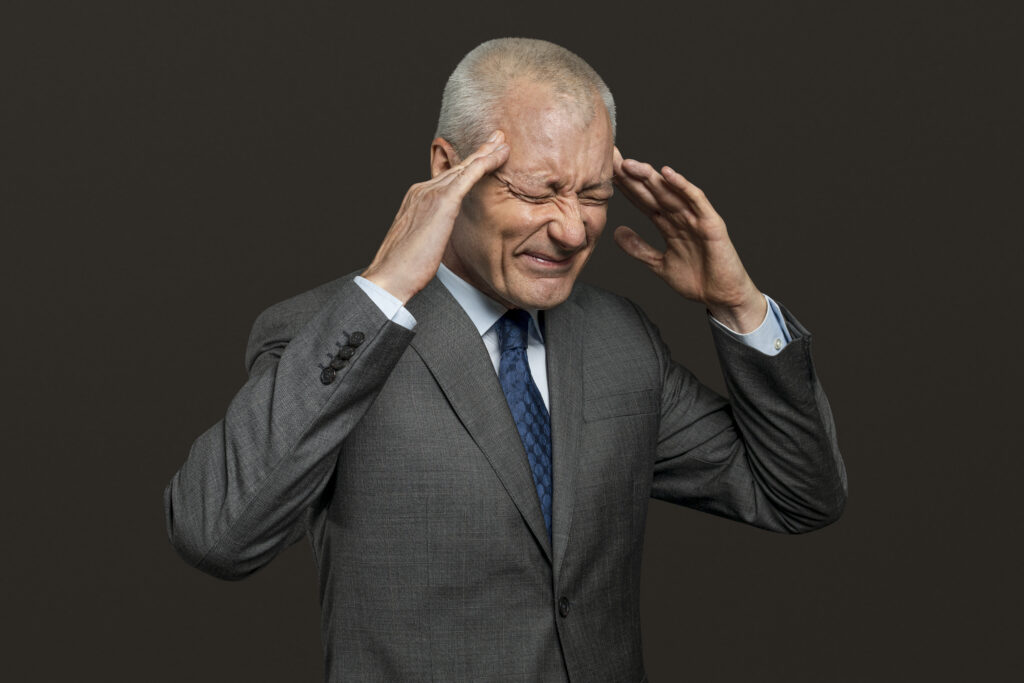
Aging is a natural and inevitable process, yet it often brings emotional challenges that can feel overwhelming. Among these, panic and fear are particularly distressing experiences for older adults. These emotions may arise from health concerns, loss of independence, social isolation, or changes in cognitive functioning. While occasional fear is a normal human response, persistent […]
Addressing Stigma Around Mental Illness in Local Communities
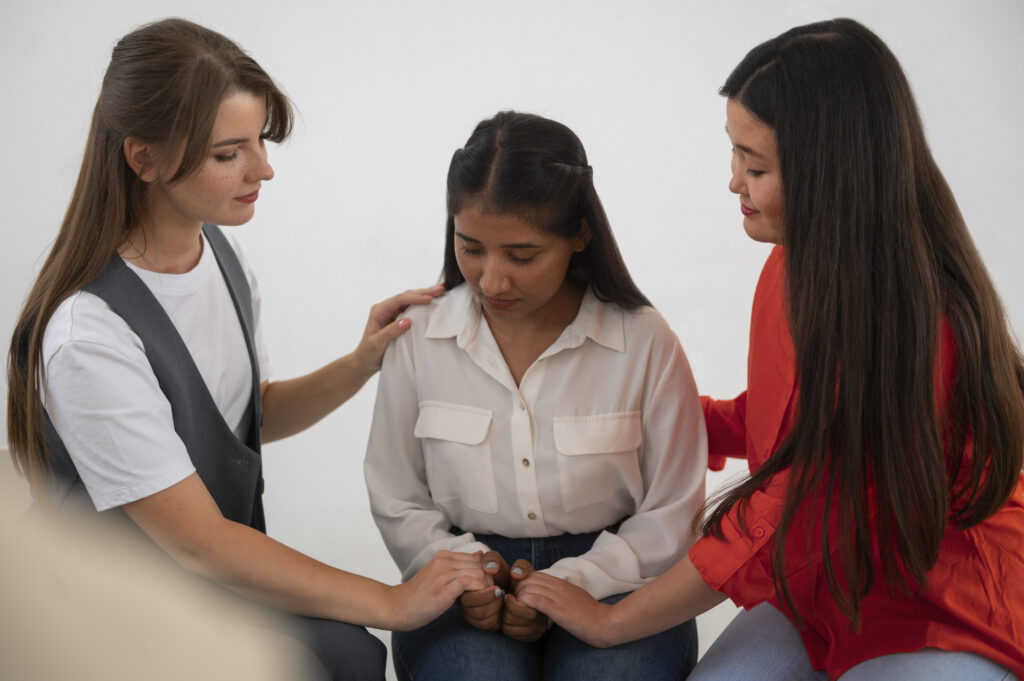
Mental health has become an increasingly important topic in recent years, yet stigma continues to be one of the biggest barriers preventing individuals from seeking help. In many local communities, misconceptions, cultural beliefs, and a lack of awareness contribute to silence, shame, and discrimination around mental illness. Addressing stigma is not just about spreading awareness—it […]
Healthy Growth Milestones in Children: What Parents Should Know

Raising a child involves much more than ensuring physical growth—it’s about nurturing emotional strength, social skills, and a solid mental health foundation. In today’s fast-paced world, children often face academic pressure, stress, and even early signs of attention-related challenges like ADHD. Understanding healthy growth milestones can help parents guide their children toward resilience, self-improvement, and […]
Late-Life Depression: Why It Often Goes Unnoticed

Late-life depression is a growing yet often overlooked mental health concern among older adults. Unlike younger populations, symptoms in the elderly may present differently, making it harder to identify and address. Many seniors experience emotional distress silently, often attributing their feelings to aging or physical health issues. This lack of recognition delays intervention and can […]
Understanding Speech Delays in Children

Speech and language development is a vital part of a child’s overall growth, helping them express needs, share emotions, ask questions, and build relationships. Strong communication skills also support learning, cognitive development, and social confidence, making them essential for success in school and daily life. However, speech delays can sometimes affect this development, making early […]
Bone Health & Confidence in Mobility for Seniors

As individuals age, maintaining strong bones and confident mobility becomes essential for preserving independence and overall quality of life. Bone health is not just about preventing fractures; it is closely linked to balance, strength, and the ability to perform daily activities with ease. Many seniors experience a gradual decline in bone density and muscle strength, […]
Why Seniors Feel Embarrassed About Forgetting
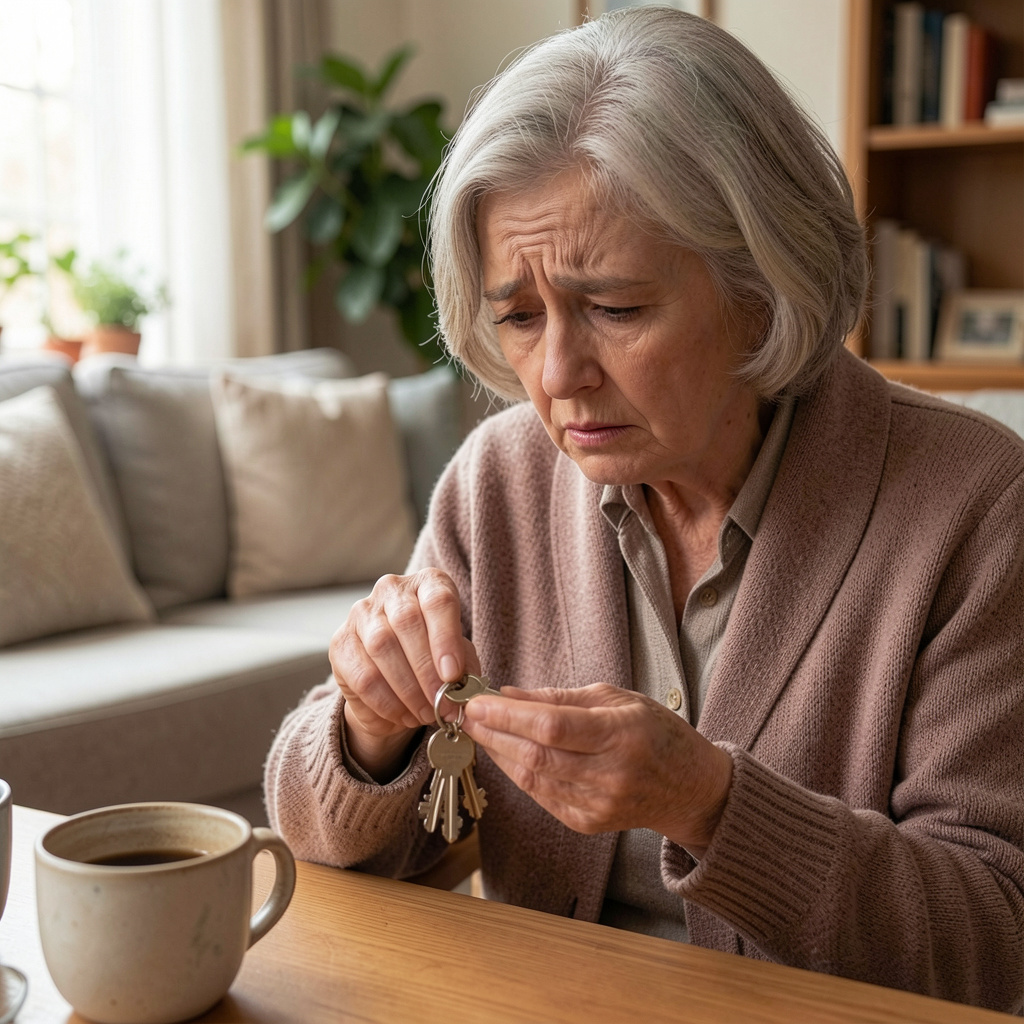
Ageing is a natural part of life, yet it often brings changes that can feel unfamiliar and unsettling. One of the most common concerns among older adults is forgetfulness—misplacing items, forgetting names, or struggling to recall recent events. While such experiences are often a normal part of aging, they can carry a deep emotional impact. […]
How Psychotic Disorders Impact Mental Health in the Elderly?

Psychotic disorders in older adults are complex mental health conditions that significantly affect emotional well-being, cognition, and daily functioning. These disorders may include schizophrenia, delusional disorder, and psychosis related to neurocognitive conditions such as dementia. In elderly individuals, psychotic symptoms—such as hallucinations and delusions—often present differently than in younger populations and may be influenced by […]
Maintaining Purpose and Meaning in Senior Years

Aging is a natural and meaningful phase of life that brings both opportunities and challenges. While it is often associated with retirement, physical changes, and shifting social roles, it can also be a time for reflection, growth, and fulfilment. Maintaining a sense of purpose during the senior years is essential for emotional well-being, mental health, […]