
Rediscovering Purpose in Later Life

Later life is often misunderstood as a period of slowing down or stepping away from meaningful engagement. In reality, it can be a powerful phase of rediscovery. With fewer external demands and more time for reflection, many older adults find themselves asking an important question: What gives my life meaning now? Purpose in later life […]
Role of Spirituality and Acceptance

Life inevitably brings change, uncertainty, and experiences that are not always within our control. During such times, individuals often search for ways to make sense of what they are going through. Spirituality and acceptance emerge as two powerful psychological resources that help people navigate challenges with greater clarity and inner stability. Spirituality does not necessarily […]
Acceptance vs. Change: What Should You Choose?

In life, we constantly face situations that challenge our sense of control—unexpected losses, relationship conflicts, career uncertainties, or personal struggles. In such moments, a common dilemma arises: should we accept things as they are, or should we try to change them? This question is not just philosophical; it directly impacts our emotional well-being, decision-making, and […]
Identity Loss: “Who Am I Without Them?”

Relationships shape us in profound ways. Whether it is a romantic partner, a close family member, or even a long-term friendship, the people we bond with often become intertwined with our identity. But when that connection ends through breakup, divorce, or loss it can leave behind a haunting question: “Who am I without them?” This […]
Understanding Grief in Old Age: Losing a Life Partner
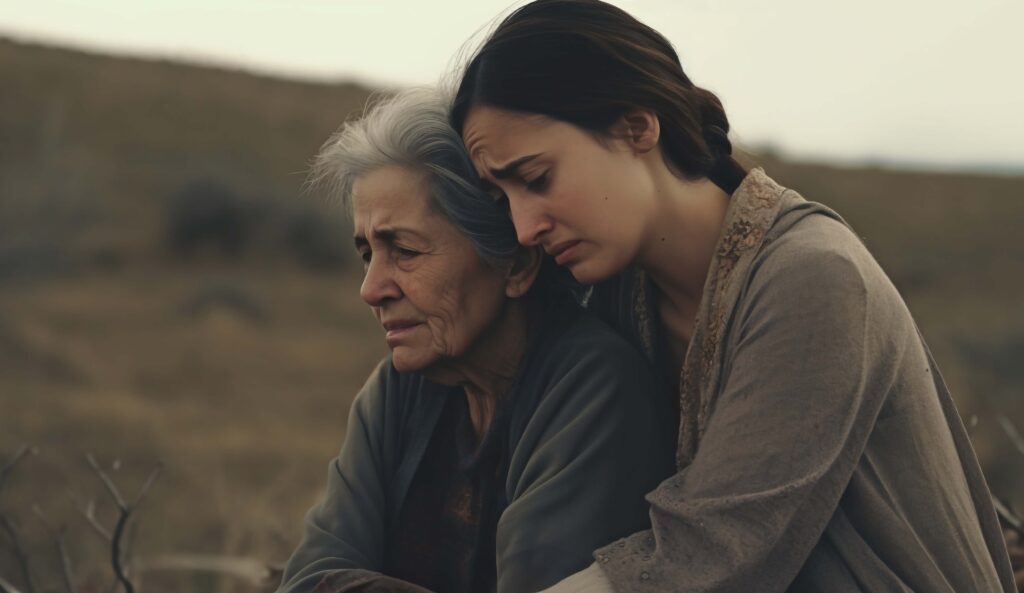
Grief is a deeply personal and universal experience, yet its intensity and complexity can vary significantly across different stages of life. In old age, the loss of a life partner is often one of the most profound and life-altering events an individual can face. After decades of shared memories, routines, and emotional interdependence, the absence […]
Can Therapy Help Couples in Their Later Years?
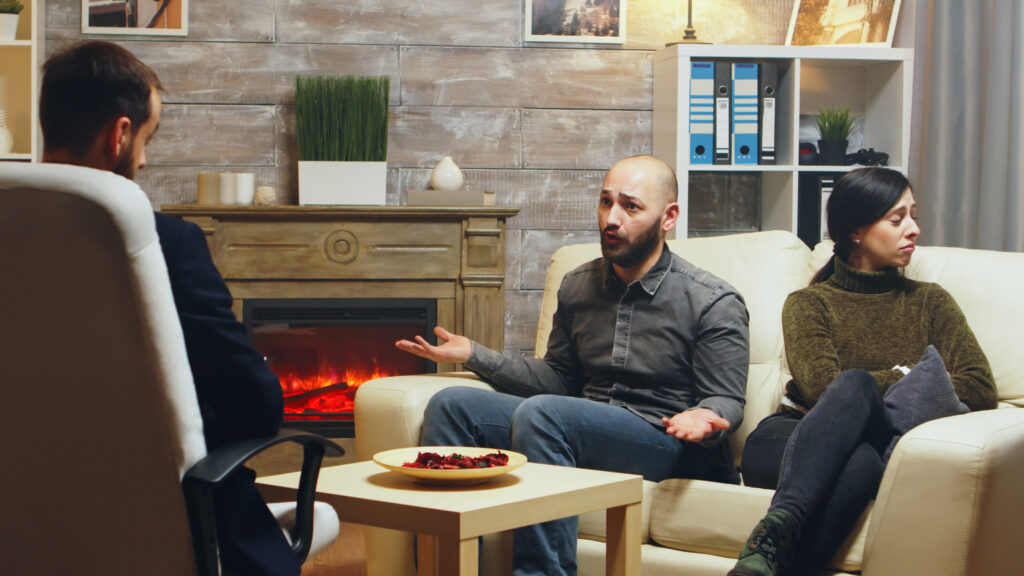
Aging brings significant changes in life, especially within relationships. For couples in their later years, the journey can be both rewarding and challenging. After decades of shared experiences, responsibilities, and transitions, relationships may face emotional distance, communication gaps, or unresolved conflicts. This raises an important question: can couples therapy truly help couples in their later […]
Emotional Dependency and Adjustment Challenges

Human relationships are built on connection, care, and interdependence. However, when emotional reliance on others becomes excessive, it can lead to emotional dependency. This pattern often creates challenges in adapting to change, managing stress, and maintaining a stable sense of self. Emotional dependency is not always obvious. It may appear as a constant need for […]
Forgiveness and Letting Go in Old Age

As individuals grow older, they often find themselves reflecting on their life experiences with greater depth and clarity. Relationships, decisions, and unresolved conflicts from earlier years may resurface, sometimes carrying emotional weight that has remained unaddressed. Forgiveness and letting go, in this context, are not merely moral ideals but psychological processes that influence well-being in […]
How to Find Peace Without Ending the Marriage

Marriage is often seen as a lifelong commitment, but that does not mean it is always emotionally easy. Many individuals reach a stage where dissatisfaction, emotional distance, or unresolved conflict begins to affect their well-being. Yet, not everyone wants to leave the marriage. For many, the goal is not separation but finding a way to […]
Starting Over After Divorce in Later Life

Divorce at any stage of life is a significant emotional transition, but starting over after divorce in later life can feel especially overwhelming. Often referred to as “grey divorce,” separation after the age of 50 brings unique challenges, including emotional adjustment, financial restructuring, and redefining one’s identity. However, it can also be a time of […]