
Travel to Heal: The Growing Journey Toward Wellness and Renewal
Wellness travel encourages people to view journeys as opportunities for restoration, reflection, and personal growth. A change of environment can help individuals reconnect with nature, relationships, and healthier habits. It does not require expensive or distant trips; even an intentional journey can support physical, emotional, social, and psychological well-being. Understanding the Connection Between Travel and […]
Healing Beyond Home: How Wellness Travel Is Transforming Self-Care

For many people, travel has traditionally been associated with sightseeing, adventure, food, and relaxation. Today, however, the meaning of travel is changing. Increasingly, people are travelling not simply to visit a destination but to reconnect with themselves, reduce stress, improve their well-being, and return home feeling refreshed. This growing approach is often described as wellness […]
Post-Surgery Rehabilitation at Home: What Families Need to Know
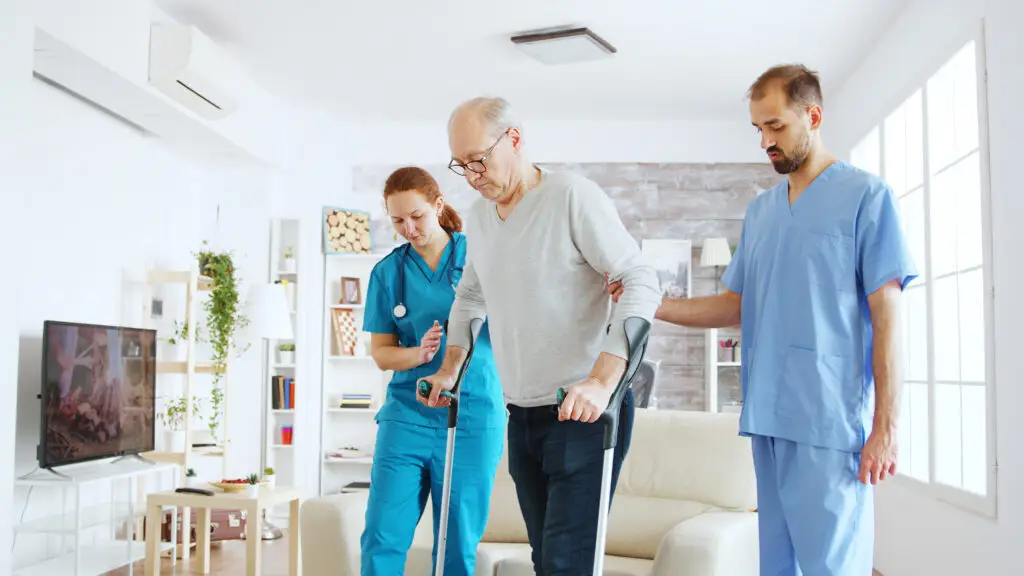
Surgery may end in the operating room, but recovery continues long after the patient returns home. The period following discharge can involve pain, weakness, restricted movement, medication schedules, wound care, dietary changes, and emotional adjustments. For families, this phase can feel overwhelming because they suddenly become an important part of the recovery process. With appropriate […]
Elderly Services: Be a Lifeline for the Elderly
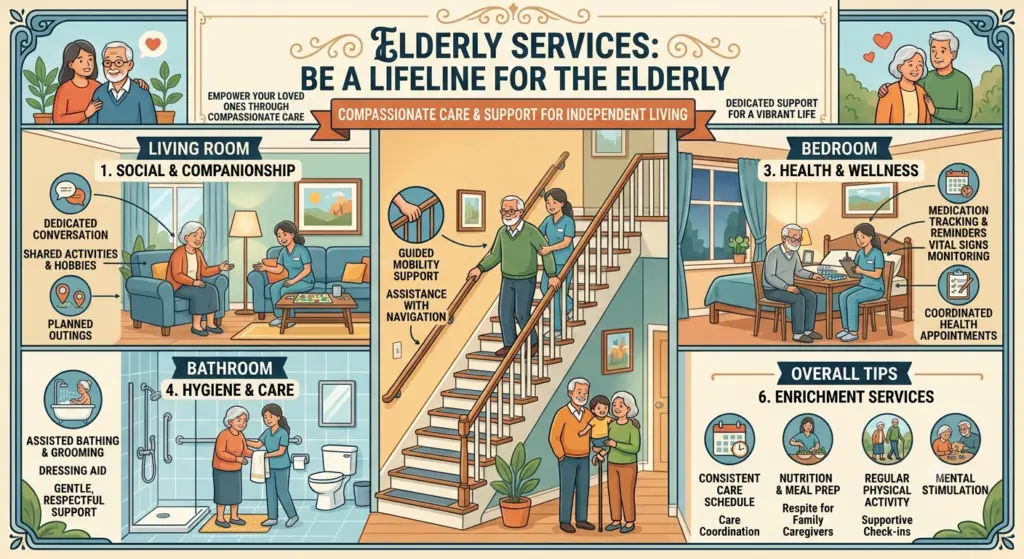
Ageing brings wisdom and meaningful memories but can also involve challenges such as retirement, health changes, reduced mobility, bereavement, financial concerns, and changing family structures. As families become more dispersed, some older adults may need additional support to remain healthy, socially connected, and independent. Elderly services can address practical, emotional, social, and healthcare needs while […]
A Complete Guide to Fall Prevention at Home for Ageing Parents
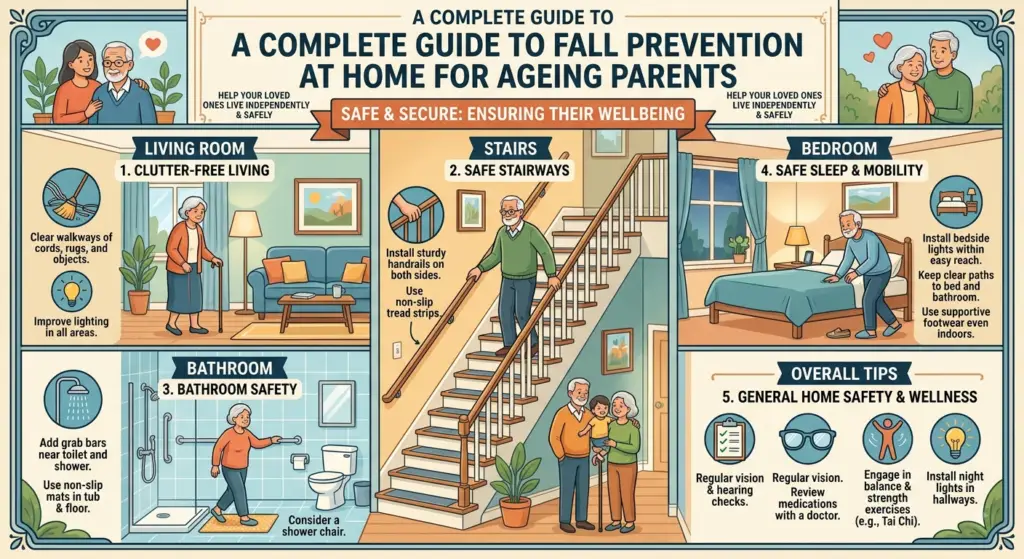
As parents grow older, changes in balance, vision, muscle strength, mobility, and medication use can increase the risk of falls. Falls may lead to injuries, reduced confidence, or loss of independence. However, many household falls can be prevented through simple home modifications, regular health monitoring, and appropriate support, helping older adults remain safer and independent. […]
The Care That Walks With You
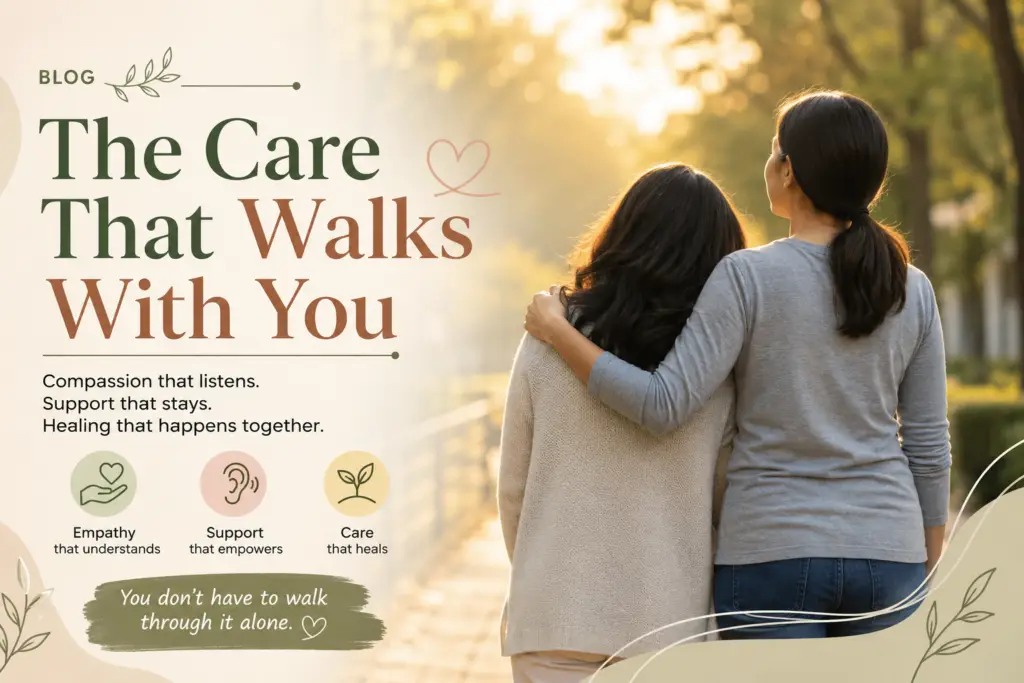
Care is often associated with illness or dependence, but meaningful care can also be a continuous source of support throughout life. As people age, changes in health, mobility, social roles, and emotional needs may arise. Dependable care can help them navigate these transitions while preserving dignity, independence, and choice. It is not just about assistance […]
Redefining Winning: Active Ageing Beyond Seventy
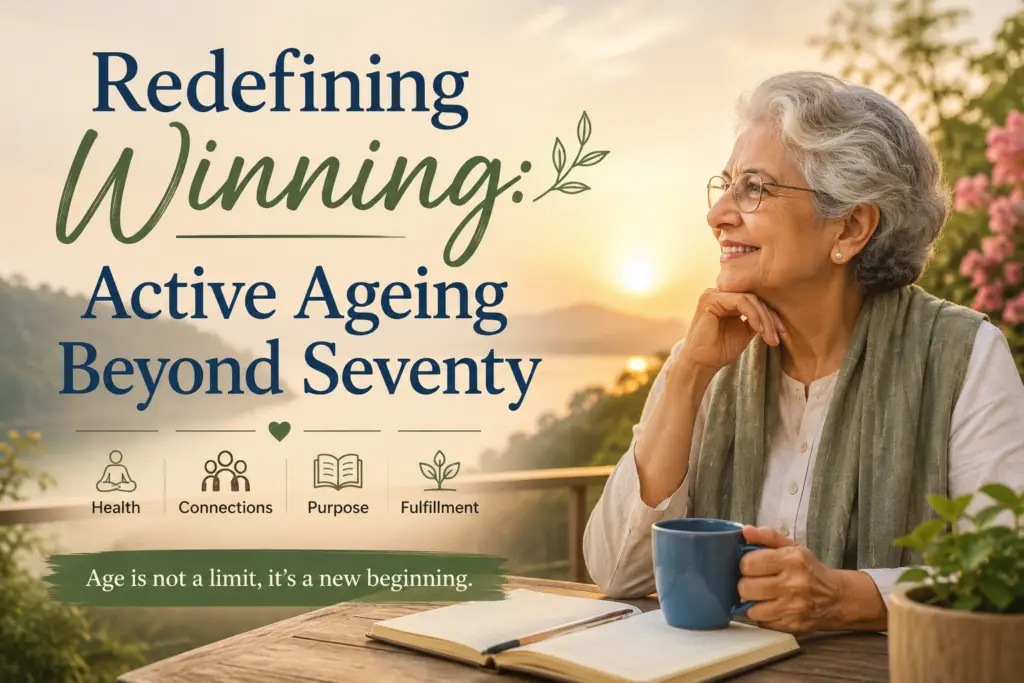
Ageing is more than a number. Life after seventy can continue to involve learning, relationships, activity, creativity, and personal growth. Active ageing focuses on health, independence, connection, and purpose, shifting attention from limitations toward well-being, meaningful engagement, and quality of life. Moving Beyond Traditional Ideas of Success After retirement, traditional measures of success such as […]
Why Routine & Daily Structure Are Essential for Older Adults
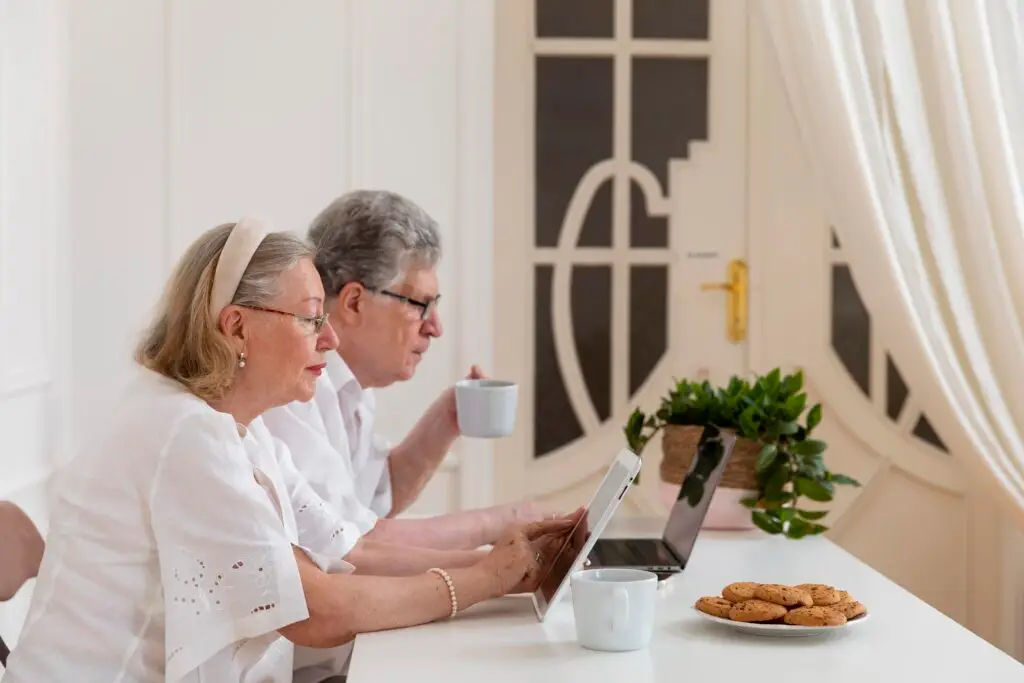
As people grow older, maintaining a sense of stability and purpose becomes increasingly important for both physical and mental well-being. Retirement, changes in health, the loss of loved ones, or reduced social interaction can sometimes disrupt an older adult’s daily life, leading to feelings of loneliness, anxiety, or confusion. Establishing a consistent routine provides structure, […]
The Best Exercises to Improve Focus & Brain Health in Seniors

Aging is a natural part of life, but growing older does not necessarily mean losing mental sharpness or independence. While certain changes in memory and attention are common with age, research consistently shows that an active lifestyle can significantly improve cognitive functioning and overall well-being. Just as physical exercise strengthens the body, specific activities can […]
Building Emotional Independence After the Loss of a Spouse

Losing a spouse is one of the most profound life transitions an individual can experience. Beyond the emotional pain, it often brings significant changes in daily routines, social roles, financial responsibilities, and plans. Adapting to life without a lifelong companion can be difficult for many older folks. While grief cannot be rushed or erased, it […]