Healing Beyond Home: How Wellness Travel Is Transforming Self-Care
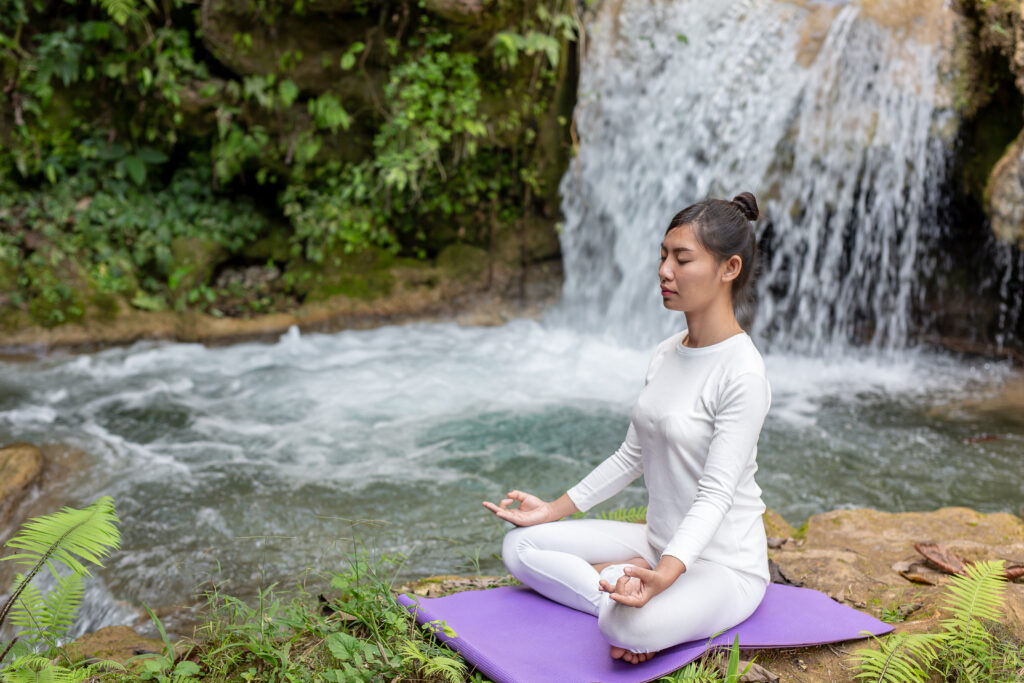
For many people, travel has traditionally been associated with sightseeing, adventure, food, and relaxation. Today, however, the meaning of travel is changing. Increasingly, people are travelling not simply to visit a destination but to reconnect with themselves, reduce stress, improve their well-being, and return home feeling refreshed. This growing approach is often described as wellness […]
Seven Warnings Your Older Parent May Need Expert Physical Therapy
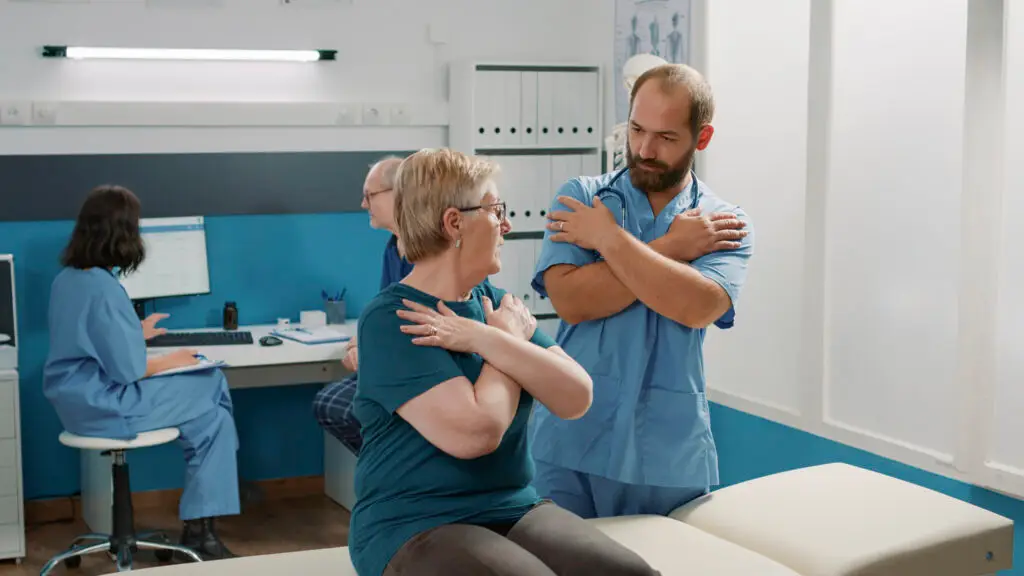
Aging does not automatically mean losing strength, balance, or independence. However, gradual changes in mobility can sometimes go unnoticed until they begin affecting everyday life. An older parent may stop taking walks, avoid stairs, hold onto furniture while moving around the house, or become hesitant about going outside. Families may dismiss these changes as “normal […]
Understanding, Preventing, and Responding to Elder Abuse
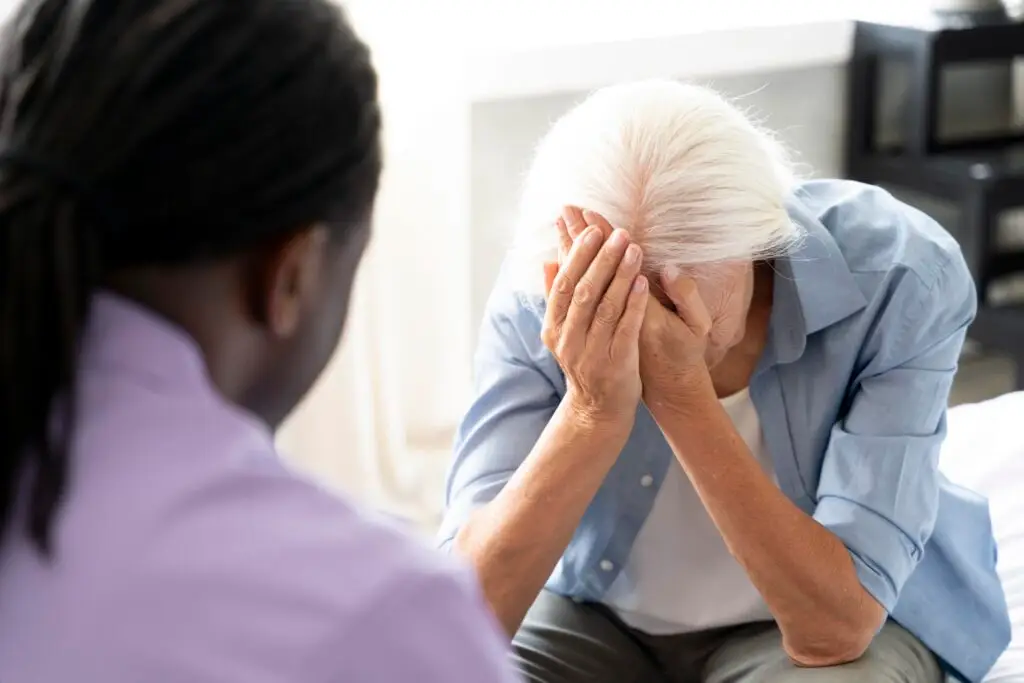
Aging should be a stage of life marked by dignity, security, companionship, and respect. Yet, many older adults experience situations that threaten these basic rights. Elder abuse can remain hidden because it may occur within families, caregiving relationships, residential facilities, or other settings where an older person expects care and trust. It is not always […]
Care Begins with the Community: Building a Culture of Dignified Ageing
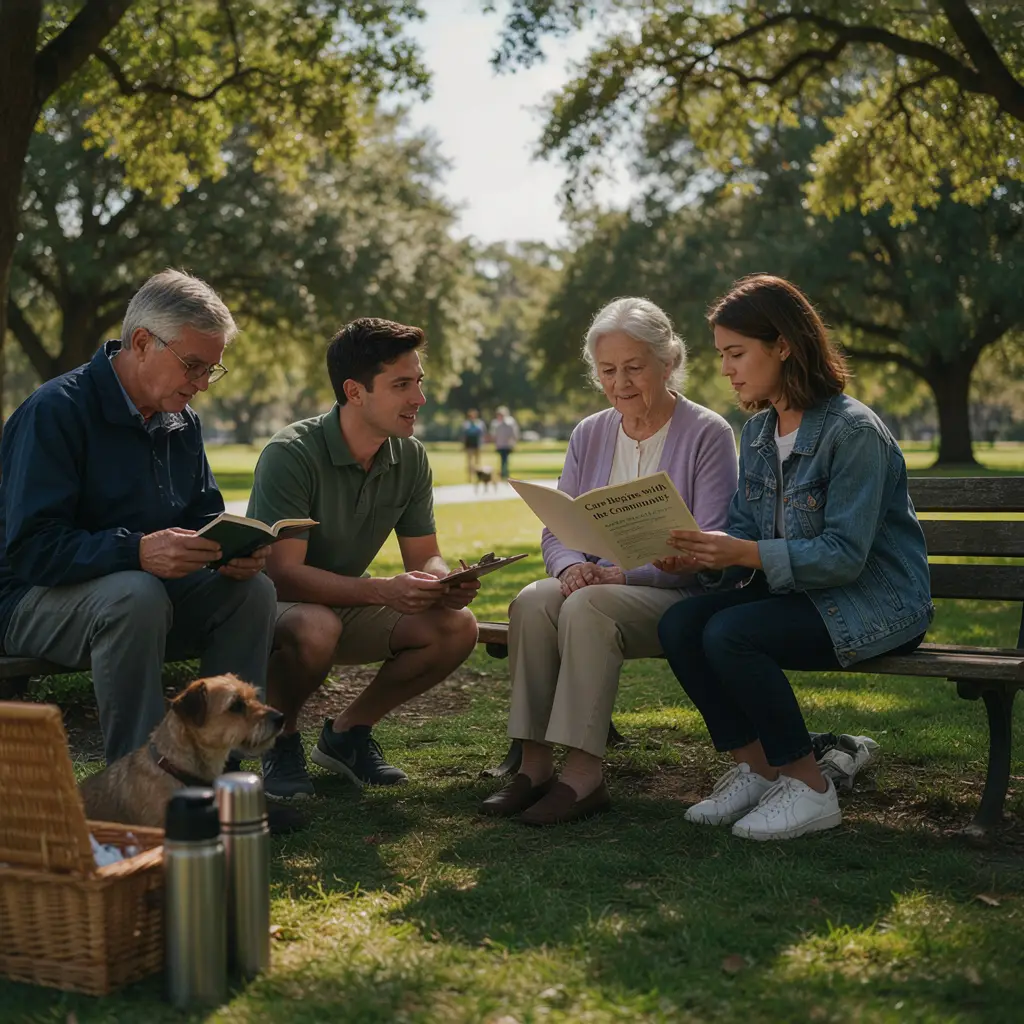
Aging is a social experience influenced by family ties, communities, healthcare systems, financial stability, and chances for meaningful engagement rather than just a biological process. As people live longer, the question is no longer only how to add years to life, but how to ensure that those years are healthy, connected, safe, and dignified. India […]
Financial Independence & Mental Well-being in Older Adults
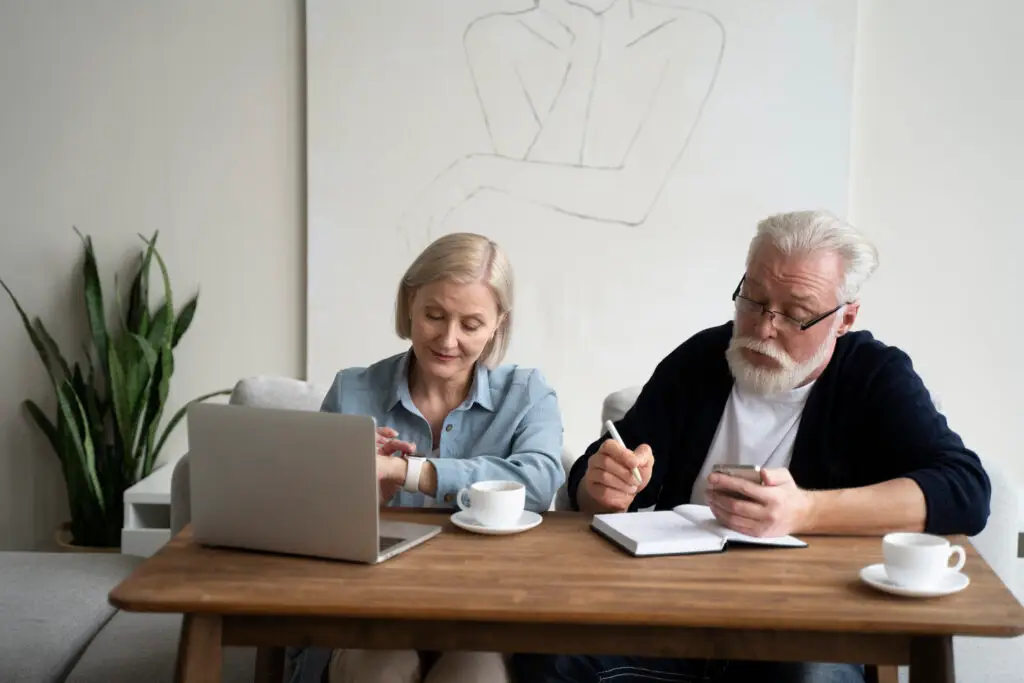
Financial independence plays a vital role in ensuring a secure, dignified, and fulfilling life for older adults. While aging often brings changes such as retirement, reduced income, or increased healthcare expenses, maintaining financial stability helps seniors preserve their confidence, autonomy, and emotional well-being. Beyond meeting daily needs, financial independence provides a sense of control over […]
Why Routine & Daily Structure Are Essential for Older Adults
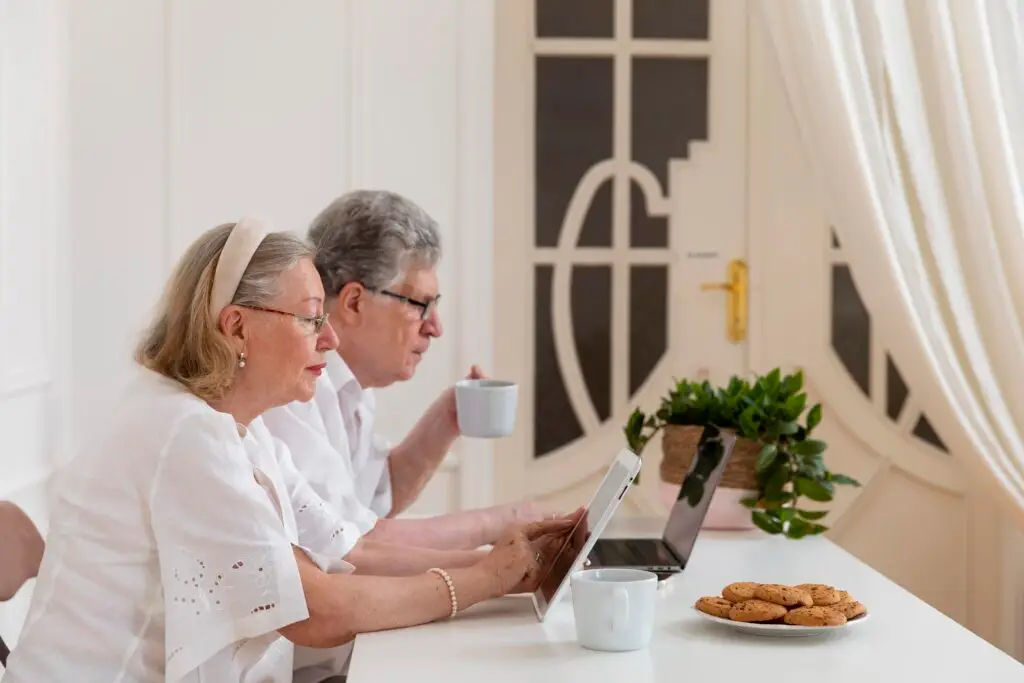
As people grow older, maintaining a sense of stability and purpose becomes increasingly important for both physical and mental well-being. Retirement, changes in health, the loss of loved ones, or reduced social interaction can sometimes disrupt an older adult’s daily life, leading to feelings of loneliness, anxiety, or confusion. Establishing a consistent routine provides structure, […]
Elder Abuse: Recognizing the Signs and Taking Action
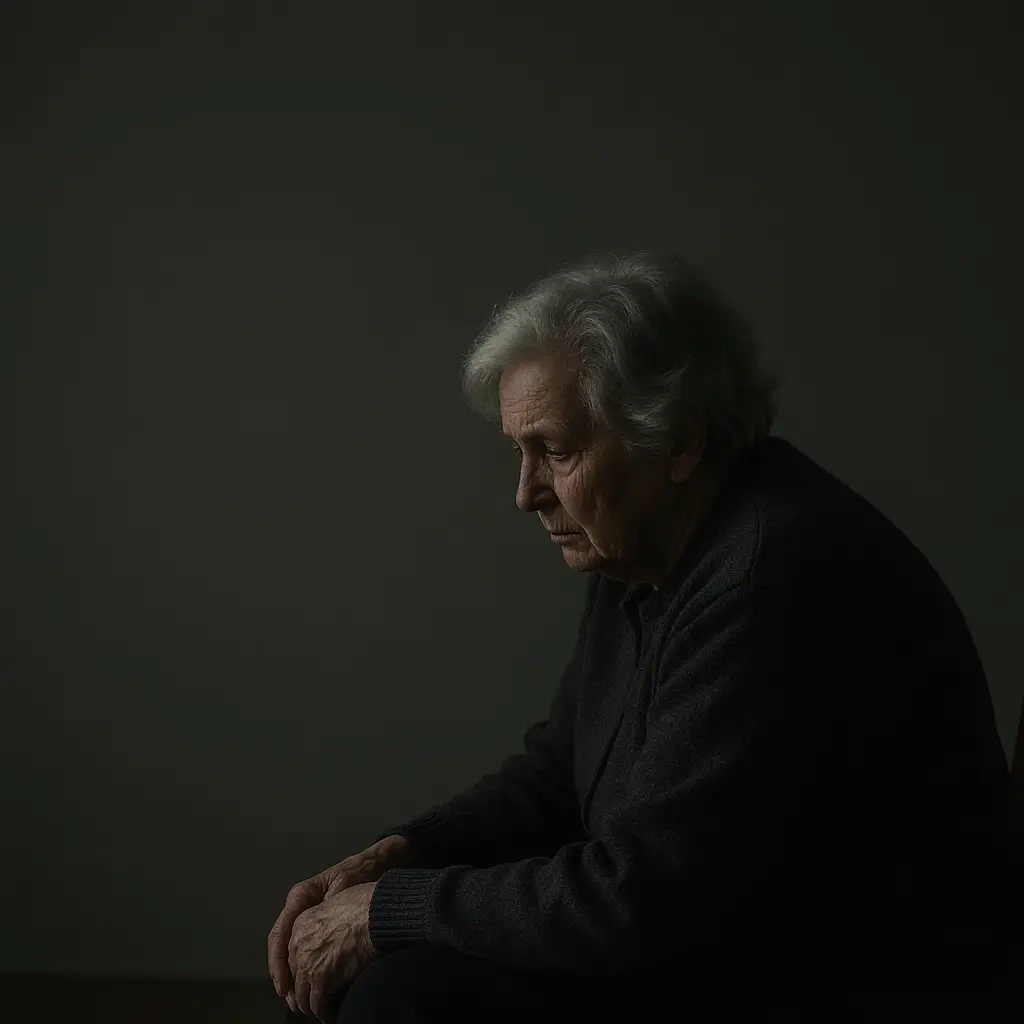
Growing older should be a stage of life marked by dignity, respect, and security. Unfortunately, many older adults experience mistreatment from those they trust the most. Elder abuse is a serious yet often hidden issue that affects the physical, emotional, social, and financial well-being of senior citizens. Due to fear, dependence on caregivers, social isolation, […]
Hurtful Things Grandparents Hear & Their Emotional Impact
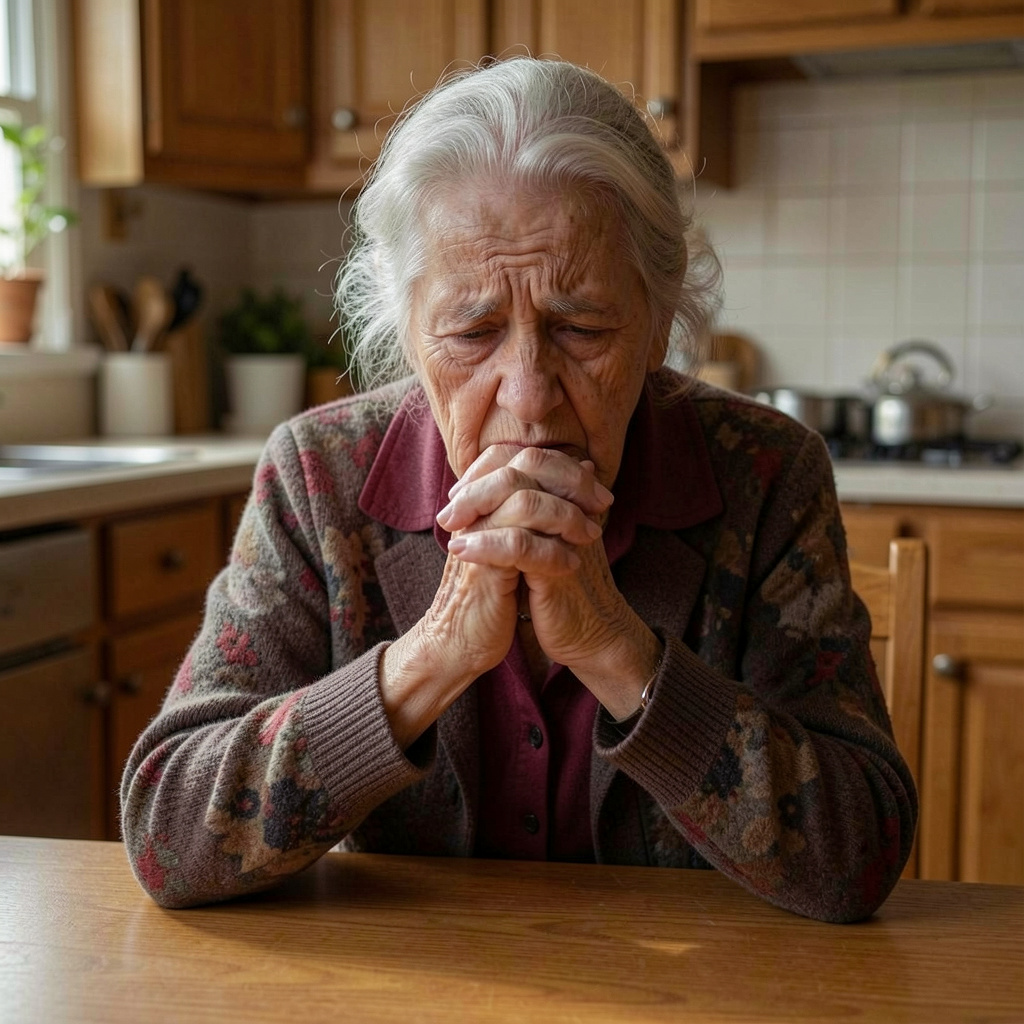
Grandparents hold a special place in families, offering love, wisdom, emotional support, and a sense of continuity across generations. Their presence often strengthens family bonds, preserves traditions, and provides valuable guidance to younger family members. However, despite their significant contributions, many grandparents experience emotional pain due to insensitive remarks, neglect, or feeling excluded from family […]
What Determines Life Satisfaction in Older Adults?
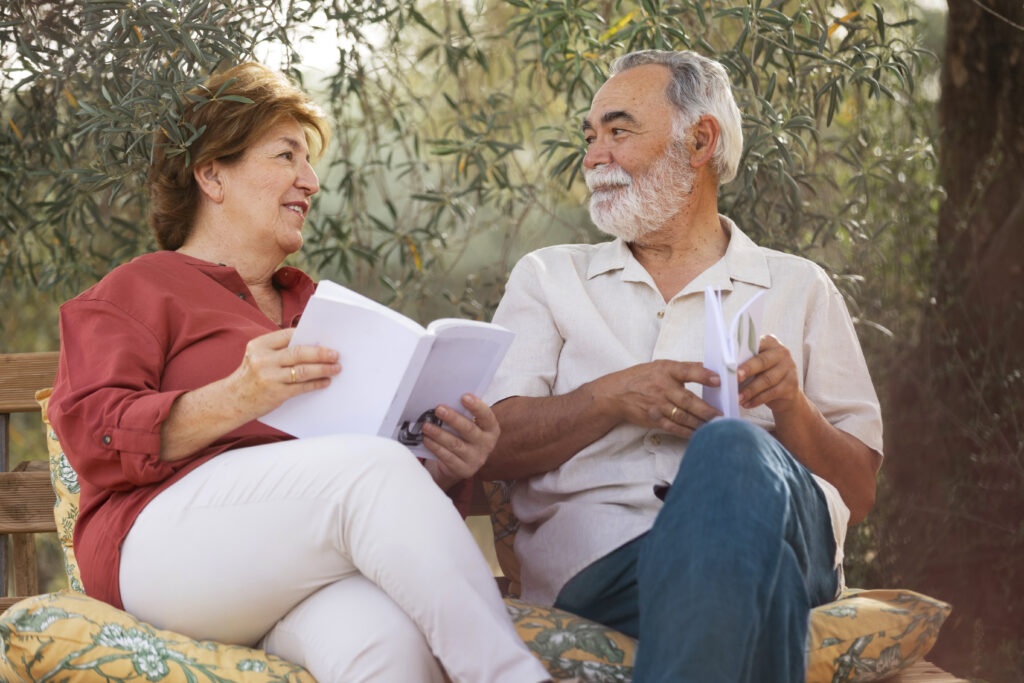
Growing older is a natural part of life, bringing new experiences, wisdom, and opportunities for personal growth. While aging often comes with physical, emotional, and social changes, many older adults continue to lead meaningful and fulfilling lives. One of the key indicators of healthy aging is life satisfaction, which reflects how individuals evaluate their overall […]
Understanding the Aging Process: What Changes Are Normal?
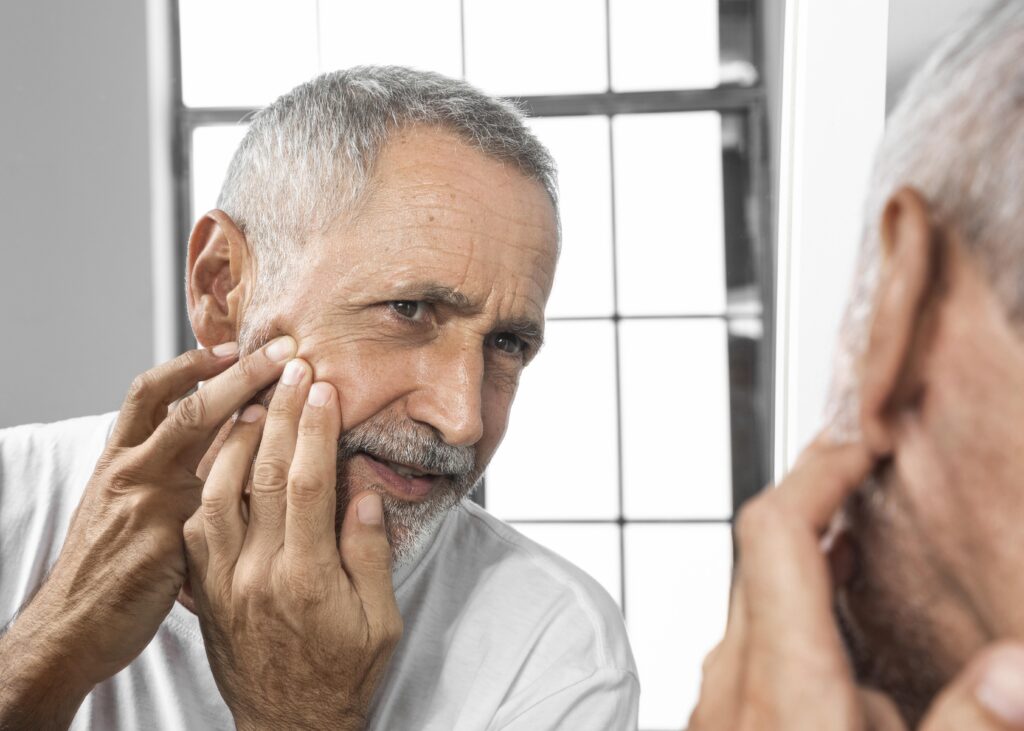
Aging is a natural and lifelong process that brings gradual physical, cognitive, emotional, and social changes. While many people associate aging with illness or disability, growing older does not necessarily mean poor health or a loss of independence. In fact, many age-related changes are a normal part of life and can be managed successfully through […]