
-
Late-Onset Schizophrenia: When Psychosis Appears After 60

Mental health conditions in older adulthood are often misunderstood or overlooked. Among these conditions, schizophrenia that develops after the age of 60 presents unique emotional, social, and medical challenges. Late-onset psychosis may include hallucinations, suspicious thoughts, confusion, or withdrawal from social interaction. Because these symptoms can resemble dementia or neurological disorders, diagnosis is often delayed.…
-
Guilt and Anxiety from Memory Problems in Ageing

As individuals age, occasional forgetfulness may become more noticeable. While some memory lapses are a normal part of aging, repeated difficulties with remembering names, appointments, or daily tasks can create emotional distress. Older adults may begin to worry about losing independence or becoming dependent on family members. These fears often contribute to persistent anxiety, emotional…
-
The Role of Social Engagement in Healthy Ageing

Healthy ageing is not only about maintaining physical strength but also about preserving emotional balance, mental clarity, and meaningful human connection. As individuals grow older, social engagement becomes an essential factor in sustaining psychological well-being and overall quality of life. Meaningful interactions with family, friends, neighbours, and communities provide emotional comfort, mental stimulation, and a…
-
The Silent Crisis of Abandonment

In today’s fast-paced and hyperconnected world, a paradoxical emotional crisis is quietly unfolding abandonment. While people are more digitally connected than ever before, many are experiencing deep emotional disconnection, loneliness, and feelings of being left behind. This silent crisis of abandonment is not always visible, yet it significantly impacts mental health, relationships, and overall well-being.…
-
Mental Health Support for Underprivileged Children: The Role of NGOs

Childhood is often associated with growth, learning, and emotional development within a supportive environment. However, for many underprivileged children, this phase is marked by instability, limited resources, and exposure to challenging life circumstances. Factors such as poverty, family disruption, lack of access to education, and unsafe environments can significantly affect a child’s mental and emotional…
-
Beyond Donations: How NGOs Create Long-Term Behavioral Change
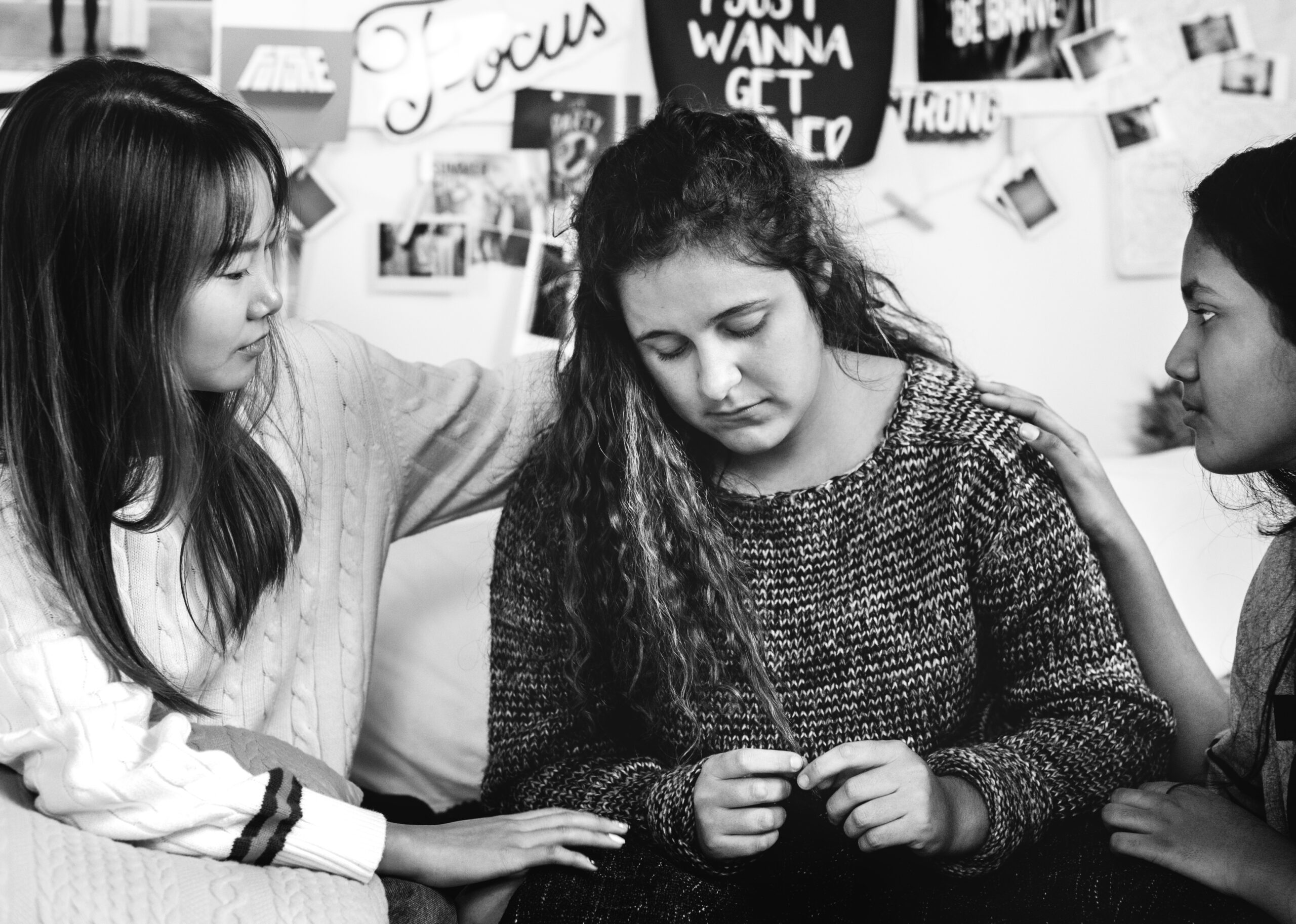
Non-governmental organizations (NGOs) are often associated with charity, providing food, clothing, or financial aid to those in need. While these efforts are important, the true impact of NGOs goes far beyond donations. The most effective organizations focus on creating long-term behavioral change, enabling individuals and communities to become self-reliant, informed, and resilient. Rather than offering…
-
Emotional Adaptation to Life Changes After Retirement

“For years, your life followed a schedule. Then one day… it doesn’t.” Retirement is often seen as a time of rest, freedom, and enjoyment, and while it can truly offer these benefits, it also brings a subtle emotional and psychological shift. Moving from a structured professional routine to unstructured days can feel both liberating and…
-
The Impact of Geriatric Health Issues on Older Parents

Aging is a natural phase of life, but for many older parents, it brings a complex mix of health challenges that can reshape their daily living and family relationships. Geriatric health issues go beyond physical illness; they influence emotional stability, independence, social roles, and even the financial structure of a household. As life expectancy increases,…
-
Medical Care for Elderly Patients in Poor Health

The aging population is growing rapidly across the world, and with it comes an increased need for specialized medical care. Elderly individuals, particularly those in poor health, often face complex medical conditions, limited mobility, and emotional challenges. Ensuring proper medical care for this vulnerable group is not only a healthcare priority but also a social…
-
The Growing Need for Geriatric Mental Health Services
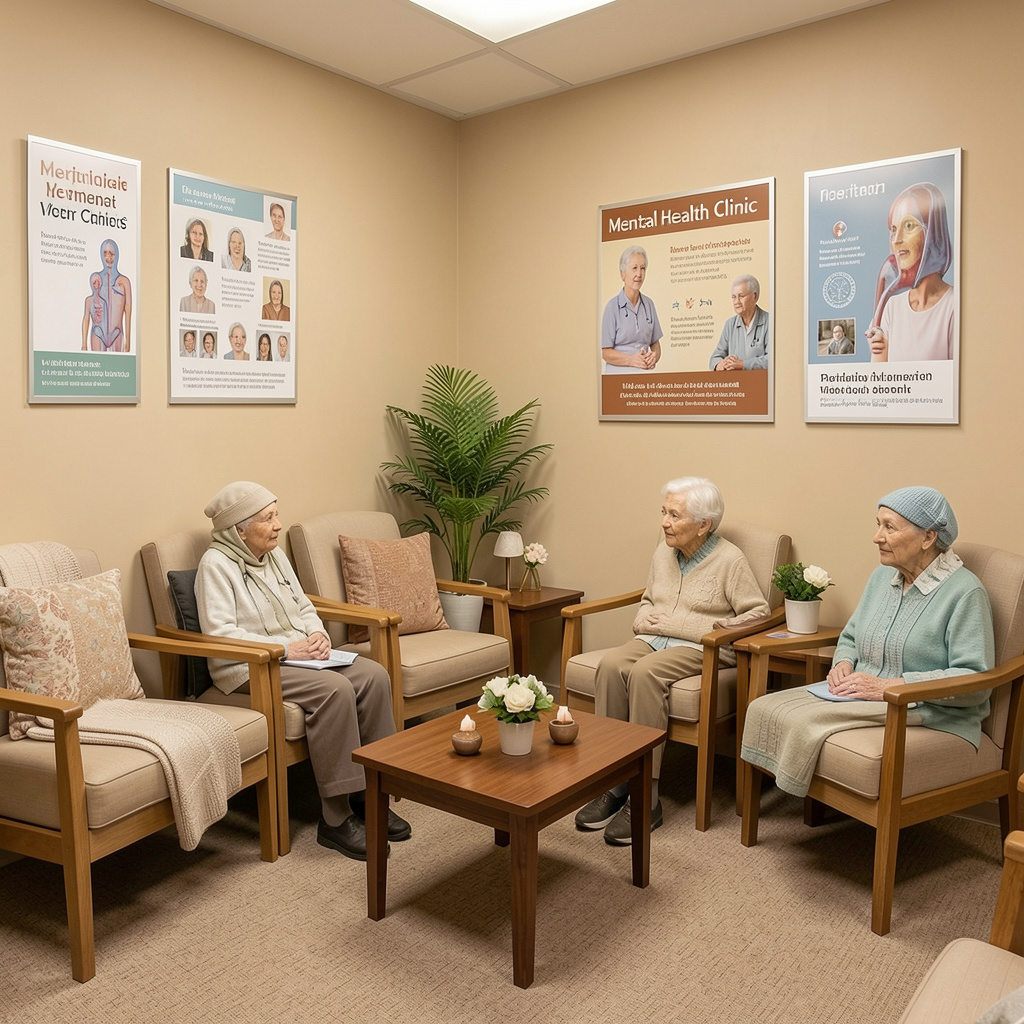
India is undergoing a silent demographic shift. With improved healthcare and increased life expectancy, the population of older adults is expanding rapidly. While this is a positive sign of development, it also brings new challenges, particularly in the area of mental health. Geriatric mental health services are no longer optional; they are essential for ensuring…