
-
Depression in Older Adults: Why It Often Goes Unnoticed
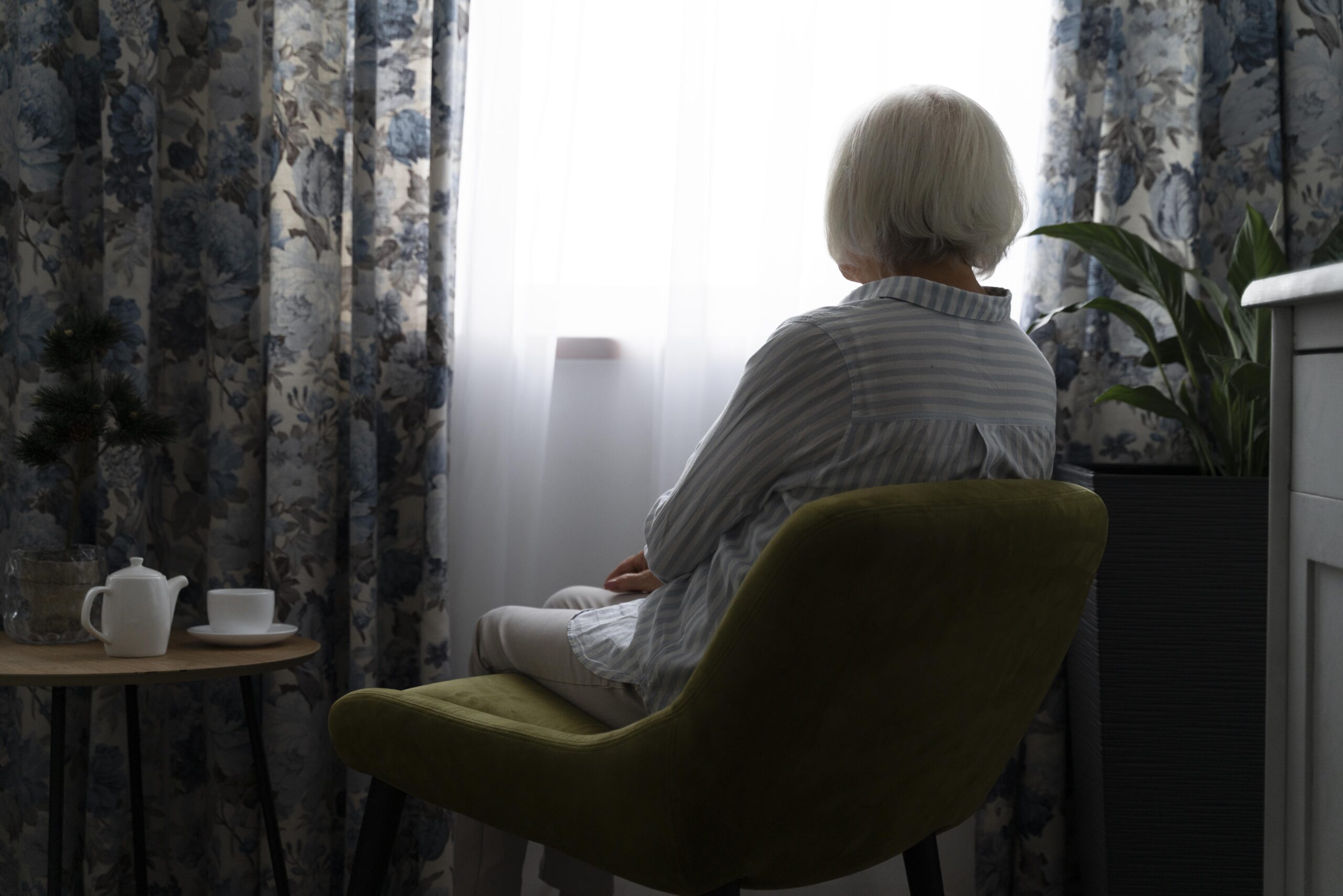
Growing older is often associated with wisdom, resilience, and life experience. But it can also present serious psychological and emotional difficulties. While physical illnesses among older adults receive considerable attention, mental health concerns, particularly depression, are frequently overlooked or misunderstood. Many people mistakenly assume that sadness, withdrawal, or a lack of energy are simply natural…
-
Digital Literacy for Older Adults: Building Confidence in a Technology-Driven World

Technology has become an integral part of daily life, influencing how people communicate, access healthcare, manage finances, and participate in society. While younger generations often adapt quickly to technological changes, many older adults face challenges when using digital devices and online services. Developing digital literacy among seniors is no longer a luxury; it is a…
-
Loneliness & Social Isolation in Older Adults: Causes, Effects, and Solutions
Growing older brings many life changes, including retirement, health concerns, changes in family structure, and the loss of loved ones. While many older adults continue to lead active and fulfilling lives, others experience reduced social contact and emotional disconnection. These experiences can significantly affect overall well-being if left unaddressed. Although spending time alone can sometimes…
-
Exercise & Emotional Well-Being: How Movement Boosts Brain Health
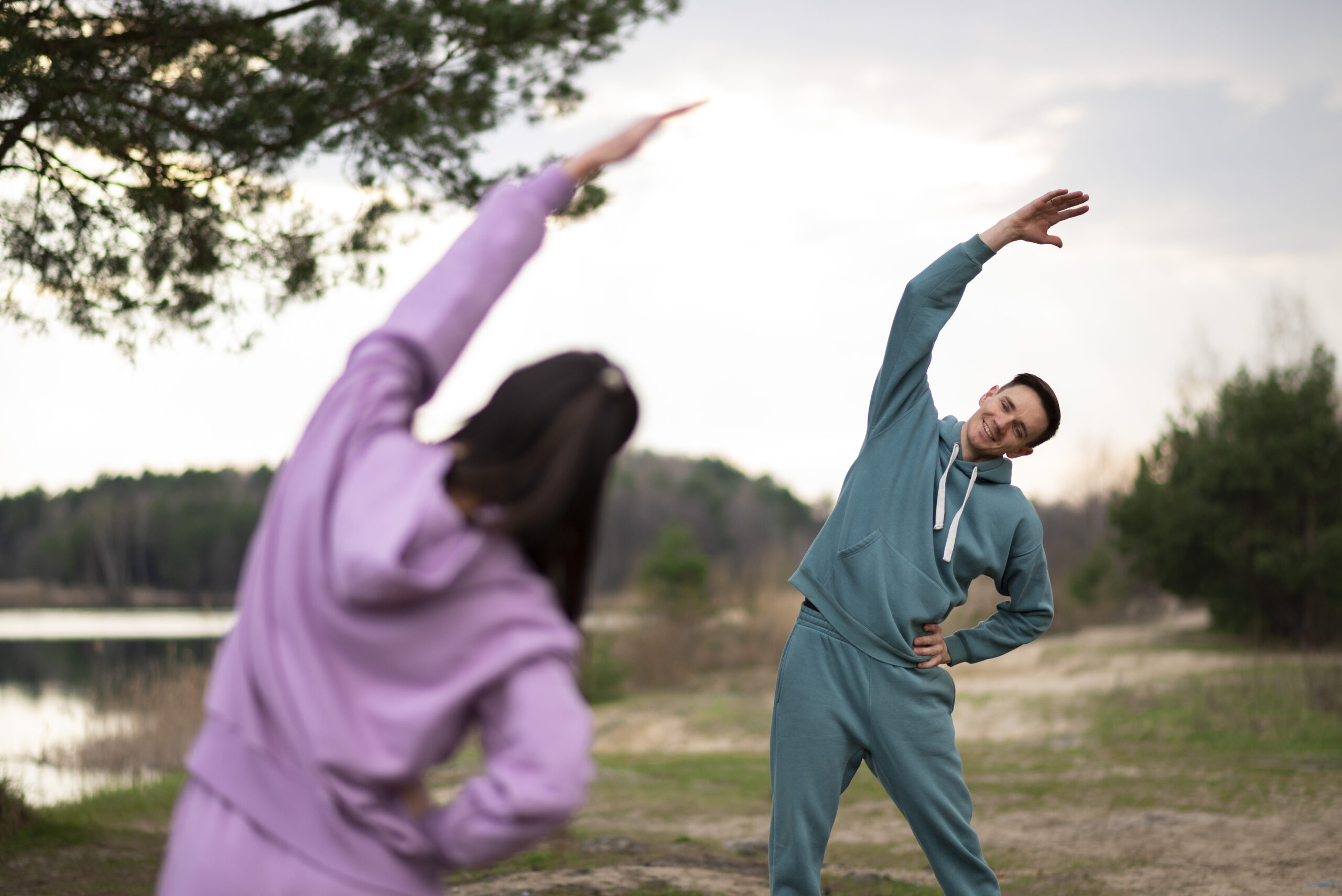
Modern life places significant demands on both the mind and body. Long work hours, academic pressures, changing lifestyles, and reduced opportunities for recreation can affect overall well-being. As awareness about holistic wellness continues to grow, researchers and healthcare professionals increasingly recognize the important relationship between physical movement and emotional functioning. Exercise is no longer viewed…
-
Digital Divide: How It Affects Both Children and Seniors

Technology has become an essential part of modern life. From education and healthcare to banking, communication, and employment, digital tools have transformed the way people learn, work, and connect with others. However, not everyone has equal access to these opportunities. The gap between individuals who can effectively access and use digital technology and those who…
-
Support Groups & Therapy for Elderly Grief
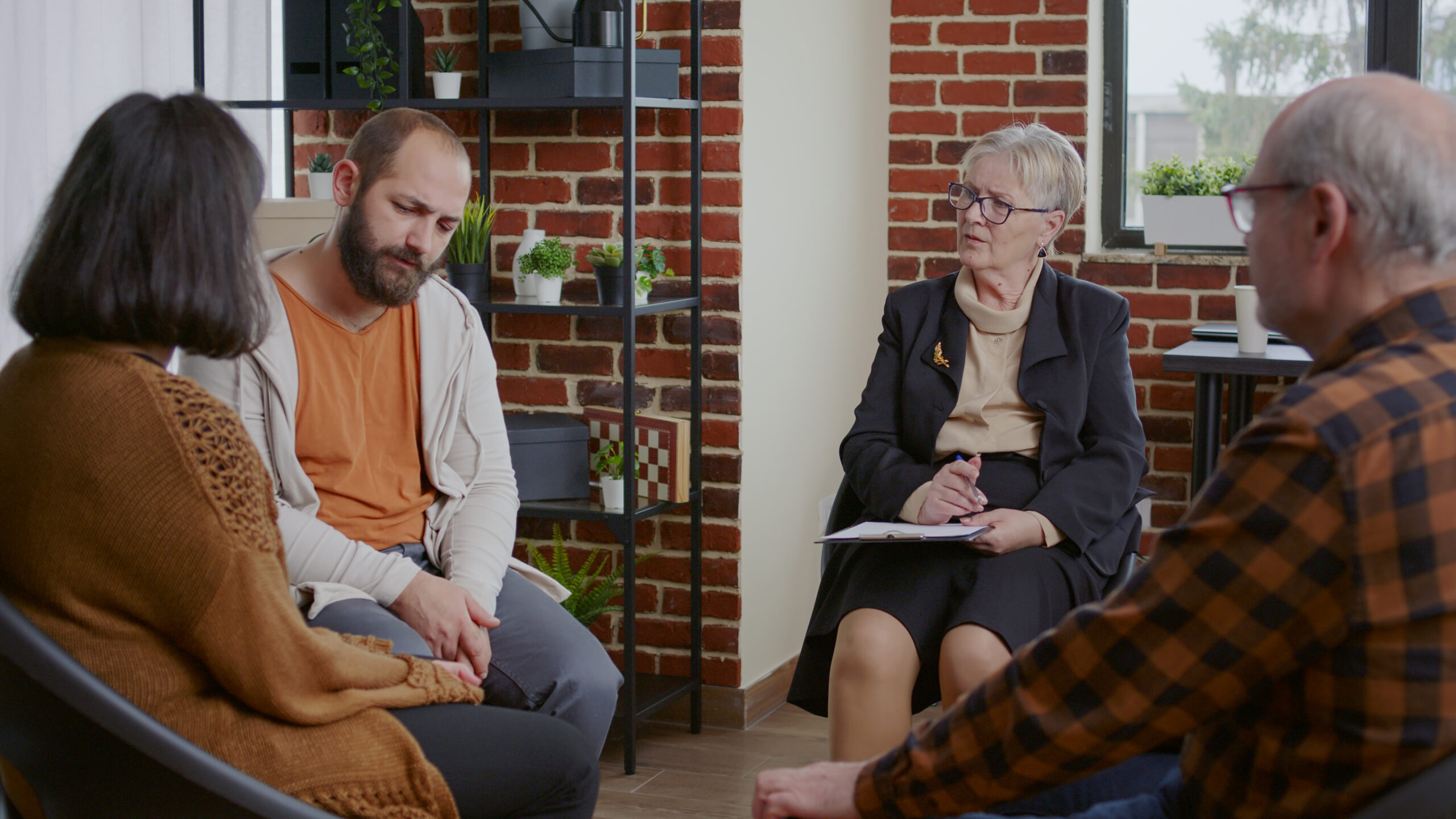
Grief is a natural response to loss, but for older adults, it can become particularly challenging. As people age, they may face multiple losses, including the death of a spouse, close friends, siblings, or even a sense of independence due to health changes. These encounters can cause severe emotional suffering that has an impact on…
-
Learning to Live Alone After Years of Togetherness
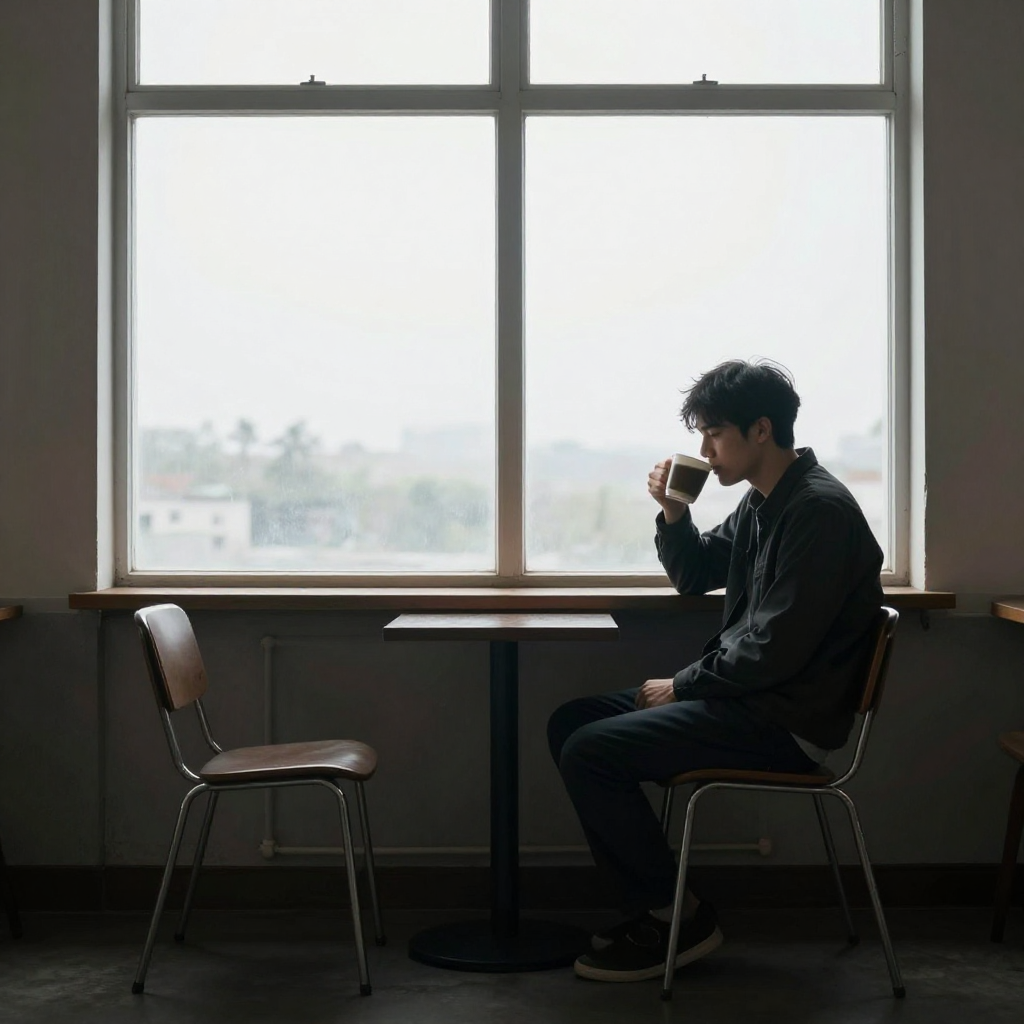
For many people, togetherness becomes a way of life. Whether it is a long-term marriage, a close family arrangement, or years spent caring for loved ones, sharing daily routines creates a sense of familiarity and emotional security. When circumstances change, children move away, a relationship ends, or a partner passes away, living alone can feel…
-
Do Indian Families Ignore Mental Health Until It’s Too Late?
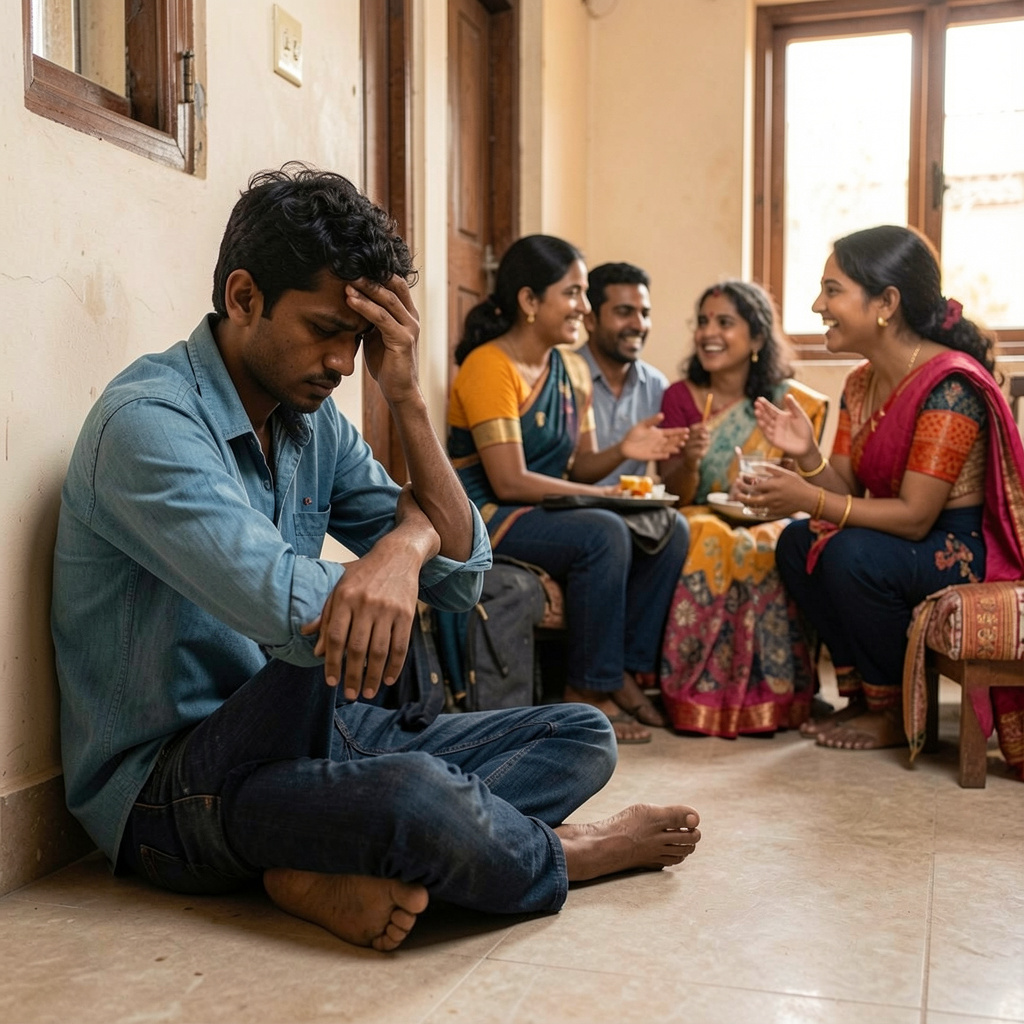
Mental health conversations in India have become more visible over the past decade. From social media awareness campaigns to workplace wellness initiatives and increased access to counseling services, society is gradually recognizing the importance of psychological well-being. Even so, a lot of families still find it difficult to talk honestly about mental health issues. In…
-
Intergenerational Bonding: Benefits for Children & the Elderly
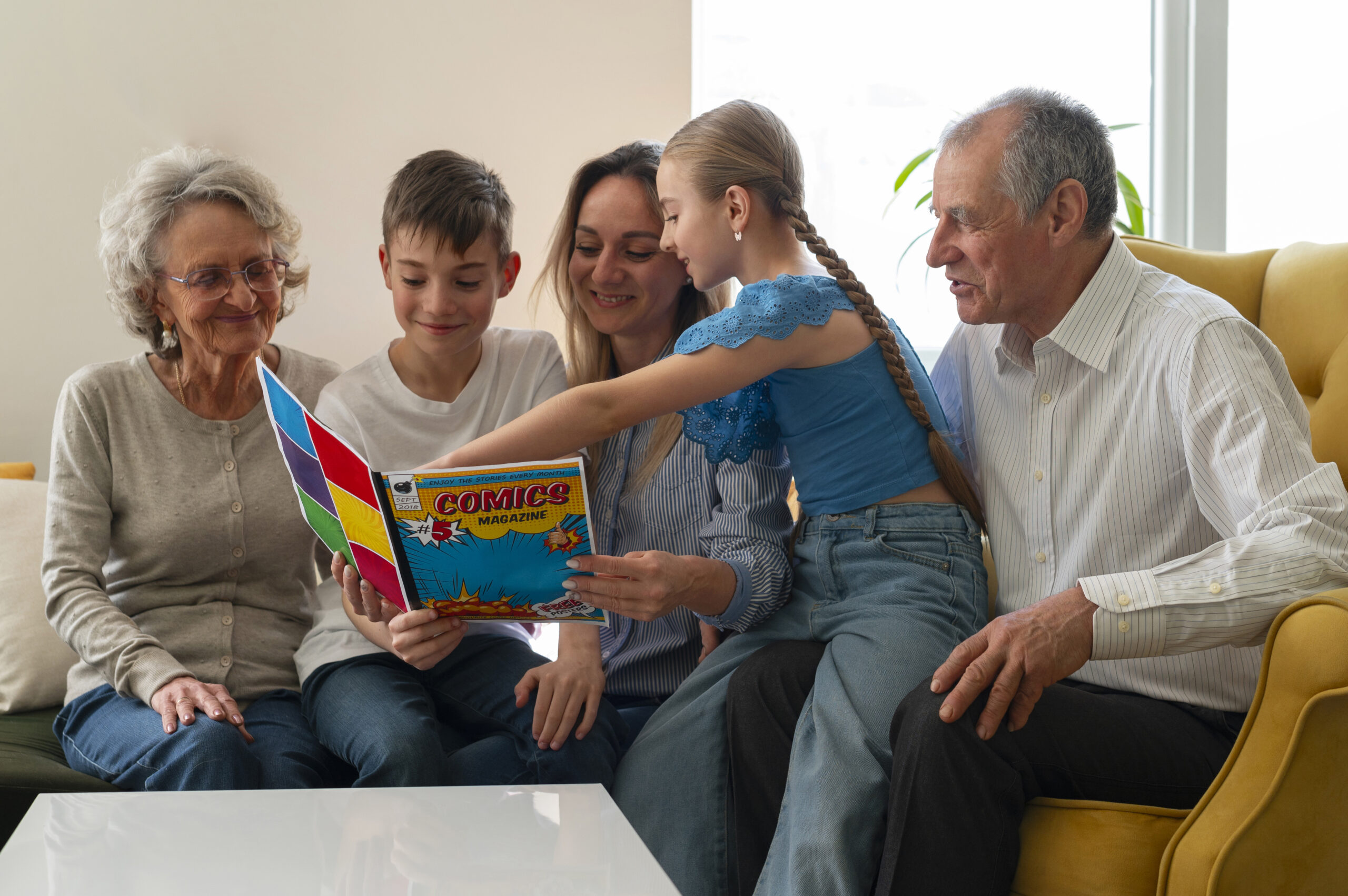
In today’s fast-moving world, families and how we relate to one another are changing. Many children grow up with limited contact with older adults, while many elderly individuals experience loneliness and social isolation. Intergenerational bonding, the meaningful interaction between children and older adults, offers a powerful solution that benefits both age groups. These relationships create…
-
Vulnerable Yet Overlooked: Safety Issues in Older Adults
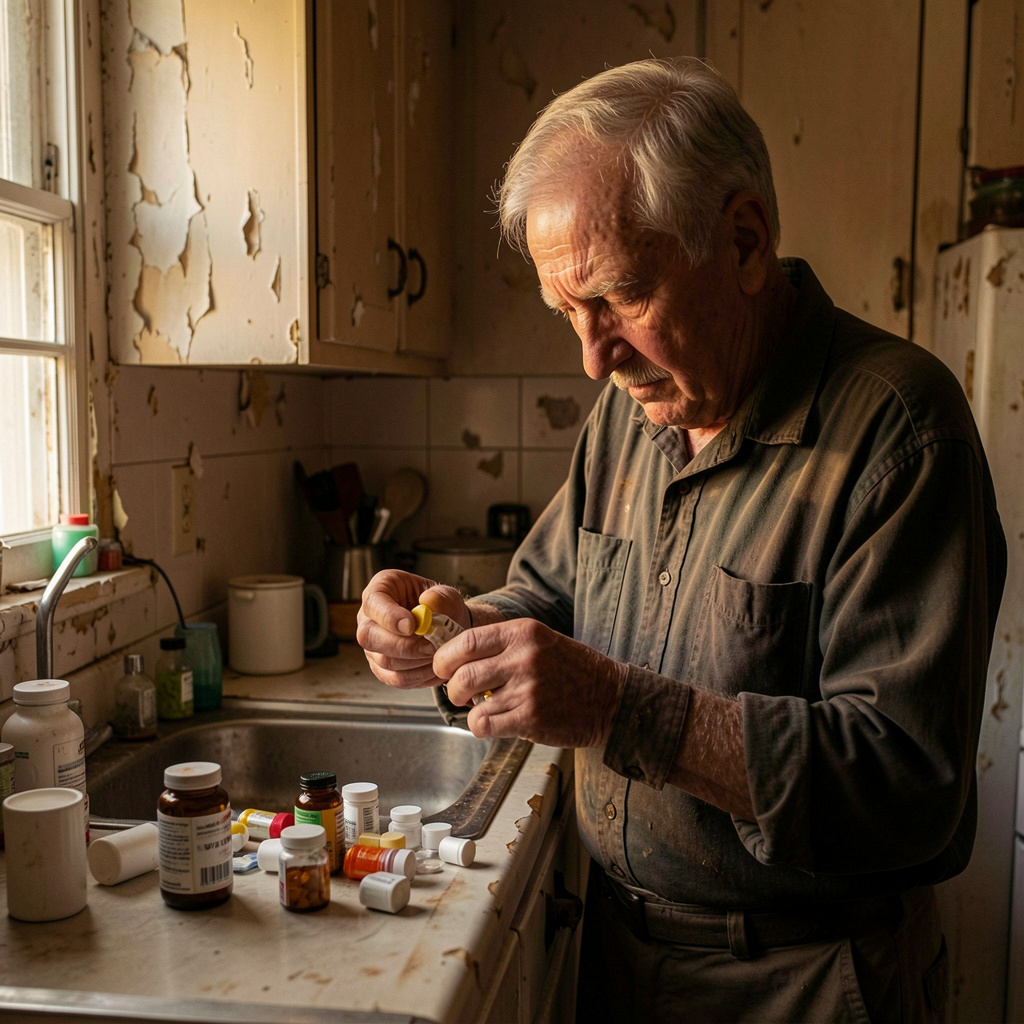
Aging is a natural part of life, but it also brings with it a variety of psychological, social, emotional, and physical challenges. Older adults often require increased care, emotional support, and protection to maintain their well-being and dignity. However, despite their vulnerability, safety concerns faced by elderly individuals are frequently overlooked by families, communities, and…