
Why Routine & Daily Structure Are Essential for Older Adults

As people grow older, maintaining a sense of stability and purpose becomes increasingly important for both physical and mental well-being. Retirement, changes in health, the loss of loved ones, or reduced social interaction can sometimes disrupt an older adult’s daily life, leading to feelings of loneliness, anxiety, or confusion. Establishing a consistent routine provides structure, […]
Elder Abuse: Recognizing the Signs and Taking Action
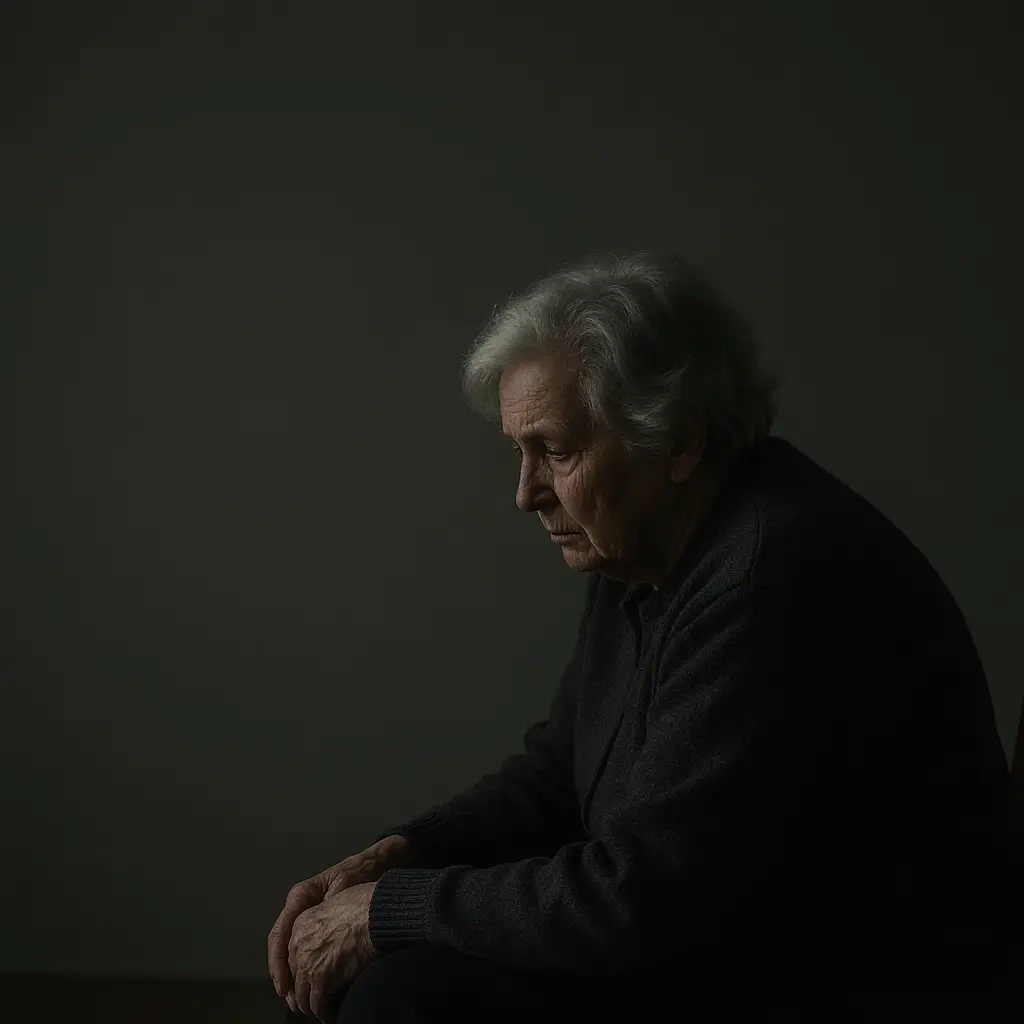
Growing older should be a stage of life marked by dignity, respect, and security. Unfortunately, many older adults experience mistreatment from those they trust the most. Elder abuse is a serious yet often hidden issue that affects the physical, emotional, social, and financial well-being of senior citizens. Due to fear, dependence on caregivers, social isolation, […]
The Best Exercises to Improve Focus & Brain Health in Seniors

Aging is a natural part of life, but growing older does not necessarily mean losing mental sharpness or independence. While certain changes in memory and attention are common with age, research consistently shows that an active lifestyle can significantly improve cognitive functioning and overall well-being. Just as physical exercise strengthens the body, specific activities can […]
Building Emotional Independence After the Loss of a Spouse

Losing a spouse is one of the most profound life transitions an individual can experience. Beyond the emotional pain, it often brings significant changes in daily routines, social roles, financial responsibilities, and plans. Adapting to life without a lifelong companion can be difficult for many older folks. While grief cannot be rushed or erased, it […]
Recognising Anxiety Disorders in Older Adults: Signs Often Overlooked
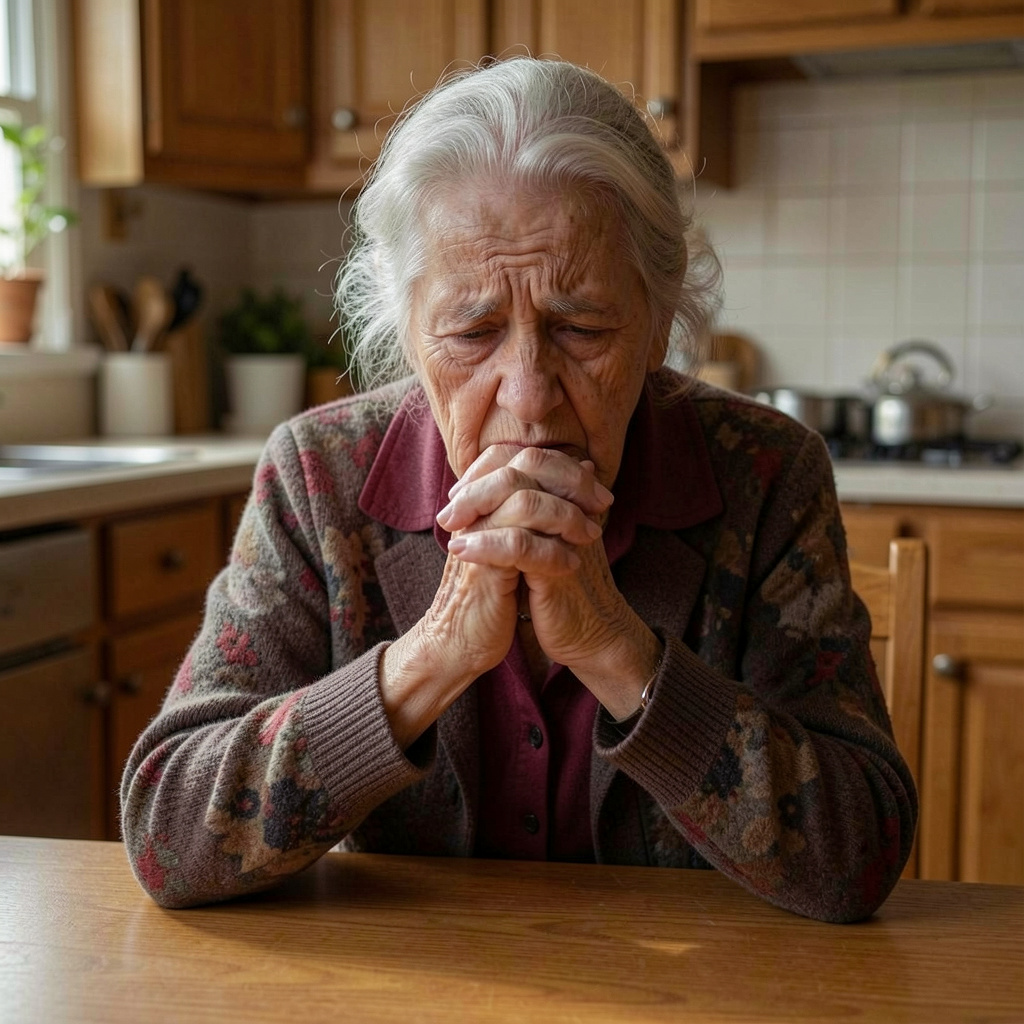
Anxiety is not limited to younger people; older adults can also experience anxiety disorders, often overlooked or mistaken for normal ageing. Life changes such as retirement, health concerns, loss of loved ones, and reduced independence can contribute to persistent worry and distress. Recognising the signs of anxiety disorders in seniors is important, as timely support […]
The Psychological Benefits of Having a Pet in Later Life

Ageing brings many meaningful experiences, including wisdom, personal growth, and deeper appreciation for relationships. However, later life can also involve significant changes such as retirement, changes in routine, reduced social interaction, and the loss of loved ones. These transitions may affect emotional well-being and overall quality of life. In recent years, research has highlighted the […]
What Determines Life Satisfaction in Older Adults?

Growing older is a natural part of life, bringing new experiences, wisdom, and opportunities for personal growth. While aging often comes with physical, emotional, and social changes, many older adults continue to lead meaningful and fulfilling lives. One of the key indicators of healthy aging is life satisfaction, which reflects how individuals evaluate their overall […]
Successful Ageing: Evidence-Based Habits for a Longer, Healthier, and Happier Life

Growing older is a natural part of life, but ageing successfully involves much more than simply living longer. Advances in healthcare, nutrition, and preventive medicine have shown that many aspects of healthy ageing are influenced by everyday lifestyle choices. By adopting evidence-based habits that support physical, cognitive, and emotional well-being, older adults can maintain independence, […]
Caregiver Stress: How Families Can Support Without Burning Out

Caring for a loved one is one of the most meaningful expressions of compassion and commitment. Whether supporting an aging parent, a spouse with a chronic illness, or a family member recovering from a medical or psychological condition, caregiving often becomes an integral part of daily life. While caregiving can foster deeper emotional bonds and […]
Emotional Resilience in Later Life: How Older Adults Cope with Stress
Later life is often portrayed as a period of rest, wisdom, and greater freedom. While these experiences may be meaningful, aging can also involve major transitions that require psychological adjustment. Retirement, changes in daily routines, chronic health conditions, reduced independence, financial concerns, caregiving responsibilities, bereavement, and changes in social roles may create emotional challenges. However, […]