Sleep, Ageing, & Mental Health: Why Rest Matters More After 60

After the age of sixty, sleep becomes a defining factor in mental health and emotional resilience. Contrary to the belief that older adults need less rest, the requirement for restorative sleep remains unchanged, even as the body’s ability to achieve it declines. Disrupted sleep in later life directly affects mood, memory, and the brain’s capacity […]
Aging Without a Manual: Navigating Life Transitions After Sixty

The transition into the seventh decade of life is one of the most profound stages of aging, yet it is also the one most people are least prepared for. While society offers clear guidance for youth—building careers, raising families, and measuring success—there is little conversation about how to age with meaning after sixty. Aging is […]
Resilience in Wrinkles: Psychological Strengths That Come With Age
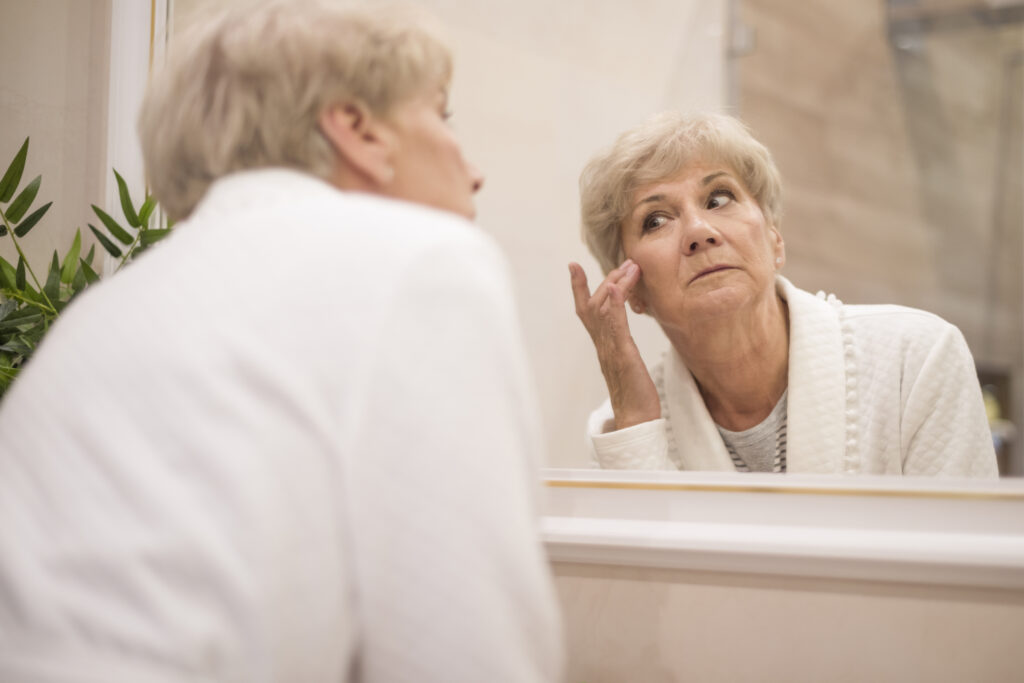
Aging is often framed as decline, a gradual loss of speed and status. Yet clinical psychology highlights the “Paradox of Aging”: despite physical changes, people over sixty report greater emotional stability, resilience, and life satisfaction than younger adults. This strength is earned through experience—each challenge refining perspective and priorities. Rather than fading, later life becomes […]
Psychology of Letting Go: Ageing, Acceptance, and Inner Growth

As we move into the later chapters of life, a quiet paradox emerges: even as our physical world may contract, our inner landscape can expand without limit. This stage is not merely chronological but a psychological threshold—an invitation to master the art of letting go. While youth trains us to accumulate roles, status, and identity, […]
Men & Ageing: Breaking the Silence Around Emotional Health
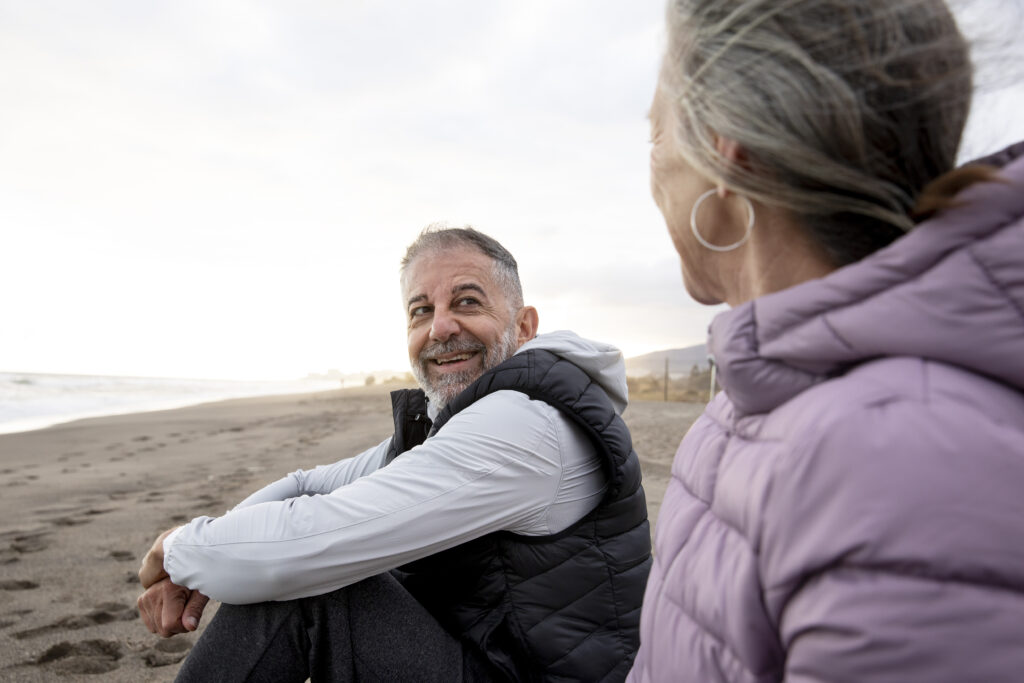
As men cross the threshold of ageing, they often encounter a quiet, internal battle that society rarely prepares them for. While the conversation around ageing frequently centres on the decline of physical vigour—the creaking joints, the slowing pace, or changes in heart health—the emotional and psychological transformation is often shrouded in a “culture of silence.” […]
From Productivity to Presence: Redefining Self-Worth in Later Life

For the better part of our lives, our value and self-worth are measured by our output. We are defined by the titles we hold, the income we generate, and the roles we fulfil as providers and protectors. This “Doing” model of existence creates a sense of purpose—and self-worth—that is inextricably linked to external achievements and […]
The Silent Struggles of Elderly Mental Health No One Talks About
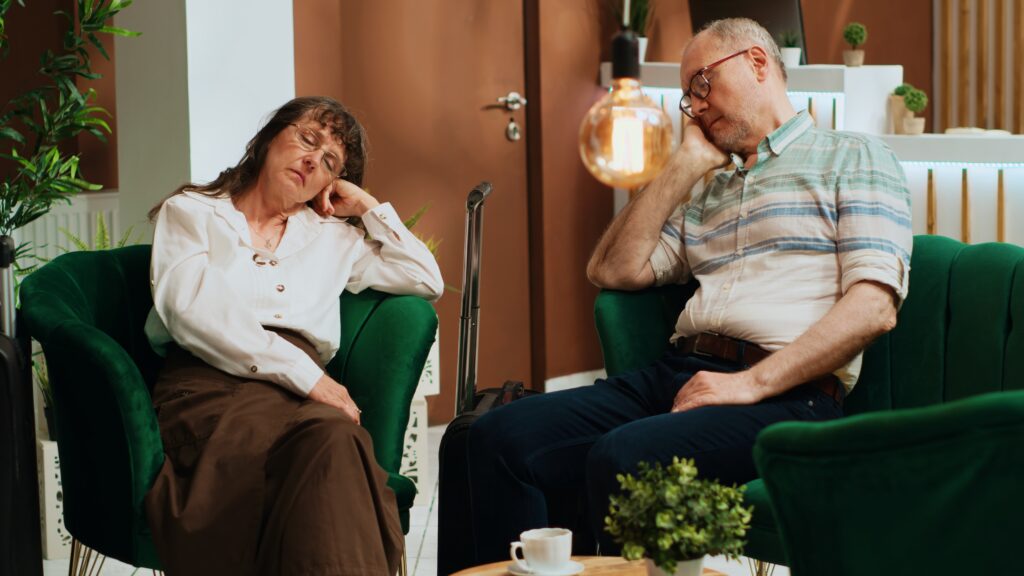
In our society, the later years of life are often envisioned as a time of peaceful slowing down—a “sunset” period defined by leisure and the absence of responsibility. However, this romanticized view often masks a much more complex and quiet reality. For many seniors, the transition into older adulthood involves a series of internal battles […]
Redefining Independence in Later Life
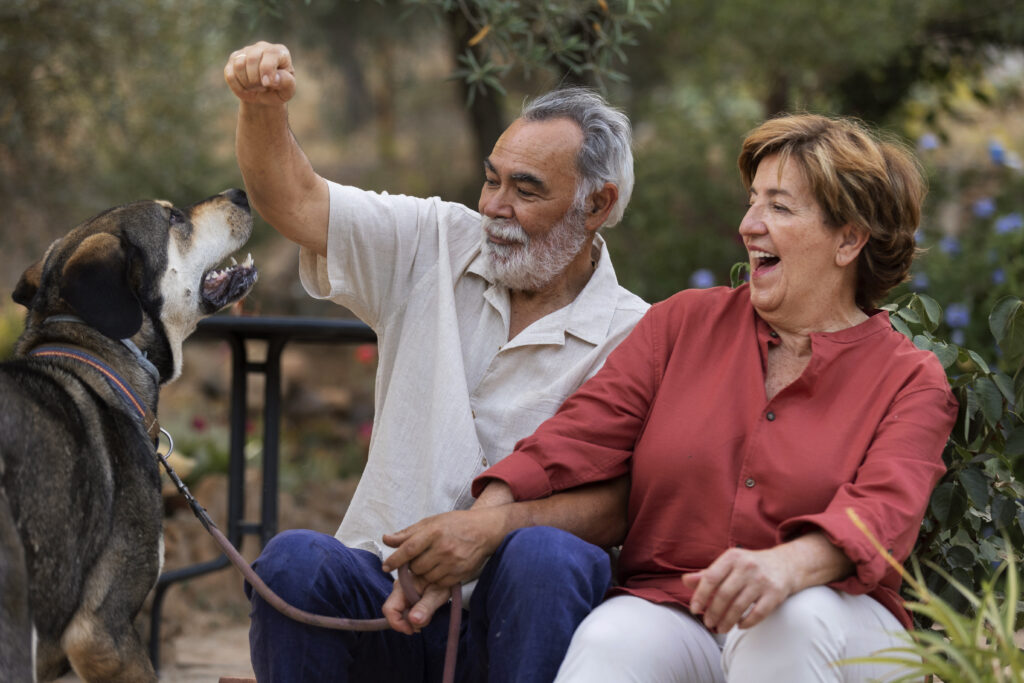
Independence is often associated with youth, productivity, and physical strength. In later life, however, independence takes on a deeper and more nuanced meaning. Aging brings changes in health, mobility, roles, and relationships, yet it does not erase a person’s desire for autonomy, dignity, and purpose. Redefining independence in later life requires shifting perspectives from doing […]
Spirituality, Aging, and Inner Peace After 60
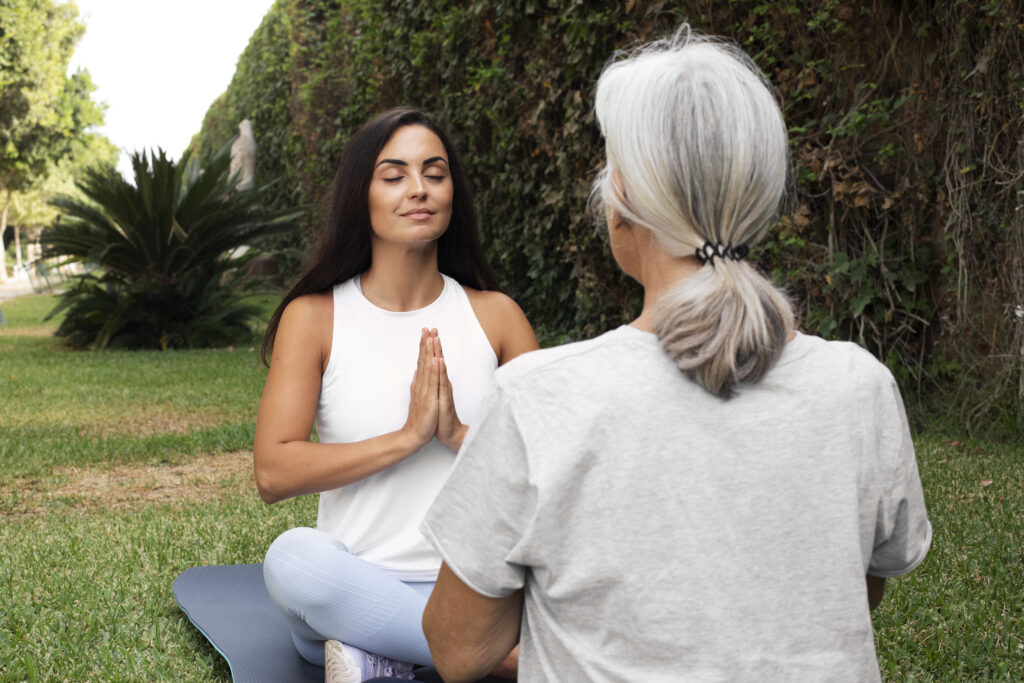
The transition into the seventh decade of life is often described as a journey toward the “inner horizon.” While the earlier years are dominated by external achievements, building careers, and raising families, the years after sixty offer a profound opportunity to look inward. This phase of life is not merely a chronological milestone; it is […]
The Role of Community in Healthy Aging
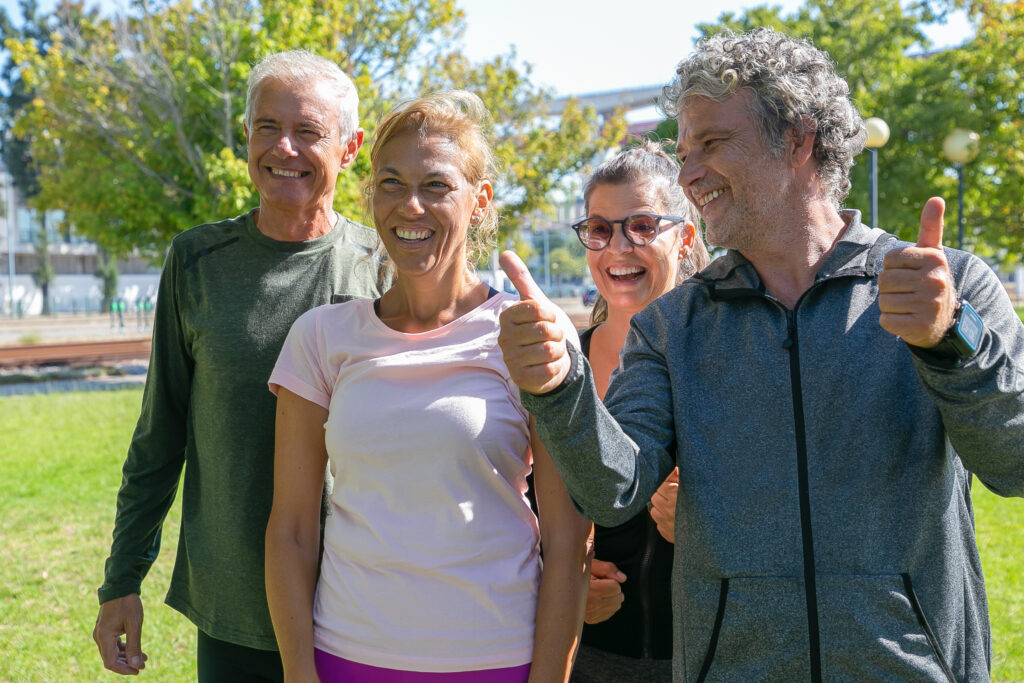
The human experience is fundamentally social, and this reality becomes even more poignant as we navigate the later stages of life. While modern medicine has focused extensively on extending the number of years we live, the quality of those years is often determined by the strength of the threads that connect us to others. Aging […]