
Aging and the Search for Meaning in Later Life
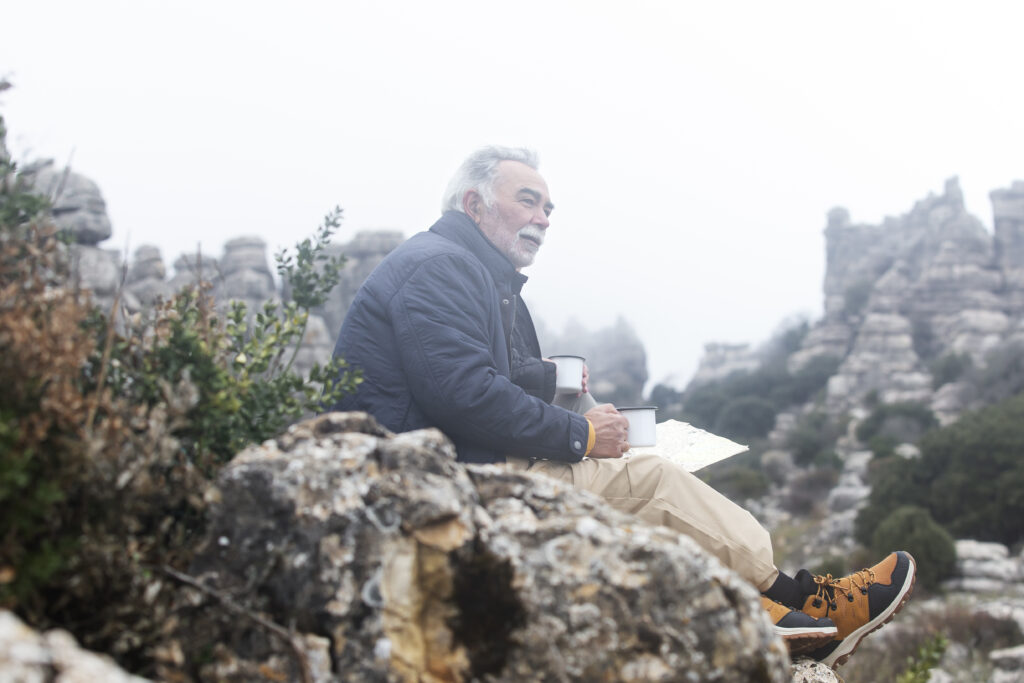
Aging is often described in terms of physical changes—slower movements, health concerns, or retirement from professional life. Yet beyond these visible transitions lies a deeper, more personal journey: the search for meaning. Later life is not simply about growing older; it is about understanding who we are when roles change, responsibilities shift, and time feels […]
Ageing with Purpose: Rediscovery, Engagement, & Lasting Impact

Ageing is a journey marked by new opportunities for reflection, exploration, and contribution. As routines evolve and roles shift, individuals often find space to revisit long-held passions, explore creative pursuits, or engage with their communities in meaningful ways. This stage of life encourages a deeper understanding of what truly matters, from nurturing friendships to pursuing […]
Living Fully in Later Adulthood: Well-Being After 60

Crossing the age of 60 is often viewed as the beginning of slowing down, but for many individuals, it can also mark a period of rediscovery, freedom, and renewed purpose. Later adulthood brings changes in routine, physical health, and social roles, yet it also offers opportunities for reflection, personal growth, and meaningful engagement. Living fully […]
Helping Seniors Stay Independent Through Occupational Therapy

Aging is not a decline—it is a transition. For many older adults, the greatest fear is not growing old, but losing independence. The ability to dress oneself, prepare meals, move freely, manage finances, and stay socially connected is closely tied to dignity and self-worth. Occupational therapy plays a powerful role in helping seniors maintain autonomy, […]
Strength in the Senior Years: Resilience in Aging

Aging is often portrayed as a period of decline, dependency, and slowing down. Yet, for many older adults, the later years become a powerful chapter of strength, wisdom, and growth. While physical changes are inevitable, emotional and psychological growth can continue throughout life. The senior years are not merely about surviving change—they are about developing […]
The Human Side of Growing Old: Emotional Needs of Seniors

Growing old is more than a biological process; it is a deeply human experience shaped by emotions, relationships, memories, and meaning. While physical health often receives the most attention in later life, emotional well-being is just as vital. Seniors carry a lifetime of experiences, joys, regrets, losses, and wisdom, all of which influence how they […]
Caregiver Stress: The Emotional Cost of Supporting Aging Loved Ones
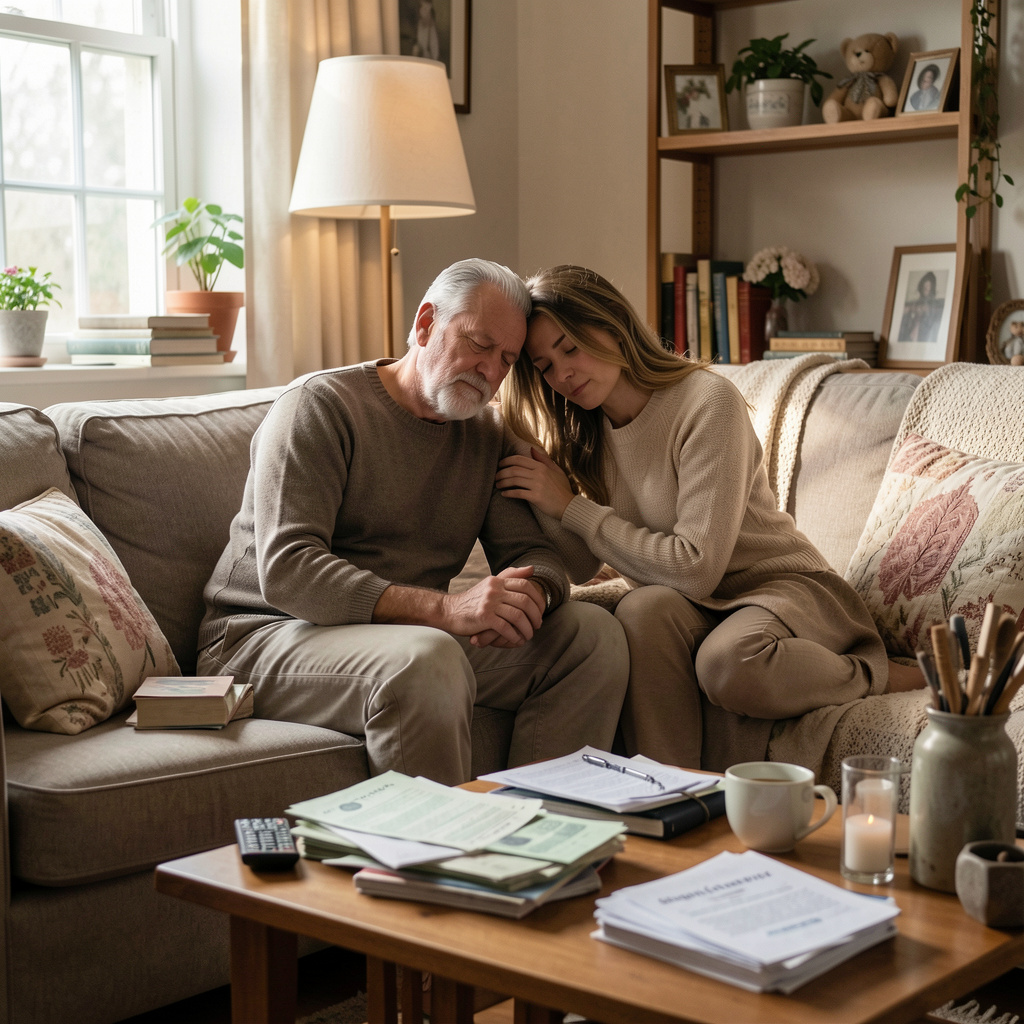
Caring for an aging parent, spouse, or relative is often described as an act of love. It is rooted in gratitude, responsibility, and deep emotional connection. Yet behind the compassion lies a reality that many caregivers silently endure—overwhelming stress that gradually impacts emotional, physical, and psychological well-being. As life expectancy increases and families navigate changing […]
Aging in a Fast World: How Seniors Adapt Emotionally to Rapid Social Change
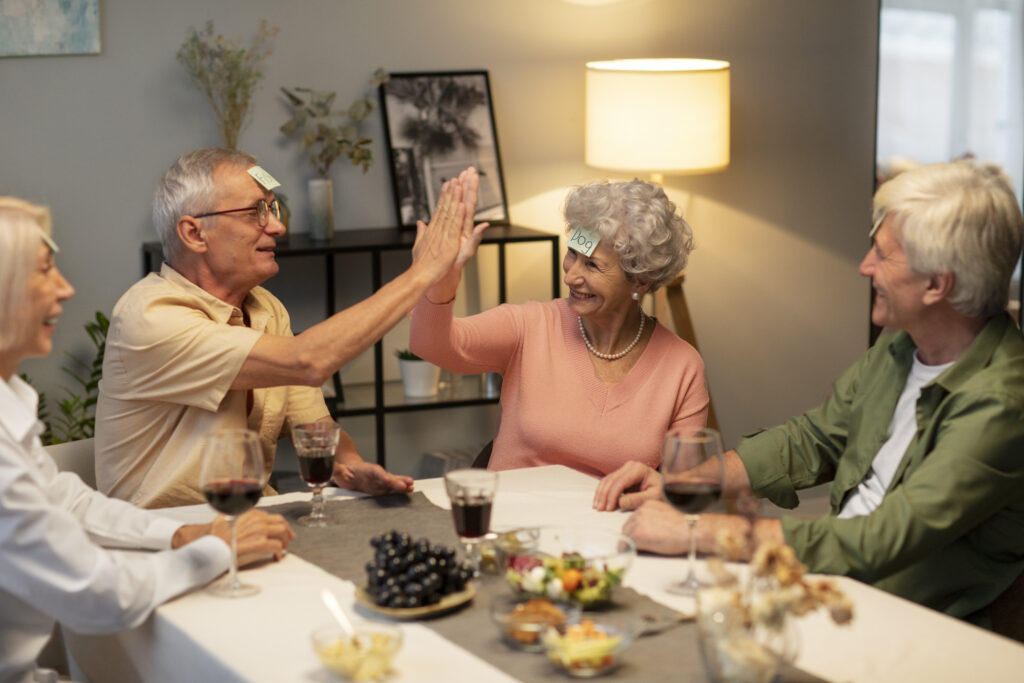
We live in a time of extraordinary speed. Technology evolves overnight, communication styles shift, workplaces transform, and family structures change faster than ever before. For older adults, this rapid social change can feel overwhelming. While younger generations may adapt more quickly, seniors often find themselves navigating unfamiliar territory—digitally, socially, and emotionally. Yet aging is not […]
Fear of Dependency: The Psychology Behind Aging Anxiety

Aging is a natural and inevitable part of life, yet for many individuals, the thought of growing older brings an underlying fear that is rarely discussed openly, the fear of becoming dependent on others. This anxiety is not only about physical health decline; it is deeply connected to identity, dignity, control, and self-worth. The possibility […]
Mindfulness and Emotional Wellness for Seniors

The journey into our later years is often imagined as a time of tranquillity, reflection, and the enjoyment of life’s slower pace. Yet, for many seniors, this period is far more complex. Beneath the surface of serene routines, subtle shifts in mental and emotional health may go unnoticed. While society is quick to recognise physical […]