
Rest, Reset, Renew: Exploring Different Types of Wellness Getaways

Life can become so busy that rest starts feeling like another task on the to-do list. Work messages continue after office hours, family responsibilities take up mental space, and even weekends can become packed with errands. Sometimes, what we need is not simply a holiday, but a deliberate pause. That is where wellness getaways can […]
The Race Against Time
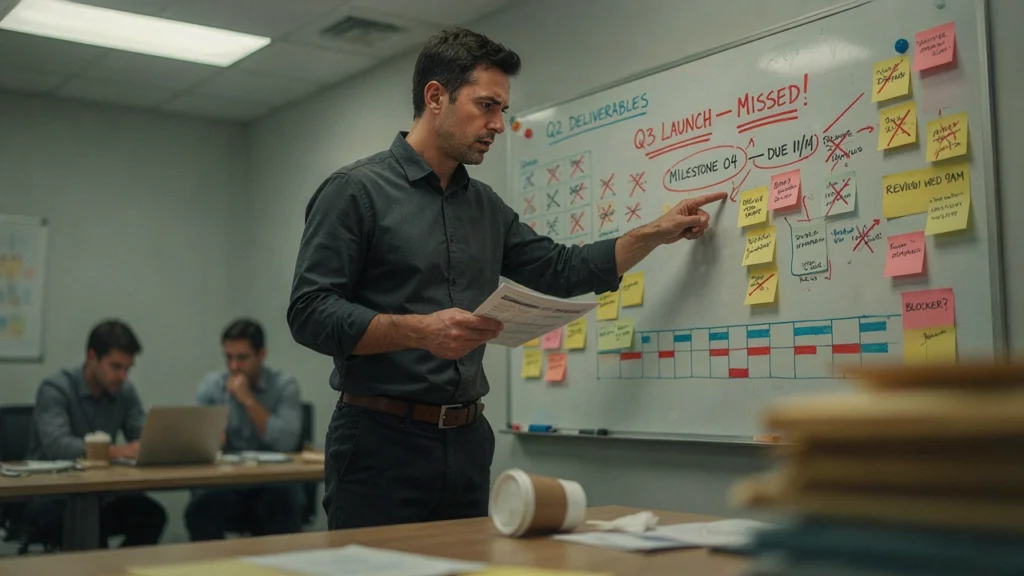
One of the most precious items that people have is time. Unlike money, possessions, or opportunities, time cannot be stored, borrowed, or recovered once it has passed. Every person receives the same twenty-four hours each day, yet people experience time differently. Some feel they have too much to do and too little time, while others […]
A Chat About ‘GPT’ – Gratitude, Patience & Time

In today’s fast-paced world, the word GPT is commonly associated with artificial intelligence and technology. However, beyond its technological meaning, GPT can also represent three powerful qualities that can improve our emotional well-being and the way we experience life: Gratitude, Patience, and Time. These three straightforward words convey a significant message. A lot of the […]
A Healthier Escape: Finding the Right Retreat for Mind, Body, and Soul

Do you ever feel like you’re running on empty, even after a full night’s sleep? Between work deadlines, family responsibilities, and constant digital noise, burnout has quietly become the norm. A wellness retreat isn’t a luxury — it’s often the reset your mind and body genuinely need. This blog walks you through how to choose […]
Post-Surgery Rehabilitation at Home: What Families Need to Know

Surgery may end in the operating room, but recovery continues long after the patient returns home. The period following discharge can involve pain, weakness, restricted movement, medication schedules, wound care, dietary changes, and emotional adjustments. For families, this phase can feel overwhelming because they suddenly become an important part of the recovery process. With appropriate […]
Financial Independence & Mental Well-being in Older Adults

Financial independence plays a vital role in ensuring a secure, dignified, and fulfilling life for older adults. While aging often brings changes such as retirement, reduced income, or increased healthcare expenses, maintaining financial stability helps seniors preserve their confidence, autonomy, and emotional well-being. Beyond meeting daily needs, financial independence provides a sense of control over […]
The Hidden Impact of Ageism on Mental Health & Self-Esteem in Older Adults
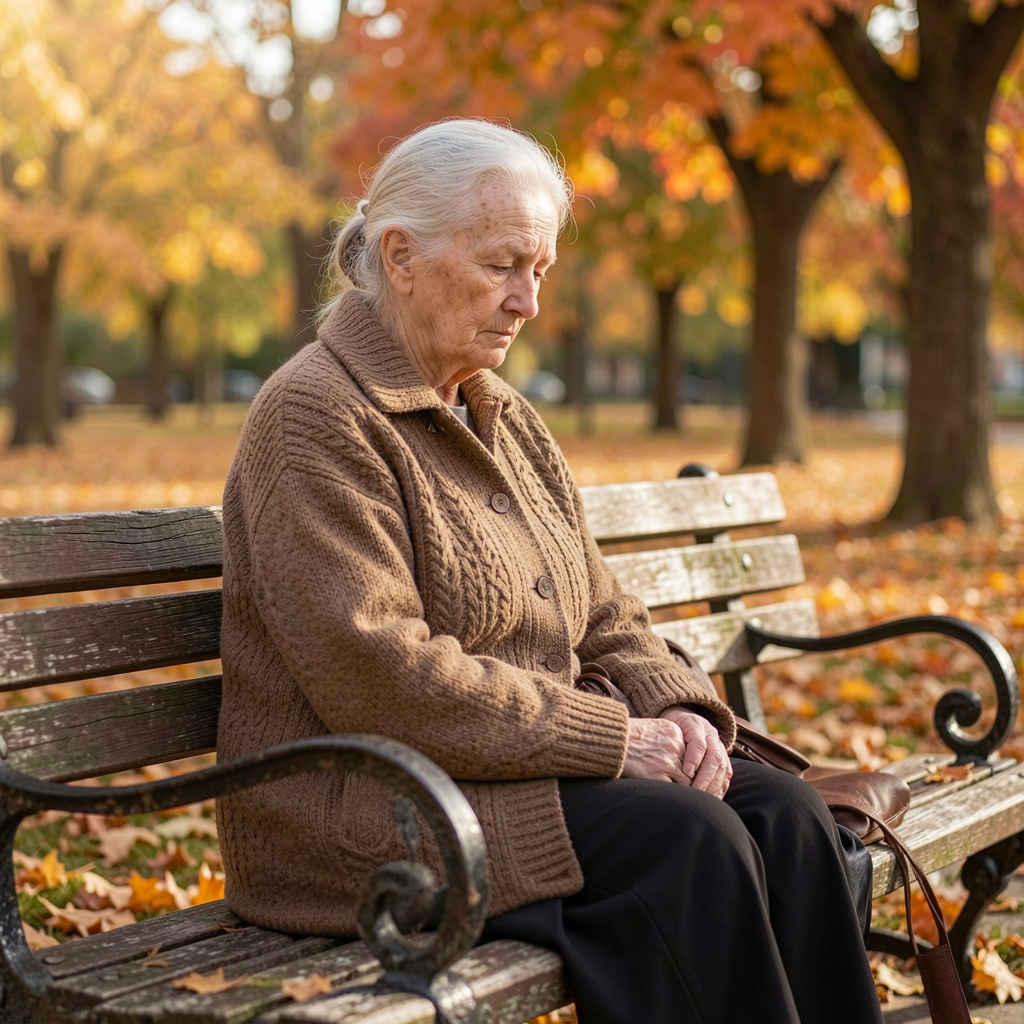
Growing older should be viewed as a stage filled with wisdom, resilience, and meaningful life experiences. Unfortunately, many older adults encounter negative attitudes that portray aging as a period of decline, dependency, and reduced capability. These misconceptions often become deeply rooted in workplaces, healthcare settings, families, and media representations. Over time, such attitudes can affect […]
How Chronic Pain Affects Mental Health in Older Adults
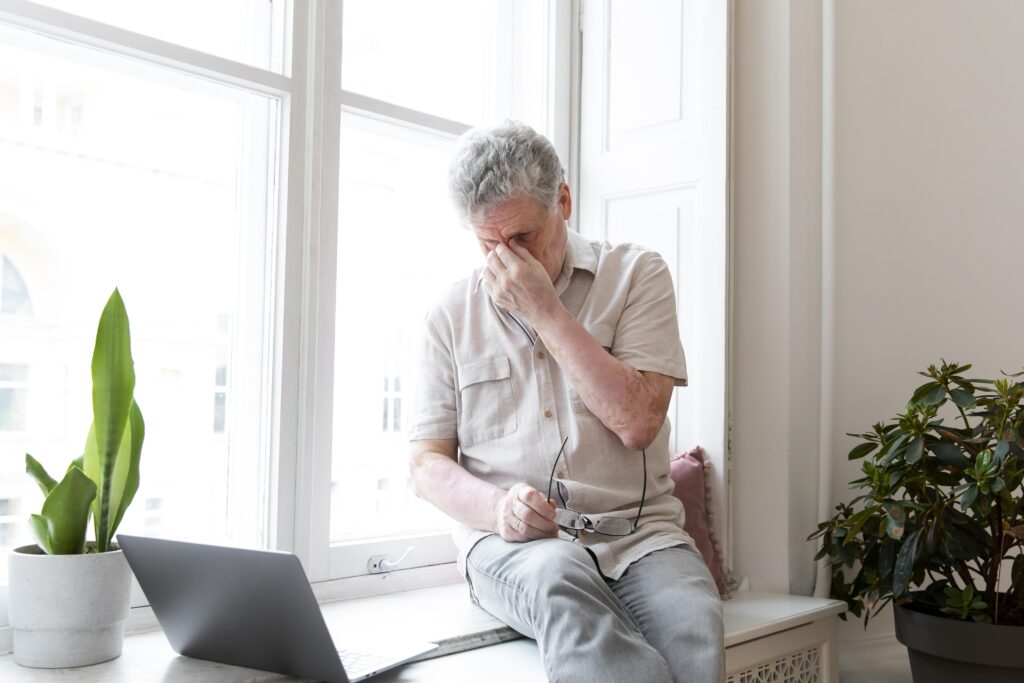
Growing older often brings physical changes, but when pain becomes a constant companion, it can affect far more than the body. Chronic pain is one of the most common health concerns among older adults, often resulting from arthritis, osteoporosis, nerve disorders, diabetes, back problems, or previous injuries. Unlike short-term pain, chronic pain persists for months […]
How Therapy Helps You Develop Better Coping Skills

Life presents everyone with challenges, from personal setbacks and workplace demands to health concerns and family responsibilities. While some individuals adapt effectively to these situations, others may struggle to manage overwhelming emotions or persistent difficulties. The difference often lies not in the problems themselves, but in the coping skills people use to respond to them. […]
The Importance of Geriatric Counselling: Improving Quality of Life in Later Years

Growing older is a natural part of life, bringing wisdom, experience, and a unique perspective shaped by decades of personal and professional journeys. However, aging also comes with emotional, psychological, social, and physical changes that can significantly influence an individual’s well-being. Retirement, chronic illnesses, bereavement, reduced independence, social isolation, and changing family roles can create […]