
Stress vs Burnout: Knowing the Difference & When to Seek Help

Feeling stressed has become more typical in today’s fast-paced environment. People are frequently emotionally and physically worn out by deadlines, financial obligations, family responsibilities, and personal aspirations. While many individuals use the terms stress and burnout interchangeably, they are not the same. Understanding the distinction is important because each requires different coping strategies and levels […]
Depression in Older Adults: Why It Often Goes Unnoticed

Growing older is often associated with wisdom, resilience, and life experience. But it can also present serious psychological and emotional difficulties. While physical illnesses among older adults receive considerable attention, mental health concerns, particularly depression, are frequently overlooked or misunderstood. Many people mistakenly assume that sadness, withdrawal, or a lack of energy are simply natural […]
How NGOs Are Addressing Mental Health in Rural India
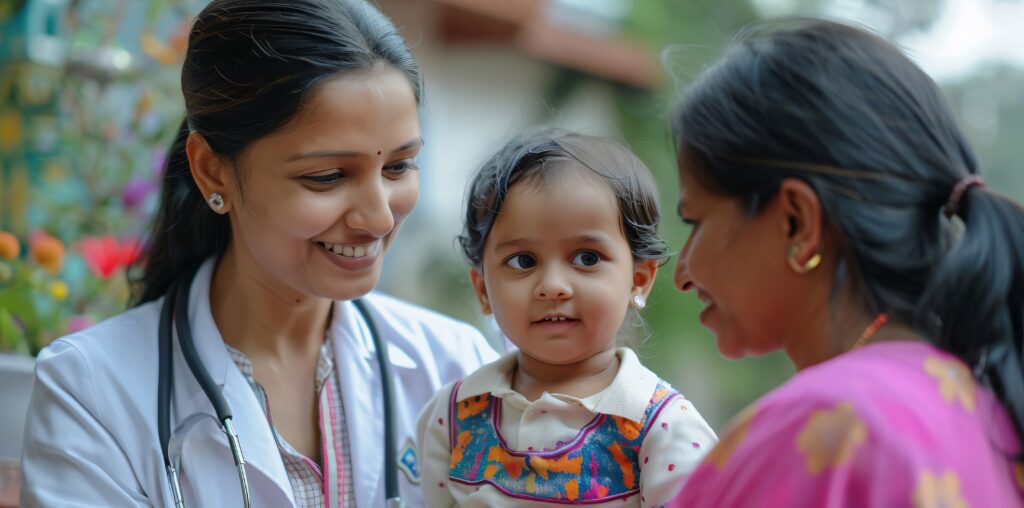
Mental health has become an increasingly important public health concern in India. While awareness and access to psychological services have improved in urban areas, rural communities continue to face significant challenges. Limited healthcare infrastructure, social stigma, shortage of trained professionals, and lack of awareness often prevent individuals from seeking help. Mental health concerns such as […]
Creating Safe Spaces for Open Mental Health Conversations

Mental health is an essential component of overall well-being, yet discussions about emotional struggles, psychological distress, and mental illnesses are often surrounded by stigma and misunderstanding. Many individuals hesitate to speak openly about their experiences because they fear judgment, discrimination, or rejection. Numerous people suffer in silence as a result, postponing the assistance and care […]
Do Indian Families Ignore Mental Health Until It’s Too Late?
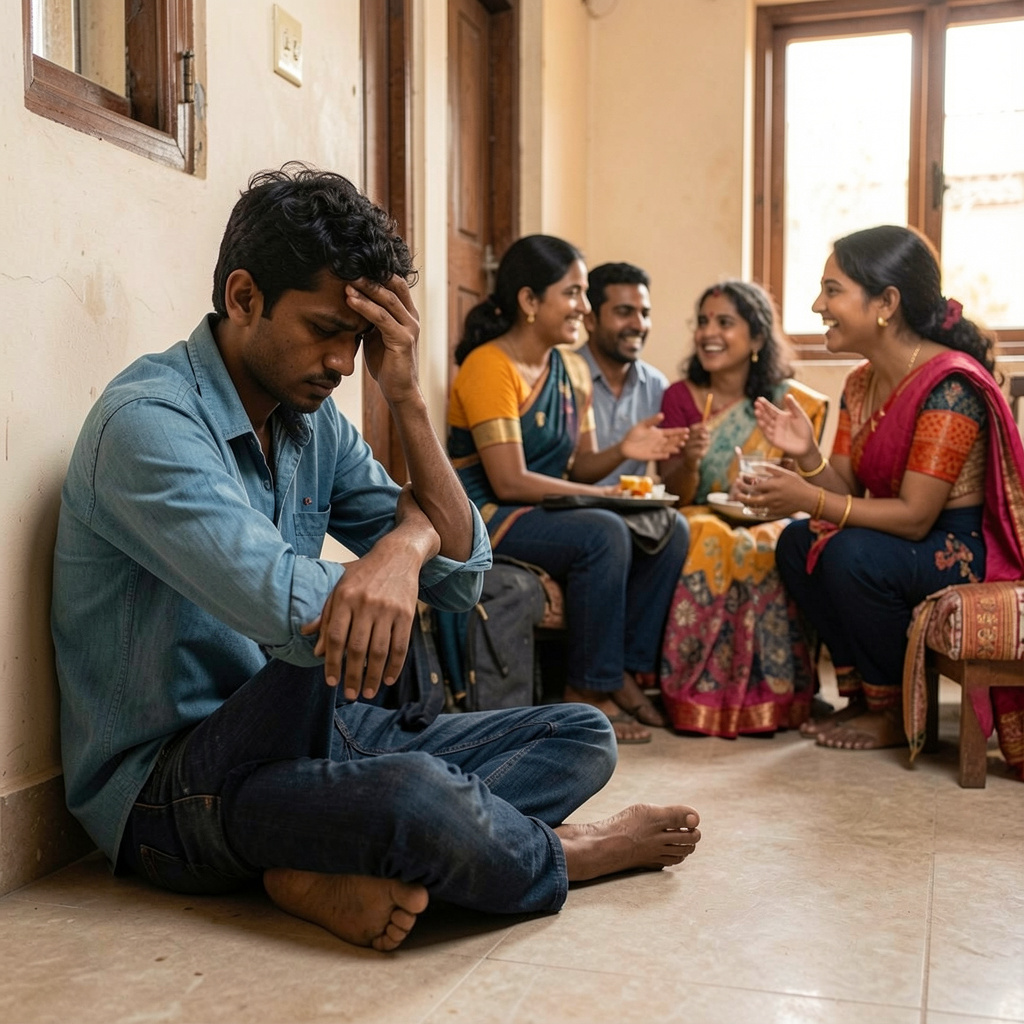
Mental health conversations in India have become more visible over the past decade. From social media awareness campaigns to workplace wellness initiatives and increased access to counseling services, society is gradually recognizing the importance of psychological well-being. Even so, a lot of families still find it difficult to talk honestly about mental health issues. In […]
Low-Cost Mental Health Support Options in India
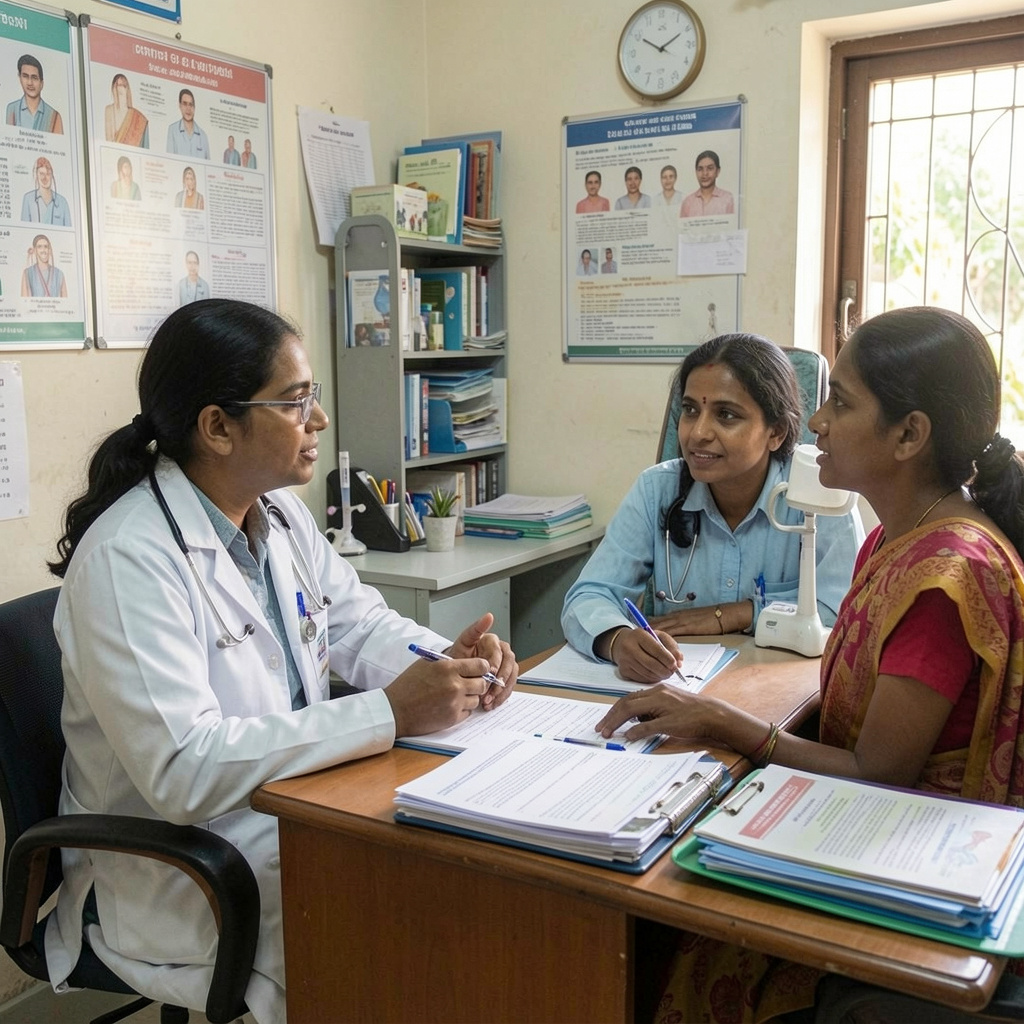
Mental health has become one of the most important conversations in India today. With increasing stress, work pressure, academic competition, financial concerns, relationship struggles, and social isolation, many people are now openly discussing anxiety, depression, burnout, and emotional exhaustion. However, while awareness is growing, affordable mental health care remains a challenge for many individuals and […]
Bridging the Digital Gap in Later Life

In an increasingly digital world, technology has become essential for communication, healthcare access, financial management, and social engagement. However, for many older adults, adapting to this rapid technological shift remains a significant challenge. The digital gap in later life is not just about access to devices; it encompasses skills, self-confidence, and the ability to meaningfully […]
Mental Health Support for Underprivileged Children: The Role of NGOs

Childhood is often associated with growth, learning, and emotional development within a supportive environment. However, for many underprivileged children, this phase is marked by instability, limited resources, and exposure to challenging life circumstances. Factors such as poverty, family disruption, lack of access to education, and unsafe environments can significantly affect a child’s mental and emotional […]
The Intersection of Poverty and Mental Health
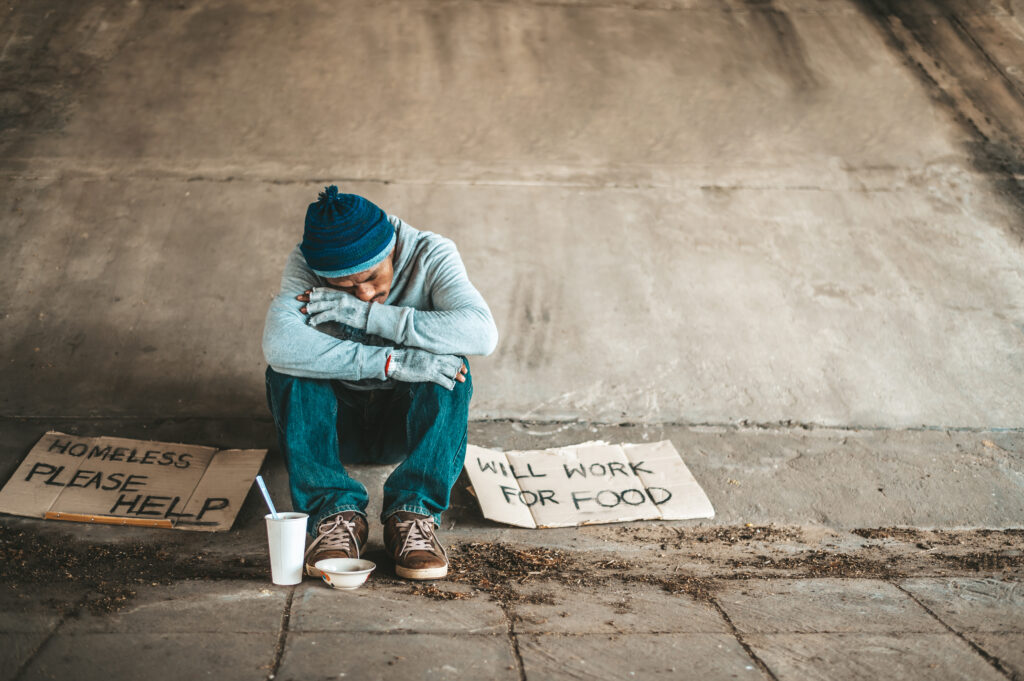
Poverty is often understood in terms of limited financial resources, but its impact extends far beyond economic hardship. It influences living conditions, access to education, healthcare availability, and overall quality of life. One of the most significant yet frequently overlooked dimensions of poverty is its effect on mental health. Individuals experiencing financial instability often face […]
Breaking Barriers: Inclusive Mental Health Services for All Ages

Although access to mental health treatments is still inconsistent among age groups, socioeconomic backgrounds, and communities, mental health is an essential component of total well-being. In recent years, there has been growing recognition of the need for inclusive mental health services that cater to individuals at every stage of life, from children and adolescents to adults […]