
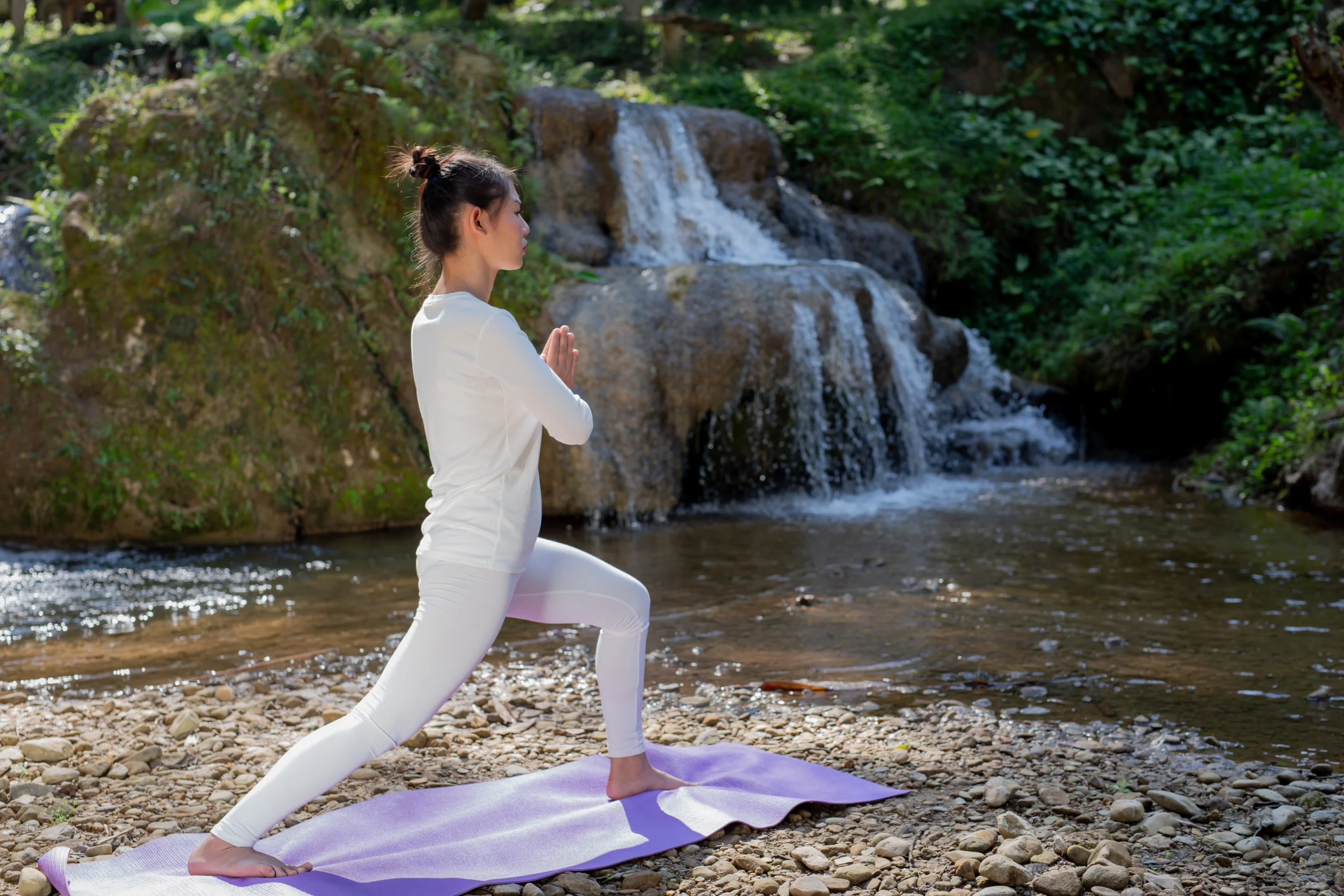
Life can become so busy that rest starts feeling like another task on the to-do list. Work messages continue after office hours, family responsibilities take up mental space, and even weekends can become packed with errands. Sometimes, what we need is not simply a holiday, but a deliberate pause.
That is where wellness getaways can help. A wellness getaway is a short break designed around restoring different aspects of well-being physical, emotional, mental, social, or spiritual. It does not necessarily mean an expensive luxury retreat. A quiet weekend in nature, a yoga programme, a digital detox, or even a structured stay focused on mindfulness can all serve different wellness needs.
The important question is: What kind of rest do you actually need?
What makes a wellness getaway different from an ordinary vacation?
A vacation often focuses on sightseeing, entertainment, food and recreation. A wellness getaway puts greater emphasis on how you feel during and after the experience.
The aim may be to:
- Slow down an overactive routine
- Improve sleep and physical recovery
- Reduce everyday daily pressure
- Spend meaningful time in nature
- Reconnect with yourself or loved ones
- Develop healthier habits
- Create space for reflection
- Strengthen social connection
The World Health Organization (WHO) recognises mental well-being as an important part of overall health and highlights protective factors such as supportive relationships, safe environments, overall body wellness and social connection.
Which type of wellness getaway is right for you?
There is no universal definition of the perfect retreat. Your choice should depend on what feels depleted in your current life.
1. Could a nature retreat help you slow down?
If your daily life involves screens, traffic, deadlines and constant notifications, a nature-based getaway can offer a meaningful change of environment.
Think about:
- Forest stays
- Mountain retreats
- Beachside breaks
- Countryside cottages
- Nature walks and guided hikes
- Gardening or outdoor activities
The goal does not have to be an intensive adventure. Simply having time to walk, breathe fresh air and sit without constantly checking your phone can create psychological space.
2. Is a yoga and mindfulness retreat what your mind needs?
Yoga and mindfulness-focused retreats typically combine gentle movement, breathing exercises, meditation and periods of quiet. These experiences may be particularly appealing if you want to develop practical strategies for managing everyday stress.
A retreat might include:
- Morning stretching or yoga
- Guided breathing
- Present Moment Awareness sessions
- Nutritious meals
- Quiet periods without digital distractions
- Evening reflection
These activities should complement, not replace professional treatment when someone is experiencing a significant mental-health concern.
3. Would a digital detox give you a genuine reset?
Sometimes the problem is not the destination; it is the constant connection.
A digital detox getaway encourages participants to reduce or temporarily avoid:
- Social media
- Work emails
- Continuous notifications
- Streaming
- Excessive phone use
Instead, the time may be spent reading, walking, journaling, talking with others or simply doing nothing. WHO notes that excessive digital-media use can contribute to social disconnection in some circumstances, while meaningful social connection is important for mental and physical well-being.
4. Could an active wellness retreat restore your physical energy?
Wellness does not always mean lying beside a pool. Some people find that moving makes them feel better.
An active retreat could include:
- Walking or hiking
- Swimming
- Cycling
- Strength exercises
- Dance
- Recreational sports
- Mobility and stretching sessions
Regular physical activity supports physical and mental health and can help reduce symptoms associated with managing emotional distress and low mood management. WHO recommends that adults aim for 150–300 minutes of moderate aerobic activity per week, where appropriate for their health and abilities.
5. Would a spa and restorative retreat help your body recover?
If physical exhaustion is your main concern, a restorative retreat may focus on healthy rest patterns, relaxation, massage, gentle movement and nourishing food.
However, it is worth remembering that wellness services are not automatically medical treatments. People with specific health conditions should check with an appropriate healthcare professional before undertaking intensive diets, exercise programmes or other interventions.
Can a wellness getaway improve emotional well-being?
It can create the conditions for reflection, but it is not a magic solution. Taking a break may help you notice patterns that are difficult to recognise when life is moving quickly. You might realise that you have been sleeping poorly, saying yes to too many commitments or neglecting relationships.
Social connection can also be an important part of wellbeing. WHO describes Emotional Connection Needs and Limited Social Interaction as significant public-health concerns and highlights community-based and relationship-focused approaches as part of the response. For some people, therefore, a small group retreat may be more beneficial than travelling alone.
How can you choose a wellness getaway wisely?
Before booking, ask yourself these five questions:
- What am I trying to restore?
Sleep, energy, emotional balance, social connection or physical fitness? - Do I need stimulation or quiet?
An adventure retreat and a silent retreat provide very different experiences. - Is the programme realistic?
A schedule packed with activities may defeat the purpose of resting. - Are the claims evidence-based?
Be cautious about retreats promising guaranteed cures, rapid transformations or treatment for serious medical conditions. - Can I carry something home with me?
The best takeaway may be one sustainable habit rather than a temporary feeling of relaxation.
Can wellness also be community-focused?
Absolutely. Wellness is not only an individual responsibility. Community spaces, social programmes and supportive organisations can make wellbeing more accessible.
If you are searching for an Ngo near me, consider looking beyond emergency support and exploring organisations involved in mental health, ageing, community development, preventive health or social wellbeing. A charitable organization may also provide opportunities for volunteering, community participation or wellness-related initiatives. Such efforts connect personal wellbeing with broader health and family welfare, recognising that healthier communities can support healthier individuals.
How can you bring the getaway home?
The real benefit of a retreat should not disappear when you return.
Choose one or two habits to continue:
- Keep a consistent sleep schedule.
- Take a daily walk.
- Set specific phone-free periods.
- Practise five minutes of mindful breathing.
- Schedule regular time with supportive people.
- Protect one evening each week from work-related tasks.
- Continue a hobby that genuinely helps you recharge.
WHO similarly highlights sleep, physical activity, healthy eating, stress reduction and social connection as important lifestyle practices supporting psychological well-being.
Conclusion
A wellness getaway does not have to be luxurious, expensive or far away. Sometimes, the most restorative retreat is simply a quieter environment, fewer notifications, better sleep and enough time to hear yourself think. The solution is to choose your getaway according to your actual need: rest when you are exhausted, reset when you feel overwhelmed, reconnect when you feel isolated, and renew when you are ready to build healthier routines.
If you are experiencing persistent emotional or psychological difficulties, consider speaking with a qualified mental-health professional rather than relying solely on a retreat. TalktoAngel, an online platform for counseling, provides access to qualified mental-health professionals through online support. Psychowellness Center provides psychological counselling and mental-health support through structured, evidence-informed approaches. Global Development Foundation (GDF) works toward community wellbeing and social-development initiatives that support healthier and more inclusive communities.
Contribution: Dr. R. K. Suri, Clinical Psychologist & Life Coach, and Ms. Tanu Sangwan, Counseling Psychologist.
References
World Health Organization. (2021). WHO guidelines on physical activity and sedentary behaviour. World Health Organization. (World Health Organization)
World Health Organization. (2024). Physical activity. World Health Organization. (World Health Organization)
World Health Organization. (2025). Social connection. World Health Organization. (World Health Organization)
World Health Organization. (2025). Mental health. World Health Organization. (World Health Organization)
World Health Organization. (2026). Stress. World Health Organization. (World Health Organization)