
Guilt and Caregiving: Why You Feel It and How to Let It Go
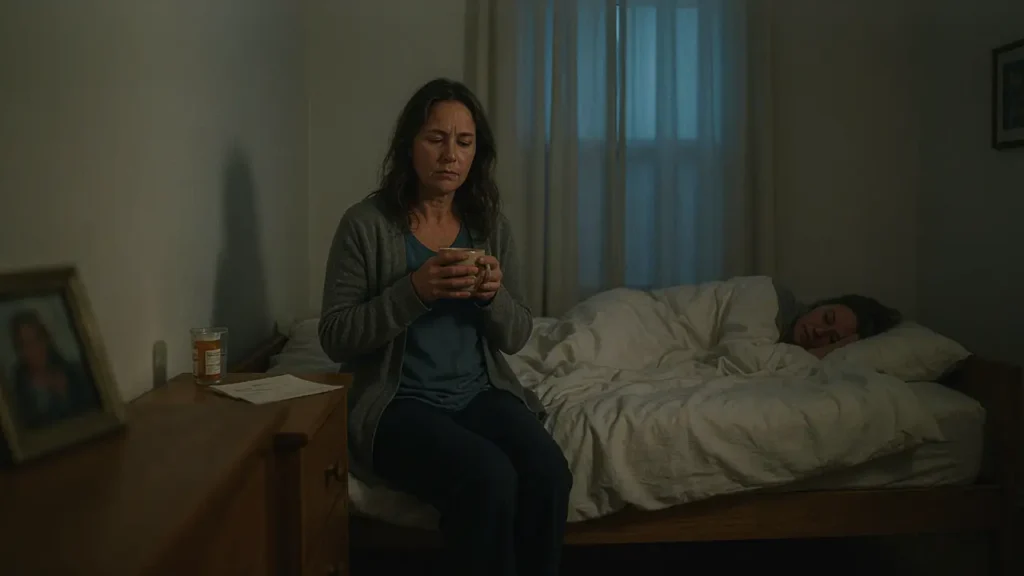
You set an alarm for the next medication round, cancel plans again, and still lie awake wondering if you did enough. If that sounds familiar, you’re not alone. Guilt is one of the most common emotions among people who care for a parent, partner, or child, yet it rarely gets discussed. This guide explains why […]
How Does Chronic Pain Affect Emotional Health in Seniors?

A sore knee or an aching back can seem like a normal part of getting older. But when pain lingers for months, it starts to shape moods, friendships, and everyday choices. Many seniors quietly stop going out, sleep badly, and feel like a burden, while families miss the signs. Knowing how persistent pain touches the […]
How Can Parents Help Children Express Feelings in Healthy Ways?
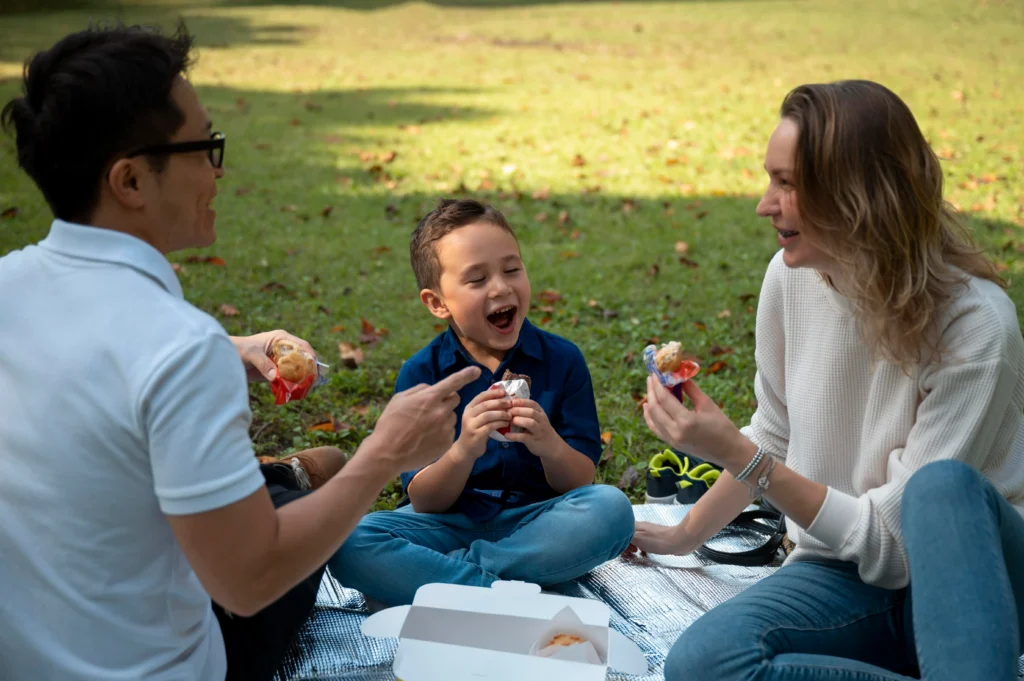
Your seven-year-old slams the door and shouts, “I hate everything!” Ten minutes earlier, he was fine. Many parents feel stuck in moments like this, unsure whether to comfort, correct, or wait it out. Children rarely have words for big emotions, so feelings spill out as tantrums, silence, or stomach aches. The good news is that […]
Rest, Reset, Renew: Exploring Different Types of Wellness Getaways

Life can become so busy that rest starts feeling like another task on the to-do list. Work messages continue after office hours, family responsibilities take up mental space, and even weekends can become packed with errands. Sometimes, what we need is not simply a holiday, but a deliberate pause. That is where wellness getaways can […]
Small Green Choices, Big Healing: Everyday Habits for a Healthier Life

Introduction A healthier life does not always begin with an expensive fitness programme, a strict diet, or a dramatic lifestyle transformation. Sometimes, it begins with something much smaller: walking instead of driving for a short distance, carrying a reusable bottle, choosing seasonal food, switching off unnecessary lights, spending a few minutes around plants, or simply […]
Caring for Medical Equipment in Humid Climates: A Guide to Safer Healthcare

Medical equipment is vital for diagnosis, treatment, monitoring, and patient care, but its safety and performance depend on proper storage, cleaning, inspection, and maintenance. In humid climates, excess moisture and temperature changes can damage electrical components, packaging, and equipment. Maintaining suitable environmental conditions helps extend equipment life, prevent failures, and support safer healthcare delivery. Why […]
Mental Wellness for Seniors: How Physical Activity Fights Depression and Loneliness
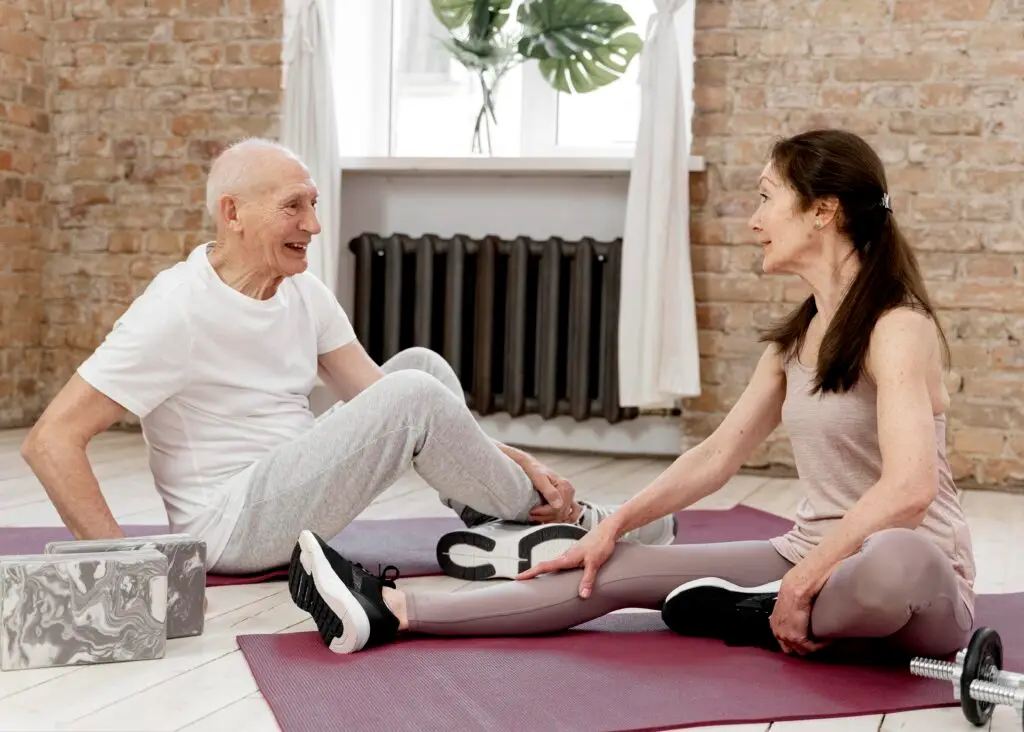
Ageing is often described as a season of slowing down. What is rarely spoken about, however, is how much this slowing down can weigh on the mind. For many seniors, retirement, the loss of a spouse, shrinking social circles, or simply the natural decline of the body can quietly give way to low motivation — […]
The Benefits of Resistance Training for Seniors
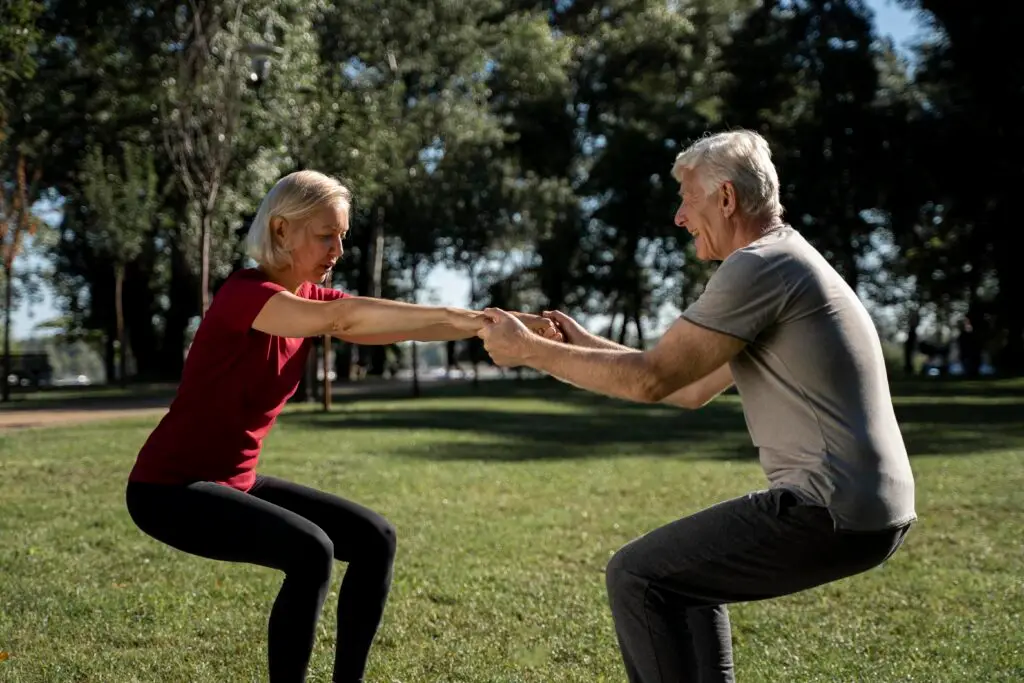
Ageing is a natural process, but growing older does not mean giving up strength, independence, or an active lifestyle. As people age, muscle mass, bone density, balance, and physical endurance can gradually decline. These changes may make everyday activities such as climbing stairs, carrying groceries, getting up from a chair, or walking outdoors more challenging. […]
After the Floodwaters Receded, the Stories Remained

When floodwaters rise, survival becomes the immediate priority. People search for safety, protect loved ones, secure food and shelter, and try to save whatever possessions they can. Yet when the water recedes, the crisis does not necessarily end. Homes may remain damaged, livelihoods disrupted, schools may be closed, and communities may face uncertainty about what […]
Creating an Age-Friendly Home for Independence & Well-Being
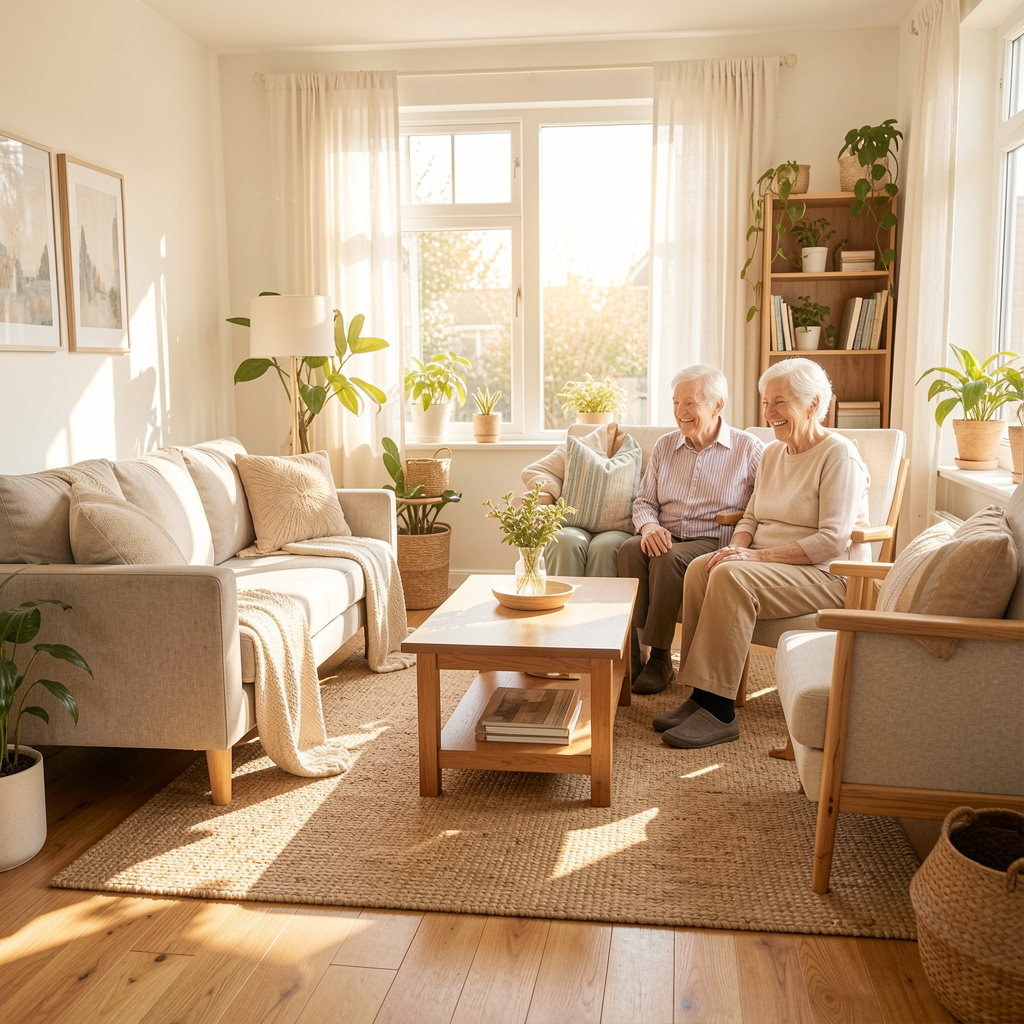
As people grow older, their homes become more than just living spaces; they become environments that influence safety, comfort, independence, and emotional health. An age-friendly home is designed to support changing physical, cognitive, and emotional needs while allowing older adults to maintain dignity and control over their daily lives. With thoughtful modifications and a supportive […]