
-
Importance of Family Bonds in Healthy Ageing

Healthy ageing is about much more than maintaining physical fitness or managing medical conditions. It also involves preserving emotional well-being, social connectedness, and a sense of purpose throughout later life. As people grow older, changes such as retirement, health concerns, bereavement, or reduced mobility may influence their daily routines and emotional experiences. During these transitions,…
-
When Should Older Adults Seek Counselling? Key Warning Signs & Support

Growing older brings many meaningful experiences, including retirement, stronger family connections, and opportunities for personal reflection. At the same time, ageing also involves significant life changes that may affect emotional well-being. Health concerns, changes in independence, bereavement, financial adjustments, and shifting family roles can all influence how older adults think, feel, and cope with everyday…
-
Anxiety in Older Adults: Common Triggers, Symptoms, & Treatment Options
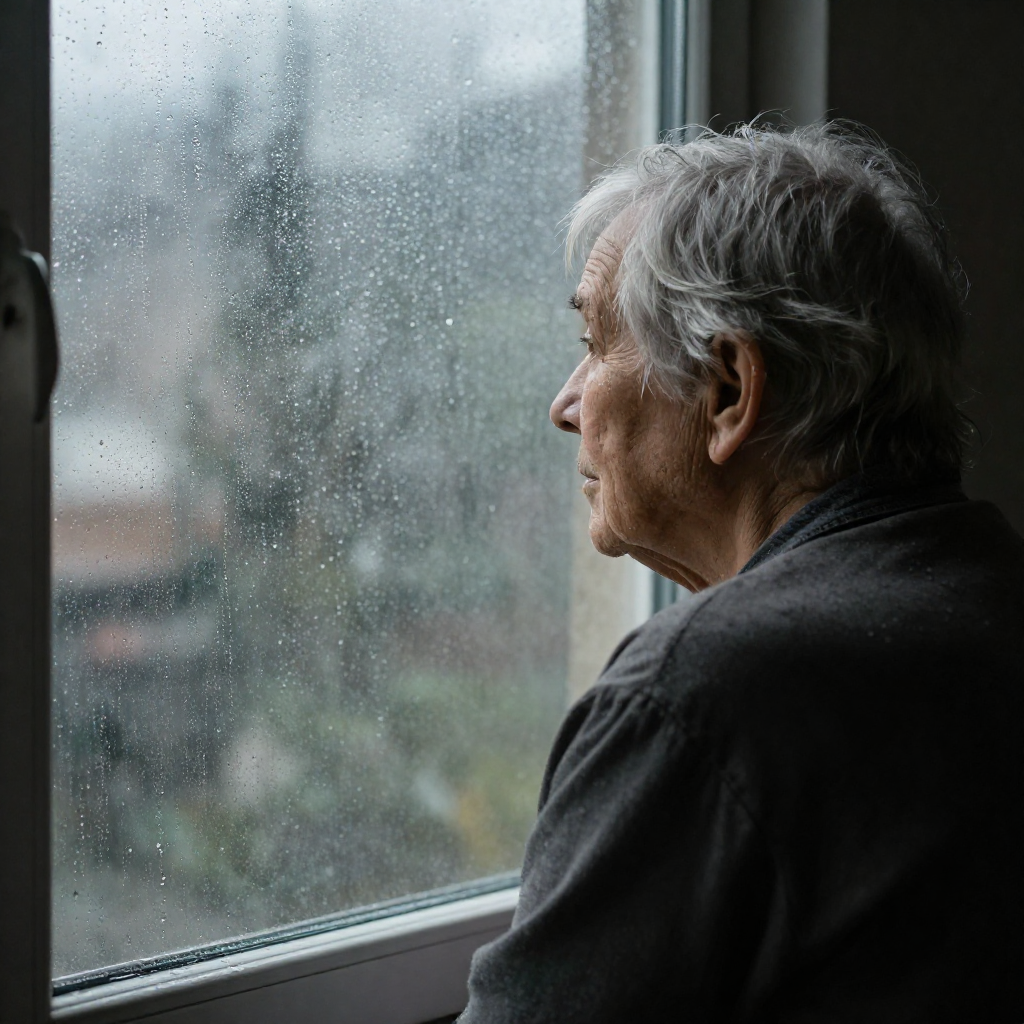
Growing older brings many life transitions, such as retirement, health changes, financial adjustments, and the loss of loved ones, that can affect emotional well-being. While these experiences are a natural part of ageing, they may increase the risk of anxiety and impact an individual’s quality of life. Persistent anxiety or emotional distress should not be…
-
Relationship Challenges After Retirement: Strengthening Emotional Bonds

Retirement marks a significant transition in life. After decades of balancing work, family responsibilities, and personal activities, older people often find themselves spending much more time with their spouses. While retirement offers opportunities for relaxation, shared experiences, and personal growth, it also introduces new adjustments that can affect long-term relationships. Changes in daily routines, financial…
-
Ageing Gracefully: Overcoming Appearance-Related Anxiety in Later Life

Every stage of ageing brings new experiences, opportunities for personal growth, and valuable wisdom gained through years of living. However, youthful appearance is frequently highly valued in contemporary society, leading to unattainable beauty standards that might affect how people view themselves as they get older. Wrinkles, grey hair, changes in body shape, and reduced physical…
-
Mental Health Literacy: Why Everyone Should Understand Emotional Well-Being

In today’s fast-paced and demanding world, mental health has become just as crucial as physical health. Yet, despite increasing awareness, many individuals still struggle to recognize, understand, and address their emotional well-being. This gap highlights the importance of mental health literacy, an essential concept that empowers people with the knowledge and skills needed to maintain…
-
Coping with Emptiness & Silence After Loss

Loss is an inevitable part of life, yet it is one of the most emotionally overwhelming experiences an individual can face. Whether it is the loss of a spouse, a close friend, or a family member, the impact can be profound, especially in old age. Years of shared memories, routines, and emotional bonds suddenly give…
-
The Role of Structured Learning in Autism Support
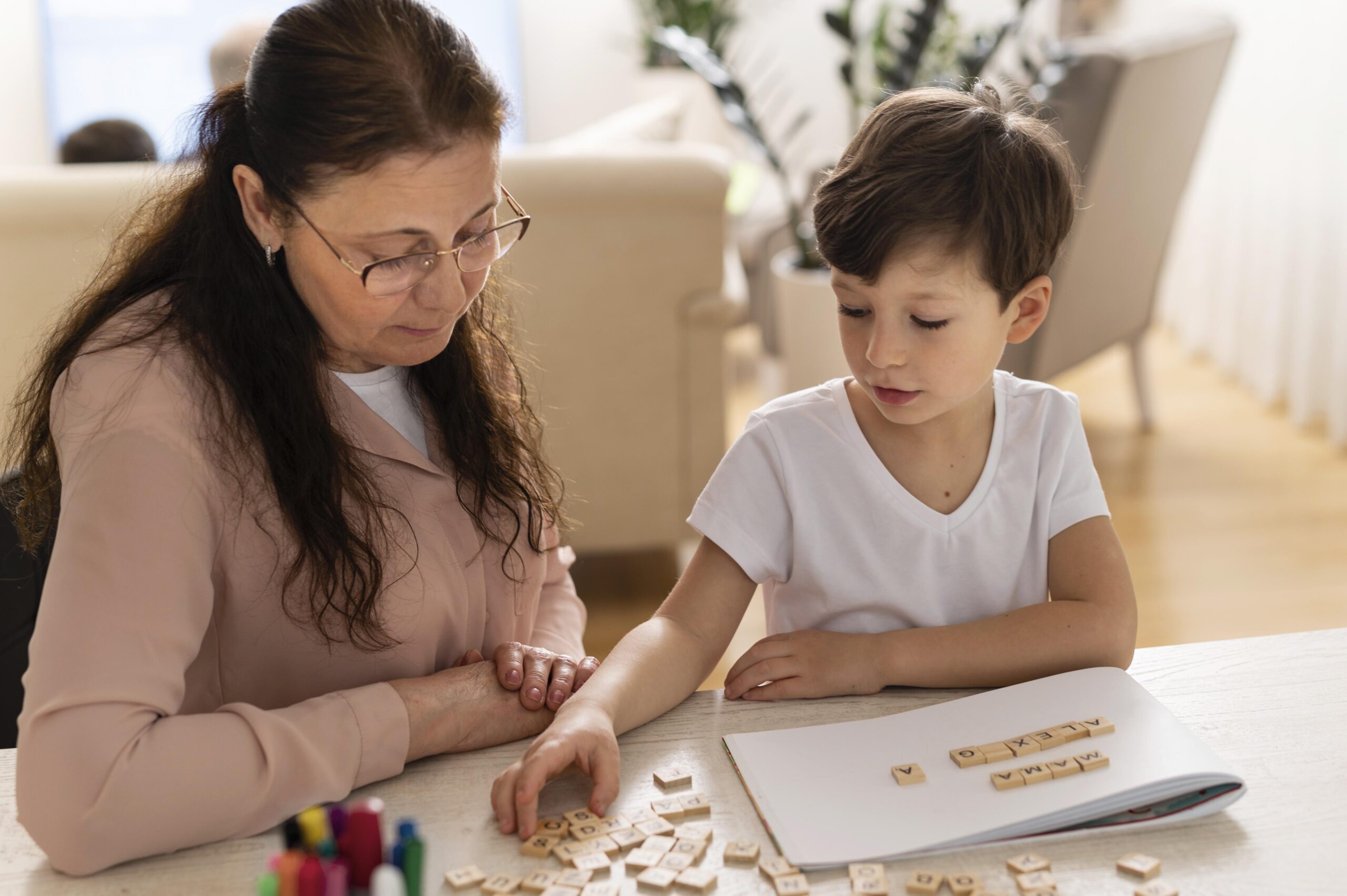
Communication, conduct, and social interaction are all impacted by autism spectrum disorder (ASD), a neurodevelopmental disorder. Each individual with autism has unique strengths and challenges, making personalized support essential. Among the various intervention approaches, structured learning has emerged as one of the most effective methods in supporting individuals with autism. It provides predictability, organization, and…
-
Arthritis in Seniors: Protecting Joints & Emotional Well-Being

Arthritis refers to inflammation of the joints and includes several types, the most common being osteoarthritis and rheumatoid arthritis. Osteoarthritis often develops due to the gradual breakdown of cartilage in joints, while rheumatoid arthritis is an autoimmune disorder where the immune system mistakenly attacks the joints. Older adults with arthritis commonly experience symptoms such as…
-
Sleep, Ageing, & Mental Health: Why Rest Matters More After 60

After the age of sixty, sleep becomes a defining factor in mental health and emotional resilience. Contrary to the belief that older adults need less rest, the requirement for restorative sleep remains unchanged, even as the body’s ability to achieve it declines. Disrupted sleep in later life directly affects mood, memory, and the brain’s capacity…