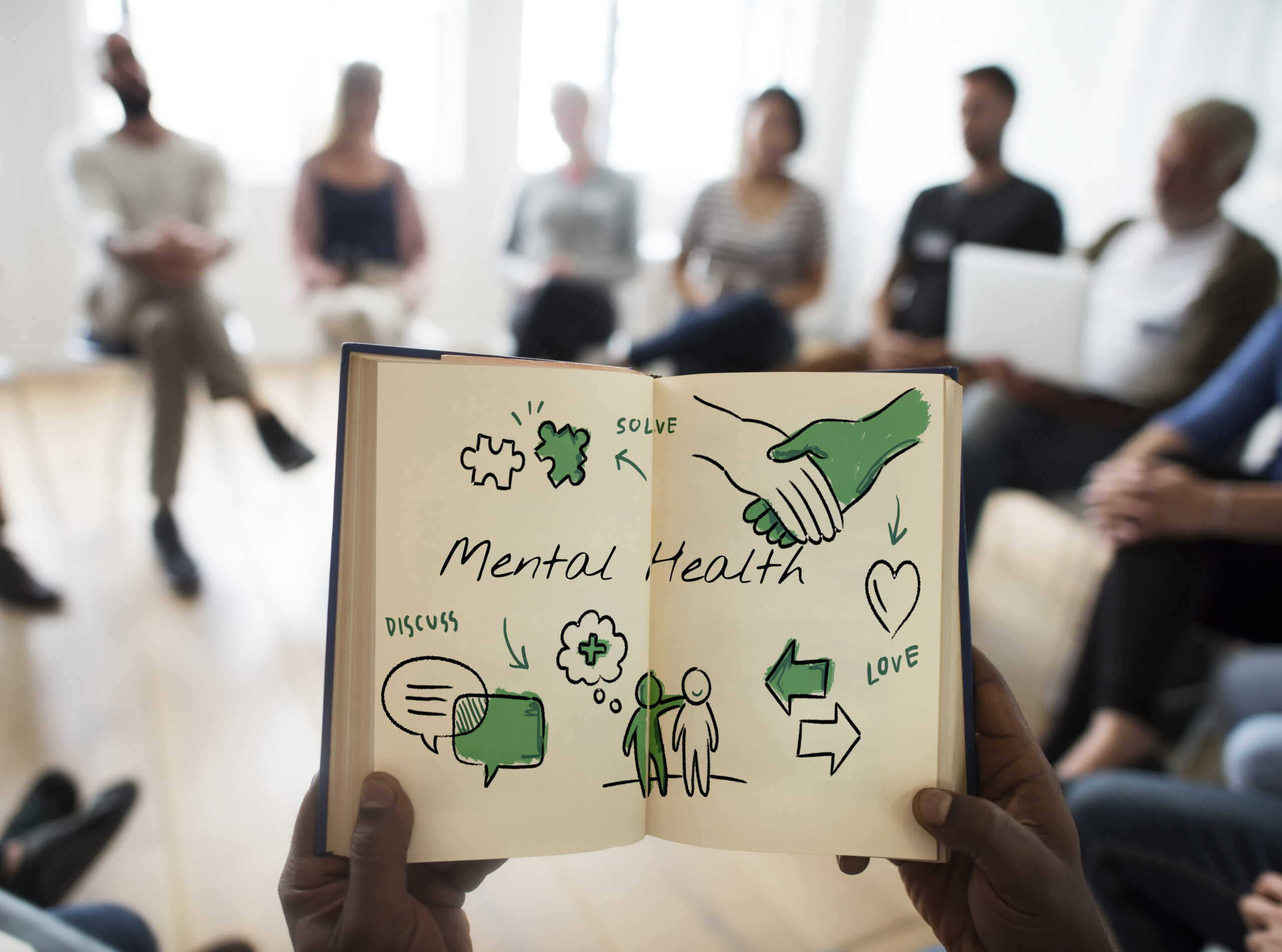
In today’s fast-paced and demanding world, mental health has become just as crucial as physical health. Yet, despite increasing awareness, many individuals still struggle to recognize, understand, and address their emotional well-being. This gap highlights the importance of mental health literacy, an essential concept that empowers people with the knowledge and skills needed to maintain and improve their mental health.
Mental health literacy goes beyond simply knowing about mental illnesses. It includes the ability to identify symptoms, understand risk factors, seek appropriate help, and support others who may be struggling. In a country like India, where stigma and misinformation around mental health persist, improving mental health literacy is crucial for building a healthier and more resilient society.
What is Mental Health Literacy?
Mental health literacy refers to the knowledge and beliefs about mental health conditions that aid in their recognition, management, and prevention. It includes understanding common disorders such as anxiety, depression, and stress–related conditions, as well as knowing how to maintain emotional balance and cope with life’s challenges.
A person with good mental health literacy can identify early warning signs, such as persistent sadness, changes in sleep patterns, or difficulty concentrating. More importantly, they are aware of when and how to seek help, whether through professional services, community support, or self-care strategies.
Why Mental Health Literacy Matters
1. Early Identification and Intervention
One of the biggest advantages of mental health literacy is early detection. When individuals understand the signs and symptoms of mental health issues, they are more likely to seek help at an early stage. Early intervention can enhance long-term outcomes and prevent issues from worsening.
For example, recognizing the early signs of depression, such as loss of interest in activities or prolonged fatigue, can encourage timely counseling or therapy, reducing the risk of severe complications.
2. Reducing Stigma and Misconceptions
Stigma continues to be one of the main barriers to getting mental health care. Many people hesitate to seek help due to fear of judgment, discrimination, or social rejection.
Improving mental health literacy helps challenge myths and misconceptions surrounding mental health. It promotes the understanding that mental illnesses are not a sign of weakness but are legitimate health conditions that require care and support. As awareness increases, individuals become more accepting of themselves and others, creating a more inclusive society.
3. Promoting Self-Care and Emotional Resilience
Mental health literacy encourages individuals to take proactive steps toward their emotional well-being. This includes practicing self-care, managing stress, and developing healthy coping mechanisms.
Simple strategies such as maintaining a balanced routine, engaging in physical activity, practicing mindfulness, and building strong social connections can significantly improve mental health. When people are equipped with the right knowledge, they are better able to navigate life’s challenges and build resilience.
4. Encouraging Help-Seeking Behavior
Despite the availability of mental health services, many individuals do not seek help due to a lack of awareness or understanding. Mental health literacy bridges this gap by informing people about available resources and the benefits of professional support.
Knowing when to consult a psychologist, counselor, or psychiatrist can make a significant difference in managing mental health conditions effectively. It also helps individuals support their friends and family members by guiding them toward appropriate help.
Mental Health Literacy in the Indian Context
In India, mental health literacy is still developing. Cultural beliefs, social stigma, and lack of access to reliable information often prevent people from understanding mental health issues.
Many individuals attribute mental health problems to personal weakness or external factors, rather than recognizing them as medical conditions. This misunderstanding delays treatment and increases the burden of mental health disorders.
Educational institutions, workplaces, and community organizations play a crucial role in improving mental health literacy. Awareness programs, workshops, and campaigns can help disseminate accurate information and encourage open discussions about mental health.
Role of Schools and Workplaces
Schools
Schools are an ideal setting for promoting mental health literacy among young individuals. Integrating mental health education into the curriculum can help students understand their emotions, manage stress, and develop healthy relationships.
Teaching children about emotional well-being from an early age not only improves their mental health but also equips them with lifelong coping skills.
Workplaces
Workplaces also have a significant role in fostering mental health literacy. Employees often face stress, burnout, and poor work-life balance impacts their well-being.
Organizations can promote mental health awareness by conducting training sessions, offering EAP counseling services, and creating a supportive work environment. Encouraging open conversations about mental health can reduce stigma and improve overall productivity and job satisfaction.
Role of Professional Support Systems
While awareness is essential, professional support remains a key component of mental health care. Organizations like Psychowellness Center provide expert guidance from the best psychologists in India and psychological counseling in India for individuals dealing with anxiety, depression, stress, and other psychological concerns.
Similarly, TalktoAngel offers accessible online counseling services, making it easier for individuals to seek help regardless of their location. These platforms play an important role in enhancing mental health literacy by educating individuals and providing reliable support.
How to Improve Mental Health Literacy
Improving mental health literacy requires collective efforts from individuals, communities, and institutions. Some effective strategies include:
- Public awareness campaigns: Using media and digital platforms to spread accurate information
- Educational programs: Integrating mental health education into schools and colleges
- Community engagement: Organizing workshops and support groups
- Access to resources: Providing reliable and affordable mental health services
- Open conversations: Encouraging discussions about emotional well-being without judgment
By taking these steps, society can move toward a more informed and supportive approach to mental health.
Conclusion
Mental health literacy is a powerful tool in promoting emotional well-being and preventing mental health disorders. By understanding the importance of mental health, recognizing early signs, and seeking appropriate help, individuals can take control of their emotional lives.
In a country like India, Global Development Foundation (GDF) works where stigma and lack of awareness still pose significant challenges, improving mental health literacy is essential. Through education, community support, and professional services, they work towards creating a society where mental health is valued, understood, and prioritized.
Ultimately, when people are informed and empowered, they are better equipped to lead healthier, happier, and more fulfilling lives.
References
https://www.psychowellnesscenter.com/Blog/why-is-mental-health-important-for-students
https://www.talktoangel.com/blog/mental-health-services-for-student-wellness-centers
Jorm, A. F. (2012). Mental health literacy: Empowering the community to take action for better mental health. American Psychologist, 67(3), 231–243.
Kutcher, S., Wei, Y., & Coniglio, C. (2016). Mental health literacy: Past, present, and future. The Canadian Journal of Psychiatry, 61(3), 154–158.
World Health Organization. (2021). Guidance on community mental health services: Promoting person-centred and rights-based approaches. WHO.
Government of India. (2014). National Mental Health Policy of India. Ministry of Health and Family Welfare.
Patel, V., Saxena, S., Lund, C., Thornicroft, G., Baingana, F., Bolton, P., … UnÜtzer, J. (2018). The Lancet Commission on global mental health and sustainable development. The Lancet, 392(10157), 1553–1598.