
Protecting Healthcare Equipment: Smart Maintenance for Tropical Conditions

Healthcare equipment is the silent backbone of modern patient care. From oxygen concentrators and ventilators to diagnostic machines, refrigerators, monitors, laboratory instruments, and sterilization systems, these devices support healthcare professionals at every stage of diagnosis and treatment. Yet in tropical and humid regions, equipment faces environmental pressures that can quietly shorten its working life. High […]
Post-Surgery Rehabilitation at Home: What Families Need to Know

Surgery may end in the operating room, but recovery continues long after the patient returns home. The period following discharge can involve pain, weakness, restricted movement, medication schedules, wound care, dietary changes, and emotional adjustments. For families, this phase can feel overwhelming because they suddenly become an important part of the recovery process. With appropriate […]
Care Begins with the Community: Building a Culture of Dignified Ageing
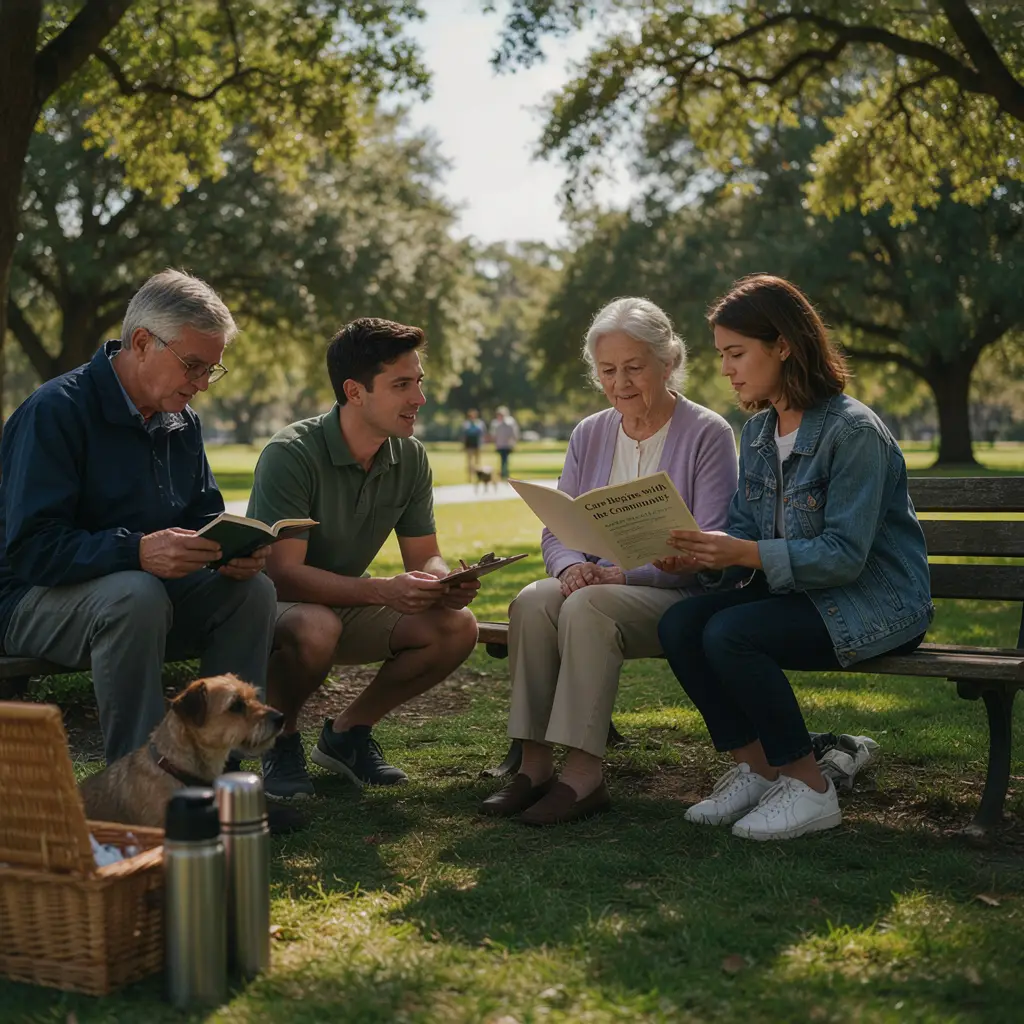
Aging is a social experience influenced by family ties, communities, healthcare systems, financial stability, and chances for meaningful engagement rather than just a biological process. As people live longer, the question is no longer only how to add years to life, but how to ensure that those years are healthy, connected, safe, and dignified. India […]
Elder Abuse: Recognizing the Signs and Taking Action
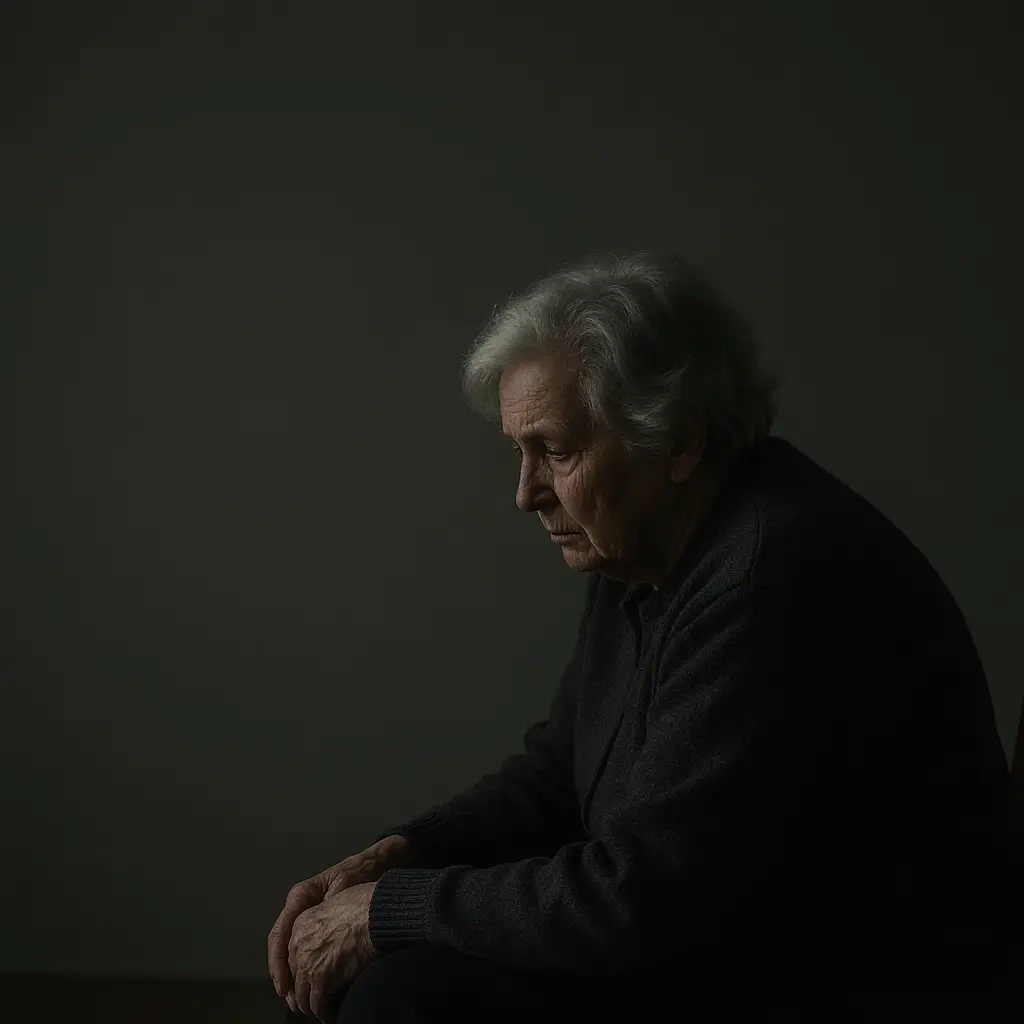
Growing older should be a stage of life marked by dignity, respect, and security. Unfortunately, many older adults experience mistreatment from those they trust the most. Elder abuse is a serious yet often hidden issue that affects the physical, emotional, social, and financial well-being of senior citizens. Due to fear, dependence on caregivers, social isolation, […]
Caregiver Stress: How Families Can Support Without Burning Out

Caring for a loved one is one of the most meaningful expressions of compassion and commitment. Whether supporting an aging parent, a spouse with a chronic illness, or a family member recovering from a medical or psychological condition, caregiving often becomes an integral part of daily life. While caregiving can foster deeper emotional bonds and […]
Emotional Resilience in Later Life: How Older Adults Cope with Stress

Later life is often portrayed as a period of rest, wisdom, and greater freedom. While these experiences may be meaningful, aging can also involve major transitions that require psychological adjustment. Retirement, changes in daily routines, chronic health conditions, reduced independence, financial concerns, caregiving responsibilities, bereavement, and changes in social roles may create emotional challenges. However, […]
How to Recognize & Manage Sundowning in People with Dementia

Memory, reasoning, conduct, and the capacity to carry out daily chores are all impacted by dementia, a degenerative illness. Among the many challenges associated with dementia, sundowning is one of the most distressing for both older adults and their caregivers. Sundowning refers to a pattern of increased confusion, anxiety, agitation, or restlessness that typically occurs […]
How Mindfulness Can Improve Mental Health

Mental health is an essential part of overall well-being, yet the demands of work, academics, family responsibilities, and modern life often leave people feeling emotionally overwhelmed. One evidence-based practice that has gained widespread recognition is mindfulness. By encouraging individuals to focus on the present moment with acceptance rather than judgment, mindfulness helps strengthen emotional resilience, […]
The Importance of Geriatric Counselling: Improving Quality of Life in Later Years

Growing older is a natural part of life, bringing wisdom, experience, and a unique perspective shaped by decades of personal and professional journeys. However, aging also comes with emotional, psychological, social, and physical changes that can significantly influence an individual’s well-being. Retirement, chronic illnesses, bereavement, reduced independence, social isolation, and changing family roles can create […]
Managing Elderly Stress Before It Leads to Burnout

Growing older brings wisdom, life experience, and resilience, but it also introduces unique emotional and physical challenges. Retirement, health concerns, loss of loved ones, reduced independence, financial adjustments, and social isolation can gradually affect an older adult’s emotional well-being. While occasional stress is a normal part of life, persistent emotional strain that goes unrecognized can […]