
How Does Chronic Pain Affect Emotional Health in Seniors?

A sore knee or an aching back can seem like a normal part of getting older. But when pain lingers for months, it starts to shape moods, friendships, and everyday choices. Many seniors quietly stop going out, sleep badly, and feel like a burden, while families miss the signs. Knowing how persistent pain touches the […]
Fall Prevention for Elderly: Expert-Backed Exercises and Home Safety Tips

Falls are one of the most common threats to independence and quality of life in later life. They can result in fractures, head injuries, reduced mobility, hospitalisation, and fear of falling again. According to the World Health Organization (WHO), adults over 60 experience the greatest number of fatal falls, while fall prevention requires a combination […]
The Link Between Hearing Loss & Cognitive Decline in Seniors
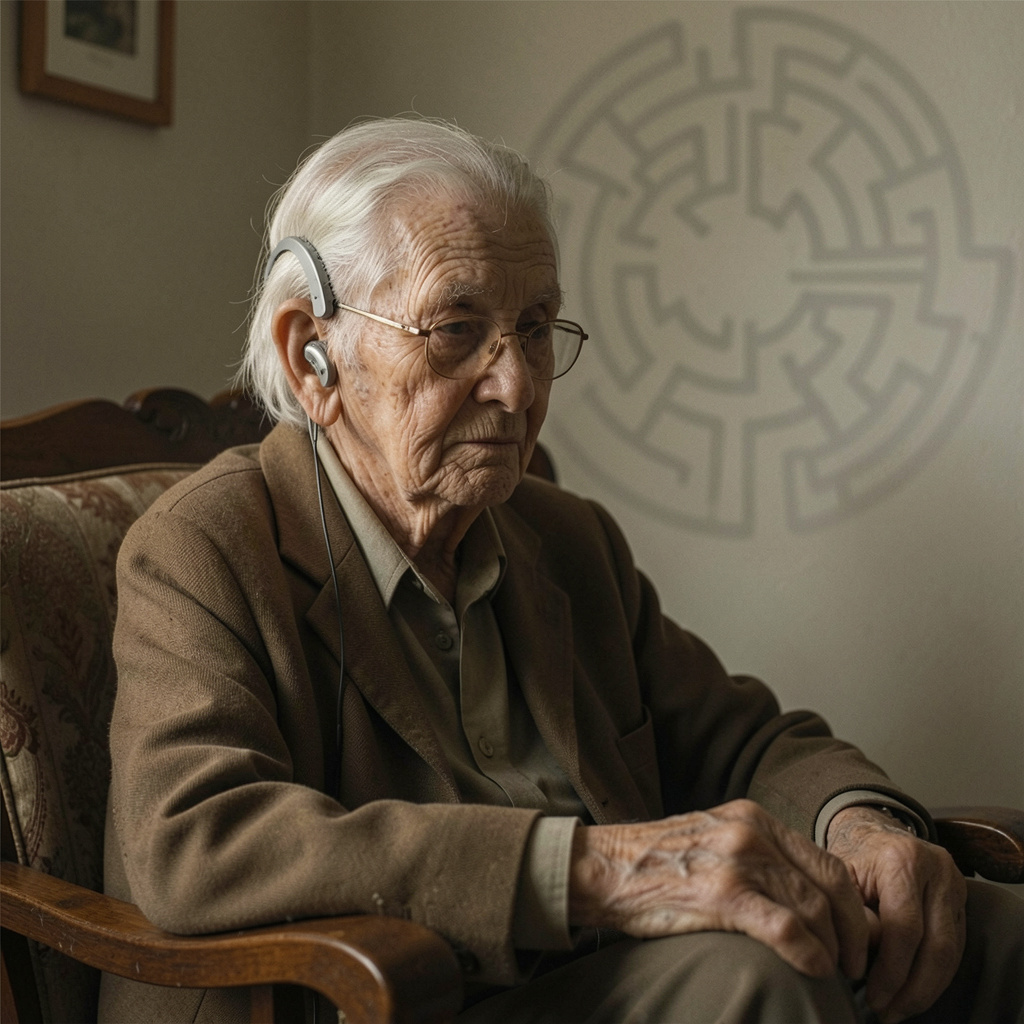
Aging is a natural process that brings several changes in the body and mind. While memory lapses and slower information processing are often considered normal parts of growing older, certain health challenges may increase the risk of significant cognitive decline. One such concern is hearing loss, a condition that affects millions of seniors worldwide. Hearing […]
Decision-Making Capacity in Older Adults: When Should Families Be Concerned?

Growing older brings wisdom, experience, and a deeper understanding of life, but it can also involve changes in memory, judgment, and the ability to make complex decisions. Many older adults continue to manage their finances, healthcare choices, and daily responsibilities independently. However, families may sometimes notice changes that raise concerns about whether their loved ones […]
The Hidden Impact of Ageism on Mental Health & Self-Esteem in Older Adults
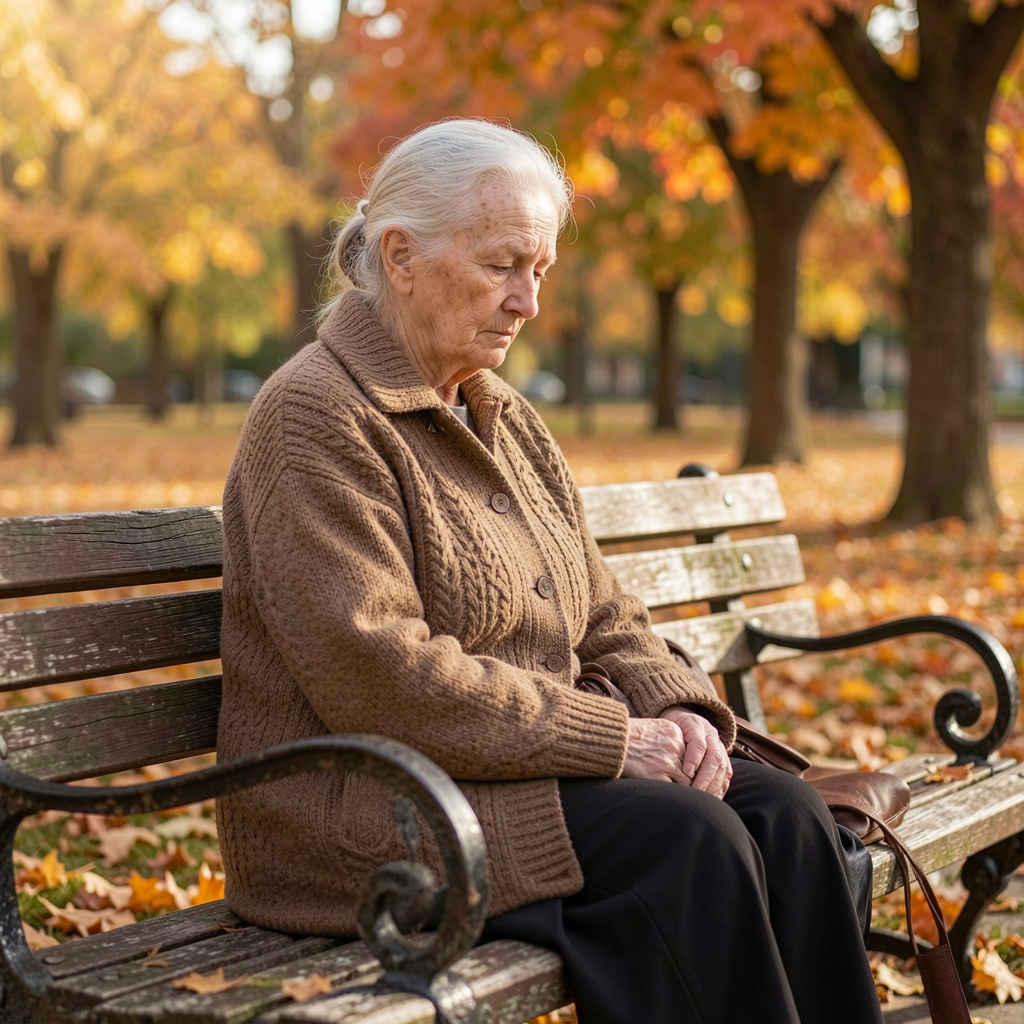
Growing older should be viewed as a stage filled with wisdom, resilience, and meaningful life experiences. Unfortunately, many older adults encounter negative attitudes that portray aging as a period of decline, dependency, and reduced capability. These misconceptions often become deeply rooted in workplaces, healthcare settings, families, and media representations. Over time, such attitudes can affect […]
How to Recognize & Manage Sundowning in People with Dementia
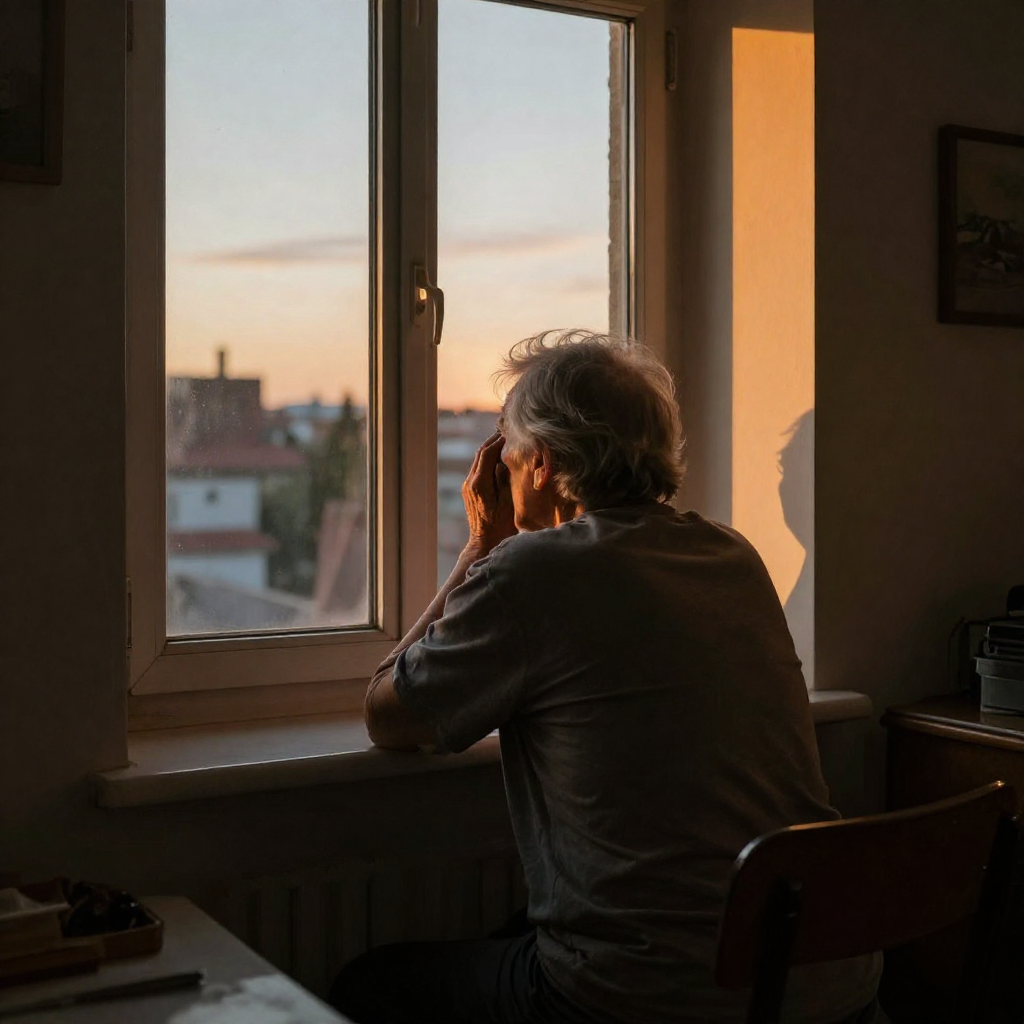
Memory, reasoning, conduct, and the capacity to carry out daily chores are all impacted by dementia, a degenerative illness. Among the many challenges associated with dementia, sundowning is one of the most distressing for both older adults and their caregivers. Sundowning refers to a pattern of increased confusion, anxiety, agitation, or restlessness that typically occurs […]
The Importance of Advance Care Planning & End-of-Life Conversations

Talking about the future is often easier when it involves celebrations, milestones, or dreams. However, discussions about serious illness, aging, and the end of life are equally important, even though they are frequently avoided. Many families hesitate to have these conversations because they fear causing emotional distress or believe the topic is too uncomfortable. Unfortunately, […]
How Chronic Pain Affects Mental Health in Older Adults
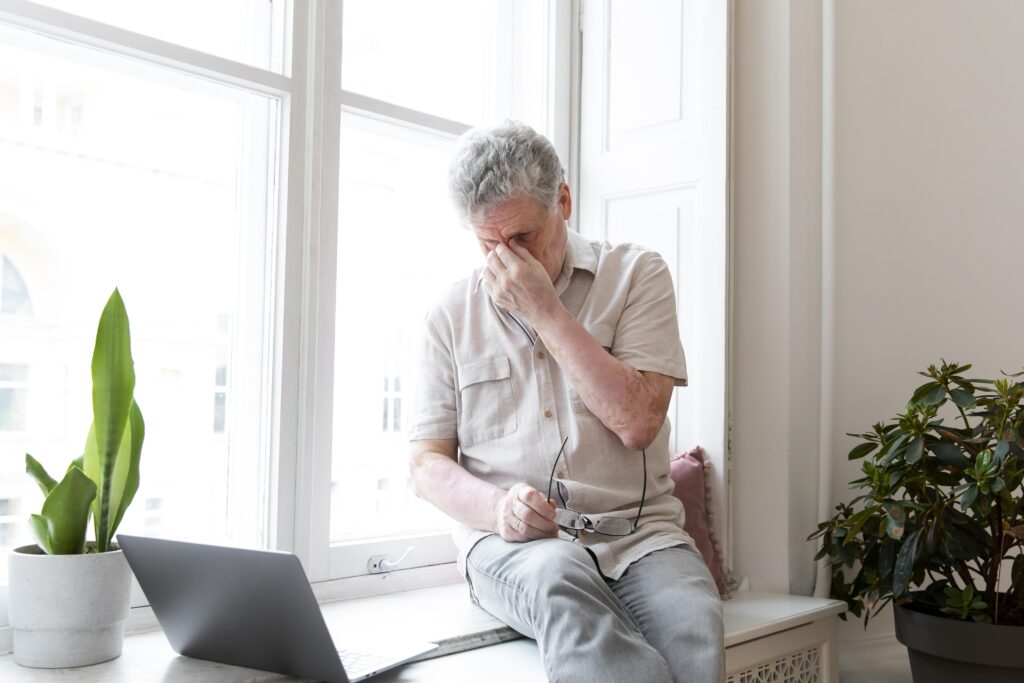
Growing older often brings physical changes, but when pain becomes a constant companion, it can affect far more than the body. Chronic pain is one of the most common health concerns among older adults, often resulting from arthritis, osteoporosis, nerve disorders, diabetes, back problems, or previous injuries. Unlike short-term pain, chronic pain persists for months […]
How Different Generations View Aging & Older Adults
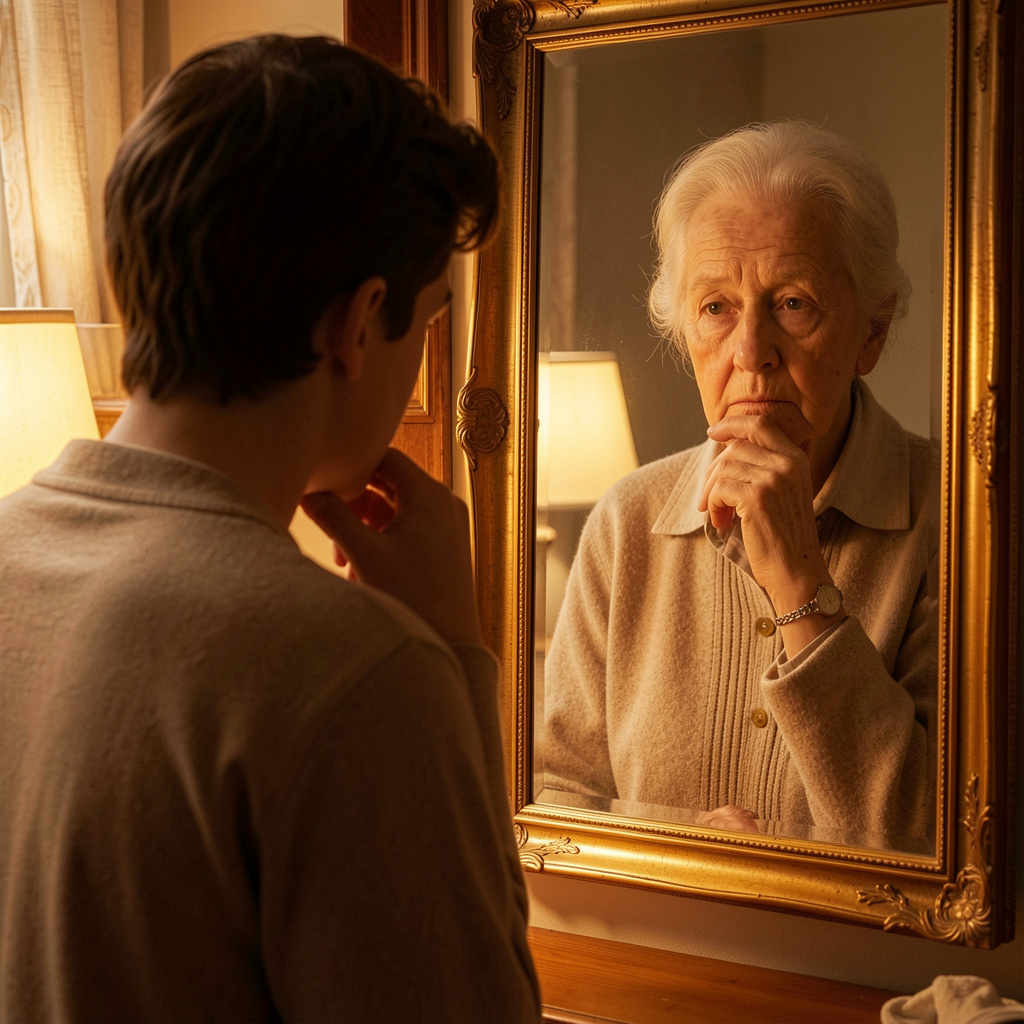
As everyone experiences aging, different generations have quite different perspectives on the process. Every generation is shaped by its social environment, cultural values, technological advancements, economic conditions, and life experiences. As a result, older adults are viewed differently by Baby Boomers, Generation X, Millennials, and Generation Z. These differing perspectives influence family relationships, workplace policies, […]
Managing Elderly Stress Before It Leads to Burnout

Growing older brings wisdom, life experience, and resilience, but it also introduces unique emotional and physical challenges. Retirement, health concerns, loss of loved ones, reduced independence, financial adjustments, and social isolation can gradually affect an older adult’s emotional well-being. While occasional stress is a normal part of life, persistent emotional strain that goes unrecognized can […]