
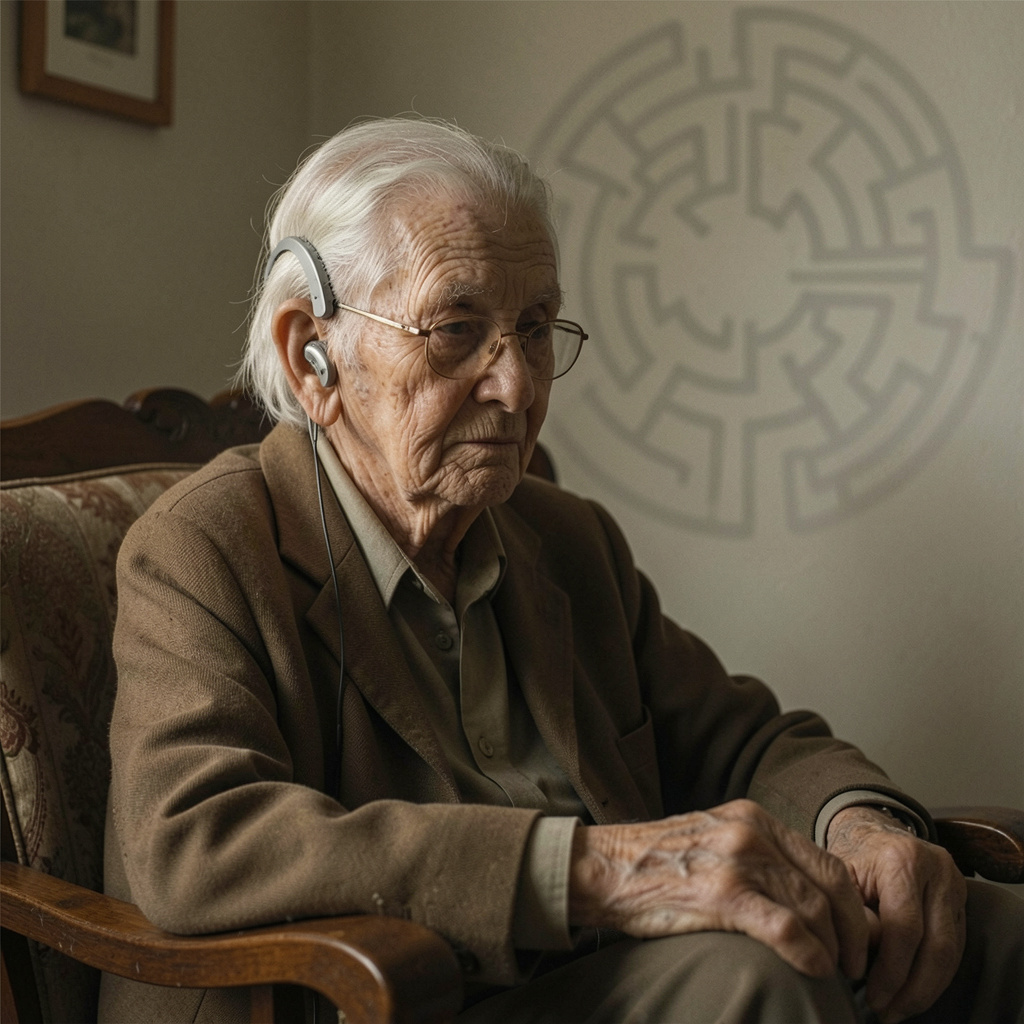
Aging is a natural process that brings several changes in the body and mind. While memory lapses and slower information processing are often considered normal parts of growing older, certain health challenges may increase the risk of significant cognitive decline. One such concern is hearing loss, a condition that affects millions of seniors worldwide. Hearing difficulties are not only related to communication barriers but may also influence brain health, emotional well-being, and overall quality of life. Research has increasingly explored the connection between untreated hearing loss and cognitive changes, suggesting that maintaining hearing health may play an important role in supporting healthy aging.
Understanding Hearing Loss in Older Adults
Age-related hearing loss, also known as presbycusis, commonly develops gradually due to changes in the inner ear, prolonged exposure to noise, genetics, and other medical factors. Many seniors experience difficulty understanding conversations, especially in noisy environments, recognizing voices, or following discussions involving multiple people.
Because hearing loss often progresses slowly, older adults may adapt by avoiding social situations or relying on family members to communicate important information. This gradual withdrawal can affect emotional health and reduce opportunities for mental stimulation.
Hearing is closely connected with brain activity. The brain continuously processes sounds, interprets language, and helps individuals respond appropriately to their surroundings. When auditory input decreases, the brain may receive fewer opportunities for stimulation, potentially affecting cognitive functioning over time.
How Hearing Loss May Influence Cognitive Decline
Several mechanisms explain the relationship between hearing impairment and cognitive decline. Research indicates that older adults with hearing loss have a higher likelihood of experiencing cognitive difficulties and dementia compared with those without hearing problems. A systematic review and meta-analysis found that age-related hearing loss was associated with poorer cognitive performance and increased risks of cognitive impairment and dementia.
One possible explanation is increased cognitive workload. When seniors struggle to hear conversations, the brain spends additional effort trying to interpret incomplete sounds. This constant effort may reduce the mental resources available for memory, attention, and problem-solving.
Another important factor is reduced social engagement. Seniors with hearing difficulties may avoid conversations, family gatherings, or community activities because communication becomes challenging. This isolation can contribute to loneliness, which is associated with emotional distress and reduced cognitive stimulation.
Additionally, hearing loss may influence mood and motivation. Difficulty communicating can lead to frustration, sadness, and withdrawal, creating challenges that affect both mental and emotional functioning.
The Role of Social Connection and Emotional Well-Being
Healthy aging is not only about managing medical conditions; it also involves maintaining meaningful connections and participation in life. A supportive relationship with family members, friends, and caregivers can help seniors remain emotionally connected and mentally active.
When families recognize hearing difficulties early, they can encourage seniors to seek professional evaluation instead of dismissing hearing loss as an unavoidable part of aging. Simple changes, such as speaking clearly, reducing background noise, and including seniors in conversations, can significantly improve their sense of belonging.
Managing other health concerns is equally important. Conditions affecting physical health, such as cardiovascular problems, diabetes, and reduced mobility, may interact with hearing challenges and influence cognitive well-being. A comprehensive approach that addresses medical, psychological, and social needs can promote better aging outcomes.
Preventive Strategies to Protect Brain Health
Early identification and management of hearing loss can support cognitive and emotional wellness. Regular hearing assessments, appropriate hearing devices, and medical consultations can help seniors maintain communication abilities.
Apart from hearing care, lifestyle practices also contribute to brain health. Activities that encourage learning, creativity, and social participation can strengthen mental abilities. Participation in a skill development program designed for older adults can encourage continuous learning, confidence building, and active engagement.
Mental wellness practices can also be beneficial. Techniques such as mindfulness therapy may help seniors manage emotional challenges, improve awareness, and develop healthier coping strategies. Staying mentally active through hobbies, reading, discussions, and meaningful activities can support overall psychological resilience.
For seniors experiencing multiple health concerns, including chronic pain, emotional stress, or adjustment difficulties, professional support can help improve coping abilities and quality of life.
The Importance of Community Support and Geriatric Care
Aging populations require coordinated support systems that address medical, emotional, and social needs. Comprehensive geriatric care focuses on improving the quality of life of older adults by addressing physical conditions, psychological concerns, independence, and social participation.
Organizations working in community welfare also play an important role. A Non-profit organisation dedicated to elder support can create awareness, provide resources, and encourage programs that promote healthy aging. Initiatives related to health and family welfare help families understand the importance of early intervention, emotional support, and preventive healthcare.
Community involvement through an NGO for volunteering can also reduce isolation among seniors by creating opportunities for interaction, companionship, and meaningful engagement.
Supporting Seniors Through Psychological Care
Hearing loss can affect more than communication; it can influence confidence, independence, and emotional well-being. Seniors who experience frustration, withdrawal, anxiety, or adjustment difficulties may benefit from psychological counselling. Professional guidance can help individuals and families understand emotional responses, improve coping strategies, and maintain healthier lifestyles.
Psychowellness Center provides psychological counselling services that address emotional and mental health concerns among individuals, including older adults facing life transitions, stress, and adjustment challenges. TalktoAngel, an online platform for counselling, connects individuals with qualified mental health professionals through accessible online sessions, helping seniors and families seek support conveniently.
Organizations such as Global Development Foundation (GDF) work toward social welfare initiatives, including awareness, community support, and programs that contribute to public well-being and healthier aging.
Conclusion
Hearing loss in seniors is not merely a problem of reduced hearing ability; it can influence communication, emotional health, social participation, and cognitive functioning. Recognizing hearing difficulties early and providing appropriate support can help older adults maintain independence and quality of life.
A holistic approach involving medical care, emotional support, active lifestyles, and community involvement can promote healthier aging. Through counselling support from Psychowellness Center and TalktoAngel, along with initiatives by Global Development Foundation (GDF), seniors and their families can access guidance to address emotional challenges and strengthen overall well-being.
Supporting older adults requires compassion, awareness, and collective responsibility. By focusing on prevention, connection, and timely intervention, society can help seniors age with dignity, confidence, and improved mental wellness.
Contributions: Dr. R. K. Suri, Clinical Psychologist & Life Coach, and Ms. Mahima Mathur, Counselling Psychologist
References
Lin, F. R., Yaffe, K., Xia, J., Xue, Q. L., Harris, T. B., Purchase-Helzner, E., Satterfield, S., Ayonayon, H. N., Ferrucci, L., & Simonsick, E. M. (2011). Hearing loss and cognitive decline in older adults. JAMA Internal Medicine, 171(12), 1081–1087. https://doi.org/10.1001/archinternmed.2011.201
Loughrey, D. G., Kelly, M. E., Kelley, G. A., Brennan, S., & Lawlor, B. A. (2018). Association of age-related hearing loss with cognitive function, cognitive impairment, and dementia: A systematic review and meta-analysis. JAMA Otolaryngology–Head & Neck Surgery, 144(2), 115–126. https://doi.org/10.1001/jamaoto.2017.2513
Livingston, G., Huntley, J., Sommerlad, A., Ames, D., Ballard, C., Banerjee, S., Brayne, C., Burns, A., Cohen-Mansfield, J., Cooper, C., Costafreda, S. G., Dias, A., Fox, N., Gitlin, L. N., Howard, R., Kivimäki, M., Larson, E. B., Ogunniyi, A., Orgeta, V., … Mukadam, N. (2020). Dementia prevention, intervention, and care: 2020 report of the Lancet Commission. The Lancet, 396(10248), 413–446. https://doi.org/10.1016/S0140-6736(20)30367-6