
Importance of Family Bonds in Healthy Ageing

Healthy ageing is about much more than maintaining physical fitness or managing medical conditions. It also involves preserving emotional well-being, social connectedness, and a sense of purpose throughout later life. As people grow older, changes such as retirement, health concerns, bereavement, or reduced mobility may influence their daily routines and emotional experiences. During these transitions, […]
When Should Older Adults Seek Counselling? Key Warning Signs & Support

Growing older brings many meaningful experiences, including retirement, stronger family connections, and opportunities for personal reflection. At the same time, ageing also involves significant life changes that may affect emotional well-being. Health concerns, changes in independence, bereavement, financial adjustments, and shifting family roles can all influence how older adults think, feel, and cope with everyday […]
Anxiety in Older Adults: Common Triggers, Symptoms, & Treatment Options
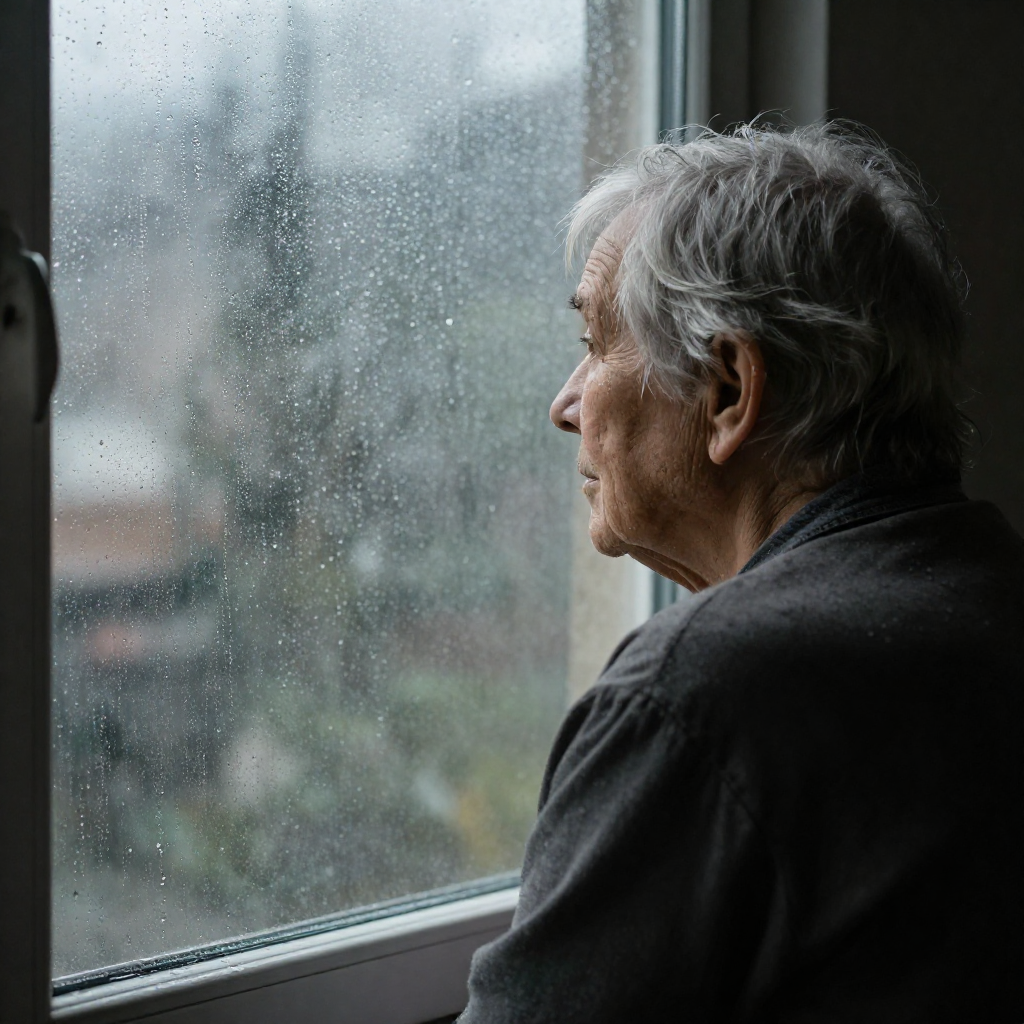
Growing older brings many life transitions, such as retirement, health changes, financial adjustments, and the loss of loved ones, that can affect emotional well-being. While these experiences are a natural part of ageing, they may increase the risk of anxiety and impact an individual’s quality of life. Persistent anxiety or emotional distress should not be […]
Emotional Dependency vs Healthy Attachment

Relationships play a significant role in emotional well-being, offering companionship, support, and a sense of belonging. However, not every close relationship reflects emotional health. Sometimes, what appears to be deep love or commitment may actually be emotional dependency, where one person relies excessively on another for validation, happiness, or self-worth. In contrast, healthy attachment allows […]
Ageing Gracefully: Overcoming Appearance-Related Anxiety in Later Life

Every stage of ageing brings new experiences, opportunities for personal growth, and valuable wisdom gained through years of living. However, youthful appearance is frequently highly valued in contemporary society, leading to unattainable beauty standards that might affect how people view themselves as they get older. Wrinkles, grey hair, changes in body shape, and reduced physical […]
Caregiver Burnout: How Family Caregivers Can Protect Mental Health

One of the most significant tasks a person may play is providing care for a loved one. Whether supporting an aging parent, a spouse with a chronic illness, or a child with special needs, family caregivers often dedicate countless hours to ensuring the well-being of others. Caregiving has emotional, physical, and psychological obligations, but it […]
Phone Addiction Among Older Adults: Recognising Signs & Finding Balance

Smartphones have become an essential part of everyday life, helping people stay connected, access information, manage finances, and communicate with loved ones. For older adults, mobile technology has brought many benefits, including easier access to healthcare services, social interaction, and entertainment. However, excessive phone use can gradually develop into phone addiction, interfering with daily routines, […]
Are We Raising Emotionally Weak or Emotionally Aware Children?

Parents today are increasingly concerned about their children’s emotional well-being. While previous generations often emphasized academic achievement and discipline, modern parenting recognizes that emotional development is equally important. However, many parents wonder whether encouraging children to express their emotions is making them emotionally weak or helping them become emotionally aware. The answer lies in understanding […]
“Sandwich Generation” Stress: Caring for Kids & Aging Parents Together
Many adults today find themselves balancing two equally important caregiving responsibilities—raising their children while also supporting ageing parents. Often referred to as the “sandwich generation,” these individuals often experience significant stress as they manage multiple roles simultaneously, including parenting, caregiving, maintaining a career, handling financial responsibilities, and preserving their own well-being. While caregiving can be […]
Safety Challenges in Old Age: Why Advocacy Matters

Growing older is a natural part of life, bringing valuable experiences, wisdom, and new perspectives. However, ageing also presents unique challenges that can affect an individual’s independence, security, and overall quality of life. As physical abilities change and social circumstances evolve, older adults may become more vulnerable to various forms of harm, including accidents, neglect, […]