
The Role of Nutrition in Preventing Cognitive Decline

As people age, maintaining cognitive health becomes an essential part of healthy ageing. While some changes in memory and thinking are a normal part of growing older, significant cognitive decline is not inevitable. Research increasingly highlights the role of proper nutrition in supporting brain function, protecting memory, and reducing the risk of age-related cognitive disorders. […]
Is There a New Definition of Old Age? Understanding Healthy Ageing

Advances in healthcare, improved living conditions, and greater awareness of healthy lifestyles have significantly changed the way people experience ageing. Today, many adults remain physically active, socially engaged, and intellectually productive well into their later years. As a result, the traditional definition of old age is evolving from one of decline and dependency to one […]
Mental Health in Adults Over 70: Why It Deserves More Attention
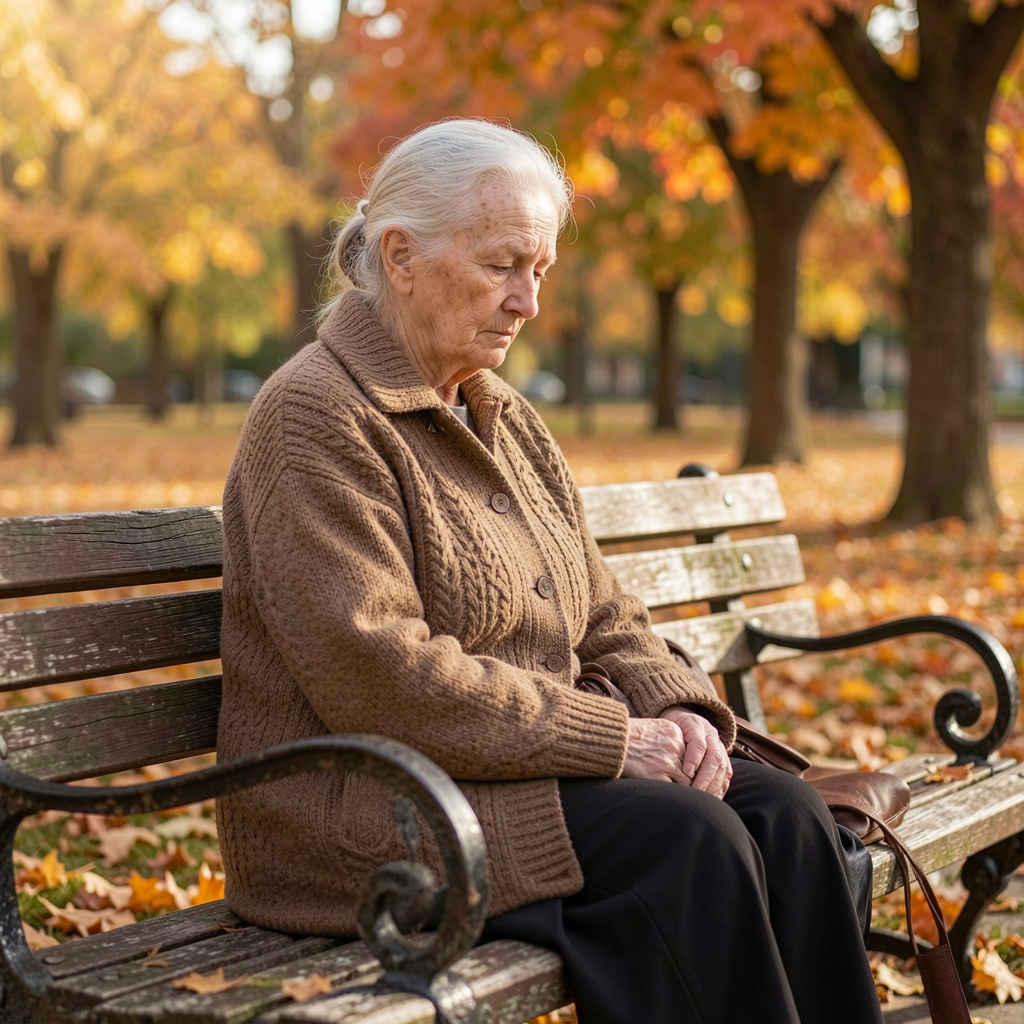
As life expectancy continues to increase, more people are living well into their seventies and beyond. While physical health often receives considerable attention during later life, mental health is frequently overlooked. Emotional well-being is equally important because it influences quality of life, independence, relationships, and overall health. With timely awareness, family support, and appropriate care, […]
Five Common Challenges Grandparents Face with Generation Z

Grandparents play an important role in providing love, guidance, and emotional support to younger family members. However, the rapid social, technological, and cultural changes experienced by Generation Z have created new dynamics within families. It can occasionally be challenging for grandparents and grandchildren to understand each other due to differences in communication methods, values, and […]
How Mindfulness Can Improve Mental Health

Mental health is an essential part of overall well-being, yet the demands of work, academics, family responsibilities, and modern life often leave people feeling emotionally overwhelmed. One evidence-based practice that has gained widespread recognition is mindfulness. By encouraging individuals to focus on the present moment with acceptance rather than judgment, mindfulness helps strengthen emotional resilience, […]
How Therapy Helps You Develop Better Coping Skills

Life presents everyone with challenges, from personal setbacks and workplace demands to health concerns and family responsibilities. While some individuals adapt effectively to these situations, others may struggle to manage overwhelming emotions or persistent difficulties. The difference often lies not in the problems themselves, but in the coping skills people use to respond to them. […]
Loneliness in Older Adults: Causes, Consequences, & Solutions

Growing older is often associated with wisdom, life experience, and cherished memories. However, it can also bring significant life changes that affect emotional and social well-being. Retirement, changes in health, the loss of loved ones, and reduced opportunities for social interaction may alter daily routines and increase feelings of disconnection. While spending time alone can […]
Importance of Family Bonds in Healthy Ageing

Healthy ageing is about much more than maintaining physical fitness or managing medical conditions. It also involves preserving emotional well-being, social connectedness, and a sense of purpose throughout later life. As people grow older, changes such as retirement, health concerns, bereavement, or reduced mobility may influence their daily routines and emotional experiences. During these transitions, […]
When Should Older Adults Seek Counselling? Key Warning Signs & Support
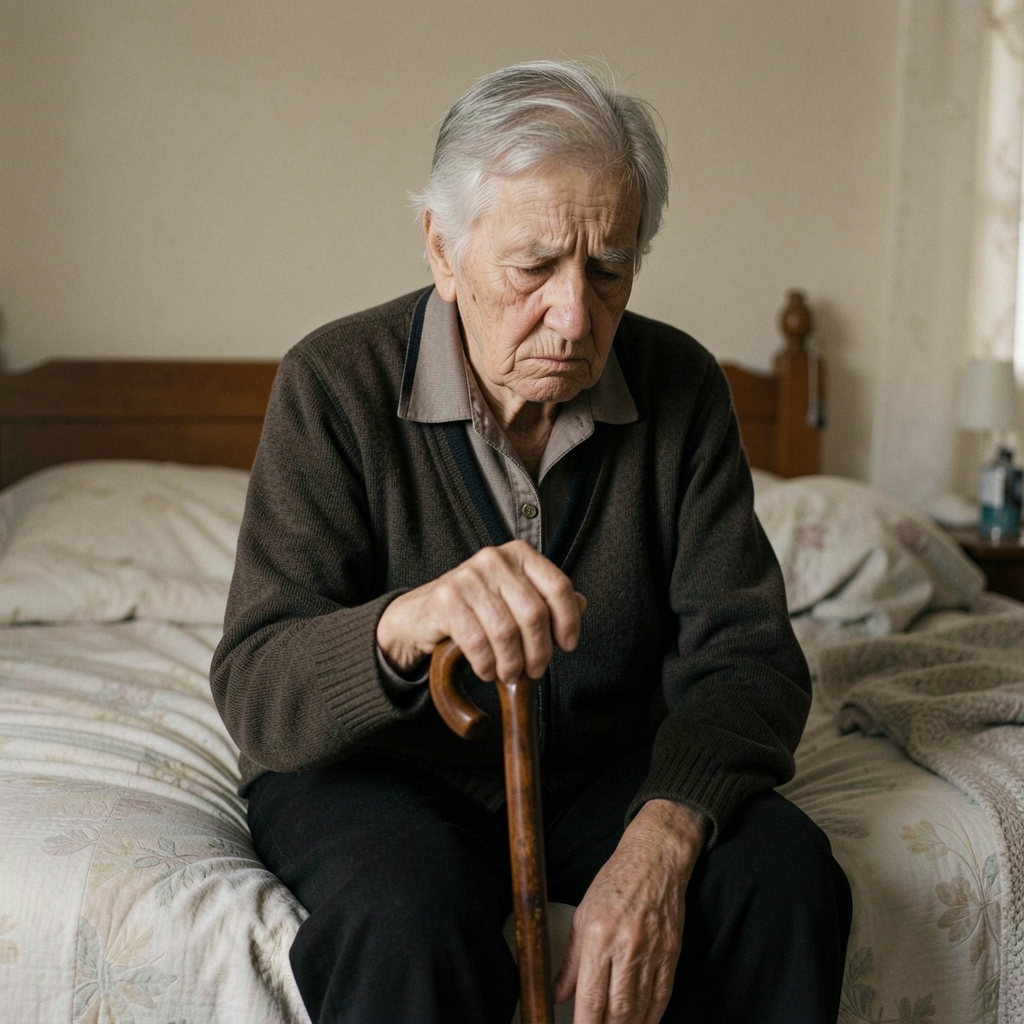
Growing older brings many meaningful experiences, including retirement, stronger family connections, and opportunities for personal reflection. At the same time, ageing also involves significant life changes that may affect emotional well-being. Health concerns, changes in independence, bereavement, financial adjustments, and shifting family roles can all influence how older adults think, feel, and cope with everyday […]
Anxiety in Older Adults: Common Triggers, Symptoms, & Treatment Options
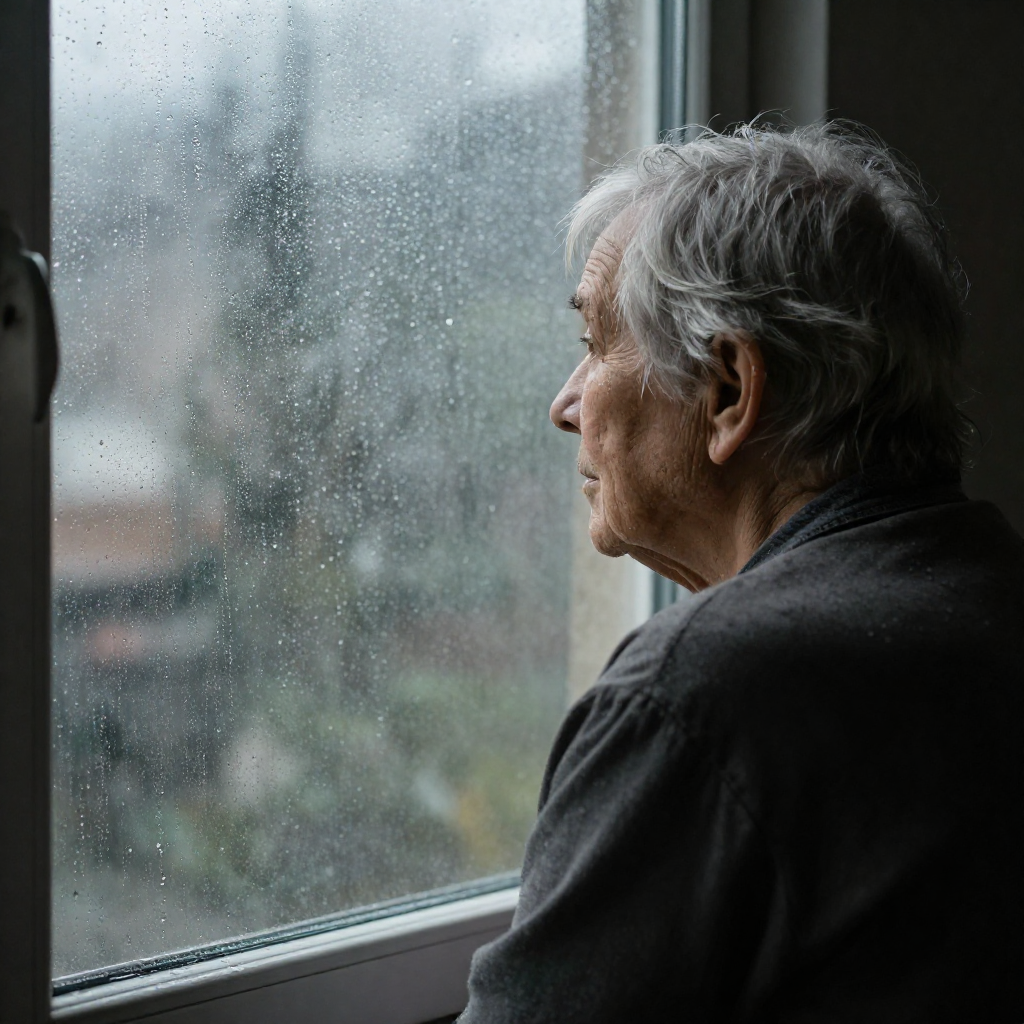
Growing older brings many life transitions, such as retirement, health changes, financial adjustments, and the loss of loved ones, that can affect emotional well-being. While these experiences are a natural part of ageing, they may increase the risk of anxiety and impact an individual’s quality of life. Persistent anxiety or emotional distress should not be […]