
Sleep Hygiene for All Ages: Improving Mood & Cognitive Function

Sleep is often viewed as a passive state, something that simply marks the end of a busy day. In reality, it is a highly active and essential biological process that supports both mental and physical health. Across all stages of life, quality sleep plays a central role in stabilizing mood, enhancing cognitive performance, and maintaining […]
Late-Life Depression: Why It Often Goes Unnoticed

Late-life depression is a growing yet often overlooked mental health concern among older adults. Unlike younger populations, symptoms in the elderly may present differently, making it harder to identify and address. Many seniors experience emotional distress silently, often attributing their feelings to aging or physical health issues. This lack of recognition delays intervention and can […]
Bullying and Its Impact on Child Mental Health

Bullying is a serious issue that affects children across different age groups and environments, including schools, neighbourhoods, and even online spaces. It involves repeated aggressive behaviour intended to harm, intimidate, or control another individual. Bullying can take many forms, such as physical aggression, verbal abuse, social exclusion, or cyberbullying. Its impact goes beyond immediate distress, […]
Understanding Speech Delays in Children

Speech and language development is a vital part of a child’s overall growth, helping them express needs, share emotions, ask questions, and build relationships. Strong communication skills also support learning, cognitive development, and social confidence, making them essential for success in school and daily life. However, speech delays can sometimes affect this development, making early […]
Coping with Physical Limitations in Older Age
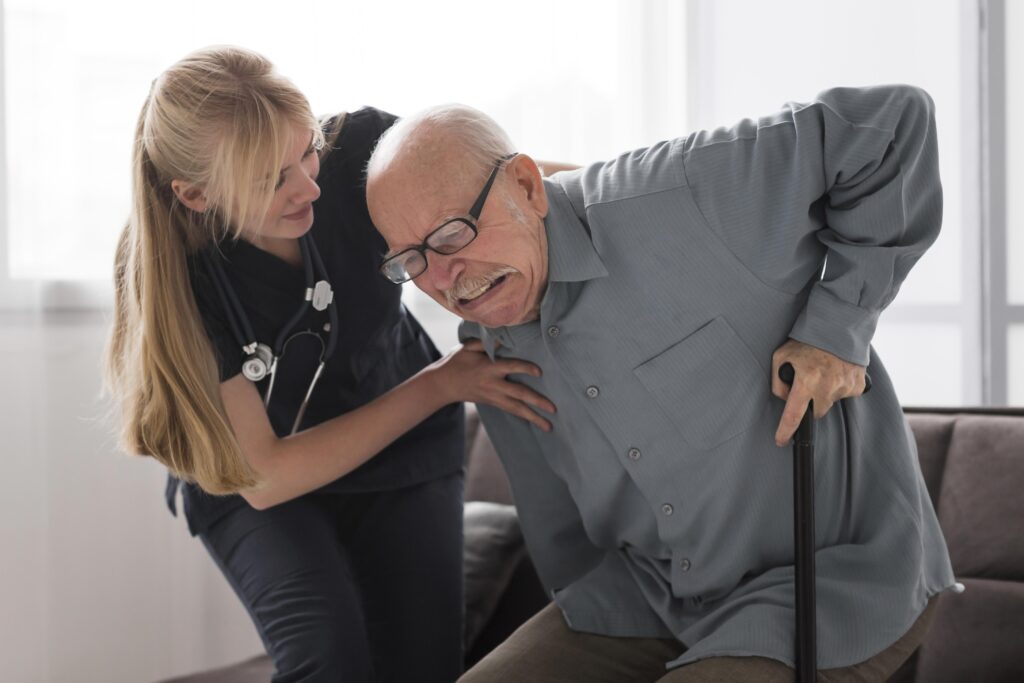
Aging is a natural and inevitable part of life, often accompanied by various physical changes. While these changes can bring wisdom and experience, they may also introduce challenges such as reduced mobility, chronic illnesses, and decreased strength. Coping with physical limitations in older age requires a balanced approach that includes emotional resilience, social support, and […]
Memory Decline and Self-Esteem in Older Adults

Aging is a natural process that brings about several physical, emotional, and cognitive changes. Among these, memory decline is one of the most common concerns experienced by older adults. While occasional forgetfulness is a normal part of aging, persistent memory issues can significantly impact an individual’s confidence, independence, and overall sense of self-worth. Understanding the […]
Recognizing Delusions and Hallucinations in Aging Adults

As individuals age, changes in physical and mental health can sometimes lead to complex psychological symptoms. Among these, delusions and hallucinations are particularly concerning, as they may indicate underlying neurological or psychiatric conditions. Recognizing these symptoms early is essential for timely intervention, appropriate geriatric care, and improved quality of life for older adults. Understanding Delusions […]
Why Seniors Feel Embarrassed About Forgetting
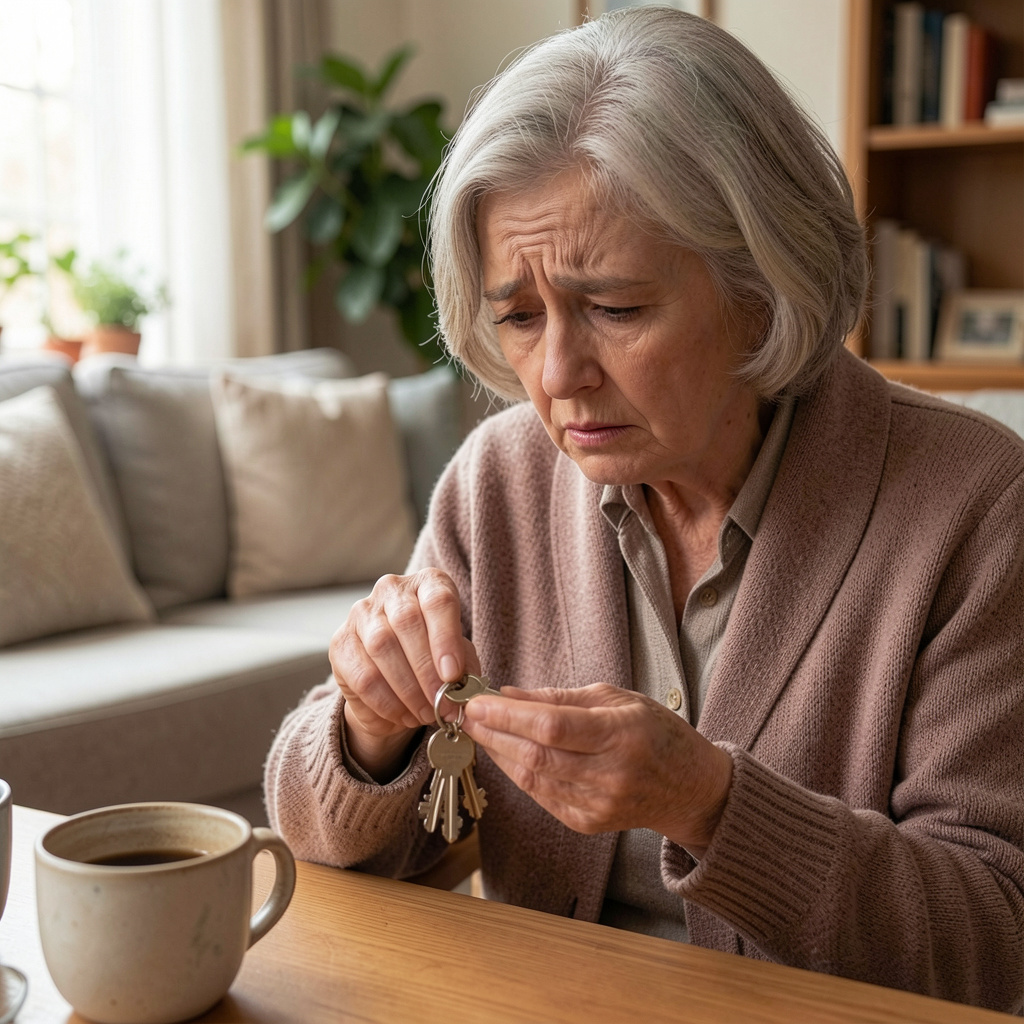
Ageing is a natural part of life, yet it often brings changes that can feel unfamiliar and unsettling. One of the most common concerns among older adults is forgetfulness—misplacing items, forgetting names, or struggling to recall recent events. While such experiences are often a normal part of aging, they can carry a deep emotional impact. […]
How Psychotic Disorders Impact Mental Health in the Elderly?

Psychotic disorders in older adults are complex mental health conditions that significantly affect emotional well-being, cognition, and daily functioning. These disorders may include schizophrenia, delusional disorder, and psychosis related to neurocognitive conditions such as dementia. In elderly individuals, psychotic symptoms—such as hallucinations and delusions—often present differently than in younger populations and may be influenced by […]
Maintaining Purpose and Meaning in Senior Years

Aging is a natural and meaningful phase of life that brings both opportunities and challenges. While it is often associated with retirement, physical changes, and shifting social roles, it can also be a time for reflection, growth, and fulfilment. Maintaining a sense of purpose during the senior years is essential for emotional well-being, mental health, […]