
Issues with Aging in Evolving Indian Scenarios
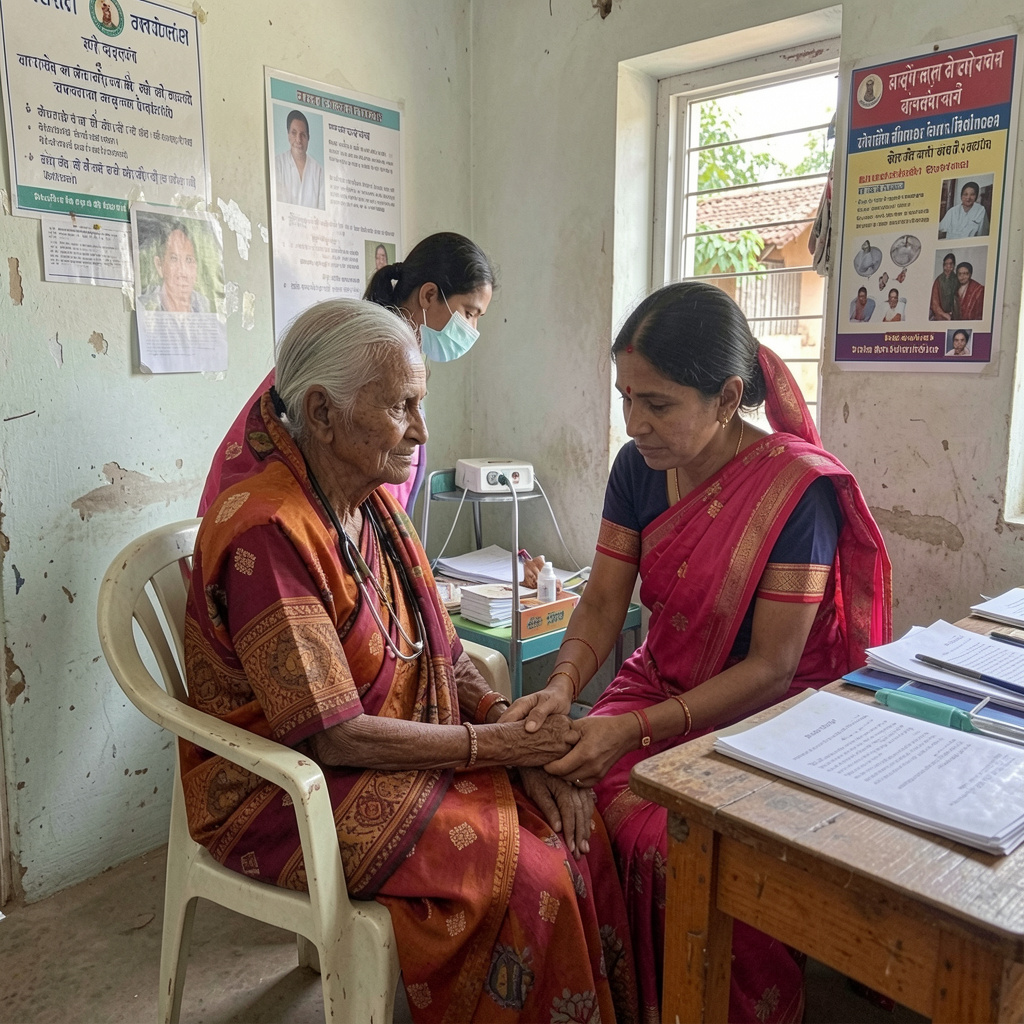
India is witnessing a rapid demographic transition as the elderly population continues to grow. Improvements in healthcare, nutrition, and life expectancy have increased the number of older adults across the country. However, aging in modern India is no longer experienced in the same way it was a few decades ago. Urbanization, migration, changing lifestyles, and […]
Financial Reliance and Emotional Health in the Elderly
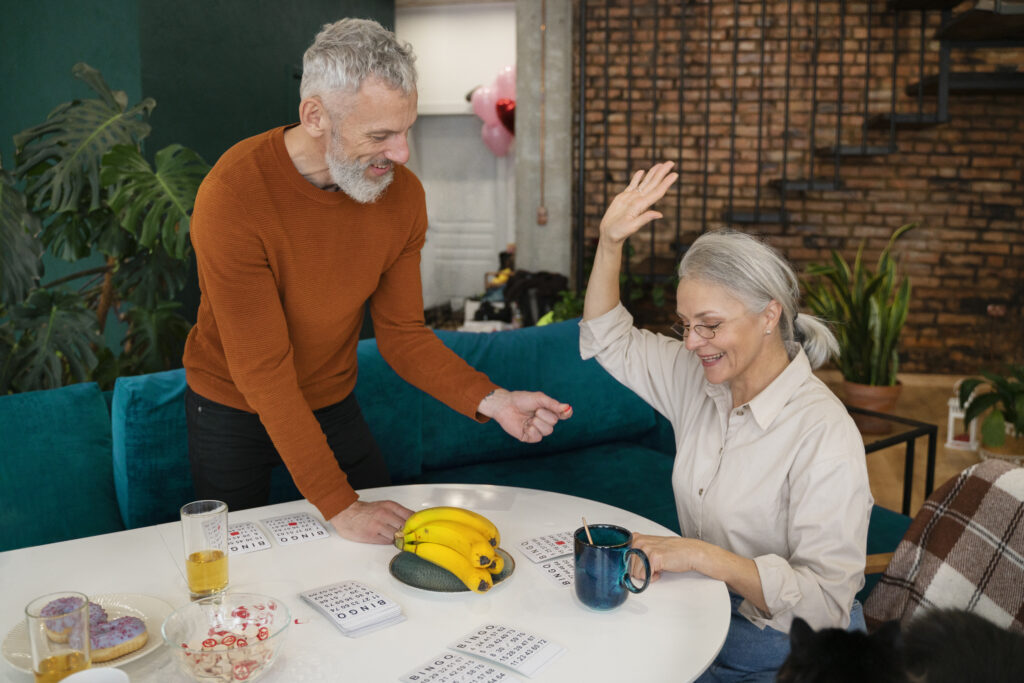
Growing older often brings major life transitions such as retirement, physical health challenges, and changes in social roles. Among these changes, financial reliance on others can become one of the most emotionally difficult experiences for elderly individuals. Many older adults who were once independent providers may begin to depend on children, relatives, or caregivers for […]
Rebuilding Social Connections in Older Adults
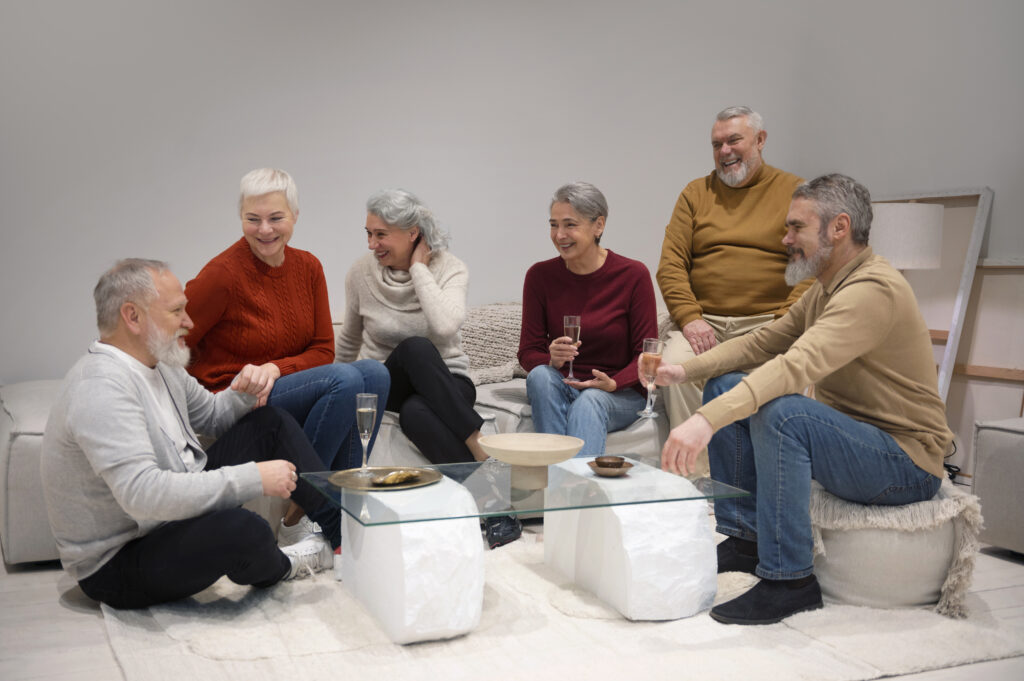
Growing older brings many changes to life, including retirement, health concerns, relocation, and the loss of loved ones. While aging can offer wisdom and emotional maturity, it can also create challenges in maintaining social relationships. Many older adults gradually experience reduced social interaction due to physical limitations, family responsibilities of younger generations, or changing lifestyles. […]
Beyond Donations: How NGOs Create Long-Term Behavioral Change
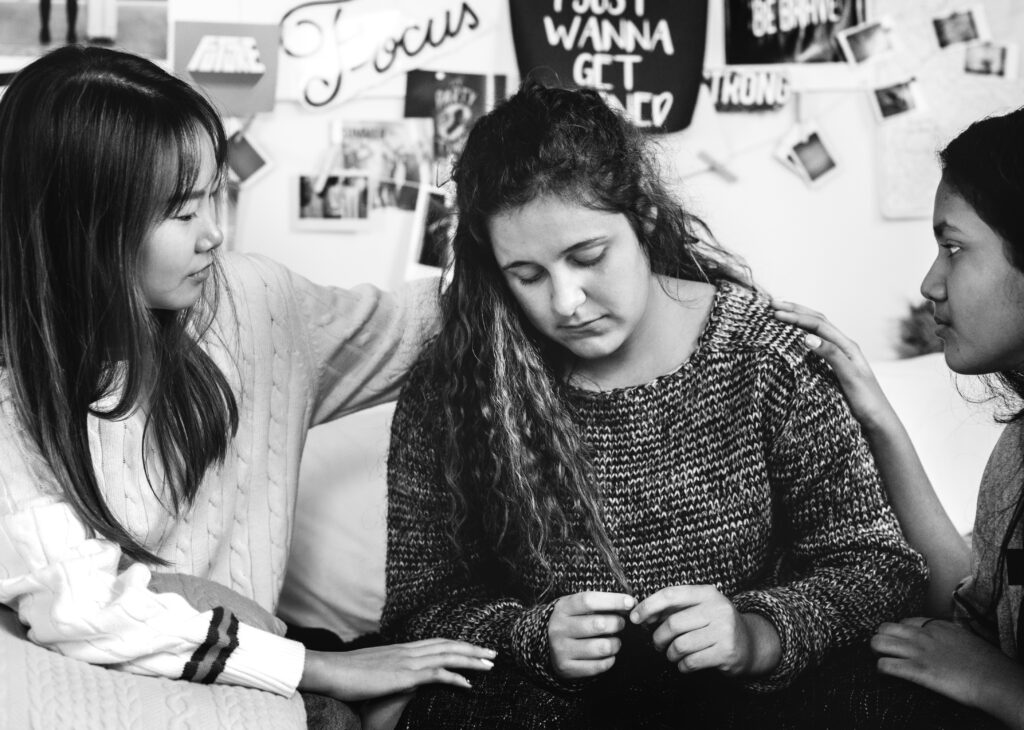
Non-governmental organizations (NGOs) are often associated with charity, providing food, clothing, or financial aid to those in need. While these efforts are important, the true impact of NGOs goes far beyond donations. The most effective organizations focus on creating long-term behavioral change, enabling individuals and communities to become self-reliant, informed, and resilient. Rather than offering […]
The Impact of Geriatric Health Issues on Older Parents
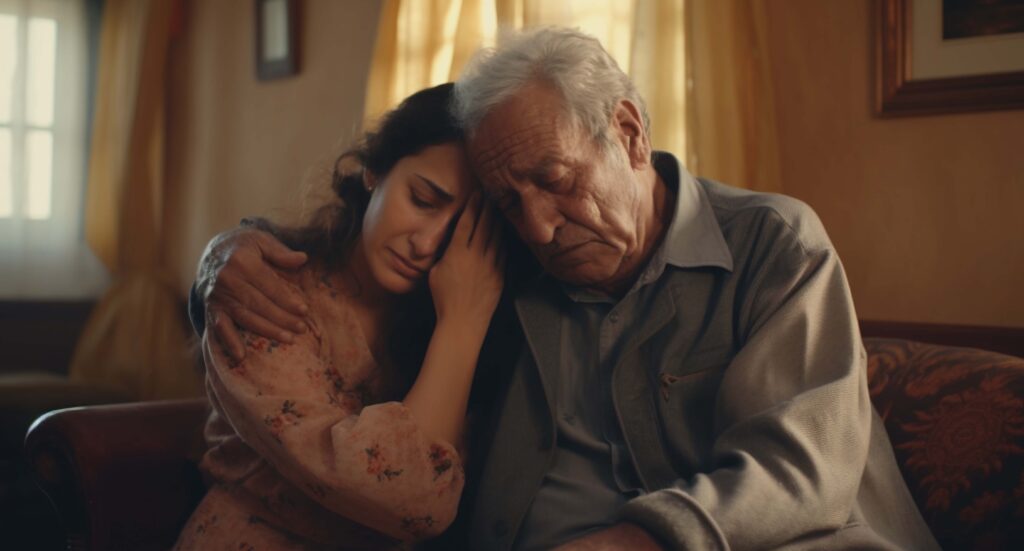
Aging is a natural phase of life, but for many older parents, it brings a complex mix of health challenges that can reshape their daily living and family relationships. Geriatric health issues go beyond physical illness; they influence emotional stability, independence, social roles, and even the financial structure of a household. As life expectancy increases, […]
Medical Care for Elderly Patients in Poor Health
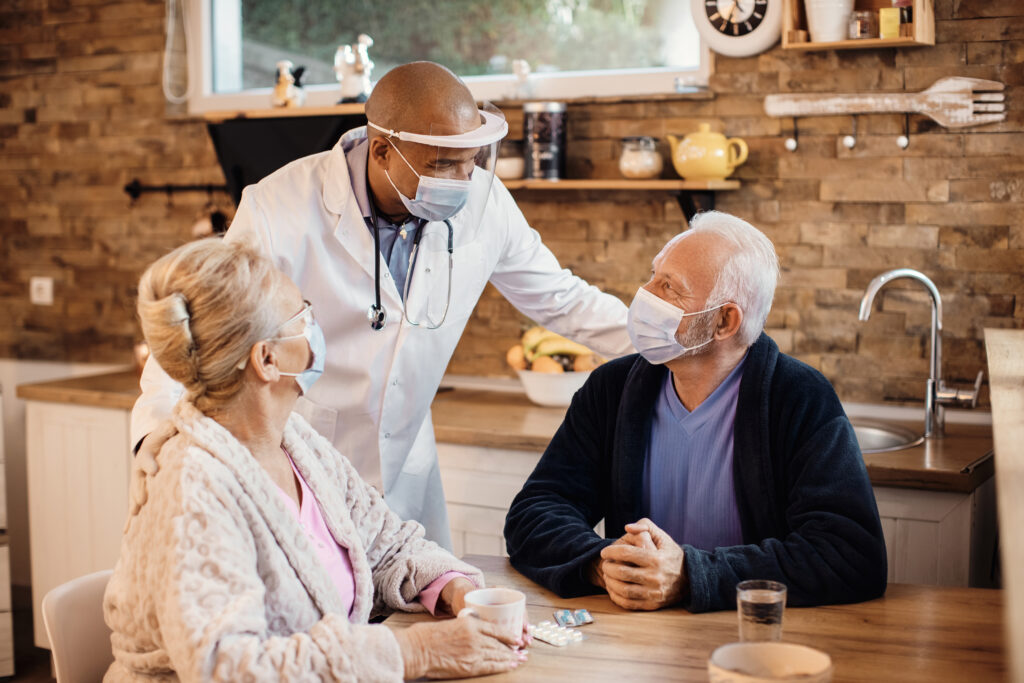
The aging population is growing rapidly across the world, and with it comes an increased need for specialized medical care. Elderly individuals, particularly those in poor health, often face complex medical conditions, limited mobility, and emotional challenges. Ensuring proper medical care for this vulnerable group is not only a healthcare priority but also a social […]
Creating Safer Lives: Supporting and Advocating for the Elderly
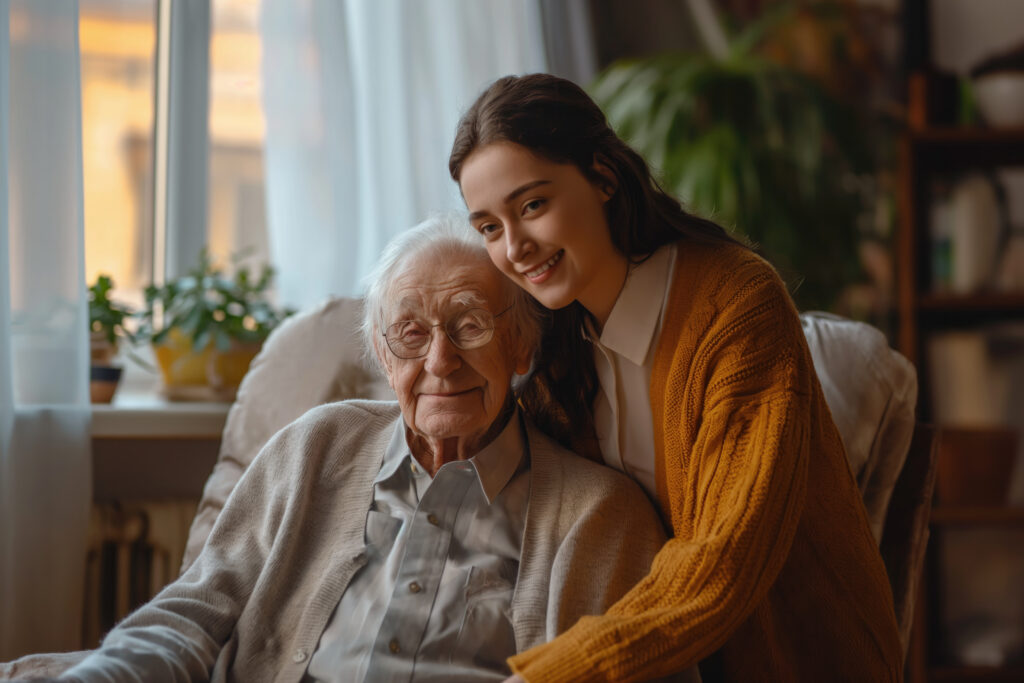
Ageing is often associated with wisdom and life experience, yet for many elders, it also brings increased vulnerability. Safety in later life is not limited to physical protection; it extends to emotional security, financial stability, and social inclusion. Creating safer lives for the elderly requires a comprehensive approach that recognises their rights, respects their autonomy, […]
Can Therapy Help Couples in Their Later Years?
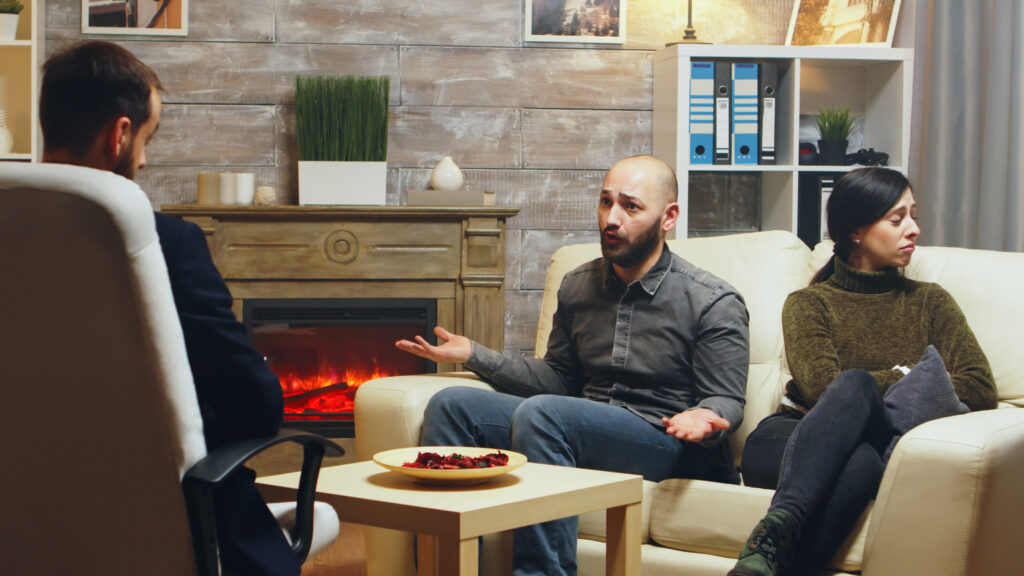
Aging brings significant changes in life, especially within relationships. For couples in their later years, the journey can be both rewarding and challenging. After decades of shared experiences, responsibilities, and transitions, relationships may face emotional distance, communication gaps, or unresolved conflicts. This raises an important question: can couples therapy truly help couples in their later […]
The Science of Healthy Sleep and Why It Matters

Sleep is not merely a period of rest; it is a vital biological process that supports overall health and well-being. During sleep, the body undergoes critical functions such as tissue repair, hormone regulation, and memory consolidation. The brain remains highly active, organising information and processing emotional experiences. Healthy sleep is essential for maintaining physical vitality, […]
Understanding Panic and Fear in Aging
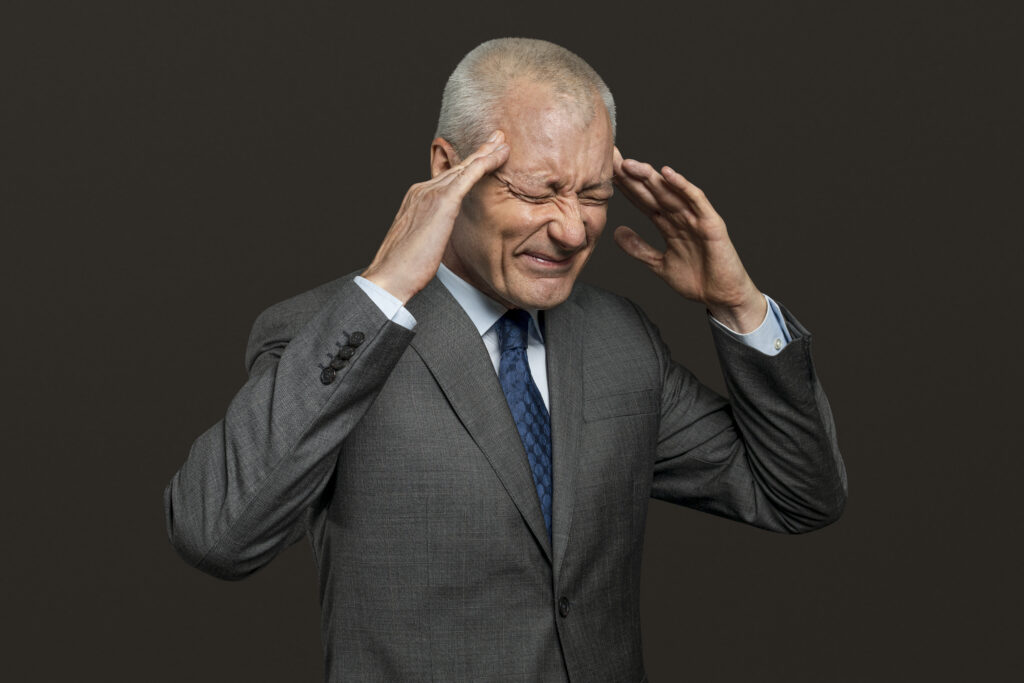
Aging is a natural and inevitable process, yet it often brings emotional challenges that can feel overwhelming. Among these, panic and fear are particularly distressing experiences for older adults. These emotions may arise from health concerns, loss of independence, social isolation, or changes in cognitive functioning. While occasional fear is a normal human response, persistent […]