
Aging in a Fast World: How Seniors Adapt Emotionally to Rapid Social Change
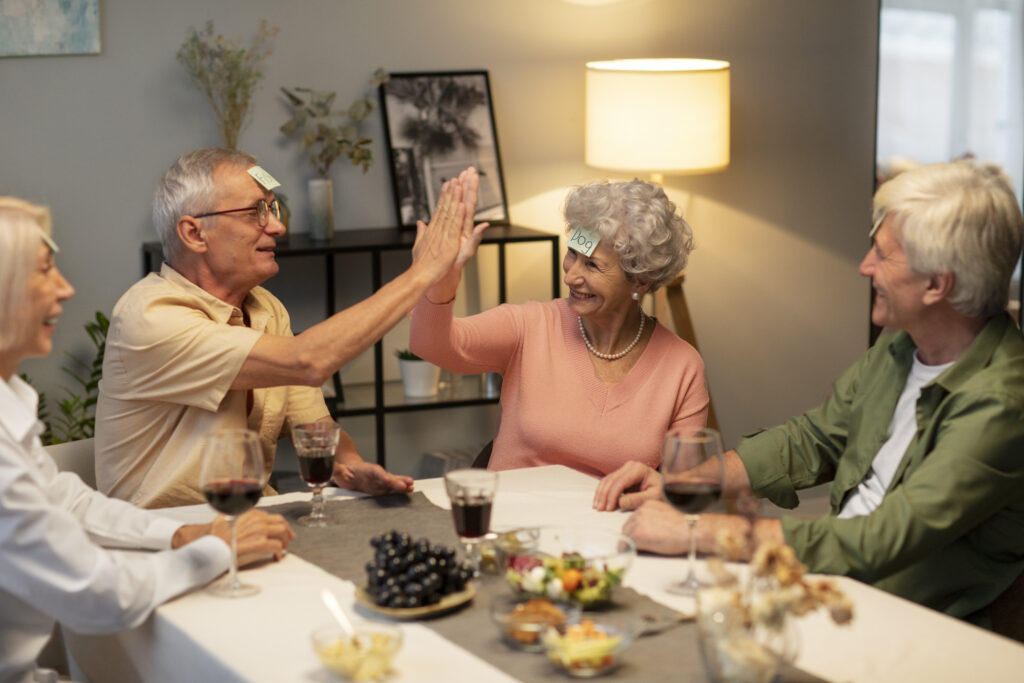
We live in a time of extraordinary speed. Technology evolves overnight, communication styles shift, workplaces transform, and family structures change faster than ever before. For older adults, this rapid social change can feel overwhelming. While younger generations may adapt more quickly, seniors often find themselves navigating unfamiliar territory—digitally, socially, and emotionally. Yet aging is not […]
Sleep, Ageing, & Mental Health: Why Rest Matters More After 60

After the age of sixty, sleep becomes a defining factor in mental health and emotional resilience. Contrary to the belief that older adults need less rest, the requirement for restorative sleep remains unchanged, even as the body’s ability to achieve it declines. Disrupted sleep in later life directly affects mood, memory, and the brain’s capacity […]
Aging Without a Manual: Navigating Life Transitions After Sixty

The transition into the seventh decade of life is one of the most profound stages of aging, yet it is also the one most people are least prepared for. While society offers clear guidance for youth—building careers, raising families, and measuring success—there is little conversation about how to age with meaning after sixty. Aging is […]
Resilience in Wrinkles: Psychological Strengths That Come With Age
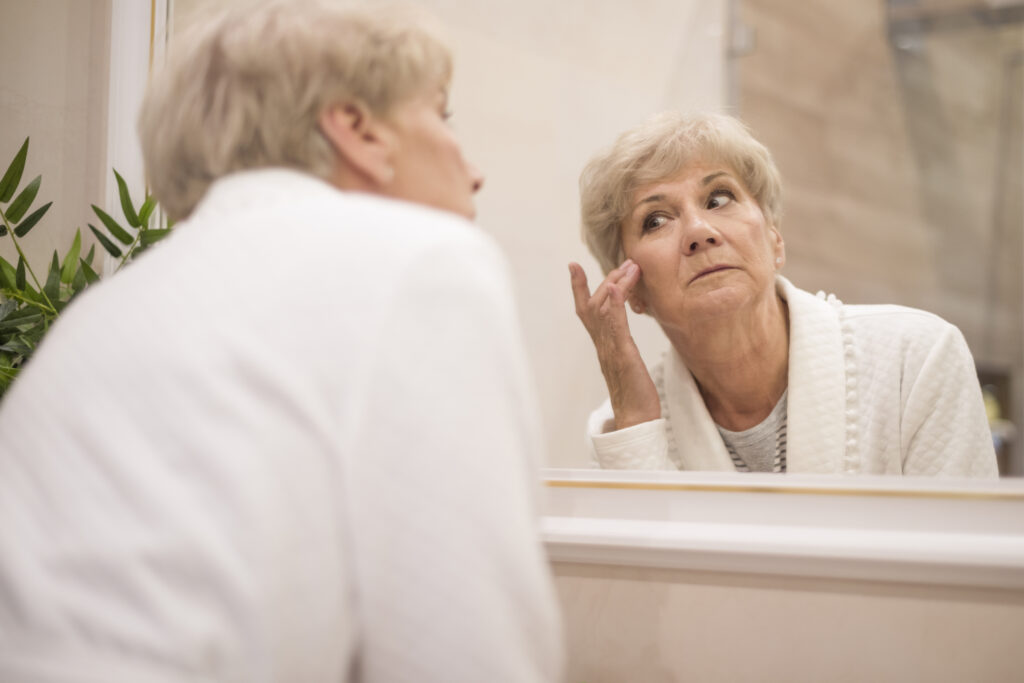
Aging is often framed as decline, a gradual loss of speed and status. Yet clinical psychology highlights the “Paradox of Aging”: despite physical changes, people over sixty report greater emotional stability, resilience, and life satisfaction than younger adults. This strength is earned through experience—each challenge refining perspective and priorities. Rather than fading, later life becomes […]
The Role of Community in Healthy Aging
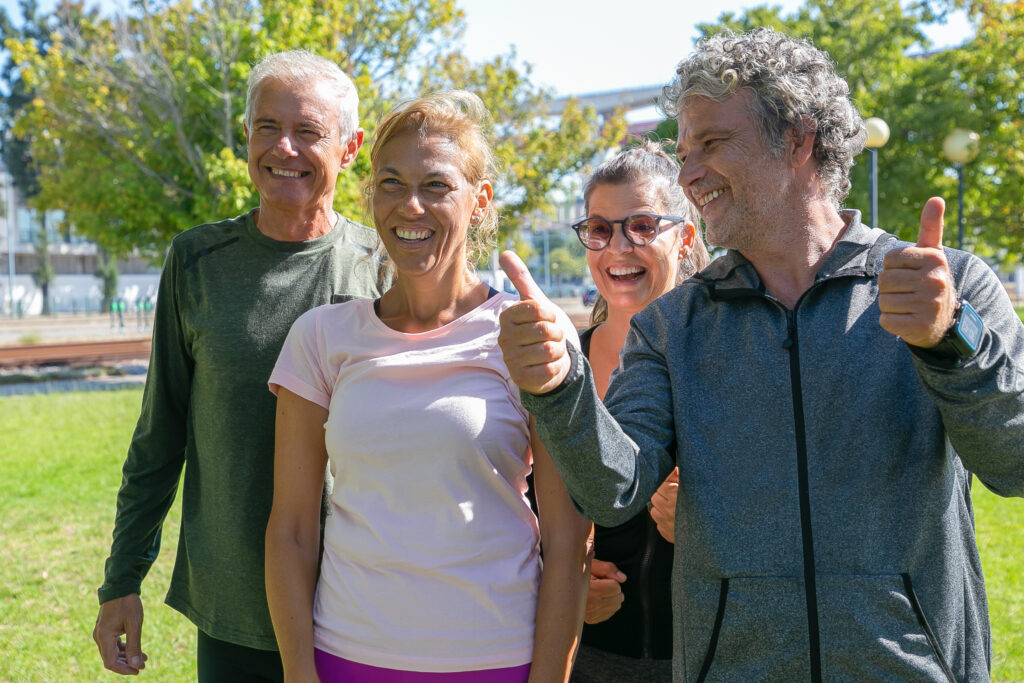
The human experience is fundamentally social, and this reality becomes even more poignant as we navigate the later stages of life. While modern medicine has focused extensively on extending the number of years we live, the quality of those years is often determined by the strength of the threads that connect us to others. Aging […]
Depression in Seniors: Signs That Often Go Unnoticed

The journey into our later years is frequently portrayed as a period of hard-earned rest and quiet reflection. However, for a significant portion of the elderly population, this transition is marked by a silent struggle that remains largely invisible to even the most attentive family members. While we are quick to notice physical ailments—a limp, […]
Preventing Burnout in Elderly Care: A Mental Health Perspective

Elderly care is often described as meaningful and rewarding, but it is also emotionally demanding in ways that are not always visible. Whether care is provided by family members, professional caregivers, or healthcare workers, supporting older adults requires patience, emotional presence, and sustained responsibility. Over time, these demands can quietly take a toll on mental […]
Geriatric Counseling: Why Therapy Matters at Any Age
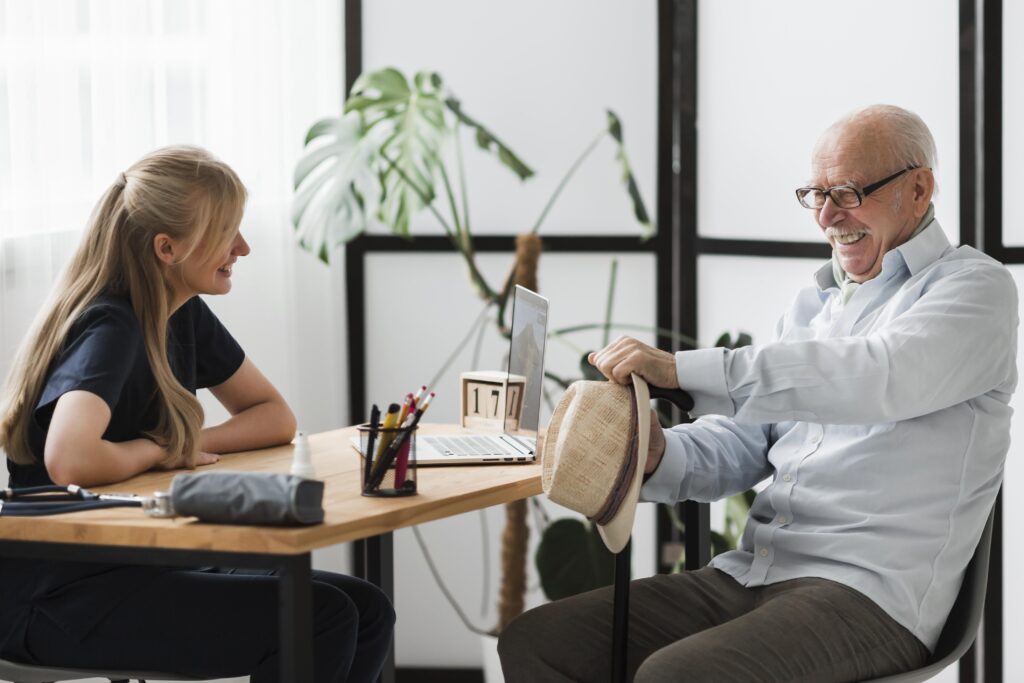
Aging is often viewed through a physical lens slower movement, health conditions, and changing energy levels. However, the emotional and psychological aspects of aging are just as significant. As people grow older, they face unique mental health challenges shaped by life transitions, losses, and shifting roles. Geriatric counseling focuses on supporting emotional well-being in later […]
Neurodiversity & Ageing: Supporting Minds Across Life Stages
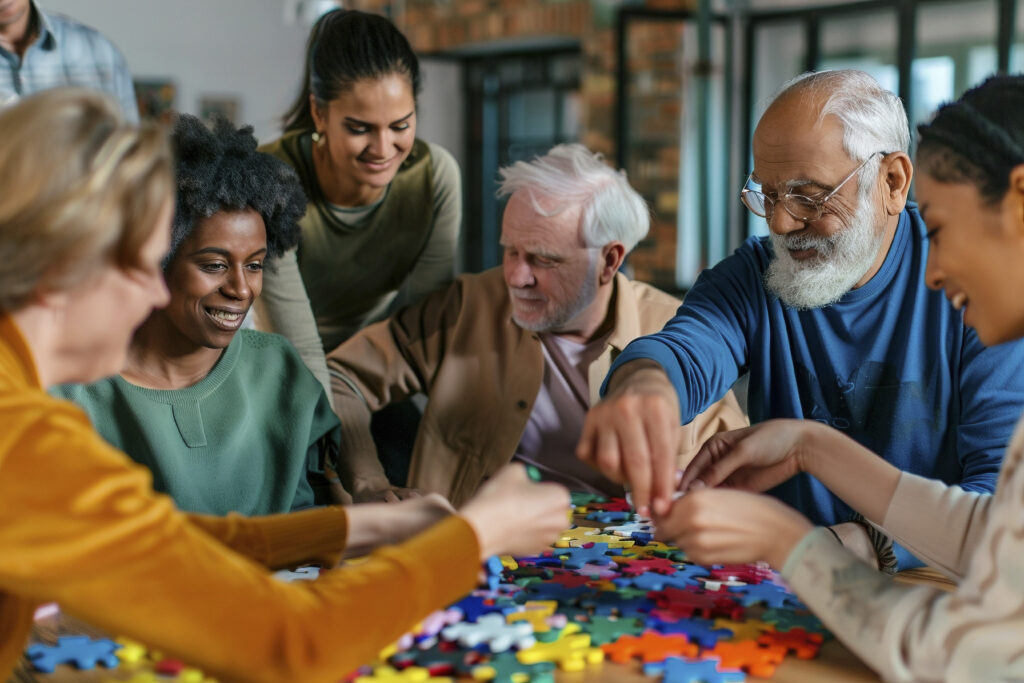
The way we understand the human mind has changed significantly in recent years. Instead of seeing neurological differences only as problems to be fixed, there is growing recognition that minds work in many different ways. This idea, often described as neurodiversity, reminds us that variation in thinking, learning, and processing is a natural part of […]
Cognitive Disorders Across Ages: Shared Challenges, Different Signs
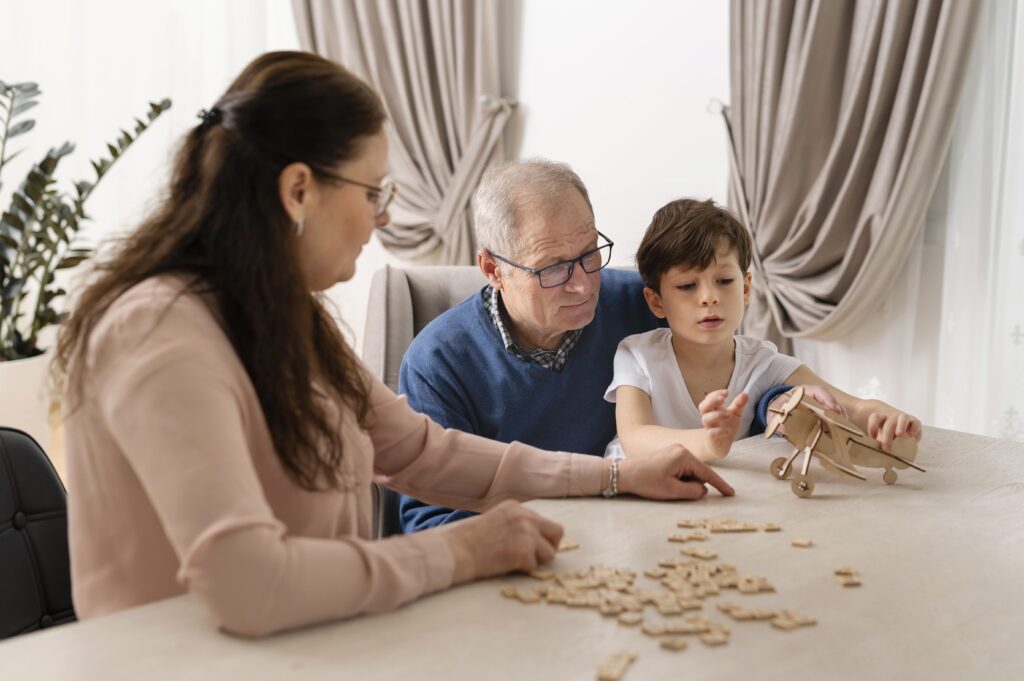
When people hear the term “cognitive disorders,” they often imagine very different things depending on age. For some, it brings to mind a child struggling in school. For others, it means an older adult slowly losing their memory. What is rarely discussed is how these experiences are connected, not just biologically, but emotionally and socially […]