
How Gratitude & Positive Psychology Promote Healthy Aging
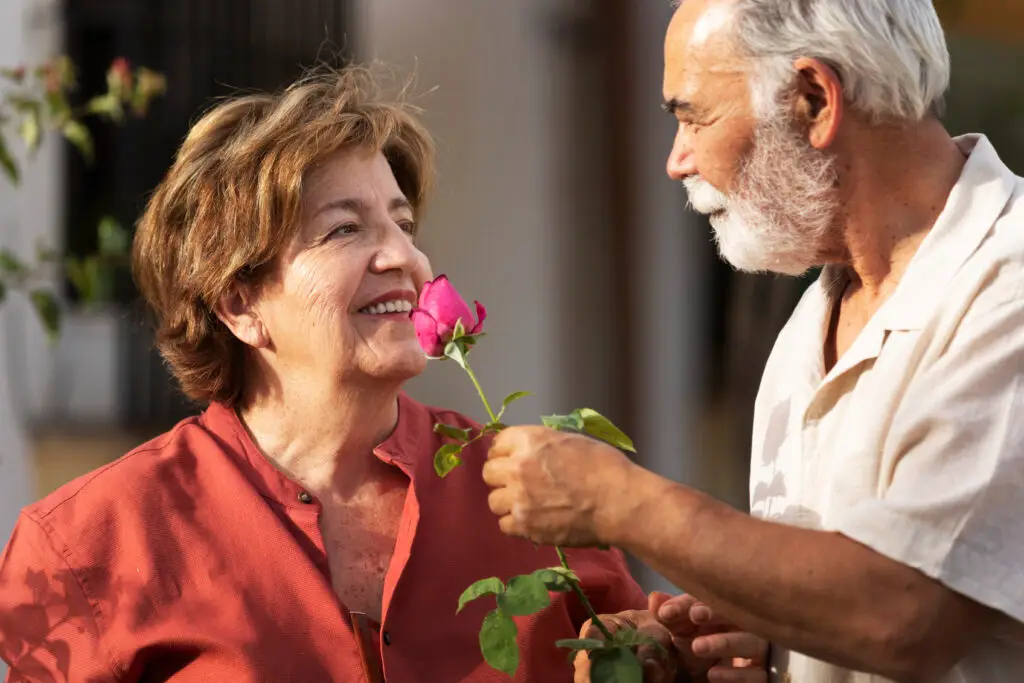
Aging is a journey filled with new experiences, achievements, and life transitions. While growing older often brings physical and emotional challenges, it also offers opportunities for wisdom, resilience, and personal growth. In recent years, researchers have highlighted the importance of positive psychology and gratitude in promoting healthy aging. Rather than focusing solely on illness or […]
Recognising Anxiety Disorders in Older Adults: Signs Often Overlooked
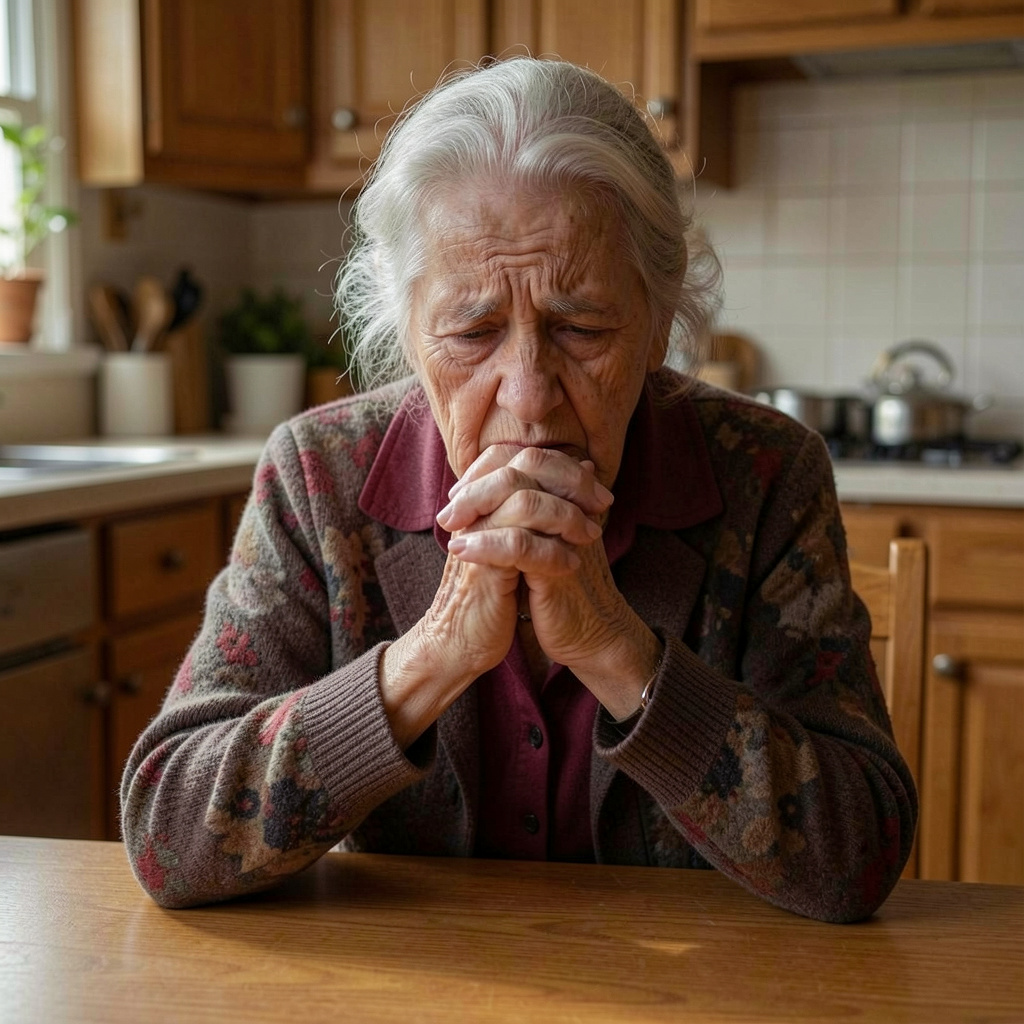
Anxiety is not limited to younger people; older adults can also experience anxiety disorders, often overlooked or mistaken for normal ageing. Life changes such as retirement, health concerns, loss of loved ones, and reduced independence can contribute to persistent worry and distress. Recognising the signs of anxiety disorders in seniors is important, as timely support […]
Frontotemporal Dementia vs. Vascular Dementia: Understanding the Differences
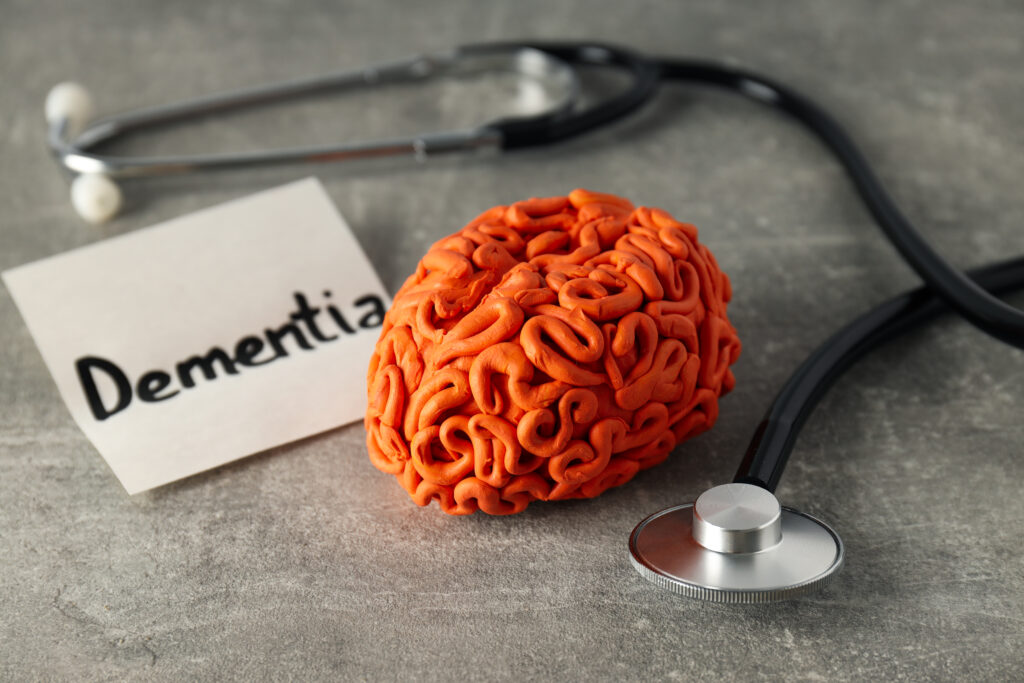
Dementia is a broad term used to describe a decline in cognitive abilities severe enough to interfere with daily life. While Alzheimer’s disease is the most recognized form, Frontotemporal Dementia (FTD) and Vascular Dementia (VaD) are two distinct types that differ in their causes, symptoms, progression, and treatment approaches. Understanding these differences is essential for […]
The Importance of Advance Care Planning & End-of-Life Conversations

Talking about the future is often easier when it involves celebrations, milestones, or dreams. However, discussions about serious illness, aging, and the end of life are equally important, even though they are frequently avoided. Many families hesitate to have these conversations because they fear causing emotional distress or believe the topic is too uncomfortable. Unfortunately, […]
The Importance of Geriatric Counselling: Improving Quality of Life in Later Years

Growing older is a natural part of life, bringing wisdom, experience, and a unique perspective shaped by decades of personal and professional journeys. However, aging also comes with emotional, psychological, social, and physical changes that can significantly influence an individual’s well-being. Retirement, chronic illnesses, bereavement, reduced independence, social isolation, and changing family roles can create […]
Mindfully Understanding Emotional & Psychological Problems of Old Age
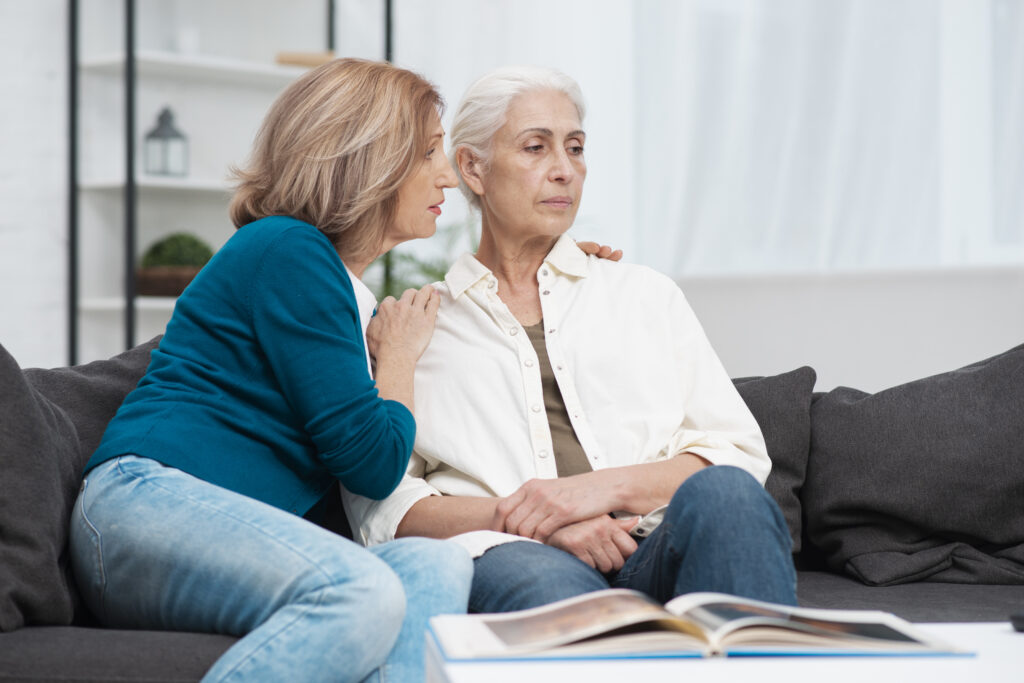
Aging is a natural and inevitable part of life that brings wisdom, experience, and valuable perspectives. However, it also presents emotional and psychological challenges that can significantly affect an individual’s quality of life. While physical health often receives considerable attention during old age, mental and emotional well-being is equally important. Feelings of loneliness, anxiety, grief, […]
Helping Older Adults Build Emotional Resilience During Life Transitions
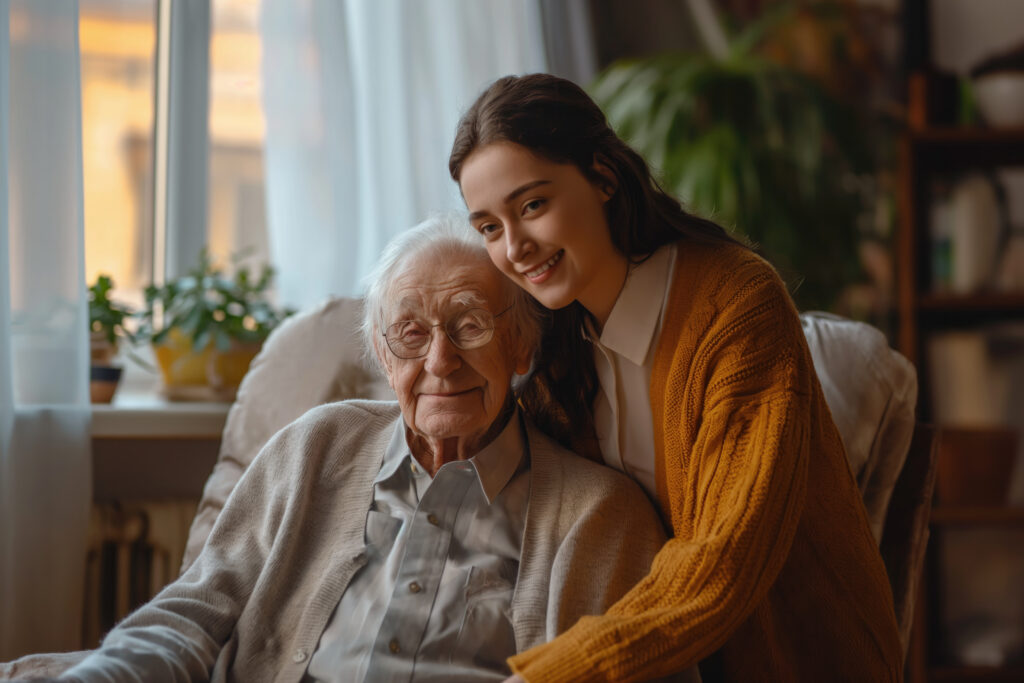
Life is a continuous journey of change, and every stage brings unique opportunities and challenges. Life transitions can be especially important for older persons because they frequently entail changes in daily routines, social interactions, income, family roles, and health. Retirement, the loss of a spouse, children moving away, chronic illnesses, reduced independence, or relocation can […]
Loss of Independence in Older Adults: Coping with Emotional Challenges
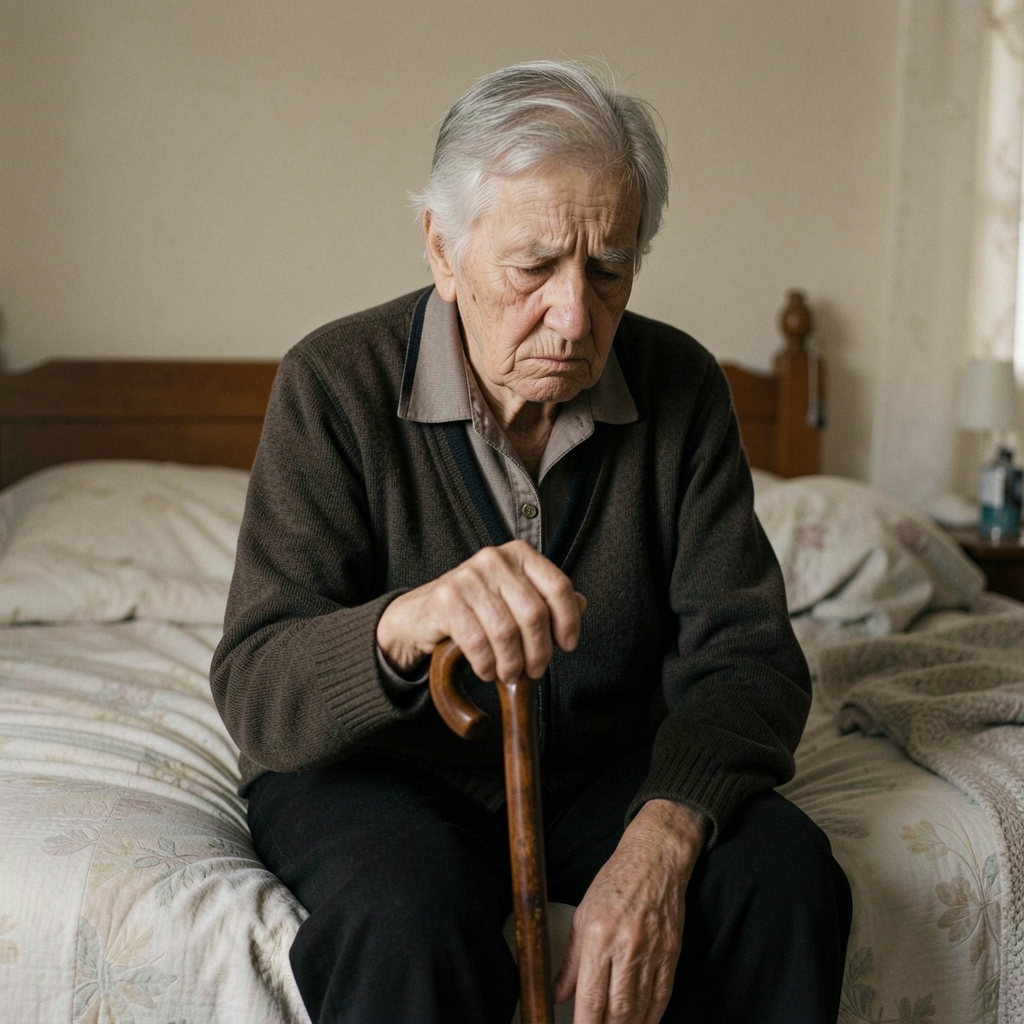
Aging is a journey filled with wisdom, resilience, and life experiences. However, one of the most difficult transitions many older adults face is the gradual loss of independence. Whether it is due to declining physical health, chronic illness, mobility limitations, or cognitive changes, needing assistance with daily activities can be emotionally overwhelming. For many seniors, […]
How Families Can Support Social Engagement in Older Adults

Growing older is a natural part of life, but ageing often brings significant emotional and social changes. Retirement, declining physical health, the loss of loved ones, and reduced mobility can increase feelings of loneliness and isolation among older adults. While healthcare professionals play an important role in supporting seniors, families remain the strongest source of […]
Helping Seniors Stay Socially Connected
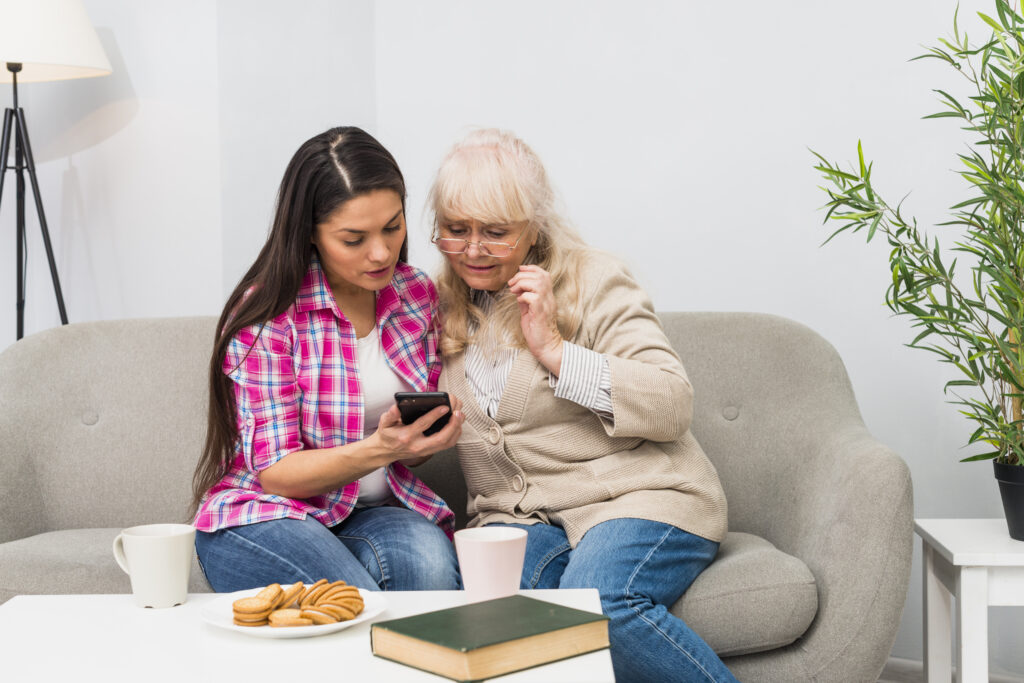
Growing older brings many life changes, including retirement, physical health challenges, the loss of loved ones, and children moving away. While these transitions are natural, they can sometimes lead to reduced social interaction and feelings of loneliness. Social connection is not merely about having people around; it is about feeling valued, heard, and included. Maintaining […]