
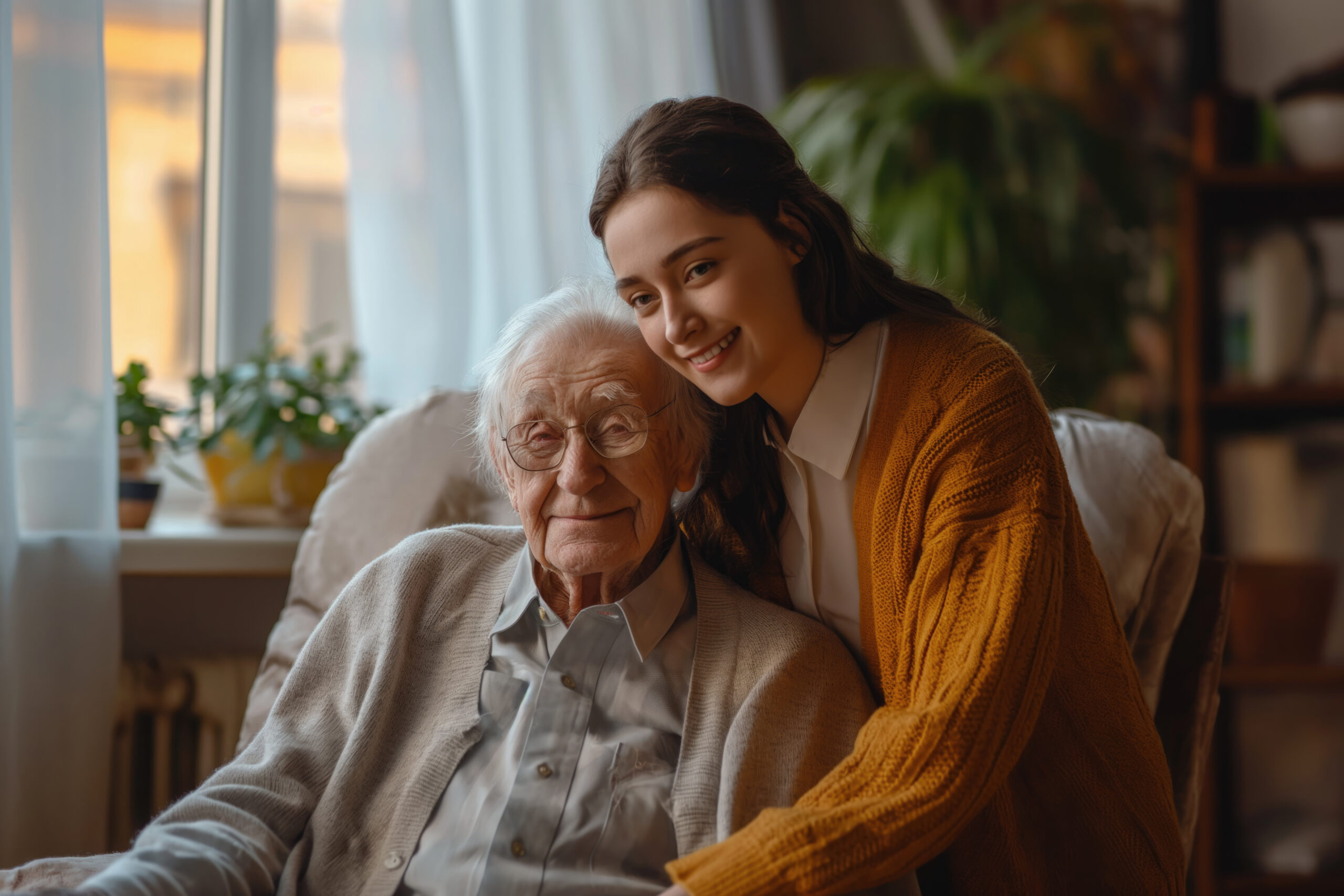
Life is a continuous journey of change, and every stage brings unique opportunities and challenges. Life transitions can be especially important for older persons because they frequently entail changes in daily routines, social interactions, income, family roles, and health. Retirement, the loss of a spouse, children moving away, chronic illnesses, reduced independence, or relocation can all create emotional stress. While these transitions are a natural part of ageing, adapting to them is not always easy.
Emotional resilience, the ability to adapt, recover, and maintain psychological well-being during difficult situations, is one of the most valuable strengths older adults can develop. Resilience does not mean avoiding sadness or hardship; rather, it involves learning healthy ways to cope with change while maintaining hope, purpose, and emotional balance.
With the right support from families, mental health professionals, and communities, older adults can navigate life transitions with confidence and continue leading meaningful, fulfilling lives.
Understanding Life Transitions in Older Adulthood
Life transitions refer to significant events or changes that require individuals to adjust emotionally, socially, or psychologically. During later life, these transitions often occur more frequently and may happen simultaneously.
Common life transitions include:
- Retirement from work
- Loss of a close friend, family member, or spouse
- Declining physical health or chronic illness
- Reduced mobility or independence
- Changes in family dynamics or the departure of children
- Becoming a caregiver or needing caregiving support
- Moving to a new residence or assisted living facility.
- Financial adjustments after retirement
Although these experiences may create uncertainty, they can also provide opportunities for personal growth, stronger relationships, and renewed purpose.
Emotional Challenges During Life Transitions
Older adults often experience a wide range of emotions while adapting to change. Some challenges include:
Grief and Loss
Deep emotional suffering might result from the loss of familiar roles or the death of close ones. Grieving is a natural process, but prolonged grief may affect mental health if adequate support is unavailable.
Anxiety About the Future
Uncertainty regarding health, financial security, or future care arrangements can increase anxiety. Many older adults worry about becoming dependent on others or losing their ability to make independent decisions.
Depression
Feelings of melancholy, despair, exhaustion, or social disengagement may be exacerbated by significant life transitions. Recognising these symptoms early allows timely intervention and support.
Loneliness and Social Isolation
Retirement, bereavement, or mobility limitations may reduce opportunities for social interaction, increasing the risk of loneliness and emotional distress.
Loss of Identity
Many individuals derive their sense of purpose from careers, caregiving responsibilities, or active community involvement. Retirement or changing family roles may leave some older adults questioning their identity and value.
What Is Emotional Resilience?
Emotional resilience is the capacity to adapt positively to stress, adversity, or change. It allows individuals to recover from setbacks while maintaining emotional stability and optimism.
Resilience is not an inborn trait; it can be developed throughout life. Older adults who build resilience are more likely to experience better mental health, stronger relationships, improved coping abilities, and greater life satisfaction.
Strategies for Building Emotional Resilience
Accept That Change Is a Natural Part of Life
Accepting change does not mean giving up; it means recognising that life evolves. Viewing transitions as opportunities for growth rather than solely as losses helps reduce emotional distress.
Maintain Meaningful Relationships
Strong social connections provide emotional comfort during challenging times. Spending time with family, friends, neighbours, or community groups helps reduce loneliness and promotes emotional well-being.
Stay Physically Active
Regular physical activity improves both physical and mental health by reducing stress, enhancing mood, and increasing self-confidence. Even gentle exercises such as walking, stretching, or yoga can contribute to emotional resilience.
Develop Healthy Coping Skills
Mindfulness, meditation, gratitude journaling, deep breathing, and relaxation exercises help older adults manage stress and regulate emotions more effectively.
Continue Learning and Engaging
A revitalised sense of purpose and achievement can be obtained by taking part in community programs, learning new skills, taking up hobbies, or mentoring younger generations.
Seek Professional Support
Psychological counselling can help older adults process difficult emotions, strengthen coping skills, and adapt to life transitions with greater confidence. Asking for help is a sign of strength rather than weakness.
The Role of Family and Caregivers
In order to assist older persons in developing resilience, families are essential. Listening with empathy, encouraging independence, involving older adults in decision-making, and maintaining regular communication all contribute to emotional well-being.
Caregivers should recognise emotional changes early and encourage seniors to express their thoughts and feelings openly. Respect, patience, and reassurance can significantly reduce feelings of helplessness during periods of transition.
Supporting Emotional Well-Being Through Psychowellness Center
Professional mental health care is an essential component of healthy ageing. Psychowellness Center provides psychological services designed to help older adults cope with grief, anxiety, depression, adjustment disorder, and age-related emotional concerns.
Through individual counselling, family therapy, cognitive-behavioural therapy, and emotional support, mental health professionals empower seniors to strengthen resilience, improve self-esteem, and maintain emotional balance. Early psychological intervention enables older adults to adapt positively to change while preserving their independence and quality of life.
Building Resilient Communities Through GDF
Emotional resilience is strengthened not only by personal coping skills but also by supportive communities. Global Development Foundation works to improve the well-being of individuals through initiatives focused on healthcare, education, community engagement, and social inclusion.
As one of the best NGOs in India, GDF believes that healthy communities create opportunities for healthy ageing. Its programmes encourage older adults to remain socially active, participate in awareness campaigns, and contribute their knowledge and life experiences to society.
Individuals interested in giving back can participate in an NGO for volunteering, like GDF, where volunteers contribute to community outreach, senior citizen engagement, health awareness campaigns, and social welfare initiatives. Volunteering not only benefits communities but also provides older adults with a renewed sense of purpose and belonging.
In addition, GDF functions as an NGO for education, organising awareness sessions, digital literacy initiatives, life skills training, and educational activities that promote lifelong learning across different age groups. Such education programs empower individuals with knowledge while encouraging active community participation.
These initiatives also contribute to achieving the Sustainable Development Goals for India, particularly those related to good health and well-being, quality education, reduced inequalities, and sustainable communities. Every community initiative undertaken by GDF represents a meaningful project for development, strengthening social inclusion, improving mental well-being, and creating opportunities for people of all ages to thrive.
Conclusion
Life transitions are an inevitable part of ageing, but they do not have to diminish emotional well-being or quality of life. With resilience, supportive relationships, healthy coping strategies, and timely psychological care, older adults can successfully adapt to change while maintaining confidence, dignity, and purpose.
Families, healthcare professionals, and communities all play a shared role in fostering emotional resilience among older adults. TalktoAngel expands access to professional online counselling, enabling seniors and their families to receive timely psychological support from the comfort of their homes. Likewise, Psychowellness Centre supports this journey by providing compassionate mental health services that help older adults navigate life’s challenges with strength, confidence, and optimism.
At the community level, Global Development Foundation (GDF) continues to make a lasting impact through initiatives that align with the Sustainable Development Goals for India, promote lifelong learning as an NGO for education, encourage civic participation as an NGO for volunteering, and implement projects for development with the vision of creating healthier and more inclusive communities. Through these sustained efforts, GDF has earned recognition among the best NGOs in India, demonstrating that when individuals, organisations, and communities work together, older adults can age with resilience, hope, and a renewed sense of purpose.
Contribution: Dr. R. K. Suri, Clinical Psychologist & Life Coach, and Ms. Sakshi Dhankar, Counselling Psychologist.
References
American Psychological Association. (2023). Older adults and mental health. https://www.apa.org/topics/aging
Bonanno, G. A. (2004). Loss, trauma, and human resilience: Have we underestimated the human capacity to thrive after extremely aversive events? American Psychologist, 59(1), 20–28. https://doi.org/10.1037/0003-066X.59.1.20
Knight, B. G., & Pachana, N. A. (2015). Psychological assessment and therapy with older adults (2nd ed.). Oxford University Press.
Masten, A. S. (2014). Ordinary magic: Resilience in development. Guilford Press.