
Importance of Family Bonds in Healthy Ageing
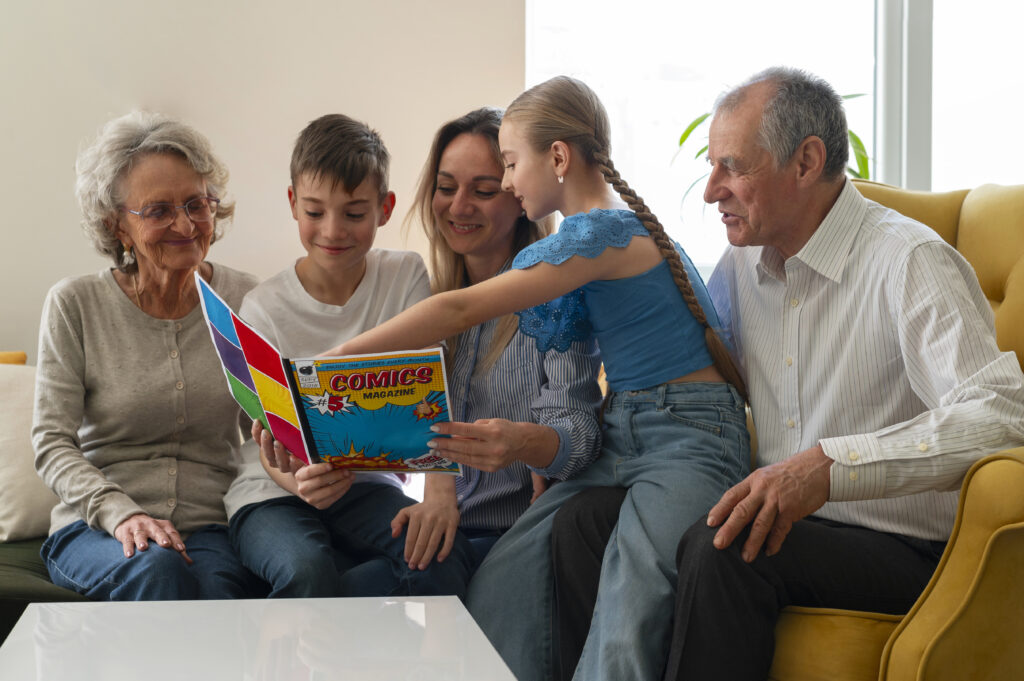
Healthy ageing is about much more than maintaining physical fitness or managing medical conditions. It also involves preserving emotional well-being, social connectedness, and a sense of purpose throughout later life. As people grow older, changes such as retirement, health concerns, bereavement, or reduced mobility may influence their daily routines and emotional experiences. During these transitions, […]
When Should Older Adults Seek Counselling? Key Warning Signs & Support
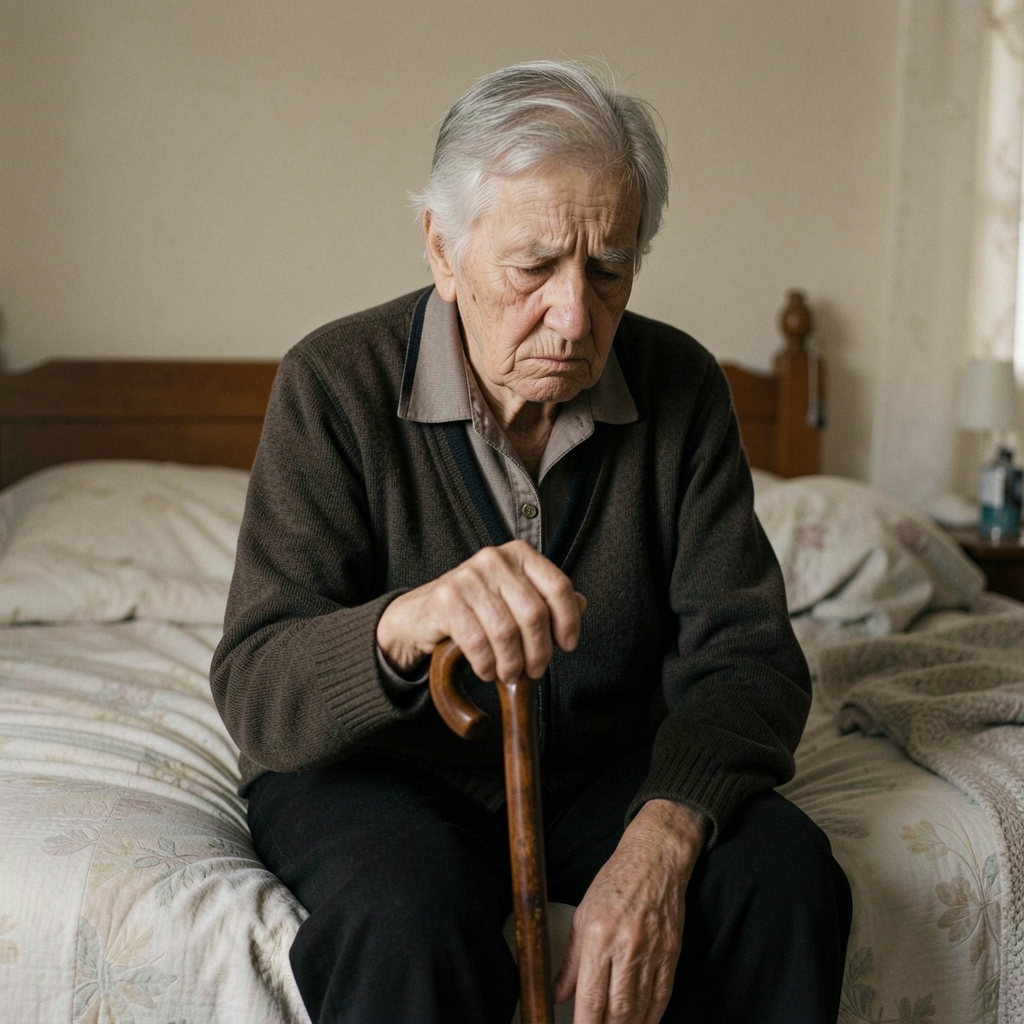
Growing older brings many meaningful experiences, including retirement, stronger family connections, and opportunities for personal reflection. At the same time, ageing also involves significant life changes that may affect emotional well-being. Health concerns, changes in independence, bereavement, financial adjustments, and shifting family roles can all influence how older adults think, feel, and cope with everyday […]
The Importance of Geriatric Counselling: Improving Quality of Life in Later Years

Growing older is a natural part of life, bringing wisdom, experience, and a unique perspective shaped by decades of personal and professional journeys. However, aging also comes with emotional, psychological, social, and physical changes that can significantly influence an individual’s well-being. Retirement, chronic illnesses, bereavement, reduced independence, social isolation, and changing family roles can create […]
Mindfully Understanding Emotional & Psychological Problems of Old Age
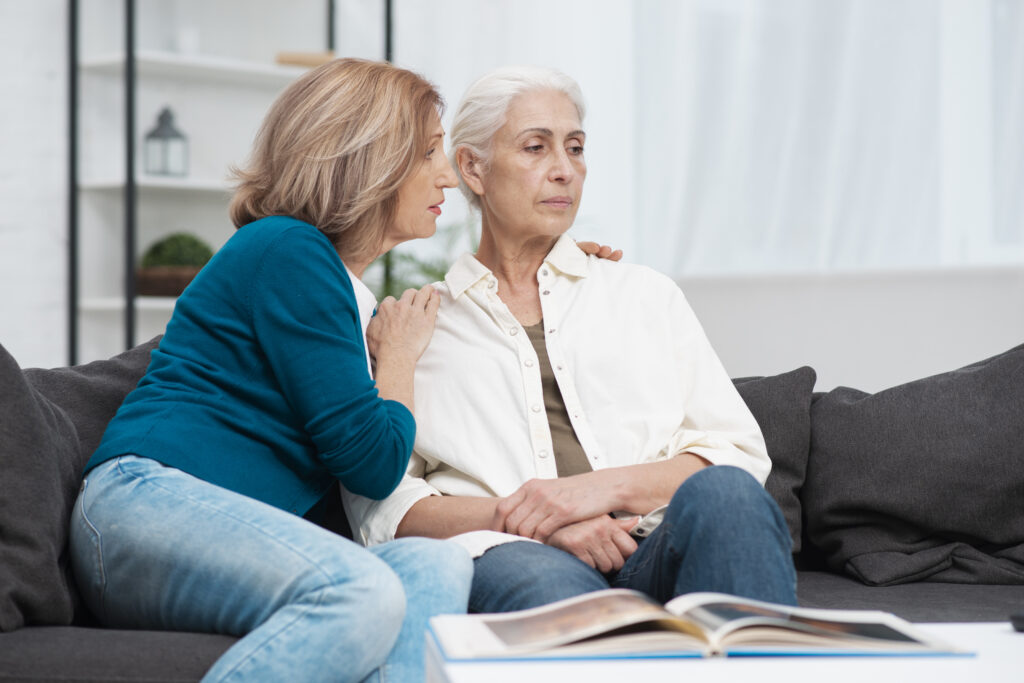
Aging is a natural and inevitable part of life that brings wisdom, experience, and valuable perspectives. However, it also presents emotional and psychological challenges that can significantly affect an individual’s quality of life. While physical health often receives considerable attention during old age, mental and emotional well-being is equally important. Feelings of loneliness, anxiety, grief, […]
Helping Older Adults Build Emotional Resilience During Life Transitions

Life is a continuous journey of change, and every stage brings unique opportunities and challenges. Life transitions can be especially important for older persons because they frequently entail changes in daily routines, social interactions, income, family roles, and health. Retirement, the loss of a spouse, children moving away, chronic illnesses, reduced independence, or relocation can […]
Loss of Independence in Older Adults: Coping with Emotional Challenges
Aging is a journey filled with wisdom, resilience, and life experiences. However, one of the most difficult transitions many older adults face is the gradual loss of independence. Whether it is due to declining physical health, chronic illness, mobility limitations, or cognitive changes, needing assistance with daily activities can be emotionally overwhelming. For many seniors, […]
Anxiety in Older Adults: Common Triggers, Symptoms, & Treatment Options
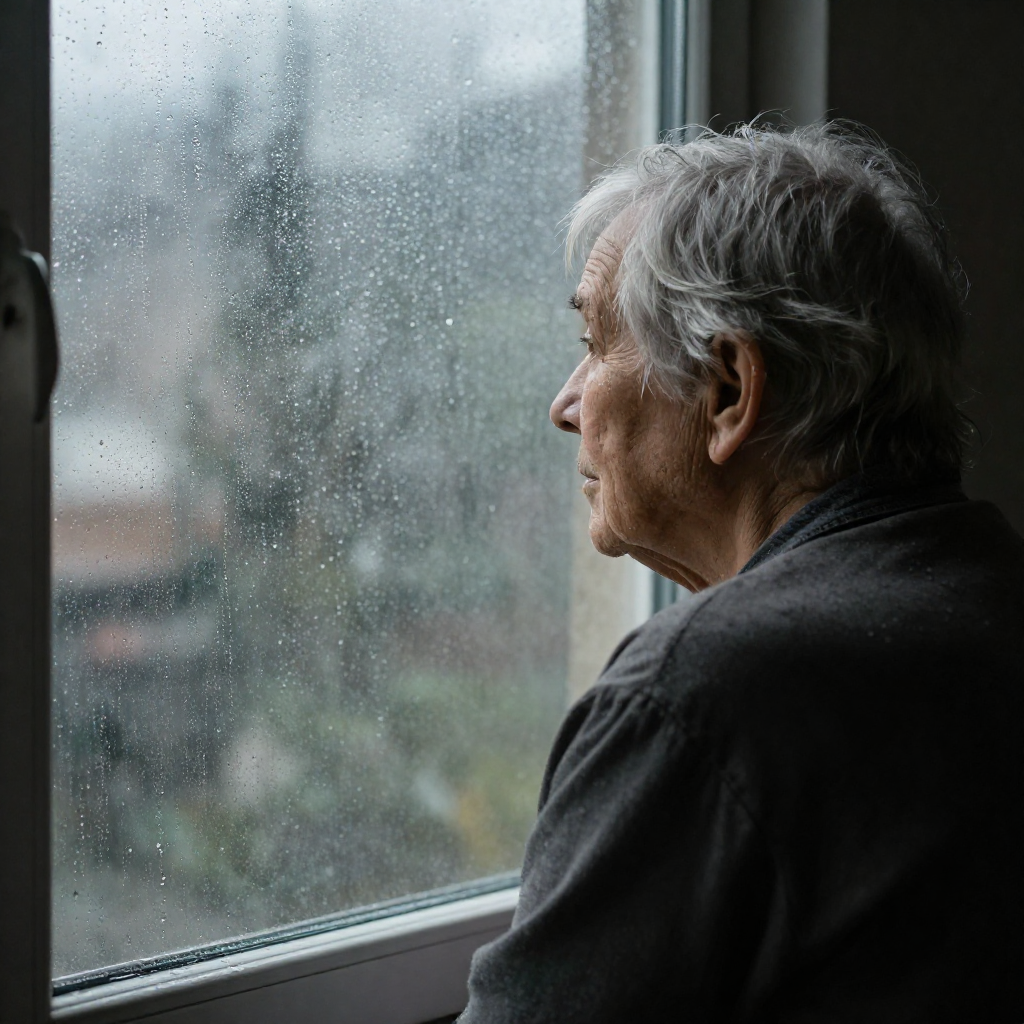
Growing older brings many life transitions, such as retirement, health changes, financial adjustments, and the loss of loved ones, that can affect emotional well-being. While these experiences are a natural part of ageing, they may increase the risk of anxiety and impact an individual’s quality of life. Persistent anxiety or emotional distress should not be […]
Relationship Challenges After Retirement: Strengthening Emotional Bonds

Retirement marks a significant transition in life. After decades of balancing work, family responsibilities, and personal activities, older people often find themselves spending much more time with their spouses. While retirement offers opportunities for relaxation, shared experiences, and personal growth, it also introduces new adjustments that can affect long-term relationships. Changes in daily routines, financial […]
Ageing Gracefully: Overcoming Appearance-Related Anxiety in Later Life

Every stage of ageing brings new experiences, opportunities for personal growth, and valuable wisdom gained through years of living. However, youthful appearance is frequently highly valued in contemporary society, leading to unattainable beauty standards that might affect how people view themselves as they get older. Wrinkles, grey hair, changes in body shape, and reduced physical […]
When Should Parents Consider Child Counselling?

Every child experiences emotional ups and downs as they grow. From adjusting to school routines to making friends and coping with family changes, children encounter many challenges that shape their emotional development. While occasional mood swings, fears, or behavioral changes are a normal part of childhood, some difficulties persist long enough to interfere with a […]