
From the desk of a home-confined senior citizen
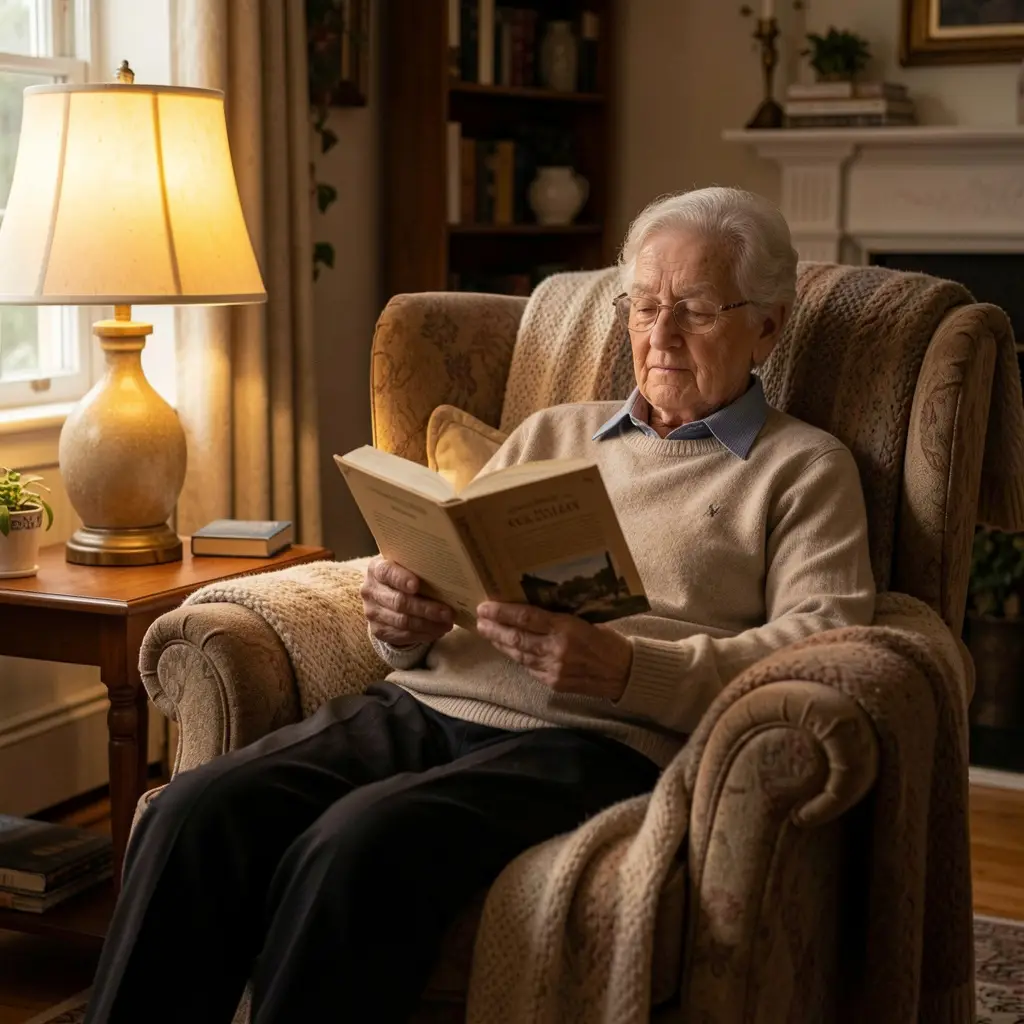
There is a particular kind of silence that settles into a home once the world outside stops asking you to show up. My knees no longer carry me down three flights of stairs, my eyes struggle with the evening traffic, and so, slowly, my world has shrunk to the four walls of this room. I […]
Care Begins with the Community: Building a Culture of Dignified Ageing
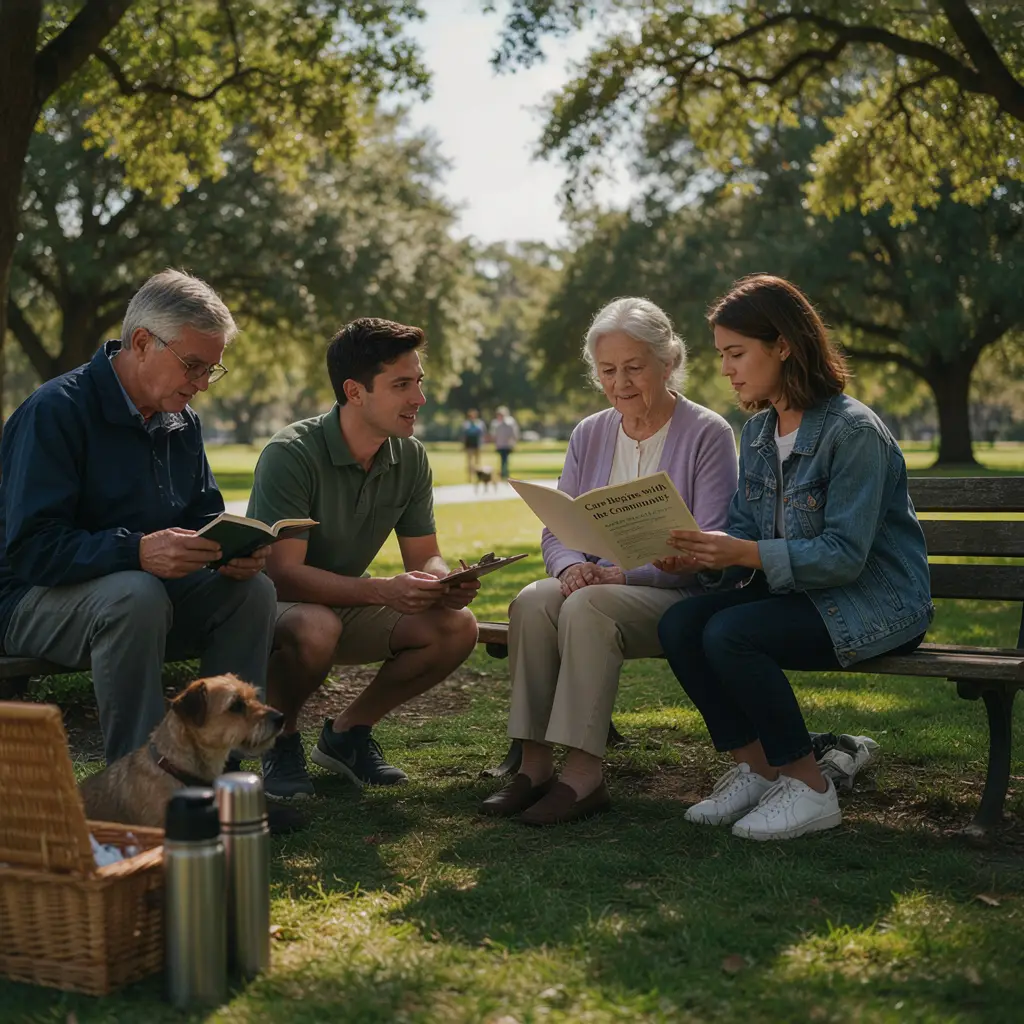
Aging is a social experience influenced by family ties, communities, healthcare systems, financial stability, and chances for meaningful engagement rather than just a biological process. As people live longer, the question is no longer only how to add years to life, but how to ensure that those years are healthy, connected, safe, and dignified. India […]
Viksit Bharat: Society for all Ages?

The vision of Viksit Bharat is often discussed through economic growth, infrastructure, technology, employment, and innovation. Yet, a developed nation is not defined only by its economic indicators. It is also shaped by how effectively it enables people of different ages to live with dignity, participate in society, remain healthy, and contribute meaningfully. As India […]
After the Floodwaters Receded, the Stories Remained

When floodwaters rise, survival becomes the immediate priority. People search for safety, protect loved ones, secure food and shelter, and try to save whatever possessions they can. Yet when the water recedes, the crisis does not necessarily end. Homes may remain damaged, livelihoods disrupted, schools may be closed, and communities may face uncertainty about what […]
How to Help Elderly Parents Without Hurting Their Dignity

Ageing is a natural part of life that brings wisdom, experience, and valuable memories. However, growing older may also involve physical limitations, changes in independence, and the need for additional support. For many elderly parents, accepting help can feel emotionally challenging because it may create fears of losing control, becoming dependent, or being perceived as […]
Creating an Age-Friendly Home for Independence & Well-Being
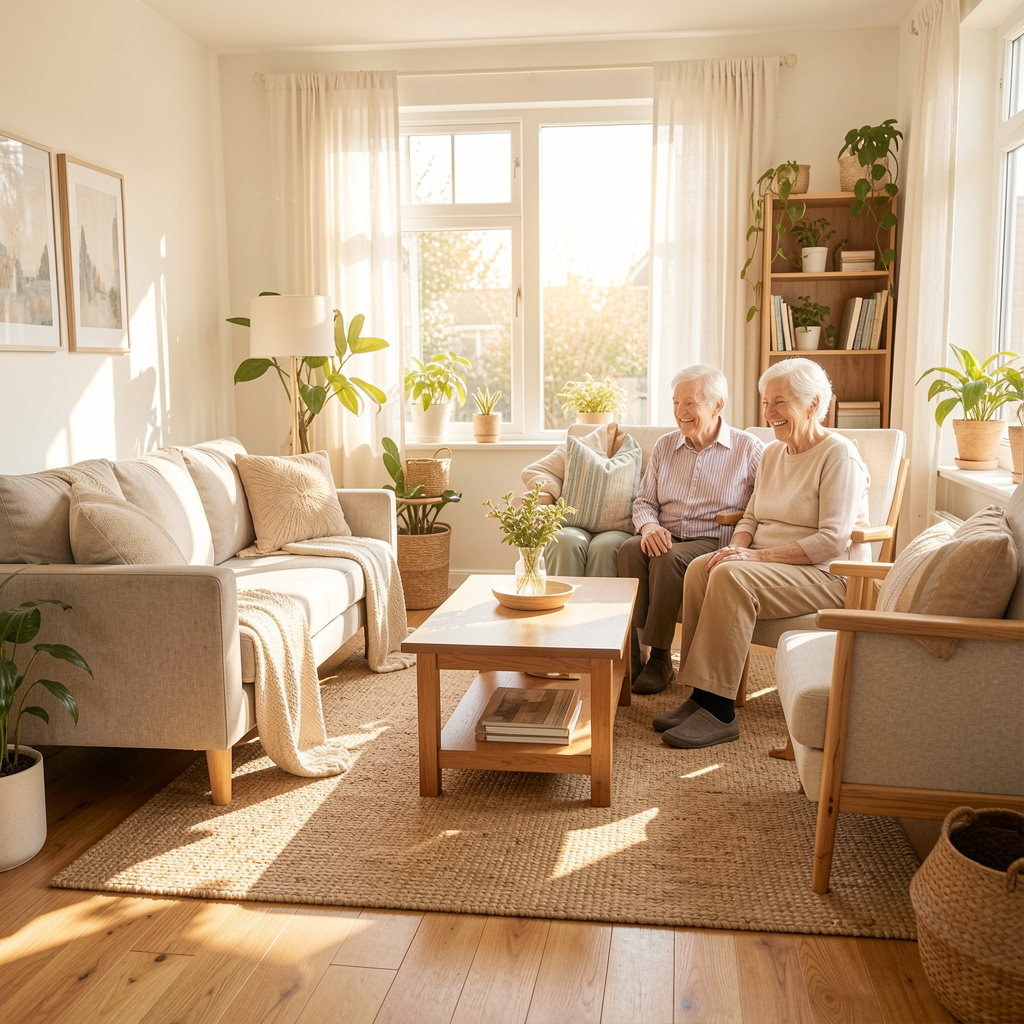
As people grow older, their homes become more than just living spaces; they become environments that influence safety, comfort, independence, and emotional health. An age-friendly home is designed to support changing physical, cognitive, and emotional needs while allowing older adults to maintain dignity and control over their daily lives. With thoughtful modifications and a supportive […]
The Link Between Hearing Loss & Cognitive Decline in Seniors
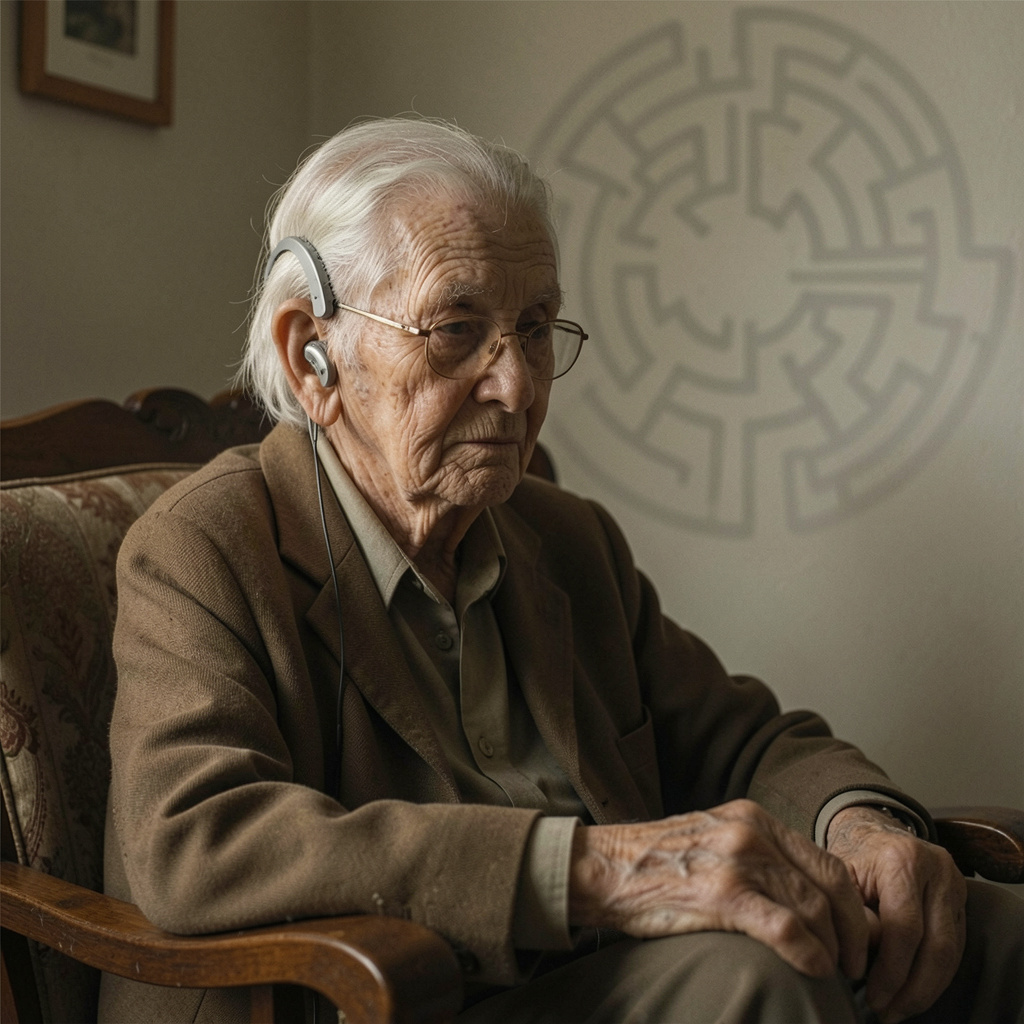
Aging is a natural process that brings several changes in the body and mind. While memory lapses and slower information processing are often considered normal parts of growing older, certain health challenges may increase the risk of significant cognitive decline. One such concern is hearing loss, a condition that affects millions of seniors worldwide. Hearing […]
Decision-Making Capacity in Older Adults: When Should Families Be Concerned?

Growing older brings wisdom, experience, and a deeper understanding of life, but it can also involve changes in memory, judgment, and the ability to make complex decisions. Many older adults continue to manage their finances, healthcare choices, and daily responsibilities independently. However, families may sometimes notice changes that raise concerns about whether their loved ones […]
Emotional Resilience in Later Life: How Older Adults Cope with Stress

Later life is often portrayed as a period of rest, wisdom, and greater freedom. While these experiences may be meaningful, aging can also involve major transitions that require psychological adjustment. Retirement, changes in daily routines, chronic health conditions, reduced independence, financial concerns, caregiving responsibilities, bereavement, and changes in social roles may create emotional challenges. However, […]
Frontotemporal Dementia vs. Vascular Dementia: Understanding the Differences

Dementia is a broad term used to describe a decline in cognitive abilities severe enough to interfere with daily life. While Alzheimer’s disease is the most recognized form, Frontotemporal Dementia (FTD) and Vascular Dementia (VaD) are two distinct types that differ in their causes, symptoms, progression, and treatment approaches. Understanding these differences is essential for […]