
Are We Raising Emotionally Weak or Emotionally Aware Children?

Parents today are increasingly concerned about their children’s emotional well-being. While previous generations often emphasized academic achievement and discipline, modern parenting recognizes that emotional development is equally important. However, many parents wonder whether encouraging children to express their emotions is making them emotionally weak or helping them become emotionally aware. The answer lies in understanding […]
“Sandwich Generation” Stress: Caring for Kids & Aging Parents Together
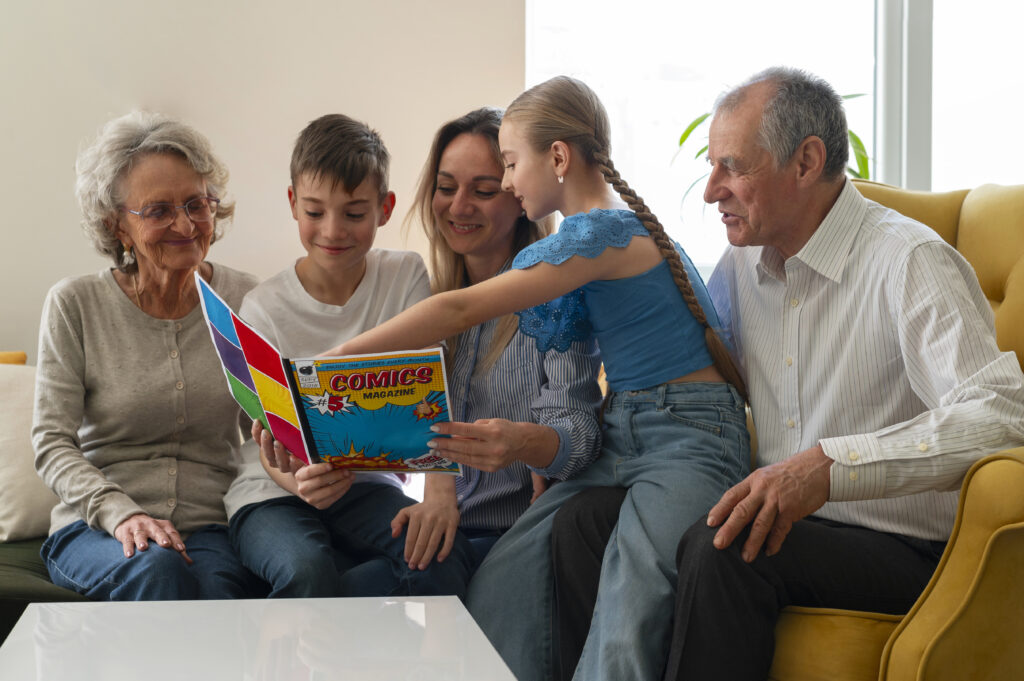
Many adults today find themselves balancing two equally important caregiving responsibilities—raising their children while also supporting ageing parents. Often referred to as the “sandwich generation,” these individuals often experience significant stress as they manage multiple roles simultaneously, including parenting, caregiving, maintaining a career, handling financial responsibilities, and preserving their own well-being. While caregiving can be […]
Safety Challenges in Old Age: Why Advocacy Matters

Growing older is a natural part of life, bringing valuable experiences, wisdom, and new perspectives. However, ageing also presents unique challenges that can affect an individual’s independence, security, and overall quality of life. As physical abilities change and social circumstances evolve, older adults may become more vulnerable to various forms of harm, including accidents, neglect, […]
Building Support Systems Outside Marriage

Marriage is often viewed as one of the primary sources of emotional support, companionship, and stability. While a healthy marital bond can provide comfort and encouragement, relying exclusively on a spouse to meet every emotional, social, and practical need may create unrealistic expectations. Life is dynamic, and circumstances such as career demands, relocation, caregiving responsibilities, […]
Exercise & Emotional Well-Being: How Movement Boosts Brain Health
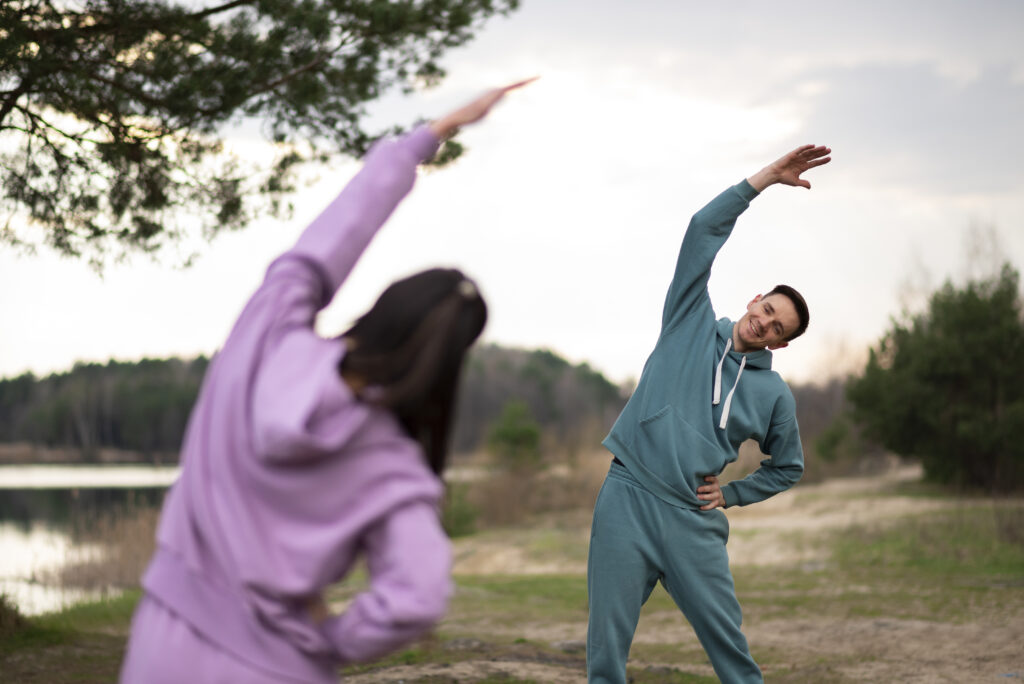
Modern life places significant demands on both the mind and body. Long work hours, academic pressures, changing lifestyles, and reduced opportunities for recreation can affect overall well-being. As awareness about holistic wellness continues to grow, researchers and healthcare professionals increasingly recognize the important relationship between physical movement and emotional functioning. Exercise is no longer viewed […]
Cyberbullying Among School Students: Prevention & Intervention

Technology has transformed the way children and adolescents communicate, learn, and build friendships. Smartphones, social media platforms, messaging applications, and online gaming have created opportunities for students to stay connected beyond the classroom. While these digital spaces offer many educational and social benefits, they have also introduced new challenges that can negatively affect young people’s […]
When Is Divorce the Right Choice in Old Age?

Marriage is often viewed as a lifelong commitment, especially among older generations. After decades of shared memories, raising children, building careers, and facing life’s challenges together, the idea of divorce in old age may seem unimaginable. However, an increasing number of older couples are choosing to separate, a phenomenon commonly referred to as “gray divorce.” […]
Support Groups & Therapy for Elderly Grief
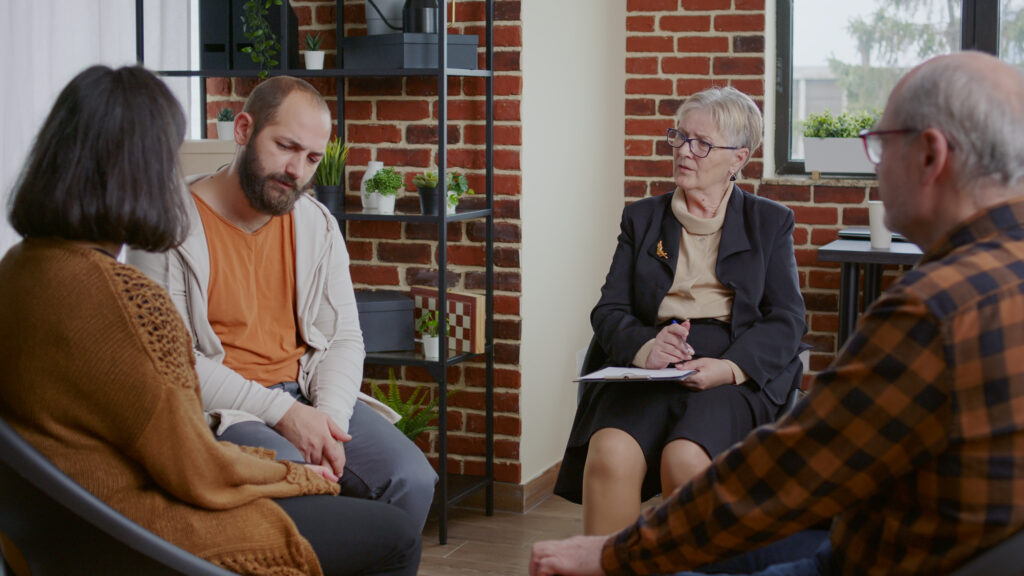
Grief is a natural response to loss, but for older adults, it can become particularly challenging. As people age, they may face multiple losses, including the death of a spouse, close friends, siblings, or even a sense of independence due to health changes. These encounters can cause severe emotional suffering that has an impact on […]
From Risk to Rights: Ensuring Safety for the Elderly
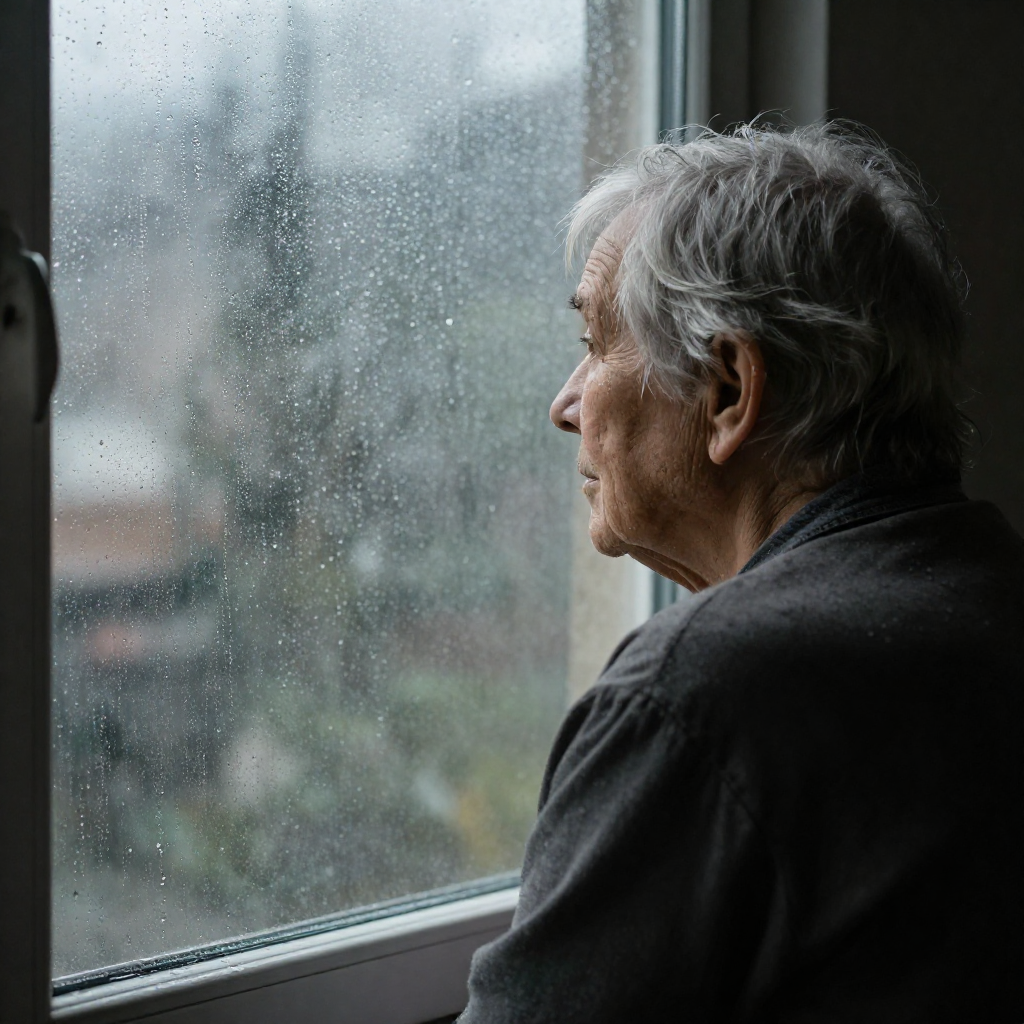
Aging is a natural part of life, yet many older adults face challenges that threaten their safety, dignity, and independence. As populations around the world continue to age, ensuring the well-being of elderly individuals has become a social responsibility rather than simply a family concern. From health-related vulnerabilities to financial exploitation and social isolation, older […]
Feeling Unappreciated After Years of Commitment

Commitment is often viewed as a cornerstone of meaningful connections, professional growth, and personal fulfillment. Whether it involves dedicating years to a career, supporting family members, nurturing friendships, volunteering for a cause, or investing in a long-term partnership, commitment requires effort, patience, and consistency. However, when these efforts go unnoticed or unrecognized, individuals may begin […]