
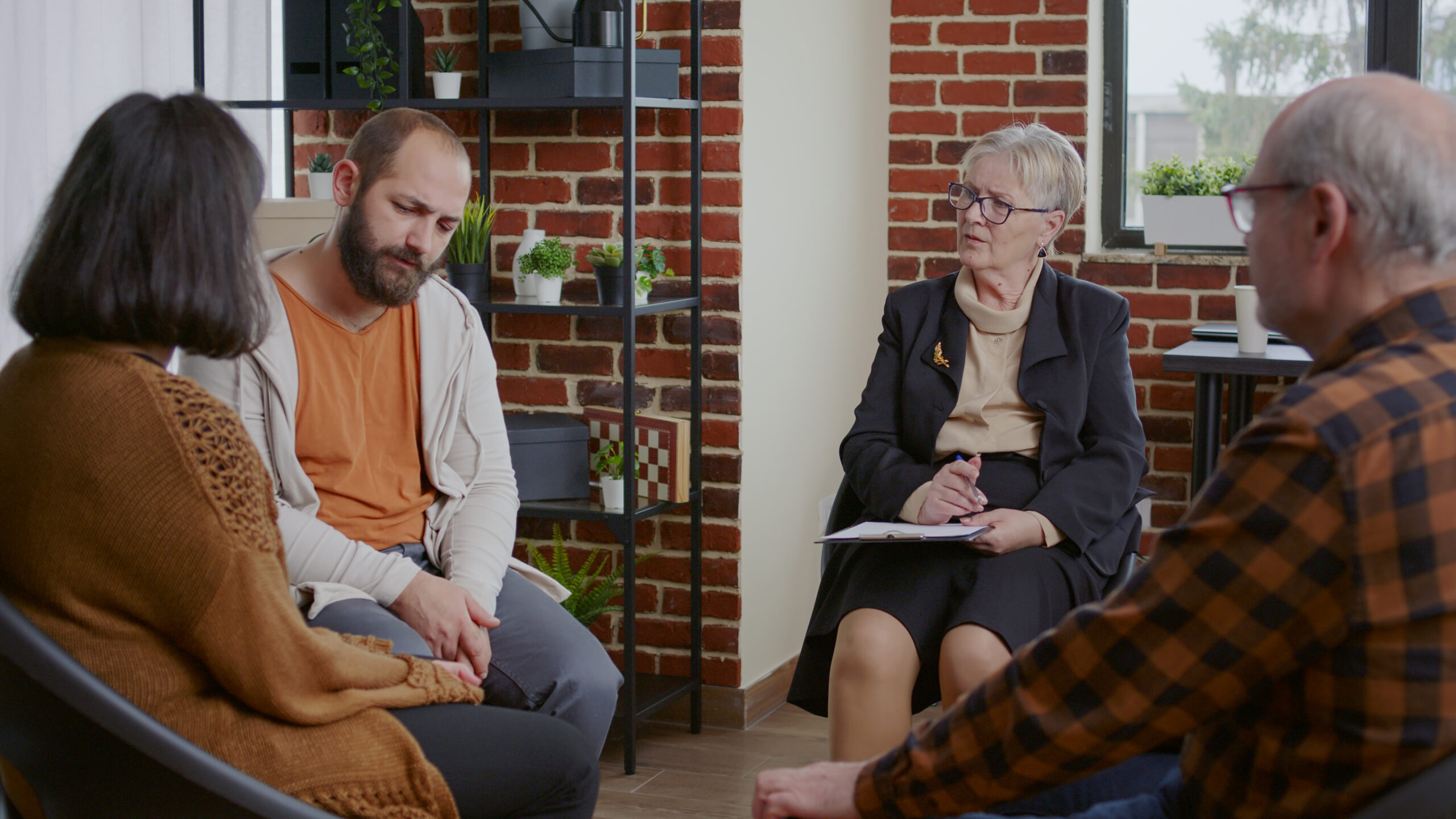
Grief is a natural response to loss, but for older adults, it can become particularly challenging. As people age, they may face multiple losses, including the death of a spouse, close friends, siblings, or even a sense of independence due to health changes. These encounters can cause severe emotional suffering that has an impact on one’s social, mental, and physical health. While grief is a universal human experience, elderly individuals often require specialized support to navigate the complex emotions that accompany loss. Support groups and therapy offer valuable pathways toward healing, resilience, and renewed purpose.
Understanding Elderly Grief
Grief among older adults is often misunderstood. Many people assume that seniors are better prepared for loss because they have experienced it before. However, repeated losses can accumulate over time, making grief even more difficult to process. Elderly individuals may experience sadness, loneliness, guilt, anger, anxiety, confusion, and even physical symptoms such as fatigue, sleep disturbances, and reduced appetite.
In some cases, grief may evolve into prolonged grief disorder, depression, or other mental health concerns. These issues can be made worse by social isolation, particularly for elderly people who live alone or have little family support. Therefore, timely intervention through counseling and peer support can play a crucial role in promoting emotional recovery.
Why Support Groups Matter
Support groups provide a safe environment where grieving seniors can share their experiences with others who have faced similar losses. Unlike casual conversations with friends or family, support groups offer structured emotional support and validation.
Some benefits of support groups include:
1. Reducing Feelings of Isolation
Many elderly individuals feel alone after losing a loved one. Support groups remind participants that they are not the only ones experiencing grief. A sense of community and belonging can be cultivated by hearing other people’s tales.
2. Encouraging Emotional Expression
It’s possible that older generations were taught to repress their feelings. Support groups encourage members to openly discuss their feelings, fears, and memories without judgment.
3. Learning Healthy Coping Strategies
Group members often share practical coping techniques that have helped them manage grief. These may include mindfulness exercises, journaling, maintaining routines, and engaging in meaningful activities.
4. Building New Social Connections
Participation in support groups can lead to lasting friendships and social engagement, helping seniors combat loneliness and improve overall quality of life.
The Role of Therapy in Elderly Grief
While support groups are beneficial, some individuals require more personalized assistance. Professional therapy offers evidence-based approaches tailored to the unique needs of grieving seniors.
Cognitive Behavioral Therapy (CBT)
CBT assists people in recognizing and combating grief-related negative cognitive patterns. It provides more constructive ways to think and deal with emotional turmoil.
Grief Counseling
Processing loss and adjusting to life changes are the main goals of grief counseling. Therapists help seniors explore their emotions, preserve meaningful memories, and find ways to move forward while honoring their loved ones.
Interpersonal Therapy
This approach addresses relationship changes and social difficulties that often accompany grief. It helps individuals strengthen support networks and improve communication skills.
Acceptance and Commitment Therapy (ACT)
ACT encourages seniors to accept painful emotions rather than avoid them. By focusing on personal values and meaningful activities, individuals can develop psychological flexibility and resilience.
Common Challenges Faced by Grieving Seniors
Loss of Identity
Long-term partnerships help many older folks identify who they are. The death of a spouse or partner may leave them questioning their role and purpose in life.
Health Complications
Grief can worsen existing medical conditions such as hypertension, diabetes, and heart disease. Emotional stress often has significant physical consequences.
Financial Concerns
The loss of a partner may create financial uncertainty, especially if the deceased managed household finances.
Reduced Social Support
As social circles shrink with age, seniors may struggle to find emotional support during difficult times.
Support groups and therapy can help address these challenges by providing guidance, emotional comfort, and practical problem-solving strategies.
Community-Based Support for Elderly Well-Being
Communities play an important role in supporting grieving seniors. Various organizations work to improve the quality of life for older adults through counseling services, awareness programs, and social initiatives. A mental health foundation Non-profit organisation can contribute significantly by promoting emotional well-being and reducing stigma surrounding grief and mental health challenges.
Similarly, many community welfare initiatives recognized as the Best NGO in India often provide outreach programs for vulnerable populations, including elderly individuals coping with loss. Some organizations considered a Top NGO of India also focus on building social support systems that encourage emotional healing and community engagement.
When grieving seniors or their families search for an Ngo near me, they often discover local resources that offer counseling, companionship programs, and volunteer support. Although some organizations primarily function as an ngo for education, many have expanded their services to include senior wellness and community care. Additionally, programs related to skill training can help older adults stay active, engaged, and socially connected after significant life changes. Initiatives focused on public health further contribute by promoting emotional wellness, healthy aging, and access to mental health services.
How Families Can Support Grieving Seniors
Family members play an essential role in helping elderly loved ones navigate grief.
Listen Without Judgment
Allow seniors to express their emotions freely without trying to “fix” their grief.
Encourage Professional Help
If grief becomes overwhelming or persistent, encourage participation in therapy or support groups.
Promote Social Engagement
Help seniors to stay connected with friends, family, and community activities.
Monitor Mental Health
Be aware of signs such as persistent sadness, withdrawal, hopelessness, or thoughts of self-harm, and seek professional assistance when necessary.
Respect Individual Grieving Styles
Everyone grieves differently. Some people prefer talking about their loss, while others process emotions privately.
Moving Toward Healing
It is not necessary to forget a loved one in order to heal from grief. Rather, it is adjusting to life after loss while learning to hold onto treasured memories. Through support groups, therapy, and compassionate community involvement, elderly individuals can find comfort, connection, and renewed meaning.
Although grief may never completely disappear, emotional support can transform suffering into growth and resilience. By acknowledging grief, seeking help, and maintaining social connections, seniors can continue to lead fulfilling and meaningful lives despite the challenges of loss.
Conclusion
Grief in later life can be deeply painful, but no one has to face it alone. Support groups provide understanding and companionship, while therapy offers personalized tools for healing and adaptation. Together, these resources empower older adults to navigate loss with dignity and hope. Organizations such as TalktoAngel and Psychowellness Center provide professional mental health support, while the Global Development Foundation contributes to community well-being through initiatives that promote emotional resilience, social inclusion, and holistic development for individuals across different stages of life.
Contribution: Dr. R. K. Suri, Clinical Psychologist & Life Coach, and Ms. Tanu Sangwan, Counseling Psychologist.
References
https://www.psychowellnesscenter.com/service-geriatric-counselling
- Bonanno, G. A. (2009). The other side of sadness: What the new science of bereavement tells us about life after loss. Basic Books.
- Neimeyer, R. A. (2016). Techniques of grief therapy: Assessment and intervention. Routledge.
- Shear, M. K. (2015). Complicated grief. The New England Journal of Medicine, 372(2), 153–160. https://doi.org/10.1056/NEJMcp1315618
- Stroebe, M., Schut, H., & Boerner, K. (2017). Cautioning health-care professionals: Bereaved persons are misguided through the stages of grief. Omega: Journal of Death and Dying, 74(4), 455–473. https://doi.org/10.1177/0030222817691870
- Worden, J. W. (2018). Grief counseling and grief therapy: A handbook for the mental health practitioner (5th ed.). Springer Publishing Company.