
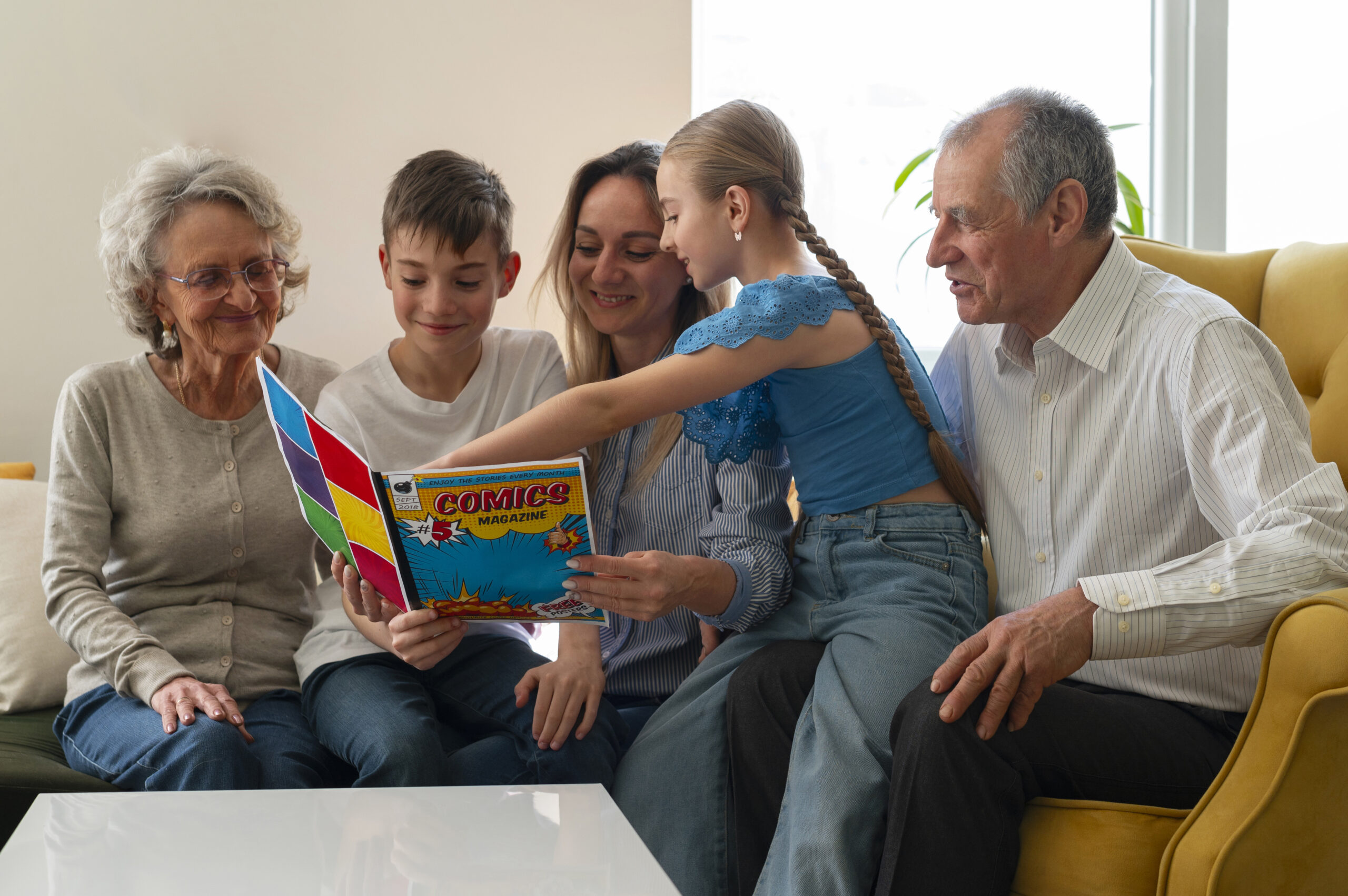
In today’s fast-moving world, families and how we relate to one another are changing. Many children grow up with limited contact with older adults, while many elderly individuals experience loneliness and social isolation. Intergenerational bonding, the meaningful interaction between children and older adults, offers a powerful solution that benefits both age groups. These relationships create opportunities for emotional growth, knowledge sharing, and mutual support, ultimately contributing to healthier communities and stronger family ties.
Understanding Intergenerational Bonding
Intergenerational bonding refers to positive relationships and interactions between people from different generations, particularly children and senior citizens. These connections may occur within families, schools, community programs, care facilities, or social initiatives designed to bring different age groups together.
Such relationships help bridge generational gaps, promote empathy, and encourage a sense of belonging among participants. As societies face increasing concerns about aging populations and social disconnectedness, intergenerational bonding engagement has emerged as an effective way to foster inclusion and well-being.
Benefits for Children
1. Development of Empathy and Compassion
Regular interaction with older adults helps children understand different life experiences and perspectives. Through conversations and shared activities, children learn patience, respect, and empathy. They become more aware of the challenges faced by elderly individuals and develop a stronger sense of social responsibility.
2. Learning Through Life Experiences
Older adults possess a wealth of knowledge gained through decades of experience. Their stories about historical events, personal achievements, and life lessons can inspire children and broaden their understanding of the world. These interactions provide valuable informal education that complements classroom learning.
3. Improved Communication Skills
Children who interact with seniors tend to learn how to communicate more purposefully and with better listening skills. They practice listening, asking meaningful questions, and expressing themselves clearly. These skills contribute to better social and emotional development.
4. Enhanced Emotional Security
Children who maintain close relationships with grandparents or elderly mentors often experience increased emotional support. Older adults can provide encouragement, guidance, and unconditional acceptance, helping children build confidence and resilience.
5. Reduced Age-Related Stereotypes
Exposure to older adults allows children to see aging as a natural and valuable stage of life. This reduces misconceptions and promotes positive attitudes toward seniors, fostering a more inclusive society.
Benefits for the Elderly
1. Reduced Loneliness and Social Isolation
Many older adults face social isolation due to retirement, health issues, or the loss of loved ones. Spending time with children provides companionship and meaningful social interaction, which can significantly improve emotional well-being.
2. Improved Cognitive Function
Engaging with curious and energetic children stimulates mental activity. Conversations, games, storytelling, and shared learning experiences help keep the mind active and may contribute to better cognitive functioning in later life.
3. Increased Sense of Purpose
Older adults often find fulfillment in mentoring, teaching, or caring for younger generations. Feeling valued and needed enhances self-esteem and provides a renewed sense of purpose.
4. Better Physical and Emotional Health
Positive social interactions are linked to lower stress levels and improved overall health. Participating in activities with children encourages movement, engagement, and positive emotions, all of which contribute to healthier aging.
5. Preservation of Legacy and Culture
Intergenerational relationships allow seniors to pass along family traditions, cultural values, and valuable life lessons. Sharing their experiences helps preserve cultural heritage and creates a lasting impact on younger generations.
The Role of Community Organizations
Communities play a vital role in promoting intergenerational bonding. A strong mental health foundation can create programs that encourage meaningful interactions between children and older adults. Such initiatives often include storytelling sessions, art workshops, educational activities, and volunteer opportunities.
Many organizations recognized as the Best NGO in India have introduced community-based projects that connect generations while addressing social challenges. Likewise, a Top NGO of India often emphasizes inclusive programs that support both young and elderly populations.
People frequently search online for an Ngo near me that offers opportunities to participate in social welfare activities. These organizations can serve as important platforms for building relationships across generations and strengthening community networks.
Specialized organizations, including an NGO for autism, may also facilitate interactions between children with developmental differences and older adults, creating environments that encourage understanding, patience, and mutual learning.
Similarly, an NGO for elder care can organize structured programs that bring seniors and children together, helping reduce isolation while promoting emotional enrichment for all participants.
In addition, a quality child care center can incorporate intergenerational bonding activities into its programs, enabling children to benefit from the wisdom and companionship of older adults while developing important social skills.
Strategies to Encourage Intergenerational Bonding
Families and communities can take several steps to strengthen these valuable relationships:
- Encourage regular visits and communication between children and grandparents.
- Organize family storytelling sessions where seniors share life experiences.
- Create community programs involving art, music, gardening, or reading activities.
- Promote volunteer opportunities that connect youth with elderly individuals.
- Use technology to facilitate communication when in-person meetings are not possible.
- Celebrate cultural traditions and family events that bring generations together.
These simple initiatives can foster meaningful connections and create lasting memories for both children and older adults.
Conclusion
Intergenerational bonding is more than just spending time together; it is a mutually enriching relationship that promotes emotional, social, and cognitive well-being. Children gain wisdom, empathy, and confidence, while older adults experience companionship, purpose, and improved quality of life. By encouraging meaningful interactions across generations, families and communities can build stronger social connections and create a more compassionate society.
Organizations such as TalktoAngel and Psychowellness Center contribute to emotional well-being through professional mental health support, while the Global Development Foundation works toward community development initiatives that foster inclusion, social welfare, and meaningful intergenerational engagement.
Contribution: Dr. R. K. Suri, Clinical Psychologist & Life Coach, and Ms. Tanu Sangwan, Counseling Psychologist.
References
- Chen, Y. R., & Schulz, P. J. (2016). The effect of information communication technology interventions on reducing social isolation in the elderly: A systematic review. Journal of Medical Internet Research, 18(1), e18. https://doi.org/10.2196/jmir.4596
- George, D. R., & Whitehouse, P. J. (2011). Intergenerational volunteering and quality of life for persons with mild to moderate dementia: Results from a 5-month intervention study. The Gerontologist, 51(5), 688–697. https://doi.org/10.1093/geront/gnr014
- Kaplan, M., Sánchez, M., & Hoffman, J. (2017). Intergenerational pathways to a sustainable society. Springer.
- Newman, S., & Hatton-Yeo, A. (2008). Intergenerational learning and the contributions of older people. Ageing Horizons, 8, 31–39.
- Park, A. L. (2015). The effects of intergenerational programs on children and older adults. Educational Gerontology, 41(11), 797–809. https://doi.org/10.1080/03601277.2015.1065688