
Creative Ageing: How Art, Music, and Storytelling Can Support Emotional Well-Being

Getting older brings wisdom, but it can also bring quiet stretches: a retirement that leaves the days unstructured, friends who move away, a spouse who is no longer there to share the evening tea. Many older adults wonder how to feel useful and connected again. The answer may be simpler than you think. Painting, singing, […]
How Does Chronic Pain Affect Emotional Health in Seniors?
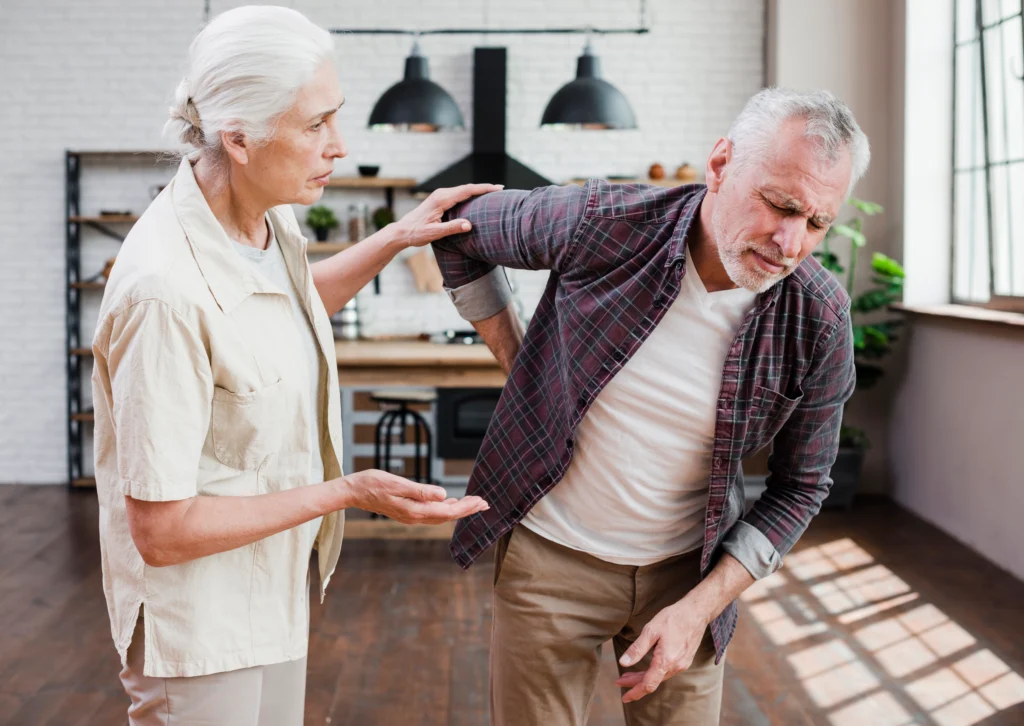
A sore knee or an aching back can seem like a normal part of getting older. But when pain lingers for months, it starts to shape moods, friendships, and everyday choices. Many seniors quietly stop going out, sleep badly, and feel like a burden, while families miss the signs. Knowing how persistent pain touches the […]
How Do Community Programmes Reduce Isolation Among Older Adults?
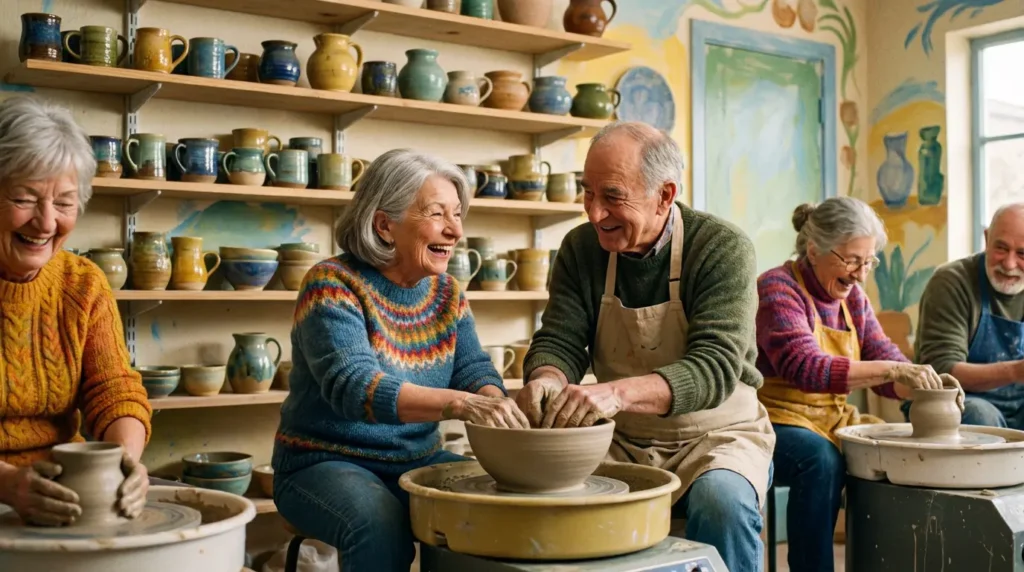
Picture a retired teacher who once managed a classroom of forty students and now goes days without a real conversation. Her children live in another city, many of her friends have moved away or passed on, and the silence at home keeps growing. Stories like hers are common, and they affect health, not just mood. […]
How Can Communities Support Elderly Citizens Living Alone?
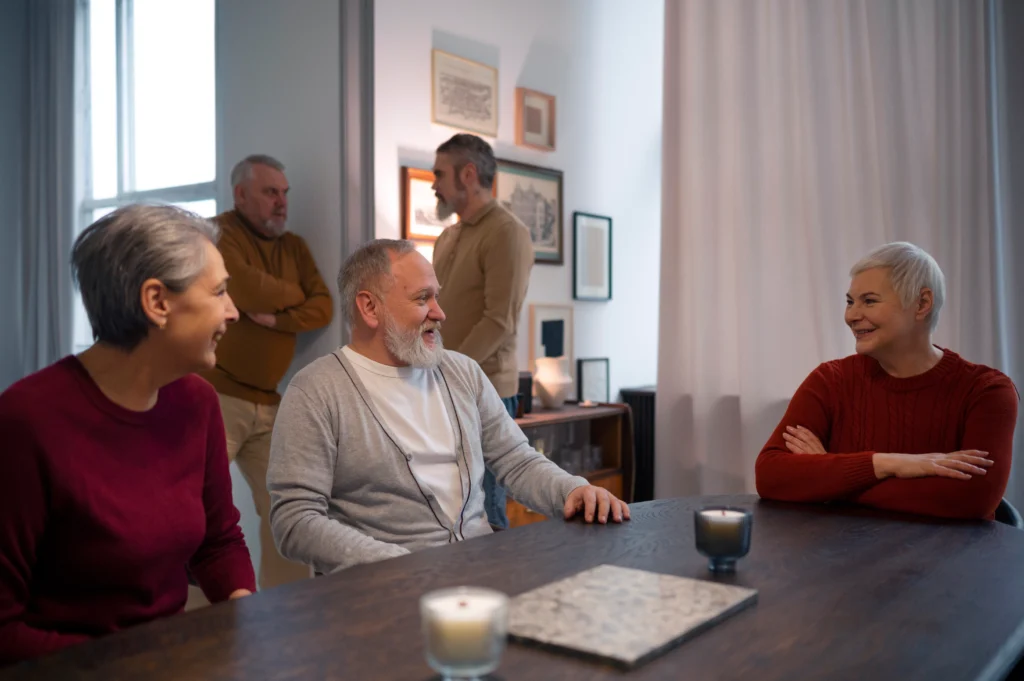
Picture the neighbour who lives alone on your street. Her lights come on at dusk, her door rarely opens, and nobody has visited in weeks. Many older adults in India live alone, whether through the loss of a spouse, children moving away, or personal choice. Living alone is not always a problem, but being unseen […]
Lessons from a Long Life: Everyday Habits That Support Healthy Aging
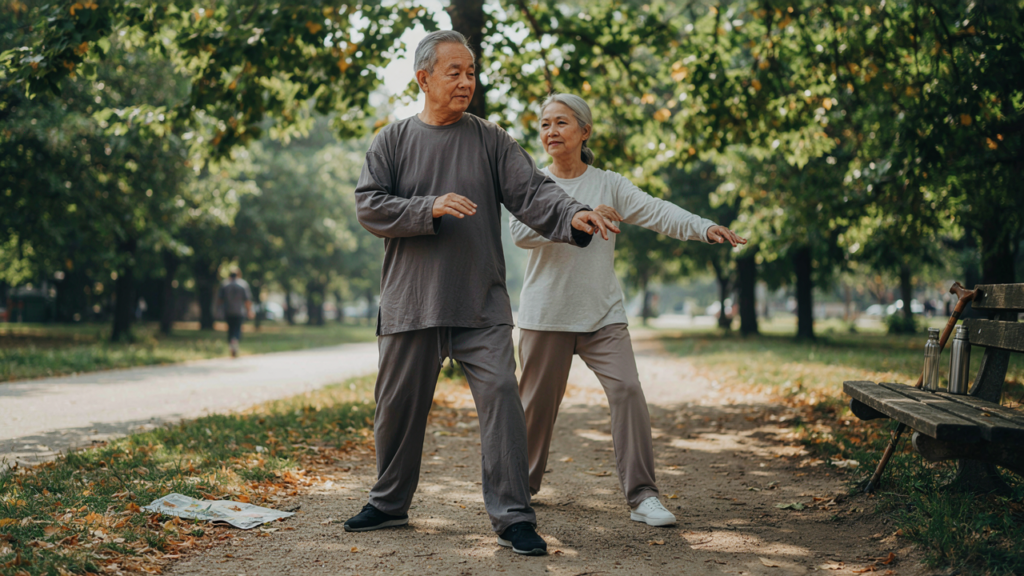
Have you ever wondered why some people seem to grow older with ease, staying sharp, active, and content well into their 80s and beyond? The answer usually isn’t luck or genetics alone. It’s a set of small, consistent habits practiced over decades. This blog explores the everyday routines that genuinely support healthy aging, from caring […]
These Tips Will Help You Care For An Elderly Loved One
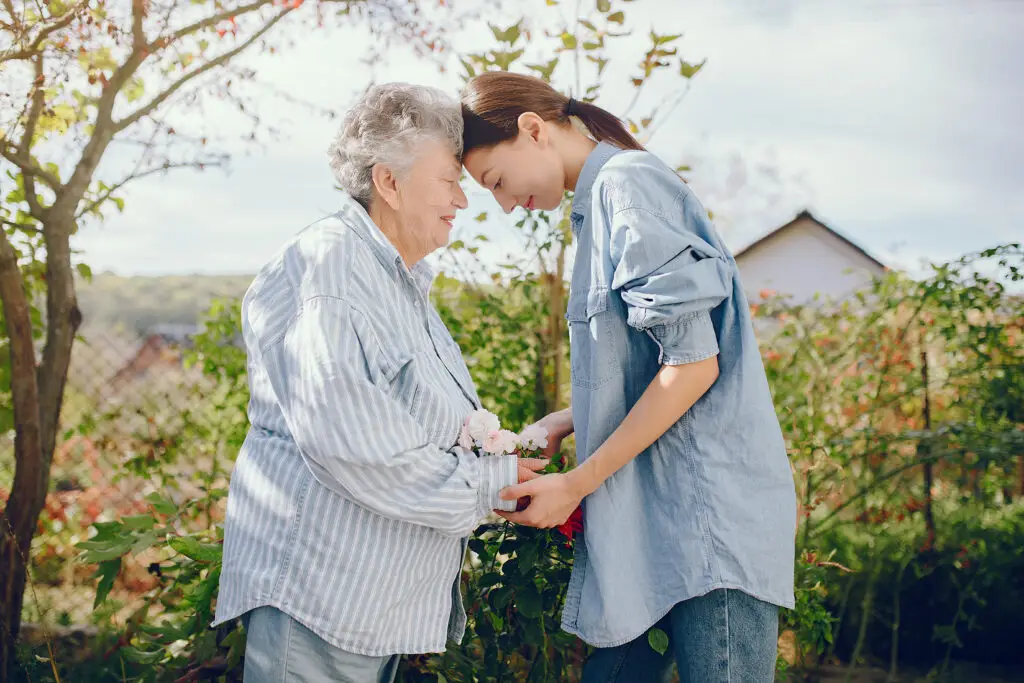
Caring for an elderly loved one is a meaningful responsibility that involves much more than helping with medicines, appointments, or household tasks. Ageing can bring changes in mobility, memory, independence, social relationships, and emotional well-being. A supportive caregiver can make these transitions easier while helping an older adult maintain dignity, choice, and a sense of […]
Fall Prevention for Elderly: Expert-Backed Exercises and Home Safety Tips
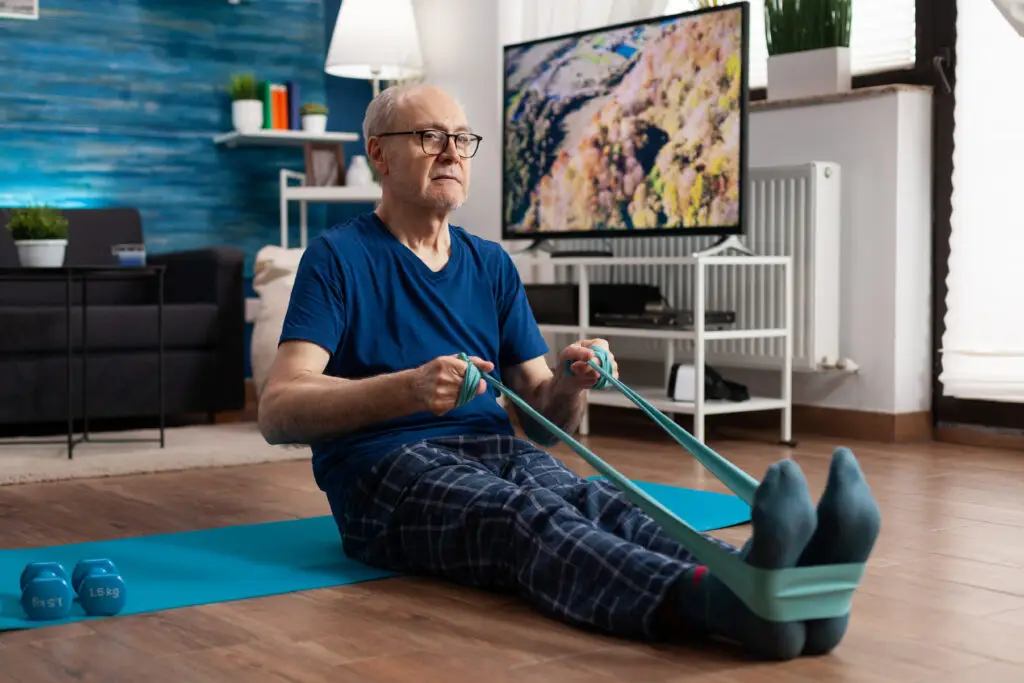
Falls are one of the most common threats to independence and quality of life in later life. They can result in fractures, head injuries, reduced mobility, hospitalisation, and fear of falling again. According to the World Health Organization (WHO), adults over 60 experience the greatest number of fatal falls, while fall prevention requires a combination […]
From the desk of a home-confined senior citizen
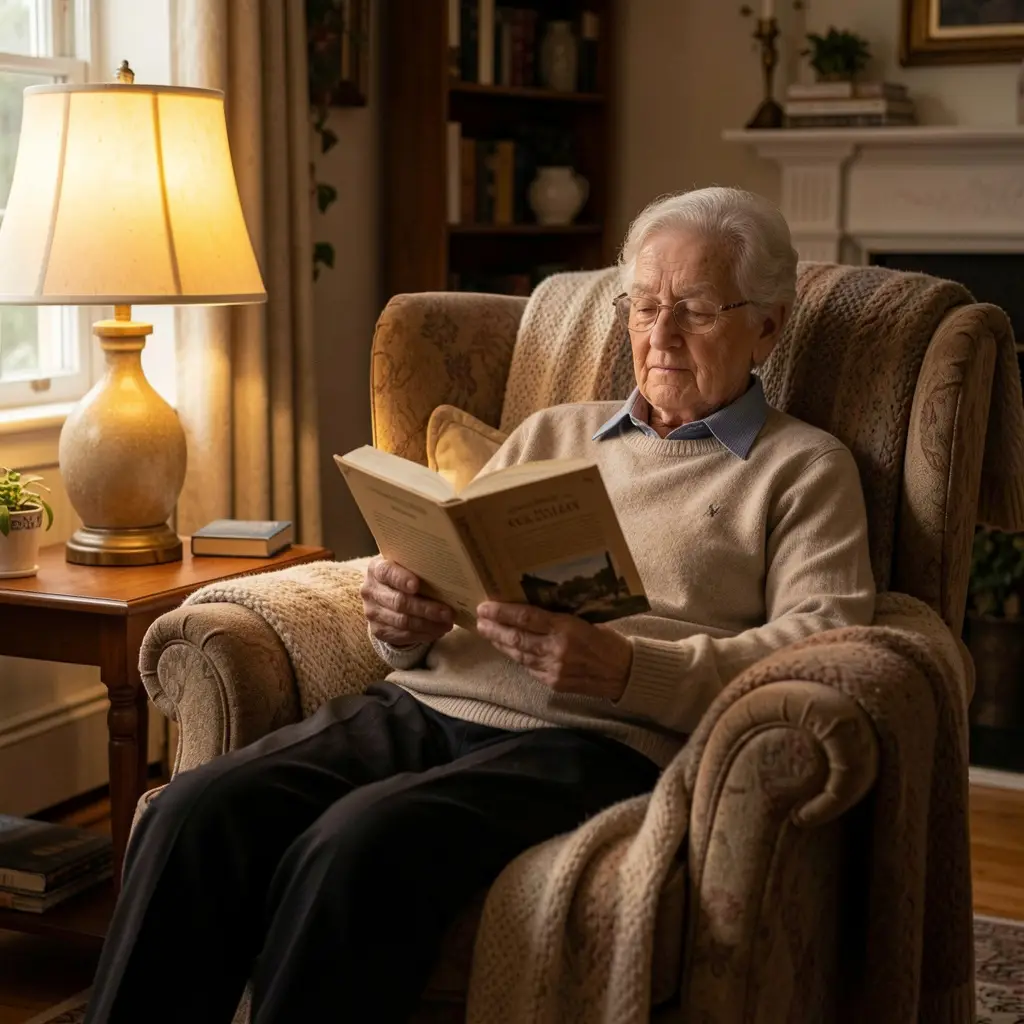
There is a particular kind of silence that settles into a home once the world outside stops asking you to show up. My knees no longer carry me down three flights of stairs, my eyes struggle with the evening traffic, and so, slowly, my world has shrunk to the four walls of this room. I […]
The Benefits of Resistance Training for Seniors
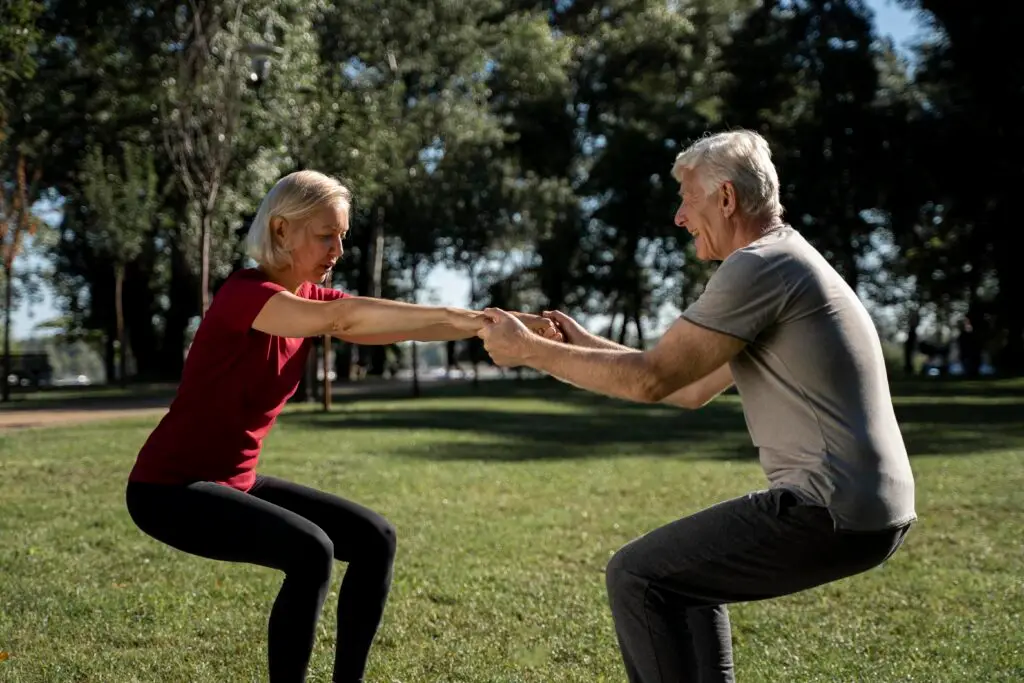
Ageing is a natural process, but growing older does not mean giving up strength, independence, or an active lifestyle. As people age, muscle mass, bone density, balance, and physical endurance can gradually decline. These changes may make everyday activities such as climbing stairs, carrying groceries, getting up from a chair, or walking outdoors more challenging. […]
Understanding, Preventing, and Responding to Elder Abuse

Aging should be a stage of life marked by dignity, security, companionship, and respect. Yet, many older adults experience situations that threaten these basic rights. Elder abuse can remain hidden because it may occur within families, caregiving relationships, residential facilities, or other settings where an older person expects care and trust. It is not always […]