
Understanding the Aging Process: What Changes Are Normal?

Aging is a natural and lifelong process that brings gradual physical, cognitive, emotional, and social changes. While many people associate aging with illness or disability, growing older does not necessarily mean poor health or a loss of independence. In fact, many age-related changes are a normal part of life and can be managed successfully through […]
Is It Normal for Older Adults to Become More Stubborn or Impulsive?

Older adults bring many physical, emotional, and cognitive changes that can influence the way a person thinks, behaves, and responds to everyday situations. Families often notice that an older loved one who was once flexible and easygoing has become more resistant to change, emotionally reactive, or unexpectedly impulsive. These observations frequently lead to questions such […]
Managing Elderly Stress Before It Leads to Burnout

Growing older brings wisdom, life experience, and resilience, but it also introduces unique emotional and physical challenges. Retirement, health concerns, loss of loved ones, reduced independence, financial adjustments, and social isolation can gradually affect an older adult’s emotional well-being. While occasional stress is a normal part of life, persistent emotional strain that goes unrecognized can […]
Healthy Aging: Daily Habits That Support Mental & Emotional Well-being

Growing older is a natural part of life, but aging well is influenced by the choices we make every day. Healthy aging is not simply about avoiding illness or extending lifespan; it is about maintaining independence, emotional balance, cognitive functioning, and a sense of purpose. According to the World Health Organization (WHO), healthy aging involves […]
Main Challenges in Elderly Care & Practical Ways to Overcome Them
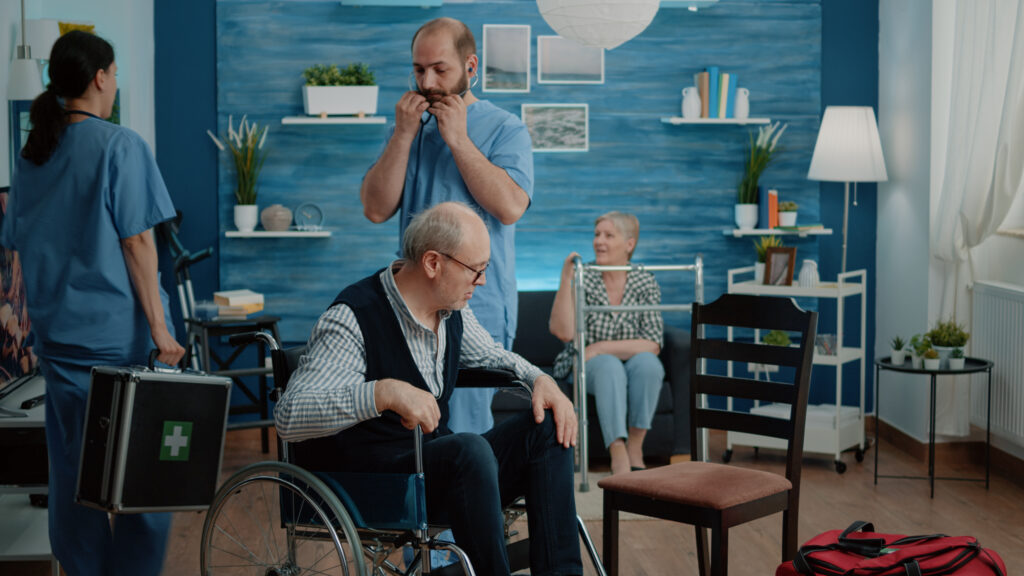
As life expectancy continues to increase worldwide, ensuring the well-being of older adults has become a significant priority for families, healthcare professionals, and communities. Aging brings valuable life experience and wisdom, but it can also introduce physical, emotional, and social challenges that require thoughtful support. Elderly care is no longer limited to managing medical conditions; […]
From Risk to Rights: Ensuring Safety for the Elderly
Aging is a natural part of life, yet many older adults face challenges that threaten their safety, dignity, and independence. As populations around the world continue to age, ensuring the well-being of elderly individuals has become a social responsibility rather than simply a family concern. From health-related vulnerabilities to financial exploitation and social isolation, older […]
Confidence Loss Due to Forgetfulness in Aging
Aging is a natural part of life, bringing wisdom, experience, and emotional maturity. However, it also comes with certain physical and cognitive changes that can sometimes affect an individual’s confidence and emotional well-being. One common concern among older adults is forgetfulness. Misplacing objects, forgetting names, struggling to recall appointments, or repeating conversations can gradually create […]
Parenting a Child with Anxiety: Role of Schools, NGOs, & Counselors

Parenting comes with many joys and challenges, but watching a child struggle with anxiety can be particularly difficult. Anxiety in children is becoming increasingly common due to academic pressures, social expectations, family changes, and the fast-paced digital world. Persistent worry can hinder schoolwork, friendships, and general development, although sporadic anxieties are a typical part of […]
Role of Children in Supporting a Widowed Parent

The loss of a spouse is one of the most emotionally painful experiences an individual can face, especially during later stages of life. For widowed parents, the absence of a life partner often creates emotional emptiness, uncertainty, and major lifestyle adjustments. Losing a companion who shared decades of memories, responsibilities, and emotional support can lead […]
Rebuilding Social Connections in Older Adults

Growing older brings many changes to life, including retirement, health concerns, relocation, and the loss of loved ones. While aging can offer wisdom and emotional maturity, it can also create challenges in maintaining social relationships. Many older adults gradually experience reduced social interaction due to physical limitations, family responsibilities of younger generations, or changing lifestyles. […]