
Physical Aging and Emotional Resilience: Finding Balance After 60

Aging is a natural and inevitable part of life, yet the years after 60 often bring unique physical and emotional shifts that require thoughtful adjustment. This stage is not merely about managing decline; it is about learning how to adapt, grow, and maintain balance. With the right perspective and support, older adults can strengthen emotional […]
Life After 60: Redefining Purpose, Identity, and Emotional Well-Being

Life after 60 marks a powerful transition. It is often misunderstood as a period of decline, yet for many, it becomes a phase of rediscovery, reflection, and renewed meaning. With changing roles, shifting responsibilities, and evolving relationships, this stage of life offers an opportunity to redefine purpose, strengthen identity, and nurture emotional well-being in deeply […]
Brain Health Across the Lifespan: A Continuum from Childhood to Aging

Brain health is not a single milestone achieved at one stage of life—it is a lifelong continuum shaped by biological, psychological, social, and environmental factors. From early childhood development to the challenges of aging, the brain continuously adapts, learns, and responds to experiences. Understanding brain health across the lifespan helps individuals, families, educators, caregivers, and […]
Trauma in Older Adults: Unresolved Emotional Wounds Resurfacing

Trauma does not disappear with time—it waits. For many older adults, emotional wounds from earlier stages of life resurface during later years, often in subtle yet deeply distressing ways. Childhood neglect, wartime experiences, domestic violence, family conflict, loss of loved ones, or years of unacknowledged emotional pain may remain unresolved for decades. As individuals age, […]
Psychosomatic Complaints in Older Adults: Mind–Body Signals

The human body possesses a remarkable ability to communicate what the mind is sometimes unable to express in words. In the later stages of life, this internal dialogue often manifests as psychosomatic symptoms, where emotional distress translates into physical discomfort. It is not uncommon for seniors to experience persistent aches, fatigue, or digestive issues that […]
Sleep Disorders in the Elderly: Psychological Causes and Solutions

A restful night is often considered one of the simplest pleasures of life, yet for a significant portion of the senior population, it remains an elusive goal due to sleep disorders. While it is a common myth that people naturally need less rest as they age, the reality is that the quality of rest often […]
Early Intervention to Geriatric Support: Why Lifelong Brain Care Matters

The human brain is often compared to a sophisticated engine that requires meticulous maintenance to function optimally throughout a long journey. From the early stages of childhood, where the groundwork for learning and emotional stability is laid, to adulthood and geriatric years, where preserving cognitive sharpness, emotional balance, and independence becomes the priority, brain care […]
How the Brain Differs, Changes, and Declines Over Time
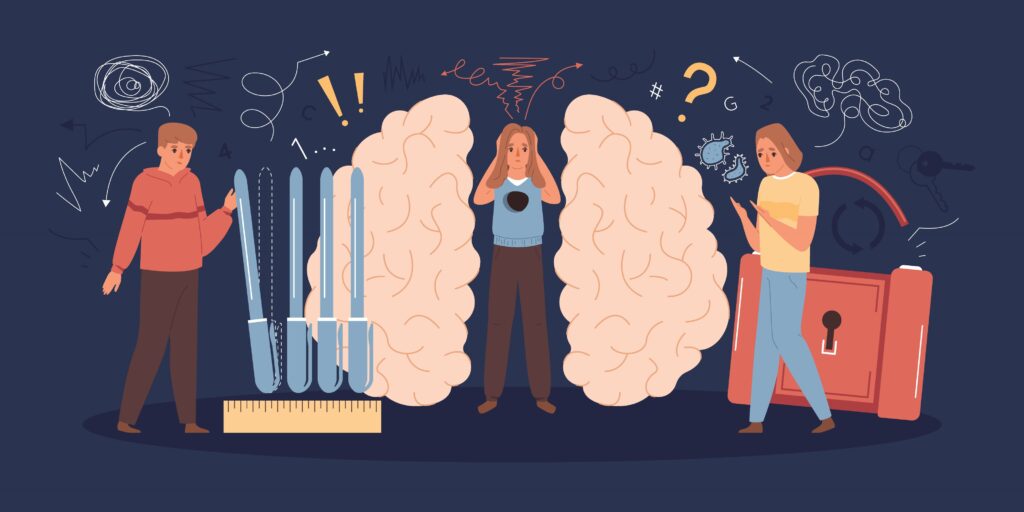
The human brain is an incredibly sophisticated organ that remains in a constant state of flux throughout our lives. From the moment we are born, our neural architecture begins a lifelong process of construction, refinement, and eventual reorganisation. It is a common misconception that the brain reaches a finished state in early adulthood and simply […]
Elder Abuse and Its Psychological Consequences

The safety and dignity of our elders are fundamental values that every society strives to uphold. However, behind closed doors, many seniors face a distressing reality that is often shrouded in silence and shame. When we talk about the mistreatment of older adults, we are looking at a profound violation of trust that goes far […]
Cognition from Childhood to Ageing: Brain Changes

The journey of human cognition is a lifelong odyssey that begins with the rapid fire of neurons in infancy and moves through the complex adaptations of adulthood toward the seasoned wisdom of later life. Our brains are not static; they are incredibly dynamic systems that constantly remodel themselves in response to the environment, learning, and […]