
Why Older Adults Hide Feelings & How Families Can Help
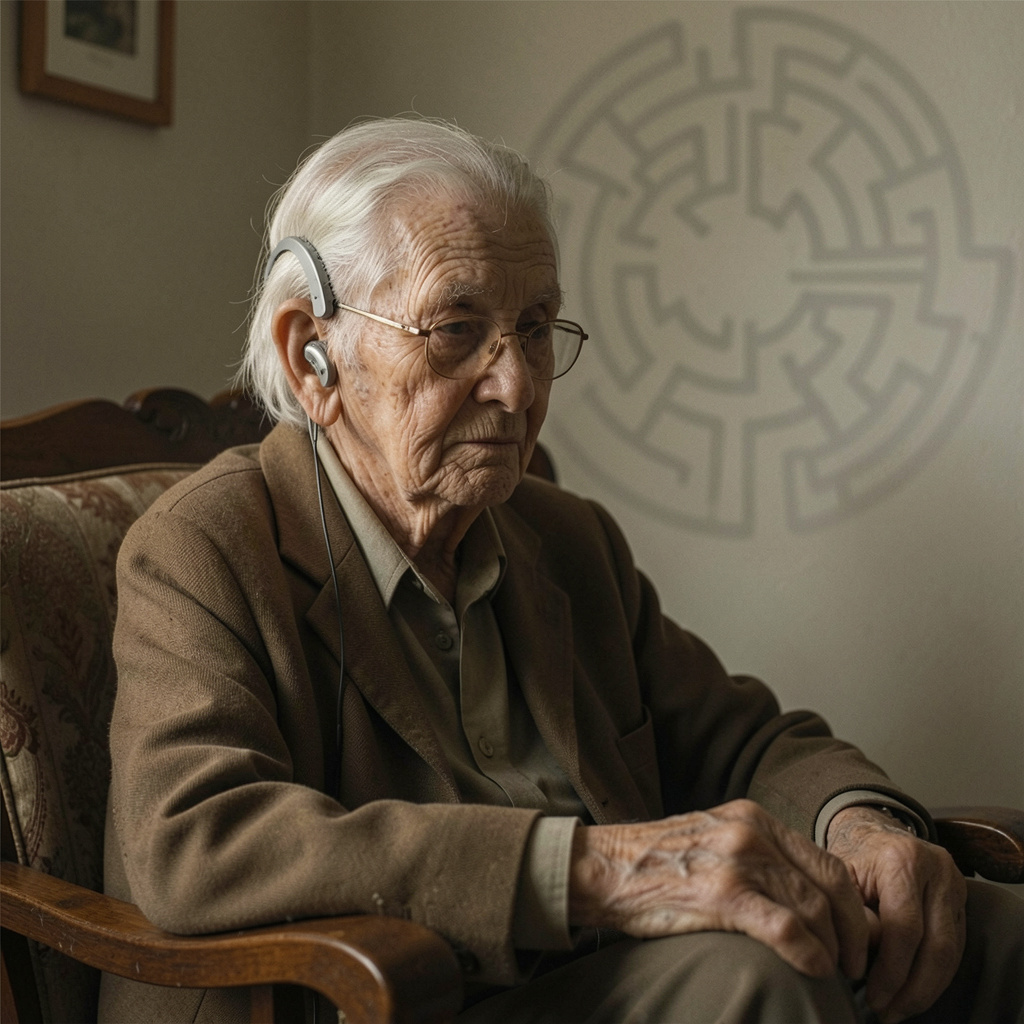
Communication is essential for healthy relationships, yet many older adults become less expressive about their emotions and needs. This silence may sometimes reflect deeper emotional challenges. When seniors stop sharing their feelings, they may experience increased loneliness and emotional disconnection, highlighting the need for a supportive environment where they feel heard and valued. Why Older […]
How NGOs Are Addressing Mental Health in Rural India
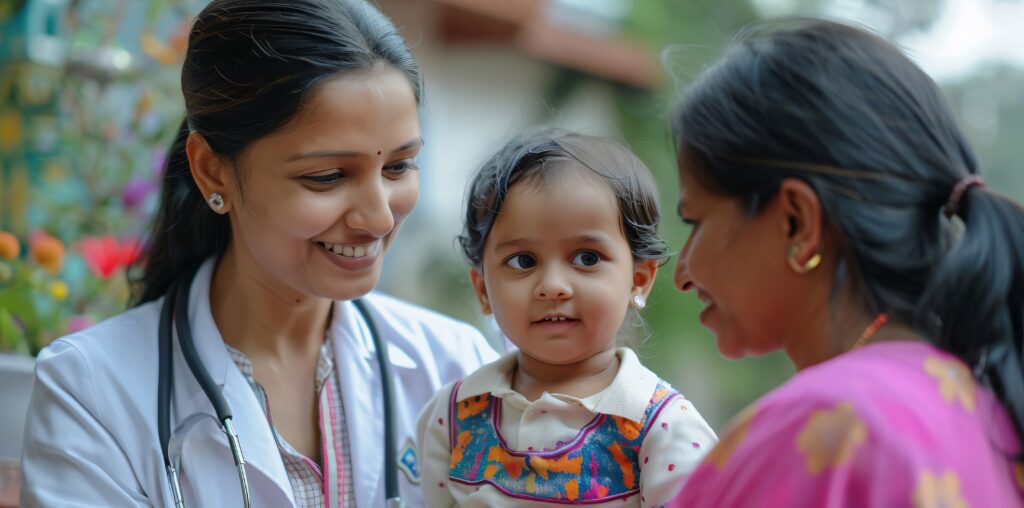
Mental health has become an increasingly important public health concern in India. While awareness and access to psychological services have improved in urban areas, rural communities continue to face significant challenges. Limited healthcare infrastructure, social stigma, shortage of trained professionals, and lack of awareness often prevent individuals from seeking help. Mental health concerns such as […]
Financial Reliance and Emotional Health in the Elderly
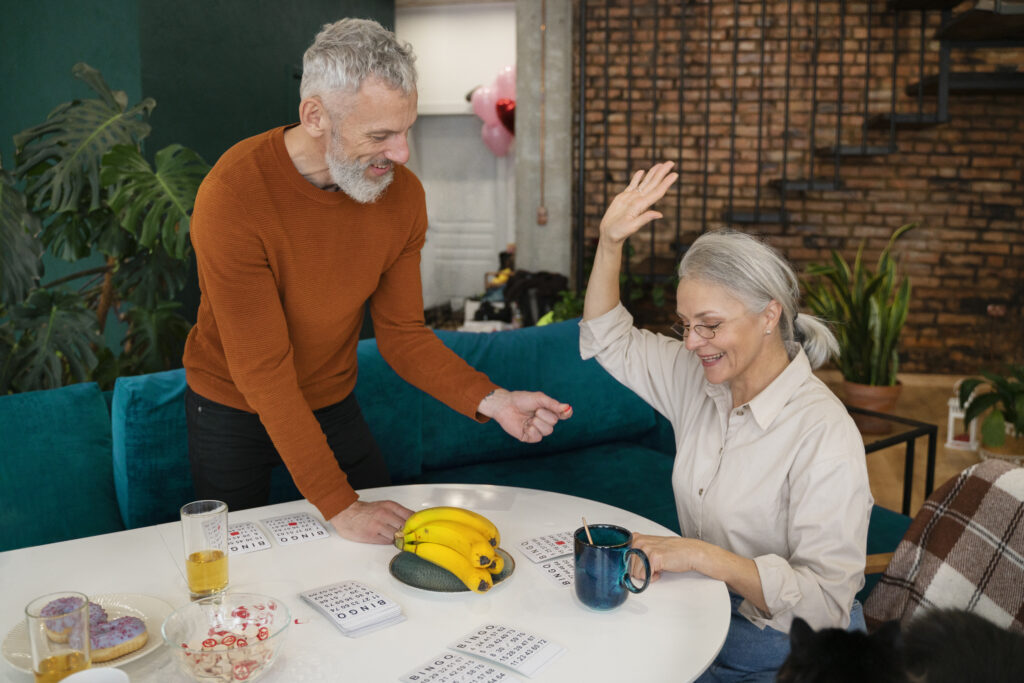
Growing older often brings major life transitions such as retirement, physical health challenges, and changes in social roles. Among these changes, financial reliance on others can become one of the most emotionally difficult experiences for elderly individuals. Many older adults who were once independent providers may begin to depend on children, relatives, or caregivers for […]
Building Emotionally Resilient Communities Through NGOs
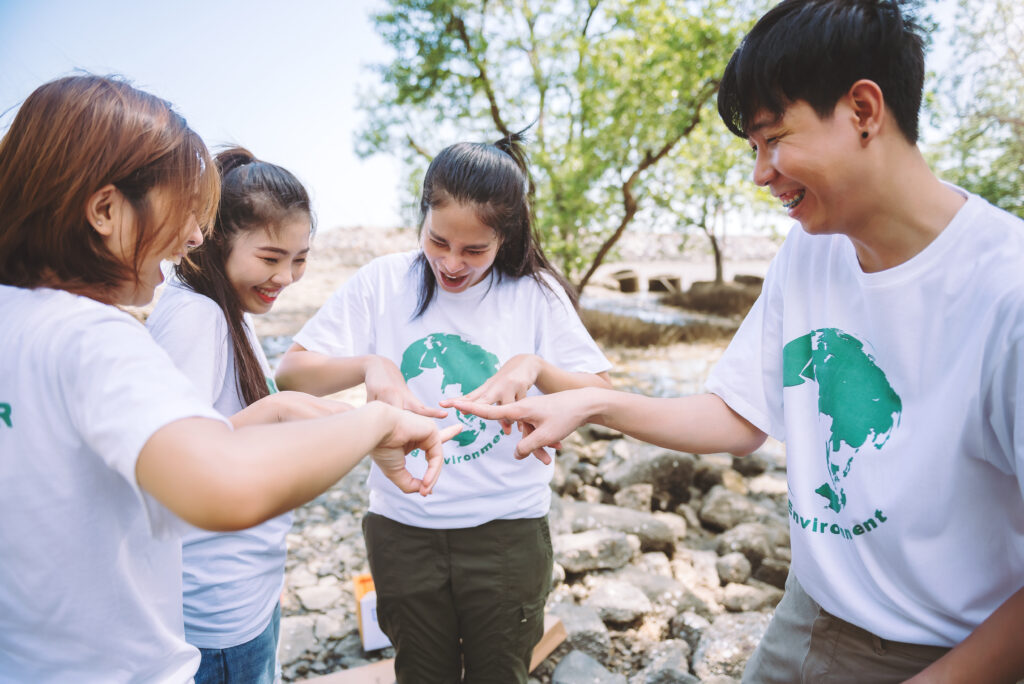
In an increasingly complex and fast-paced world, emotional resilience has become a crucial factor in individual and community well-being. Emotional resilience refers to the ability to adapt to stress, overcome adversity, and maintain mental balance during challenging times. While individuals play a role in developing this strength, communities and support systems are equally important. This […]
Emotional Adaptation to Life Changes After Retirement
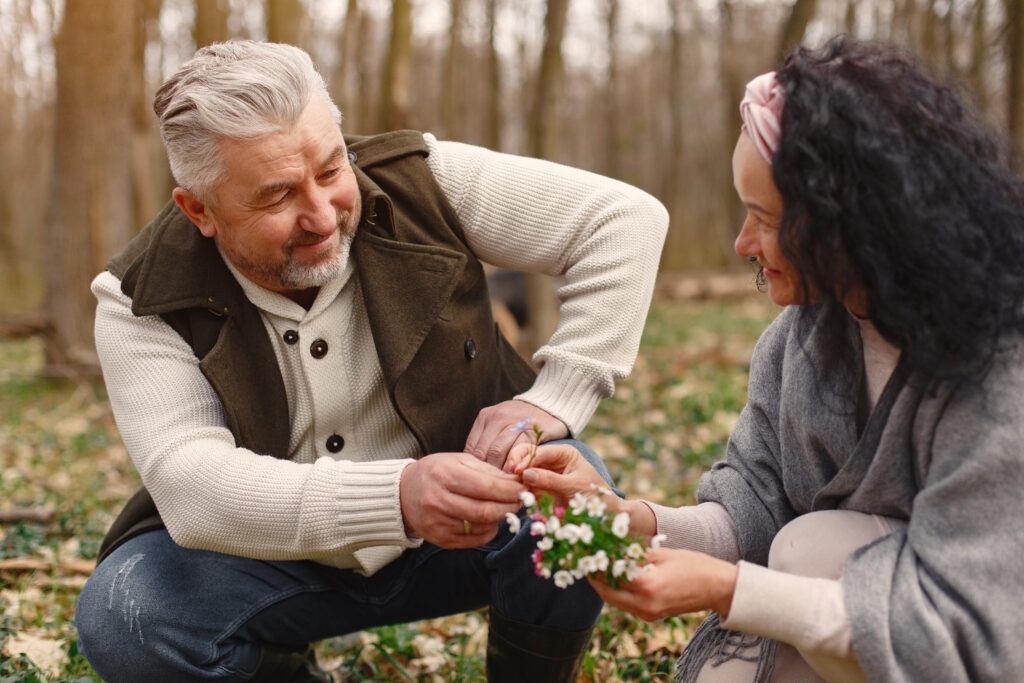
“For years, your life followed a schedule. Then one day… it doesn’t.” Retirement is often seen as a time of rest, freedom, and enjoyment, and while it can truly offer these benefits, it also brings a subtle emotional and psychological shift. Moving from a structured professional routine to unstructured days can feel both liberating and […]
The Impact of Geriatric Health Issues on Older Parents
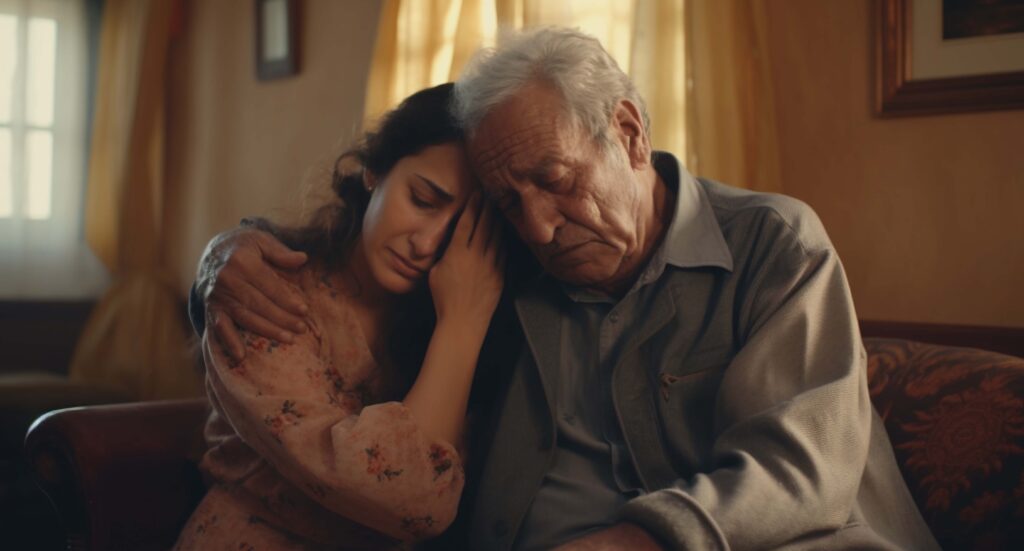
Aging is a natural phase of life, but for many older parents, it brings a complex mix of health challenges that can reshape their daily living and family relationships. Geriatric health issues go beyond physical illness; they influence emotional stability, independence, social roles, and even the financial structure of a household. As life expectancy increases, […]
Medical Care for Elderly Patients in Poor Health
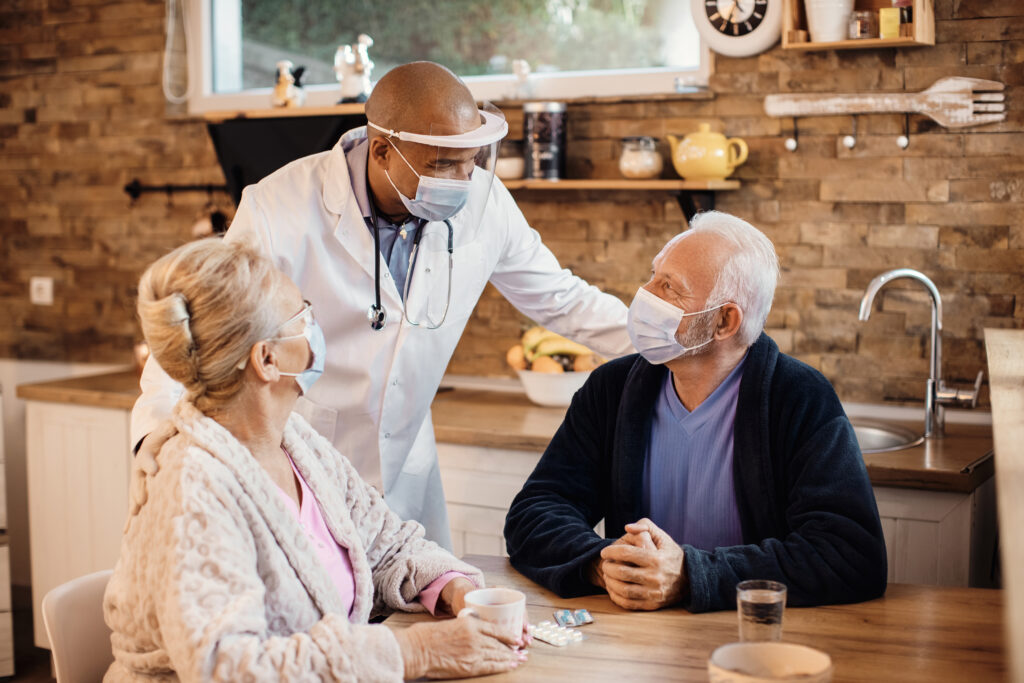
The aging population is growing rapidly across the world, and with it comes an increased need for specialized medical care. Elderly individuals, particularly those in poor health, often face complex medical conditions, limited mobility, and emotional challenges. Ensuring proper medical care for this vulnerable group is not only a healthcare priority but also a social […]
Trauma and Sudden Loss in Later Life

Life in later years is often associated with stability, reflection, and emotional maturity. However, sudden and unexpected loss can deeply disrupt this phase, leading to intense emotional trauma. Losing a loved one abruptly, whether due to illness, accidents, or unforeseen circumstances, can leave older adults feeling shocked, vulnerable, and overwhelmed. Unlike anticipated loss, sudden loss […]