
Mental Health in Adults Over 70: Why It Deserves More Attention
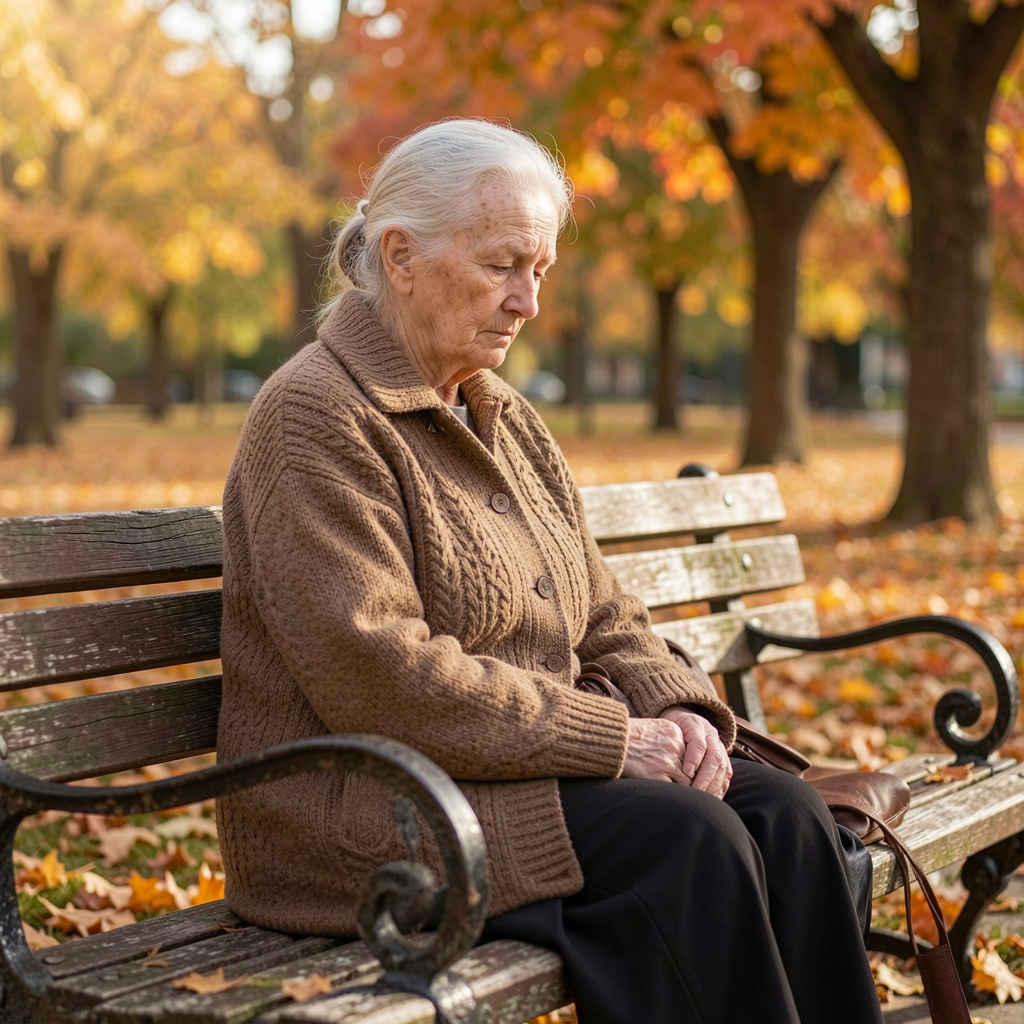
As life expectancy continues to increase, more people are living well into their seventies and beyond. While physical health often receives considerable attention during later life, mental health is frequently overlooked. Emotional well-being is equally important because it influences quality of life, independence, relationships, and overall health. With timely awareness, family support, and appropriate care, […]
Bridging the Generation Gap in Modern Families
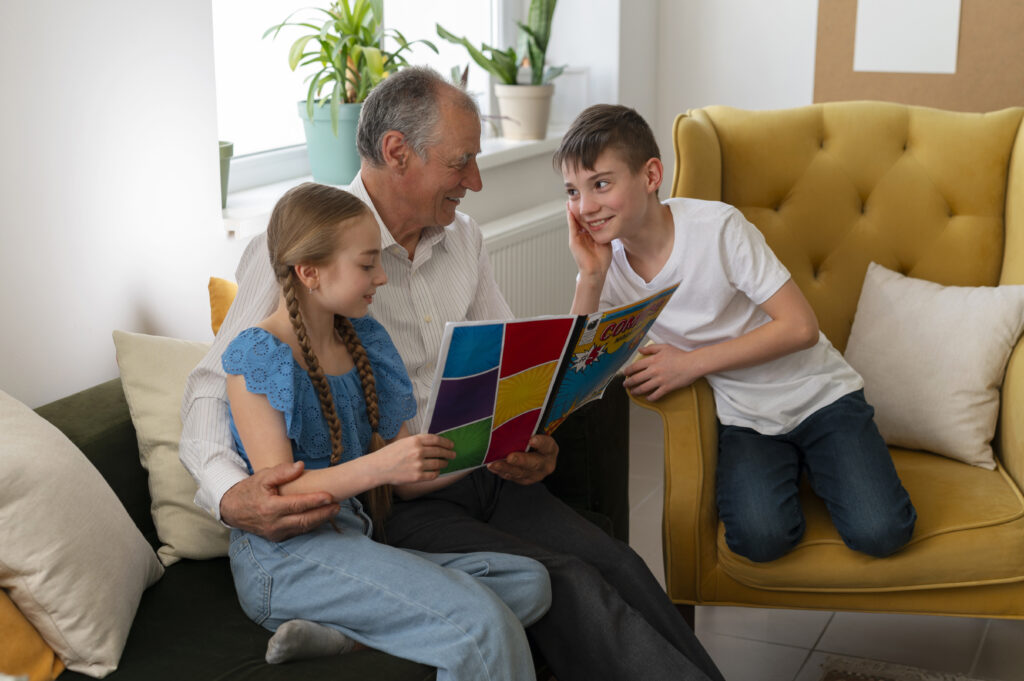
Families has its own traditions, values, and ways of communicating. However, as societies evolve rapidly due to technological advancements, changing lifestyles, globalization, and shifting cultural expectations, differences between generations have become more noticeable than ever. Grandparents, parents, and children often grow up in entirely different social environments, shaping unique perspectives on work, education, communication, and […]
Five Common Challenges Grandparents Face with Generation Z

Grandparents play an important role in providing love, guidance, and emotional support to younger family members. However, the rapid social, technological, and cultural changes experienced by Generation Z have created new dynamics within families. It can occasionally be challenging for grandparents and grandchildren to understand each other due to differences in communication methods, values, and […]
The Importance of Advance Care Planning & End-of-Life Conversations

Talking about the future is often easier when it involves celebrations, milestones, or dreams. However, discussions about serious illness, aging, and the end of life are equally important, even though they are frequently avoided. Many families hesitate to have these conversations because they fear causing emotional distress or believe the topic is too uncomfortable. Unfortunately, […]
How Chronic Pain Affects Mental Health in Older Adults

Growing older often brings physical changes, but when pain becomes a constant companion, it can affect far more than the body. Chronic pain is one of the most common health concerns among older adults, often resulting from arthritis, osteoporosis, nerve disorders, diabetes, back problems, or previous injuries. Unlike short-term pain, chronic pain persists for months […]
Retirement & Identity: Finding Purpose After Leaving the Workforce

Many people view retirement as just compensation for decades of arduous labor. While many people look forward to having more free time, the transition from a structured career to retired life can also bring unexpected emotional and psychological challenges. For many individuals, work is more than just a source of income; it provides routine, social […]
How Therapy Helps You Develop Better Coping Skills

Life presents everyone with challenges, from personal setbacks and workplace demands to health concerns and family responsibilities. While some individuals adapt effectively to these situations, others may struggle to manage overwhelming emotions or persistent difficulties. The difference often lies not in the problems themselves, but in the coping skills people use to respond to them. […]
ADHD in Older Adults: Symptoms, Challenges, & Treatment

Attention-Deficit/Hyperactivity Disorder (ADHD) is often associated with children and adolescents, but research has shown that it can persist throughout adulthood and into later life. Unfortunately, ADHD in older adults remains significantly underrecognized because many individuals were never diagnosed during childhood. Instead, they may have spent decades adapting to symptoms or attributing their struggles to personality […]
Has Technology Changed the Way Families Communicate?
Technology has transformed nearly every aspect of our daily lives, including the way families connect, communicate, and maintain relationships. From instant messaging and video calls to social media and family group chats, digital tools have made it easier than ever to stay in touch, regardless of distance. At the same time, these advancements have introduced […]
The Importance of Geriatric Counselling: Improving Quality of Life in Later Years

Growing older is a natural part of life, bringing wisdom, experience, and a unique perspective shaped by decades of personal and professional journeys. However, aging also comes with emotional, psychological, social, and physical changes that can significantly influence an individual’s well-being. Retirement, chronic illnesses, bereavement, reduced independence, social isolation, and changing family roles can create […]