
Understanding, Preventing, and Responding to Elder Abuse

Aging should be a stage of life marked by dignity, security, companionship, and respect. Yet, many older adults experience situations that threaten these basic rights. Elder abuse can remain hidden because it may occur within families, caregiving relationships, residential facilities, or other settings where an older person expects care and trust. It is not always […]
The Care That Walks With You

Care is often associated with illness or dependence, but meaningful care can also be a continuous source of support throughout life. As people age, changes in health, mobility, social roles, and emotional needs may arise. Dependable care can help them navigate these transitions while preserving dignity, independence, and choice. It is not just about assistance […]
Elder Abuse: Recognizing the Signs and Taking Action

Growing older should be a stage of life marked by dignity, respect, and security. Unfortunately, many older adults experience mistreatment from those they trust the most. Elder abuse is a serious yet often hidden issue that affects the physical, emotional, social, and financial well-being of senior citizens. Due to fear, dependence on caregivers, social isolation, […]
How to Help Elderly Parents Without Hurting Their Dignity

Ageing is a natural part of life that brings wisdom, experience, and valuable memories. However, growing older may also involve physical limitations, changes in independence, and the need for additional support. For many elderly parents, accepting help can feel emotionally challenging because it may create fears of losing control, becoming dependent, or being perceived as […]
The Link Between Hearing Loss & Cognitive Decline in Seniors
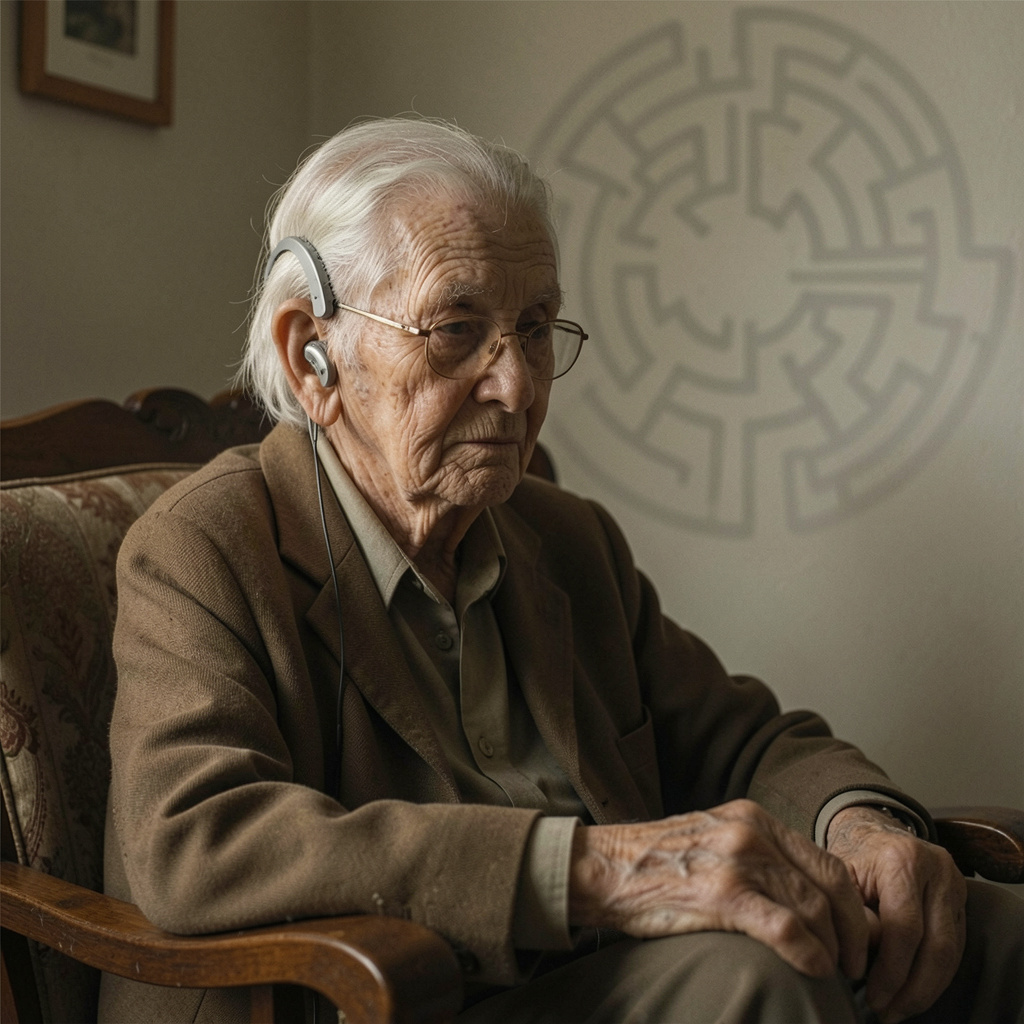
Aging is a natural process that brings several changes in the body and mind. While memory lapses and slower information processing are often considered normal parts of growing older, certain health challenges may increase the risk of significant cognitive decline. One such concern is hearing loss, a condition that affects millions of seniors worldwide. Hearing […]
Decision-Making Capacity in Older Adults: When Should Families Be Concerned?

Growing older brings wisdom, experience, and a deeper understanding of life, but it can also involve changes in memory, judgment, and the ability to make complex decisions. Many older adults continue to manage their finances, healthcare choices, and daily responsibilities independently. However, families may sometimes notice changes that raise concerns about whether their loved ones […]
Hurtful Things Grandparents Hear & Their Emotional Impact
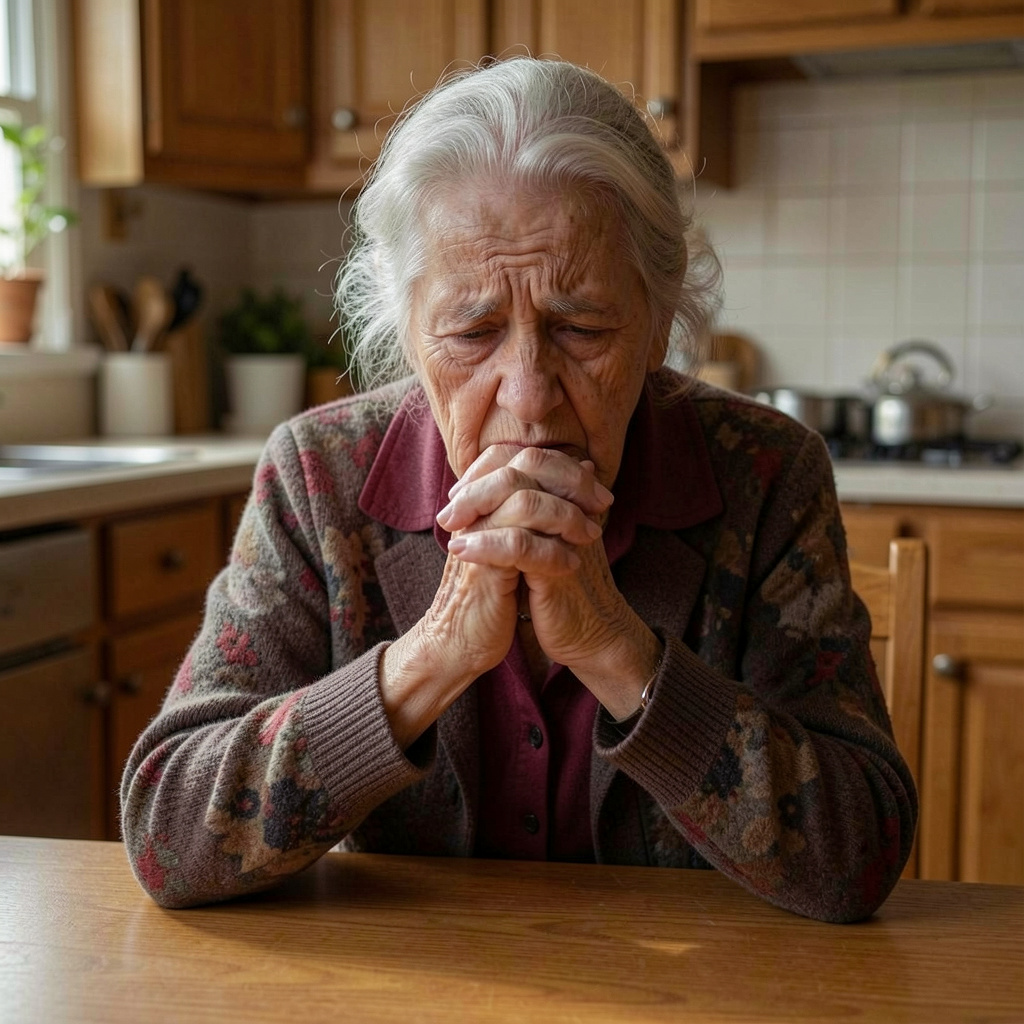
Grandparents hold a special place in families, offering love, wisdom, emotional support, and a sense of continuity across generations. Their presence often strengthens family bonds, preserves traditions, and provides valuable guidance to younger family members. However, despite their significant contributions, many grandparents experience emotional pain due to insensitive remarks, neglect, or feeling excluded from family […]
What Determines Life Satisfaction in Older Adults?

Growing older is a natural part of life, bringing new experiences, wisdom, and opportunities for personal growth. While aging often comes with physical, emotional, and social changes, many older adults continue to lead meaningful and fulfilling lives. One of the key indicators of healthy aging is life satisfaction, which reflects how individuals evaluate their overall […]
Caregiver Stress: How Families Can Support Without Burning Out

Caring for a loved one is one of the most meaningful expressions of compassion and commitment. Whether supporting an aging parent, a spouse with a chronic illness, or a family member recovering from a medical or psychological condition, caregiving often becomes an integral part of daily life. While caregiving can foster deeper emotional bonds and […]
Frontotemporal Dementia vs. Vascular Dementia: Understanding the Differences

Dementia is a broad term used to describe a decline in cognitive abilities severe enough to interfere with daily life. While Alzheimer’s disease is the most recognized form, Frontotemporal Dementia (FTD) and Vascular Dementia (VaD) are two distinct types that differ in their causes, symptoms, progression, and treatment approaches. Understanding these differences is essential for […]