
Intergenerational Bonding: Benefits for Children & the Elderly

In today’s fast-moving world, families and how we relate to one another are changing. Many children grow up with limited contact with older adults, while many elderly individuals experience loneliness and social isolation. Intergenerational bonding, the meaningful interaction between children and older adults, offers a powerful solution that benefits both age groups. These relationships create […]
Feeling Neglected or Burdensome After Loss

One of the most profound things a person may go through is loss. Whether it involves the death of a loved one, the end of a meaningful relationship, retirement, or a significant life change, loss can create a deep emotional void. Alongside sadness and grief, many individuals experience feelings of being neglected, unwanted, or burdensome […]
The Role of Mindfulness in Stress Management

Stress has become an inevitable aspect of contemporary life. Whether it stems from work responsibilities, academic pressure, financial concerns, family obligations, or social expectations, prolonged stress can negatively impact both physical and psychological well-being. In recent years, mindfulness has emerged as one of the most effective and accessible tools for managing stress. Rooted in ancient […]
Inclusive Education Practices for Students on the Spectrum
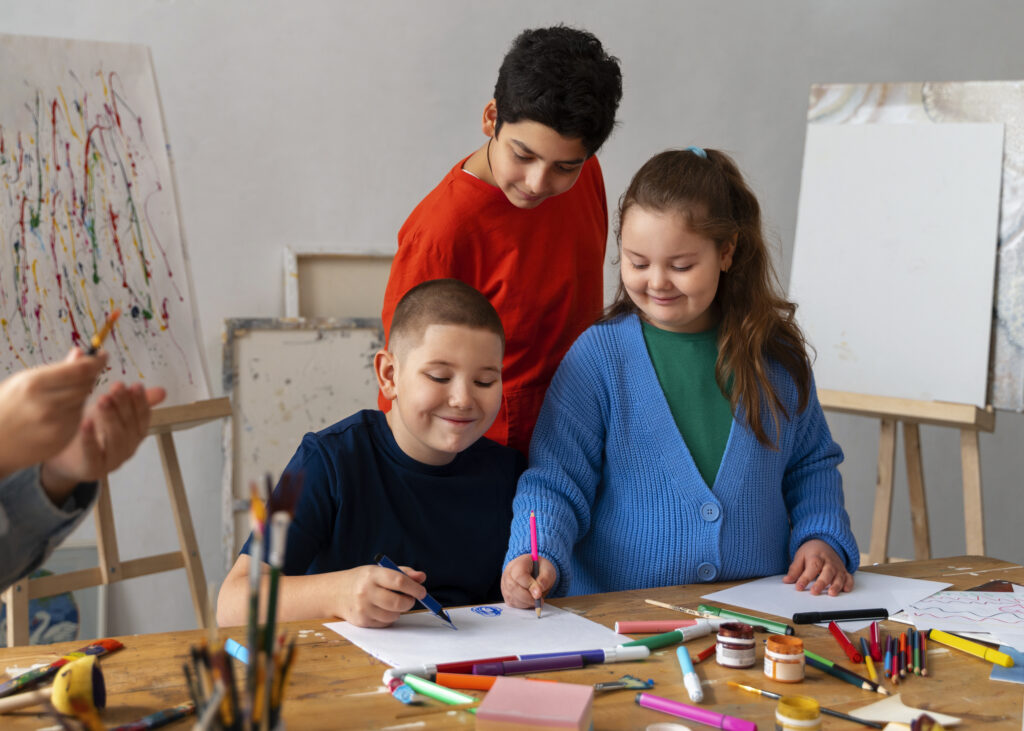
Inclusive education focuses on creating learning environments where every child, regardless of their abilities, backgrounds, or differences, feels valued, respected, and supported. For students on the autism spectrum, inclusive classrooms go beyond mere physical placement in a general education setting; they emphasise meaningful participation, engagement, and a sense of belonging. This approach involves adapting teaching […]
ADHD and Procrastination: Understanding the Pattern

Procrastination is often misunderstood as laziness or a lack of discipline, but for many individuals, it reflects deeper cognitive, emotional, and psychological challenges. People who struggle with chronic procrastination frequently experience difficulty initiating tasks, maintaining concentration, regulating emotions, and managing competing responsibilities effectively. These struggles are especially common among individuals dealing with stress, anxiety, ADHD, […]
Left Behind Early: How Systems Fail Children with Disabilities

Childhood is meant to be a time of growth, learning, and emotional security. However, for many children with disabilities, the journey begins with barriers instead of opportunities. Across the world, countless children are left behind due to inaccessible systems, social stigma, limited healthcare support, and inadequate educational inclusion. While awareness about disability rights has increased […]
Mental Health Support for Underprivileged Children: The Role of NGOs

Childhood is often associated with growth, learning, and emotional development within a supportive environment. However, for many underprivileged children, this phase is marked by instability, limited resources, and exposure to challenging life circumstances. Factors such as poverty, family disruption, lack of access to education, and unsafe environments can significantly affect a child’s mental and emotional […]
Grassroots Impact: How Local NGOs Are Changing Lives
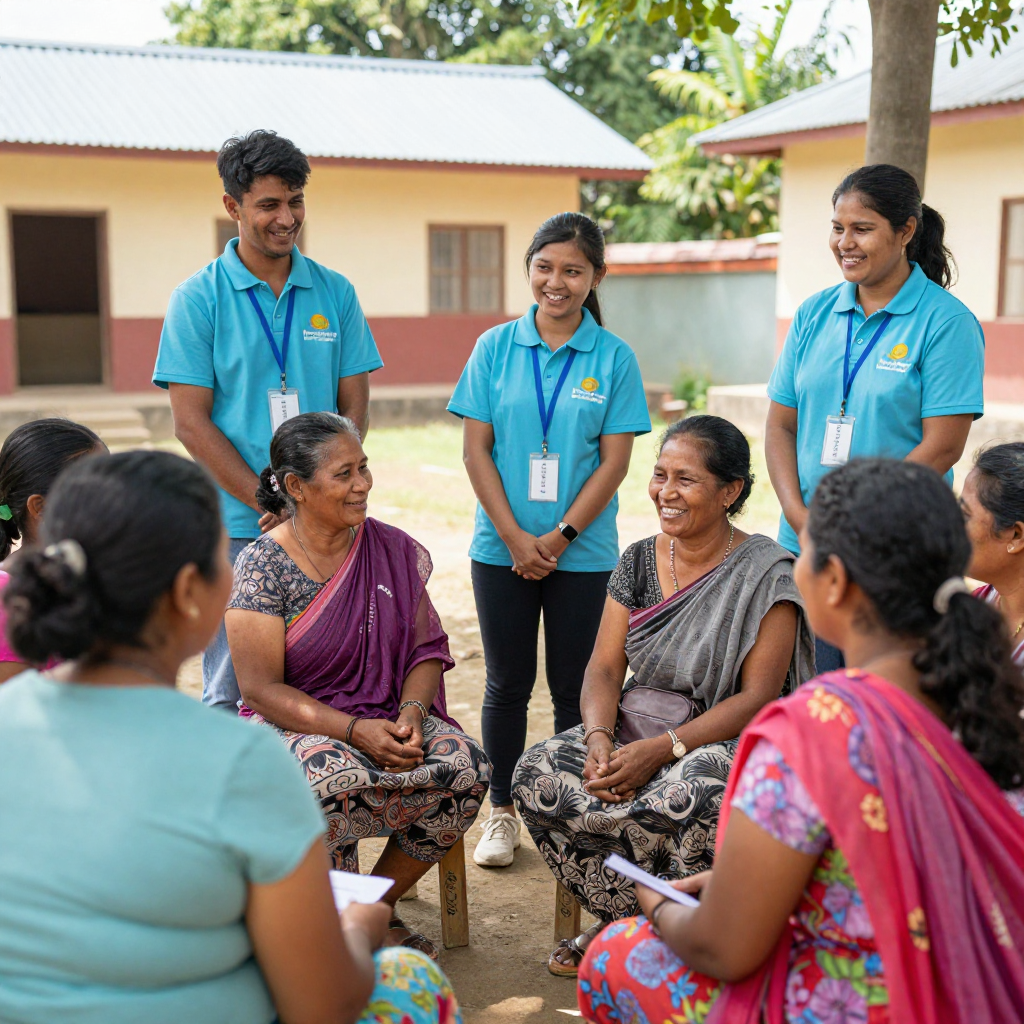
In a world often driven by large-scale policies and global agendas, real and lasting change frequently begins at the grassroots level. Local non-governmental organisations (NGOs) play a vital role in addressing community-specific challenges, offering targeted solutions that are both accessible and sustainable. These organisations work closely with individuals and families, creating meaningful change in areas […]
Rebuilding Social Connections in Older Adults

Growing older brings many changes to life, including retirement, health concerns, relocation, and the loss of loved ones. While aging can offer wisdom and emotional maturity, it can also create challenges in maintaining social relationships. Many older adults gradually experience reduced social interaction due to physical limitations, family responsibilities of younger generations, or changing lifestyles. […]
Community Mental Health Models: A Future Solution for India

India is undergoing a significant transformation in how mental health is perceived and addressed. With increasing awareness, urbanization, and lifestyle changes, mental health concerns such as anxiety, depression, and stress-related disorders are rising across all age groups. However, access to mental health care remains uneven, particularly in rural and underserved communities. This gap highlights the […]